
Chemnitz – The Industrial Museum – a Highlight
- Written by Portal Editor
Chemnitz – Due to the lively trade in machinery and vehicles, the old industrial and commercial city of Chemnitz was home to a large number of hotels until its destruction in 1945.
Large hotels such as the Hotel Stadt Gotha and the Hotel Carola once shaped the cityscape architecturally.
 Even before the Wilhelminian period, Chemnitz had hostels and hotels. Johann Wolfgang von Goethe even stayed at the Hotel de Saxe on the Roßmarkt during his stay in Chemnitz. And today?
We were also surprised by the accommodation options we found.
Combined with the city's intensified efforts since the 1990s to improve Chemnitz's image, which goes hand in hand with the desired development in tourism, the development towards a cultural center is noticeable, which now takes on an even more special character with the title of European Capital of Culture.
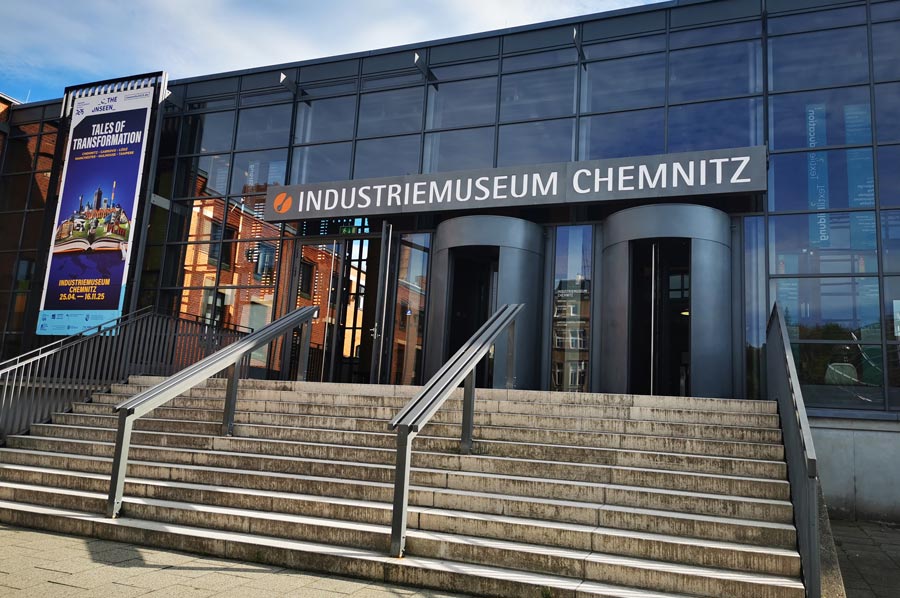
In addition to the numerous modern accommodation options, the new Chemnitz Industrial Museum, which we were able to admire extensively during our visit, is considered an important milestone in this development.
Chemnitz – the stronghold in the automotive state of Saxony
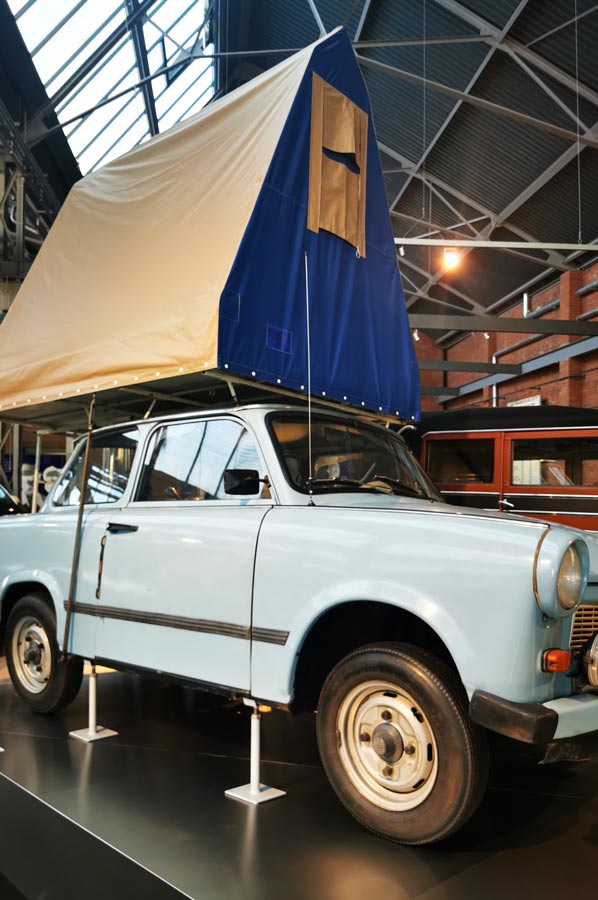
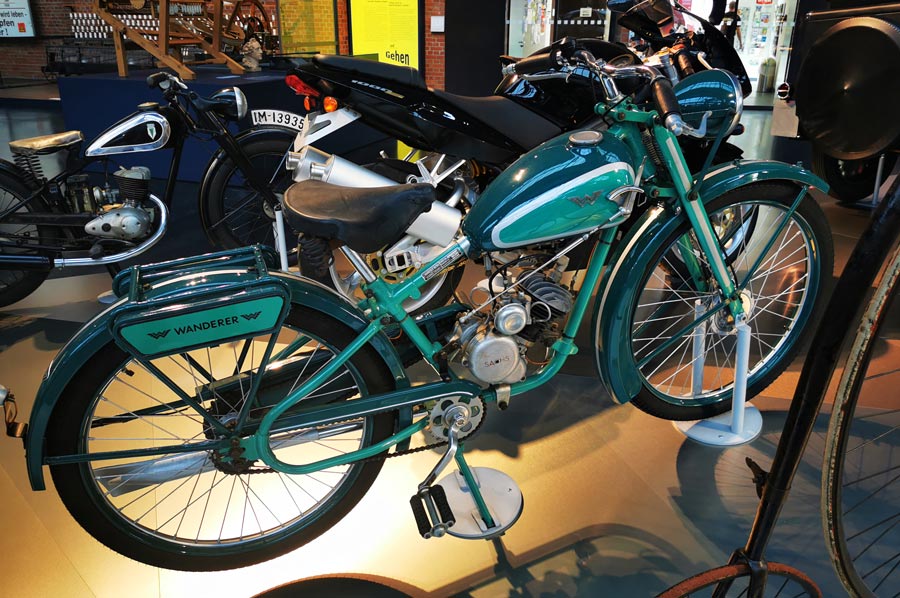
 Names like Audi, Horch, IFA, Nacke, Presto, and Wanderer are part of Saxon economic history, that much was clear to us.
Wars, economic crises, and the division of Germany led to the decline or relocation of these companies.
In 1932, Auto Union AG was formed from the companies Audi, DKW, Horch, and the automotive division of Wanderer, a corporation whose successor, Audi, still exists today.
A foundry of the former Auto Union AG until the end of World War II, the Technical Museum houses an extensive collection of Saxon industrial history.
As an example, let's take DKW, once the world's largest motorcycle manufacturer:
 1902 – Founding of the company Rasmussen and Ernst
1906 – Purchase of a former cloth factory in Zschopau
1916 – Steam-powered car project
1918 – The Boy's Wish – a two-stroke toy engine
1919 – The Little Miracle – an auxiliary bicycle engine
1922 – The first Reichsfahrt model produced in-house
1925 – Own motorcycle racing department
1929 – Up to 60,000 motorcycles annually
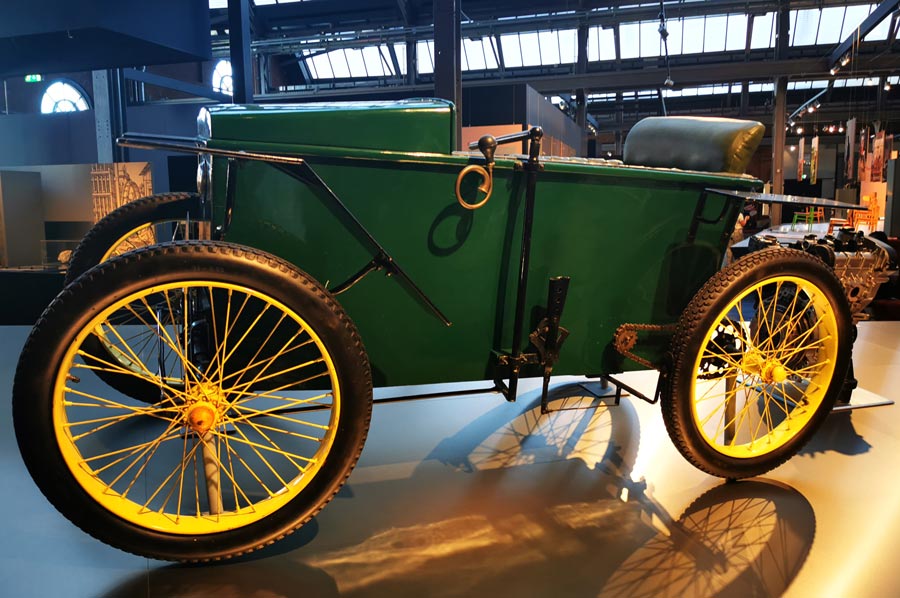 In the 1920s, J.S. Rasmussen and his employees succeeded in developing the Zschopauer Motorenwerke into a group with almost 15,000 employees.
By 1930, the DKW Group united 18 different companies:
factories in Berlin, Chemnitz, Leipzig, Stuttgart, Zwickau, and the Ore Mountains enabled almost independent production.
Later, this was the headquarters of the VEB IFA Combine Cars in Karl-Marx-Stadt and the WTZ Automobile Construction (WTZ – Scientific and Technical Centre).
Today, the German automotive industry is once again in crisis, despite having survived the diesel fraud scandal relatively unscathed.
 The outcry is loud, and politicians are stepping in. Is it the clinging to old technologies that is paving the way for the end?
There are plenty of examples: Olympia Typewriter Works, Waden Werften, Karmann, Edscha, etc.
Company bankruptcies in Germany due to technological factors are supposedly rarely the main cause, but technological developments play a significant role when they lead to a lack of adaptability.
While there are no comprehensive statistics in Germany that isolate technology as a reason for insolvency, industries that do not keep pace with digital and technological changes are more frequently affected.
Will the transition to electrification among automakers, now politically interrupted, ultimately mean the death of German car manufacturers?
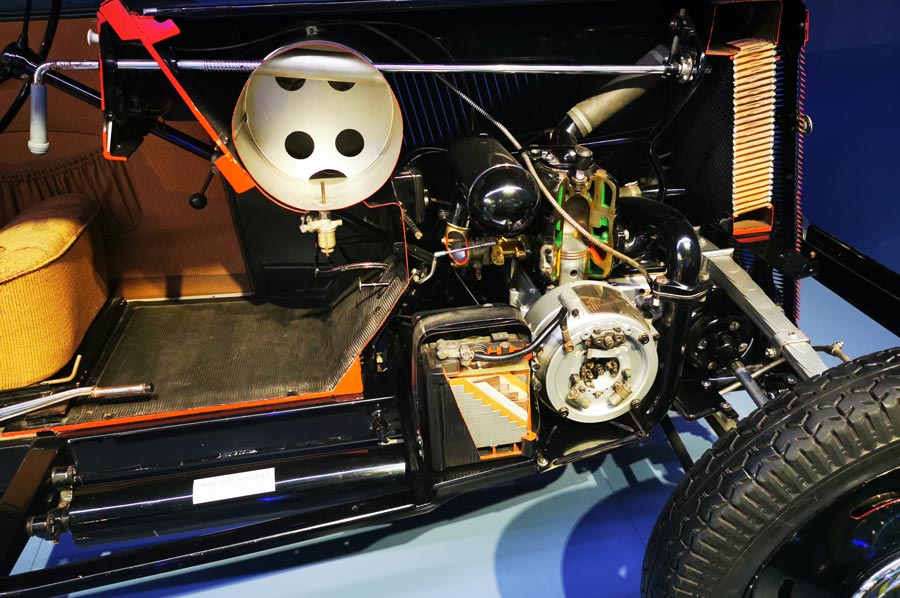 Today, companies such as BMW, Carpon, Neoplan, Porsche, and VW still produce in Saxony.
More than 25,000 people work in the automotive industry, and another 60,000 in the supplier industry.
Research and development facilities complement Saxony's image as an automotive state.
Will this continue if China continues to rely almost exclusively on electrification in its car manufacturing and industry in general?
These and similar thoughts run through our minds, even during our first steps through the Chemnitz Industrial Museum.
Mechanical and Plant Engineering
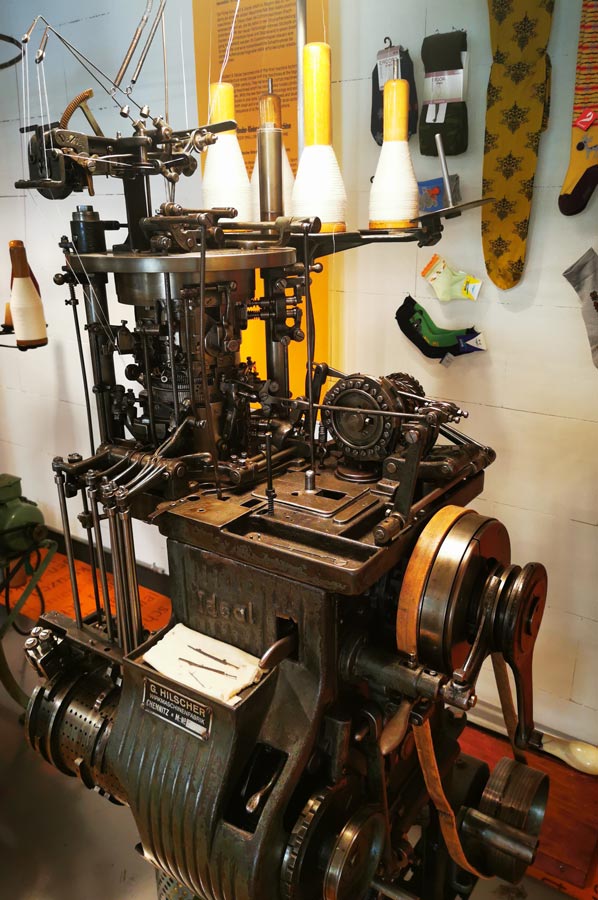 Since the mid-19th century, Chemnitz has also enjoyed a reputation as a center of mechanical engineering.
Starting in 1848, Johann von Zimmermann was the first in Germany to focus exclusively on the construction of machine tools in his company. Ridiculed by others, he was successful and was the first to operate a sustainable and long-term machine tool manufacturing business in Germany.
Chemnitz is home to the oldest machine tool factory in Saxony and one of the oldest in Germany: UNION Werkzeugmaschinen GmbH. It was founded in 1852 by David Gustav Diehl, a native of Alsace.
As early as 1850, 62 percent of all Saxon mechanical engineering factories were located in Chemnitz.
This made Chemnitz the cradle of German mechanical engineering and, until the end of World War II, the most important mechanical engineering location in Germany.
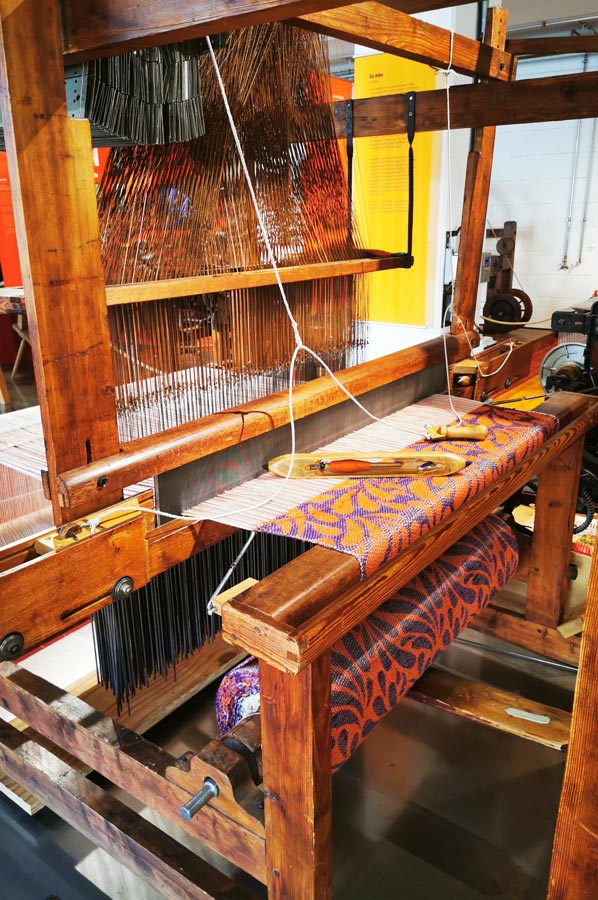 Over 100 medium-sized companies operate in this core sector. In addition, there are more than 500 mechanical engineering and supplier companies in the surrounding region.
The industry is characterized by an export quota of over 50 percent. Outstanding expertise in the Chemnitz area lies in the manufacture of tool, textile, and special-purpose machinery, as well as in automation technology.
More than 10,000 skilled workers are employed in this sector.
Companies worth mentioning here include SITEC Industrietechnologie, ESKA Schraubenwerke, Hydroforming Chemnitz, Anchor Lamina, Niles Simmons, and IAV Ingenieurgesellschaft.
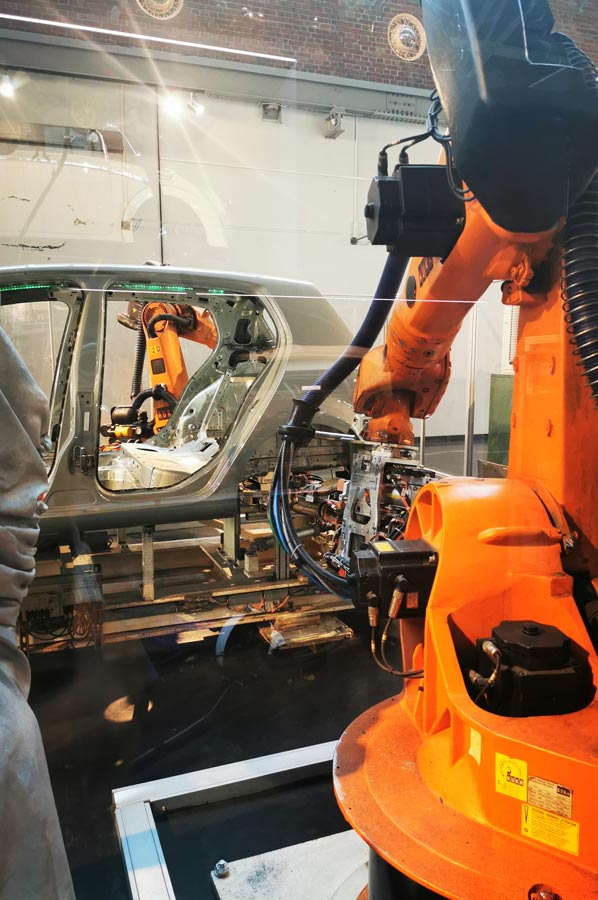
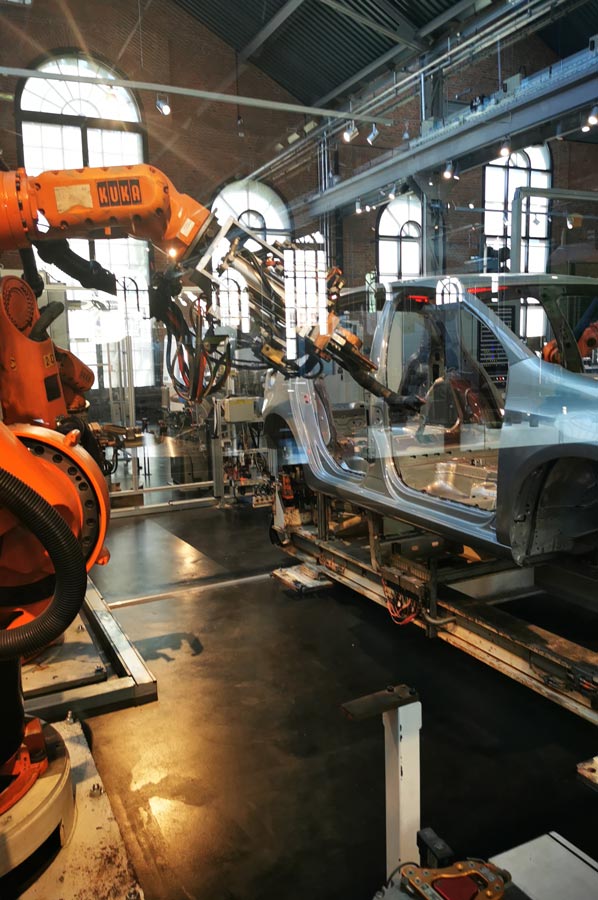
At the Chemnitz engine plant, a subsidiary of Volkswagen Sachsen GmbH, 3,400 engines and 3,000 balance shaft transmissions are manufactured daily.
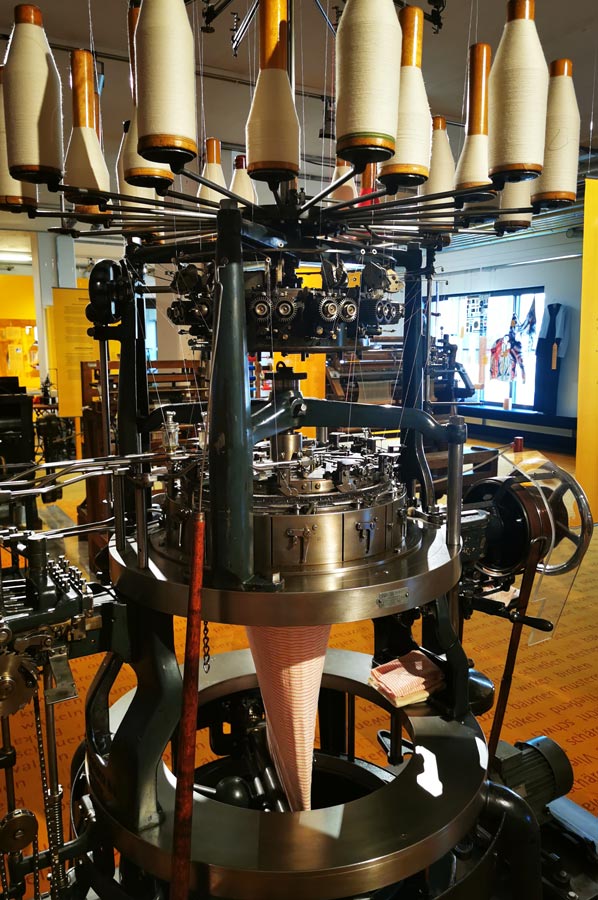 Architectural witnesses to this industrial development are the buildings of the Wanderer-Werke AG and the Presto-Werke, which Auto Union AG moved into in the 1930s, as well as the Schauplatz Eisenbahn (Railway Museum), the Museum of Saxon Vehicles in the historic Stern Garages, and the CVAG Tram Museum.
And at this point, unfortunately, a certain criticism of our stay during our visit as a Capital of Culture must be expressed:
It was difficult for non-local visitors to find the former Wanderer-Werke building, even though the online tour map explicitly mentions it.
A sign on the building itself would have been very helpful, as would at least the opening of part of the building with panels and pictures.
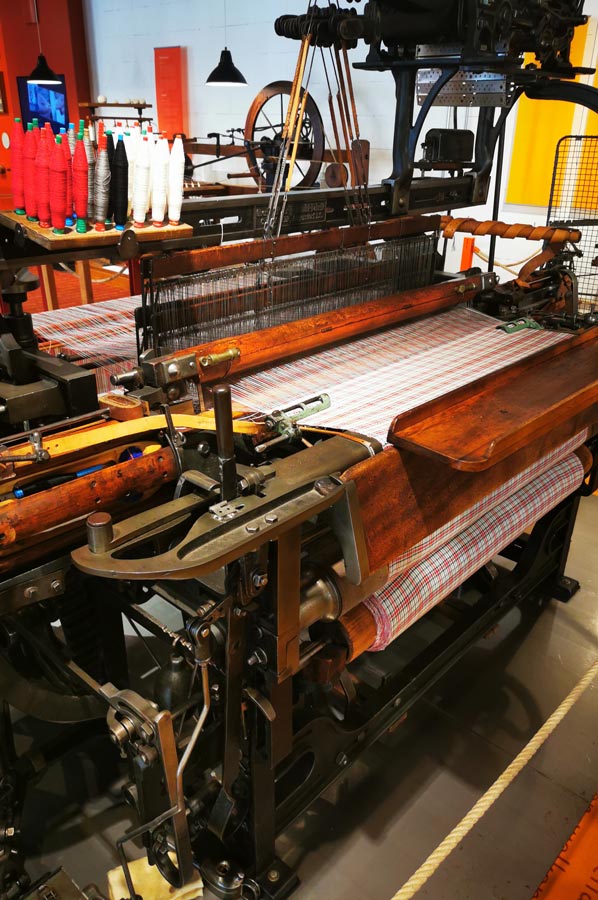 After the disappointment at the Wanderer factory, the destination of our tour was the "Museum of Saxon Vehicles" in the historic Stern Garages and the Tram Museum.
Unfortunately, it was closed on Sunday! Despite the title of "European Capital of Culture."
What a Shame!
Please read as well:
Oxford - George McGavin – former University entomologist
Dover - Once a Roman lighthouse - later part of the fortress