
Bergama - Narrow Streets Steeped in History
- Written by Portal Editor
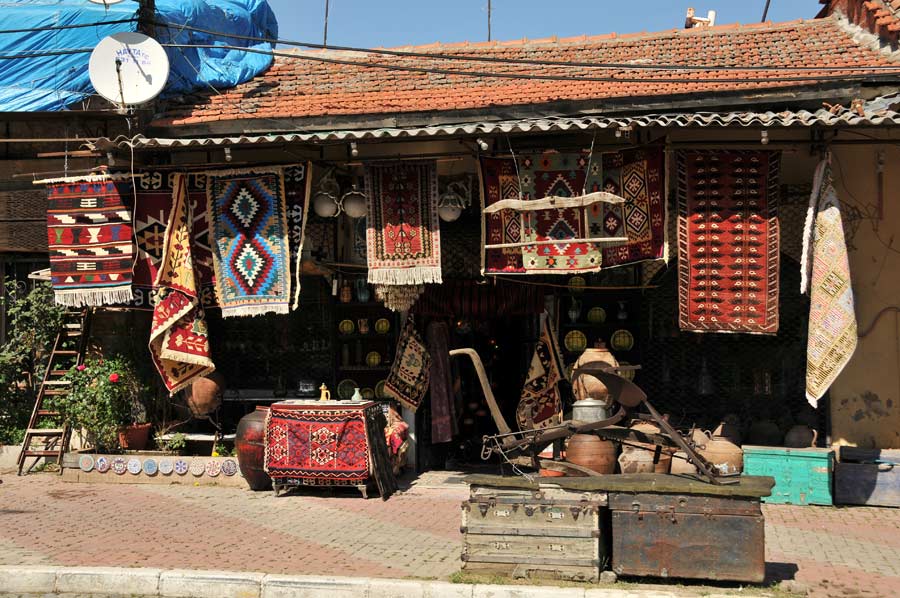
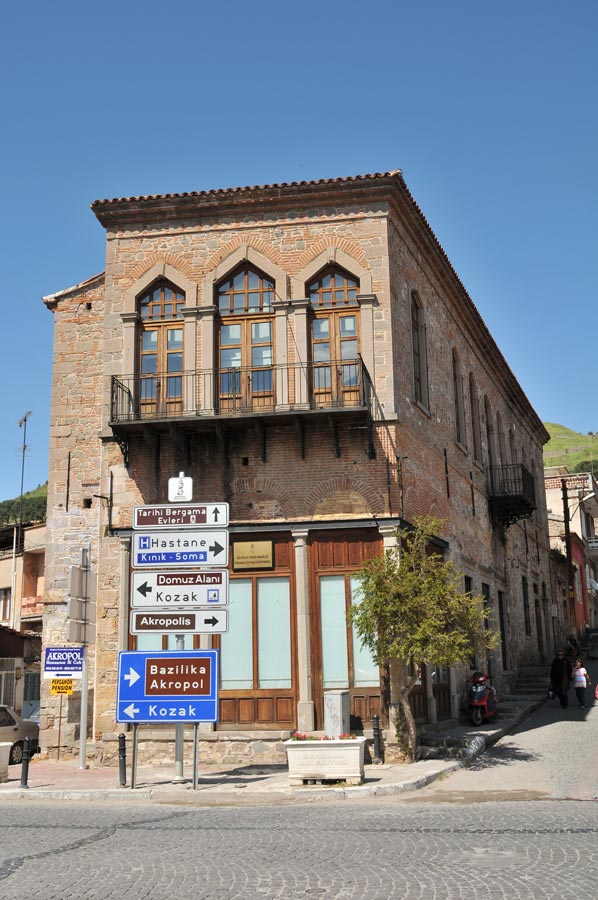
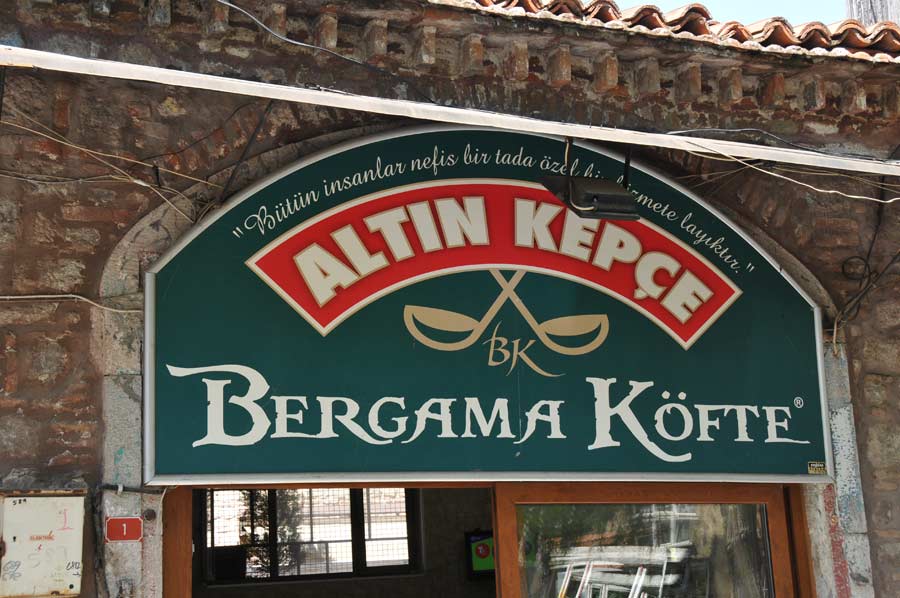
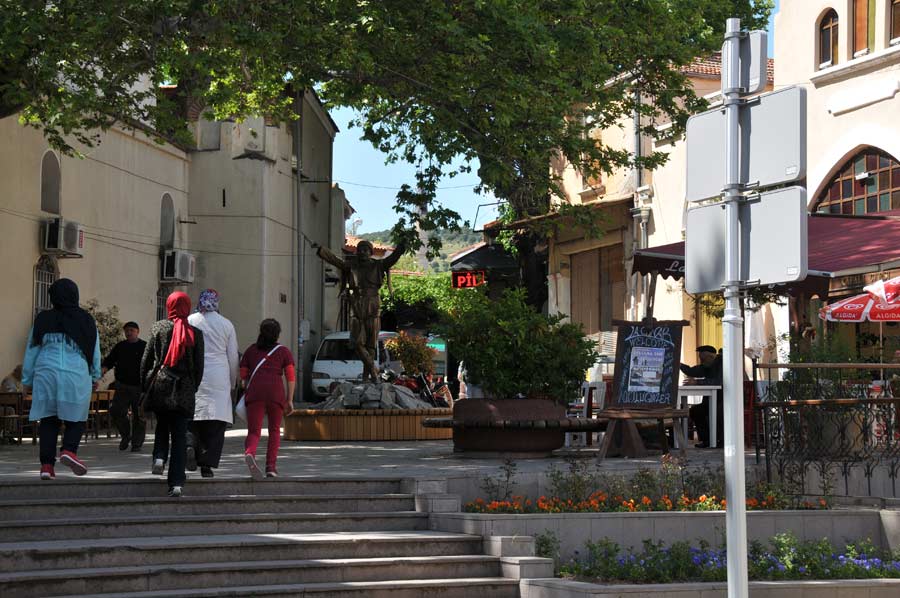
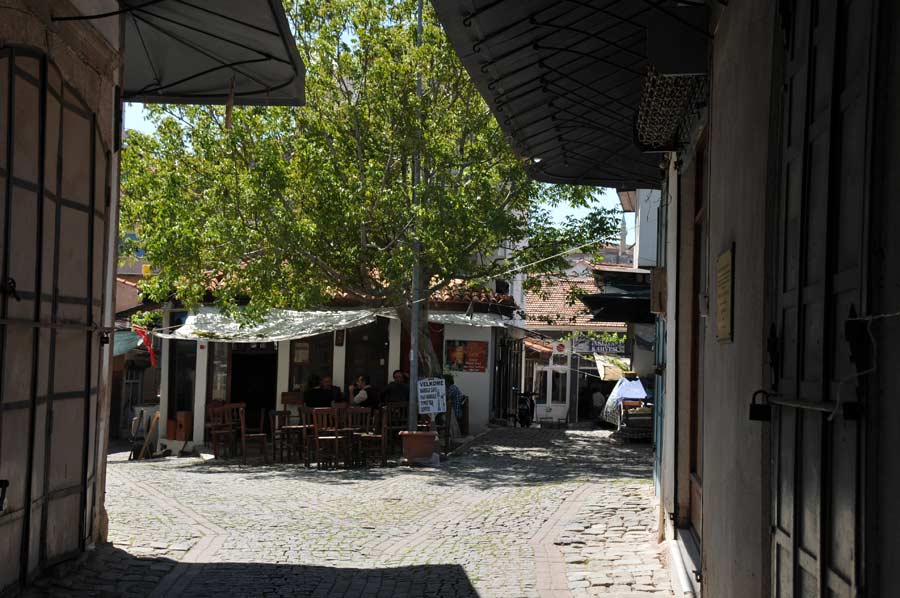
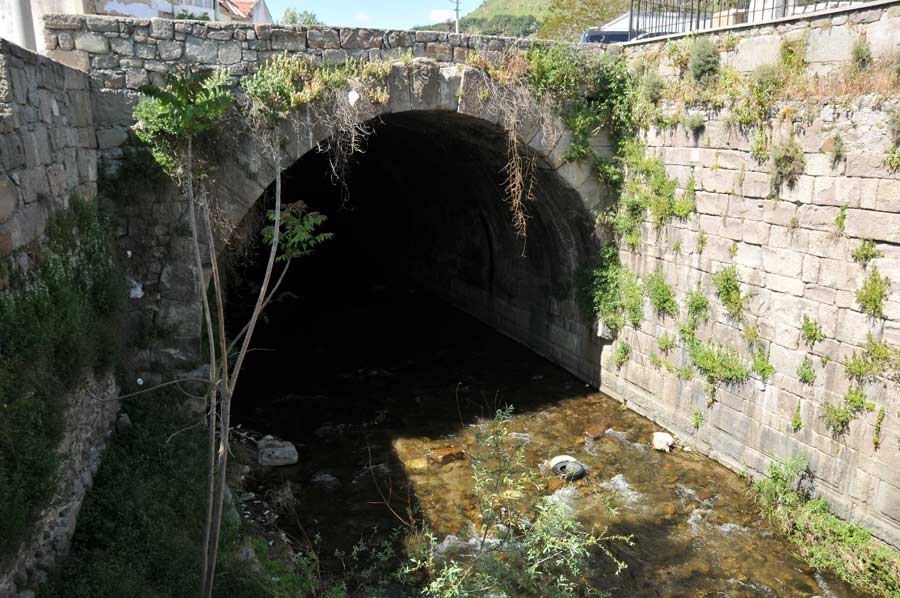
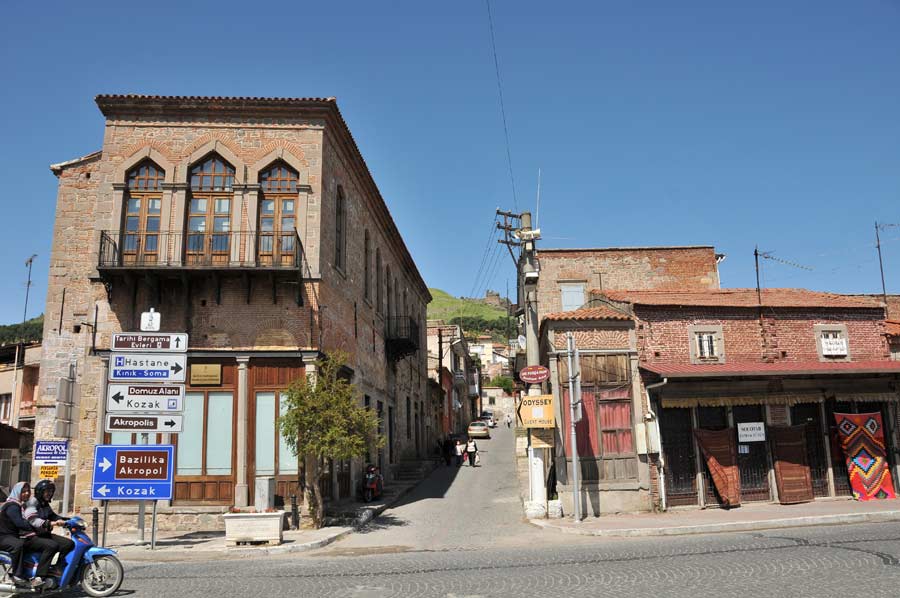
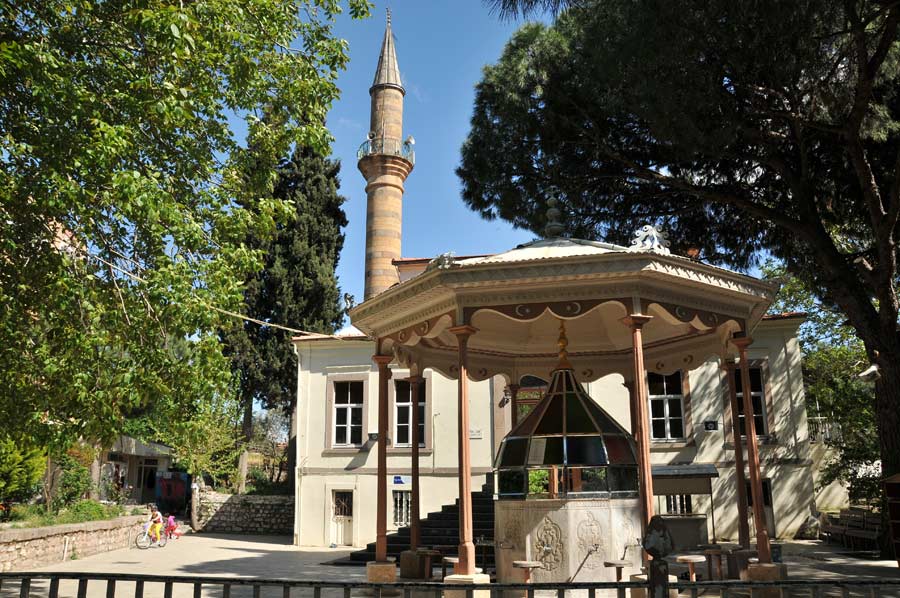
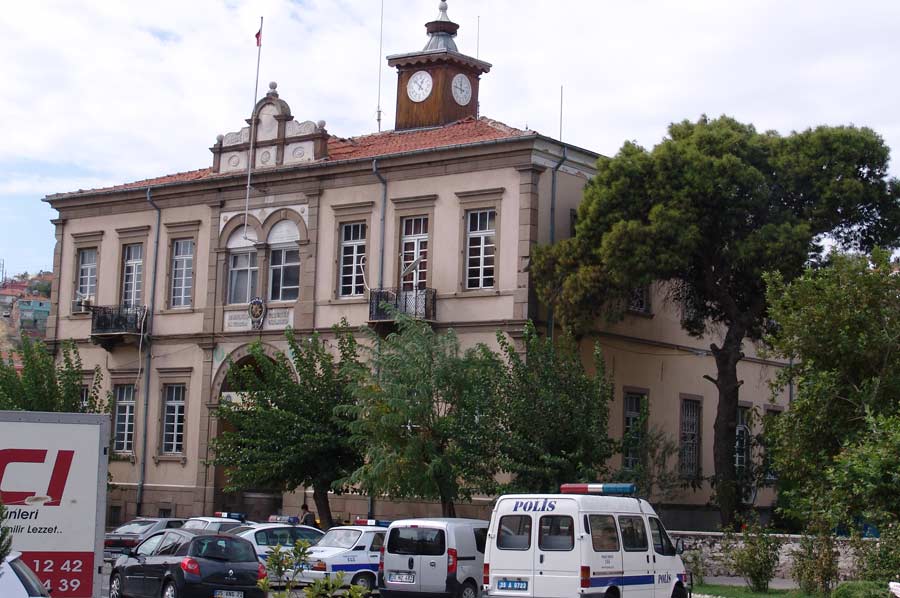
Bergama - The charming, lively provincial town of Bergama, with its 60,000 inhabitants, lies 30 km inland on the Bakır Çay (Kaikos) River, almost exactly 101 km from the metropolis of İzmir.
The town was founded on the ancient ruins of the world city of Pergamon. Agriculture is the primary activity in this fertile valley, and the Monday market, with its abundance of fruits and vegetables, is a feast for the eyes.
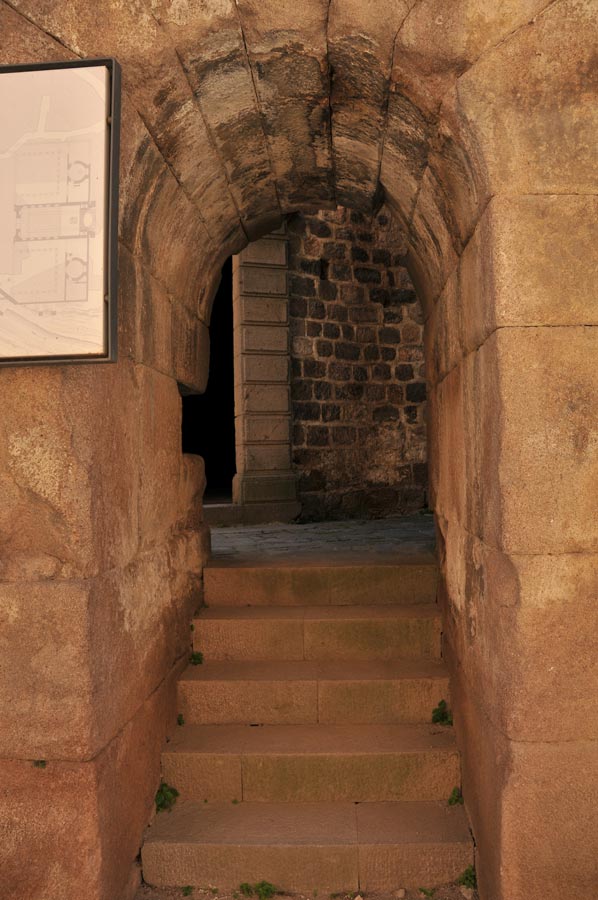 During the day, Bergama welcomes countless day-trippers who are taken by bus to ancient Pergamon, while after dusk, tranquillity and peace return.
For swimming, residents and tourists alike head to Dikili or Ayvalik.
However, Bergama is most famous under its ancient name, Pergamon. Before the Hellenistic era, beginning in the 3rd century BC, the city was a centre of the ancient Roman Empire. Pergamon was inhabited by Hittites, Frygians, Lydians, and Persians.
On the 335-meter-high hill, traces of past civilizations have accumulated layer upon layer.
 Most of the monuments and ruins that can be visited today in Bergama date from the time of the Hellenistic Dynasty (Dynasteia) under Philetairos (280–263 BC) and Eumenes I (263–241 BC), as well as the reigns of the kings (Basileia) Attalus I (241–197 BC), Eumenes II (197–159 BC), Attalus II Philadelphus (159–138 BC), and Attalus III Philomater (138–133 BC).
The Attalid dynasty, at its height, ruled over large parts of the Aegean region and was wealthy enough to commission magnificent works of art.
Pergamon can be divided into three sections for exploration, from north to south, or from the hilltop down to the valley: On the Acropolis, the citadel hill, once stood the famous Altar of Zeus, which can now be seen in the Pergamon Museum in Berlin.
 Palaces, cisterns, the library, the arsenal, the Trajanaeum, and the Temple of Athena belong to this upper complex next to Bergama. The tour begins at the ticket office (daily 8:30 a.m. to 6:00 p.m., admission €8).
After the Lower Agora, you will find the Gymnasium (high school), the Roman baths, and the Heroon, the Temple of Hera. The Sacred Way leads to the Temple of Demeter. In front of the Acropolis and the Upper Agora is the steeply built theatre. From there, you reach the site where the Altar of Zeus once stood.
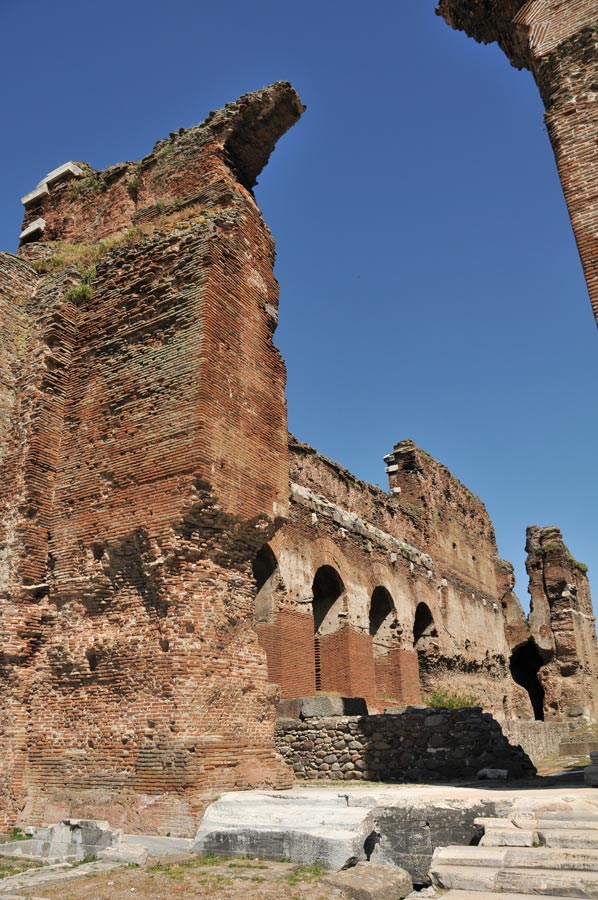
Next come the library, the adjacent Temple of Athena, the partially restored Temple of Trajan, the barracks, and the gardens. Down in the city, you can visit the Red Hall and the Museum of Bergama.
Please also read:
The Red Basilica of Bergama / Pergamon
Thermal baths of the ancient Romans - example Sardis
-
 Bergama - Hike through the City
Bergama - Hike through the City
Bergama - Hike through the City
-
Bergama - Hike through the City
Bergama - Hike through the City
-
Bergama - Hike through the City
Bergama - Hike through the City
-
 Bergama - Hike through the City
Bergama - Hike through the City
Bergama - Hike through the City
-
Bergama - Hike through the City
Bergama - Hike through the City
-
Bergama - Hike through the City
Bergama - Hike through the City
-
Bergama - Hike through the City
Bergama - Hike through the City
-
Bergama - Hike through the City
Bergama - Hike through the City
-
Bergama - Hike through the City
Bergama - Hike through the City
-
Bergama - Hike through the City
Bergama - Hike through the City
-
Bergama - Hike through the City
Bergama - Hike through the City
-
Bergama - Hike through the City
Bergama - Hike through the City
-
Bergama - Hike through the City
Bergama - Hike through the City
-
Bergama - Hike through the City
Bergama - Hike through the City
-
Bergama - Hike through the City
Bergama - Hike through the City
-
Bergama - Hike through the City
Bergama - Hike through the City
-
Bergama - Hike through the City
Bergama - Hike through the City
-
Bergama - Hike through the City
Bergama - Hike through the City
https://www.alaturka.info/en/turkey-country/aegean/7039-bergama-narrow-streets-steeped?layout=default&print=1&tmpl=component#sigProId9c84557d79