
Silverio de Luca Square – a special tribute in Wittmund
- Written by Portal Editor
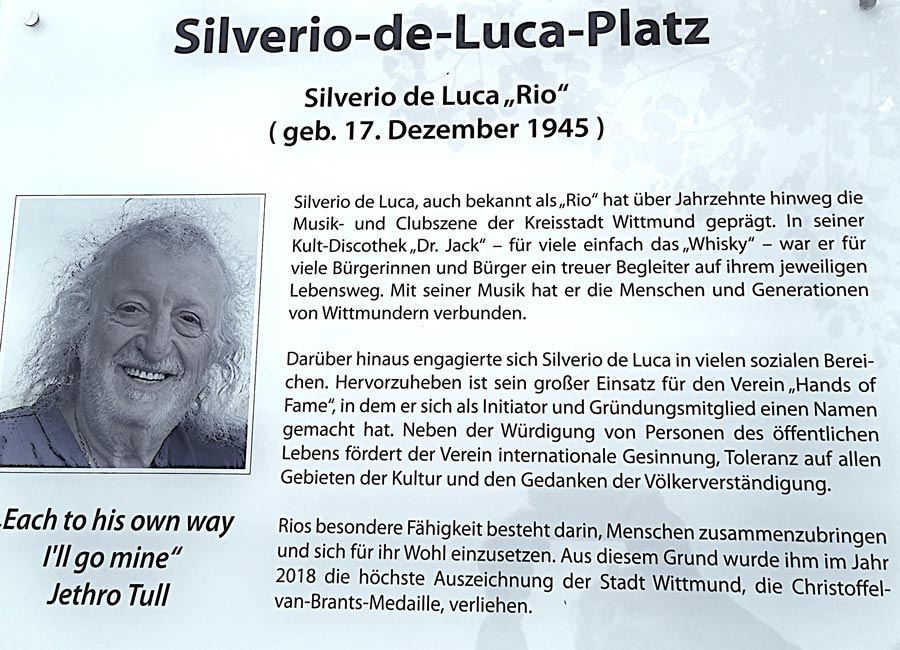
Silverio de Luca Square – When an acquaintance develops into a friendship over the years and then lasts for more than 50 years, it must be something special in itself.
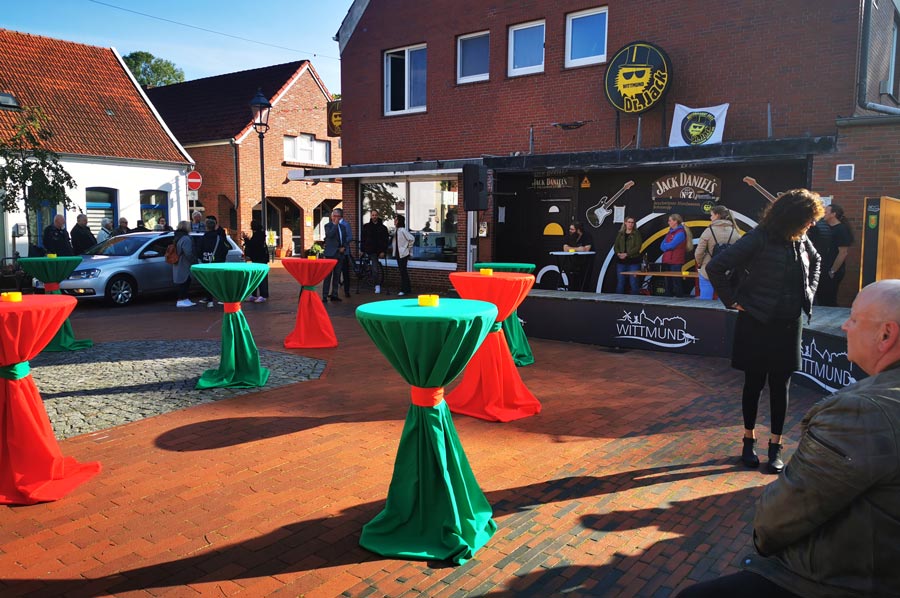
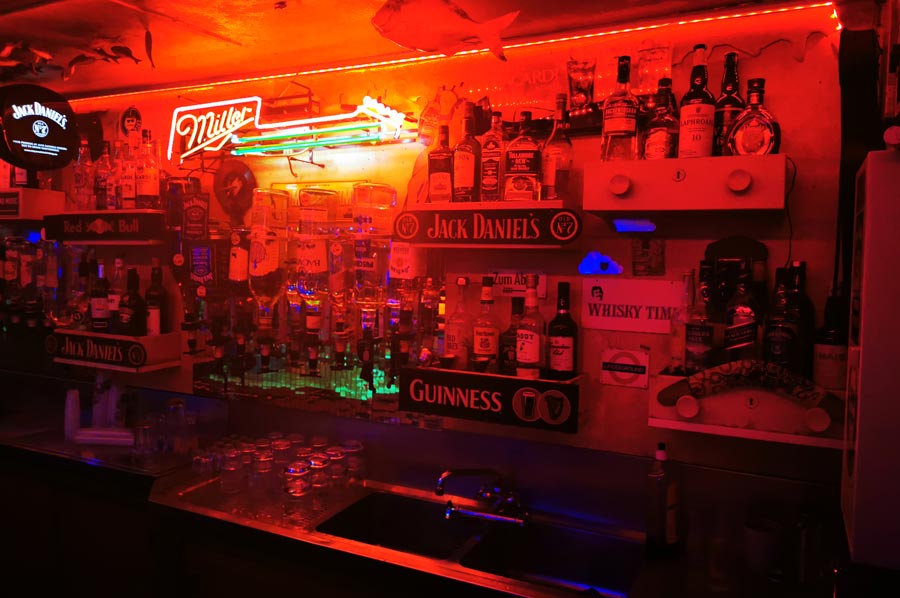
When this friend is then given the special honour of having a square named after him, it's clear that one would want to attend this event, despite the great distance. And now the time has come: The square in front of the former "place of the action," the Whisky a Go Go and later Dr. Jack, will be named after him, Rio de Luca. It can even be found on Google Maps: Silverio de Luca Square in Wittmund!
Silverio de Luca Square - A Look Back at the 1970s in Music History
 A discotheque was essentially "just" a restaurant where "dance events" were held regularly, especially on weekends, with the "dance music" being played by a DJ from recordings, initially only from records. So much for the simple definition of the term. It's important to note that, especially in the 1960s, there were major problems in "providing young people" with their "new" music. Record stores only arrived in small towns, including Wittmund, in the late 1960s and early 1970s. The DJ thus played a special role, as he was the contact to the big, wide world of music, especially English-language "new" music. The difficult acquisition of the first records by English-speaking artists, not to mention "bands," some of which could only be obtained directly from England, had to be checked in the index and cleared through customs. The state paid attention to the textual content of the media, something we would sometimes wish for today (freedom of speech?).
 Fortunately for us, in addition to Silverio de Luca, better Rio, there were the first offshore pirate radio stations, which, when they launched, took advantage of legal broadcasting opportunities in the international waters of the North Sea. In a famous commentary on the shutdown of "Radio Caroline," a ship's DJ even referred to it as a "criminal act by the English government." Only over the years did the term "Piratensender" (Pirate Sender) also become used in German-speaking countries for land-based illegal radio stations, often in the border region with the Netherlands. Even today, the term "piróótje," a diminutive of "piróót" (pirate), is still used in East Frisian.
In Germany, the memory of these musicians, who, with their work from the high seas, can be considered the founders of today's diverse European radio landscape, is almost completely missing. In the 1960s and 1970s, the Netherlands was the home base for various pirate radio stations, such as Radio Veronica and Radio Nordsee International (RNI), which broadcast from ships outside of territorial waters.
 Over time, the DJs achieved pop star status. Well-known DJs included Kenny Everett, Tony Blackburn, John Peel, Tommy Vance, Johnnie Walker, and Dave Lee Travis, while Rio de Luca also became known far beyond the borders of Lower Saxony.
Although there was eventually a Beatclub on Radio Bremen TV, the time with Uschi Nerke, and later with Dave Lee Travis, remains particularly memorable, unfortunately, with the technology of the time (no recording capability on TV), it was almost impossible to record the presented music using a microphone and tape recorder without interference (background noise), which was actually "only" needed for language lessons at school. Then finally came the first singles, but unfortunately no record player of our own, so listening to music was only possible in the parents' living room, because that's where the record player was installed, and it usually only played "Drei Hohe Tannen". How often did the saying come up: This half-wild music is going to break our records. In general, hair got longer, people wore jeans, initially secretly swapped for pleated trousers in the morning at a friend's with the tolerant parents, then the brightly painted Parker jacket came into its own. How good that Silverio de Luca Square / Rio existed, because here they only played "our" music, and met like-minded people, often to the discomfort of their parents: What will become of these young people?
The DJ becomes more than just a record announcer, and so does Rio.
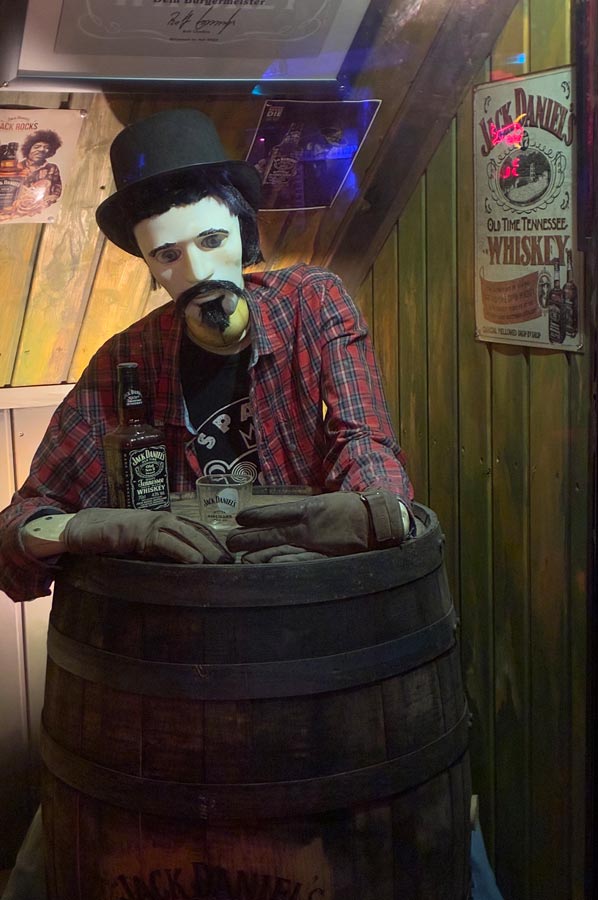 In the mid- and late 1960s, the first DJs began to emancipate themselves from the role of mere record spinners, to use a modern term. While they had previously played one song after another and hosted the shows in between, it was Rio de Luca who also played at the Whisky and began to expand the musical repertoire by constantly introducing new bands, introducing a hit parade of progressive music, and years later, an oldies night. Always coupled with plenty of information about live events from the scene.
How often did the saying come up back then: "Go to a live concert by...", "I can't leave the place," when, as was the case with "The Lamb Lies Down on Broadway" in 1975, it was announced that there would be new lighting effects in the Genesis show. And how often did we discuss whether and what we could "make" ourselves, drove to Musik Produktiv in Ibbenbüren, and then left again due to the cost shock. Then it was time to tinker. What hardly anyone knows.
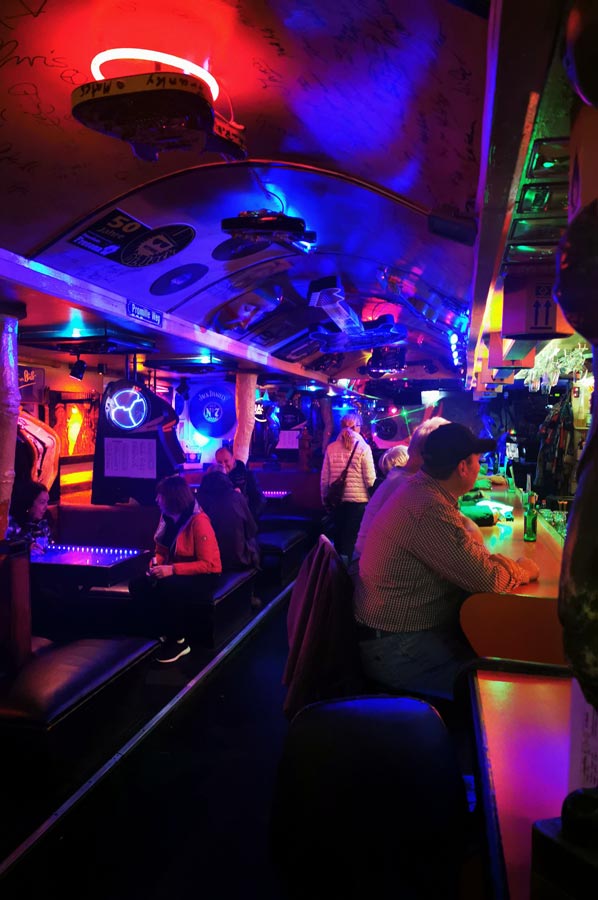
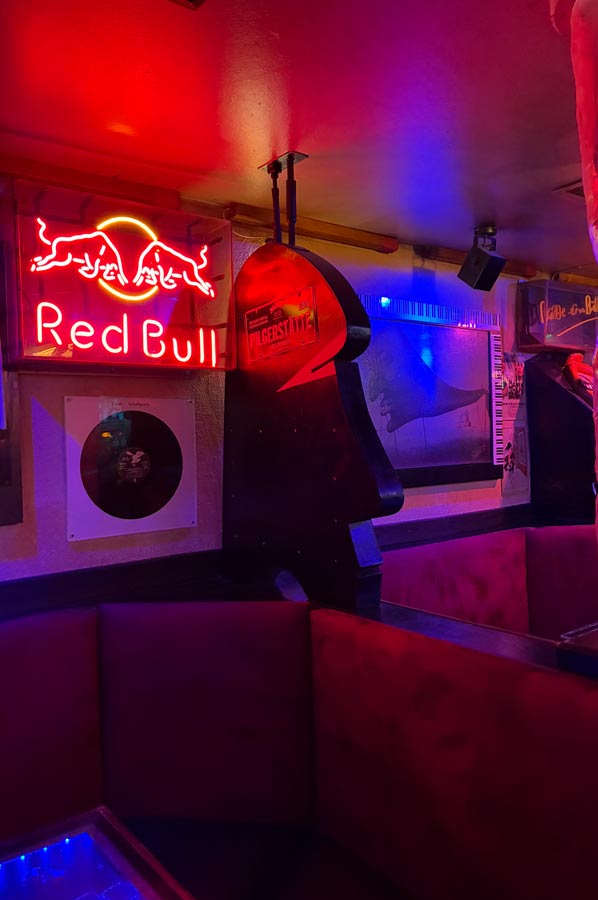
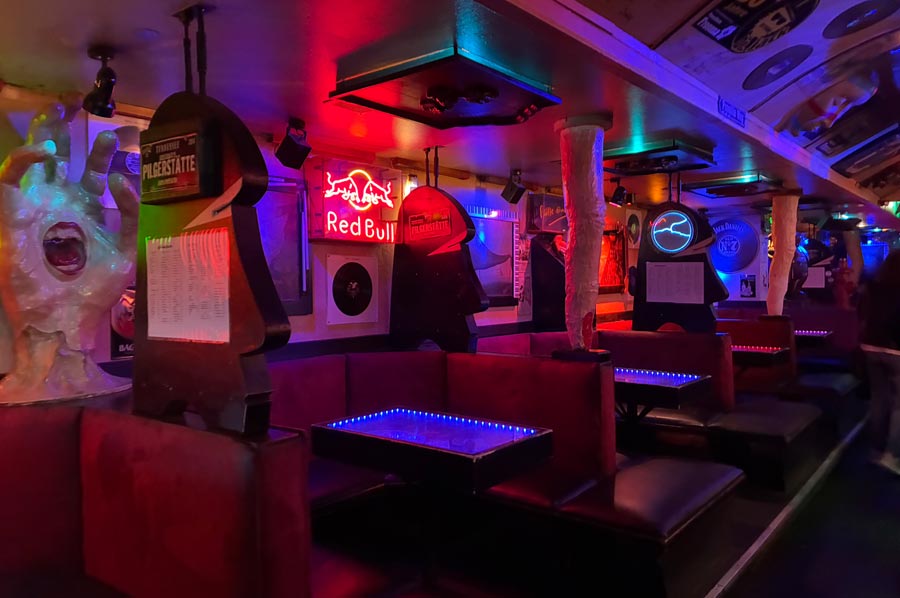
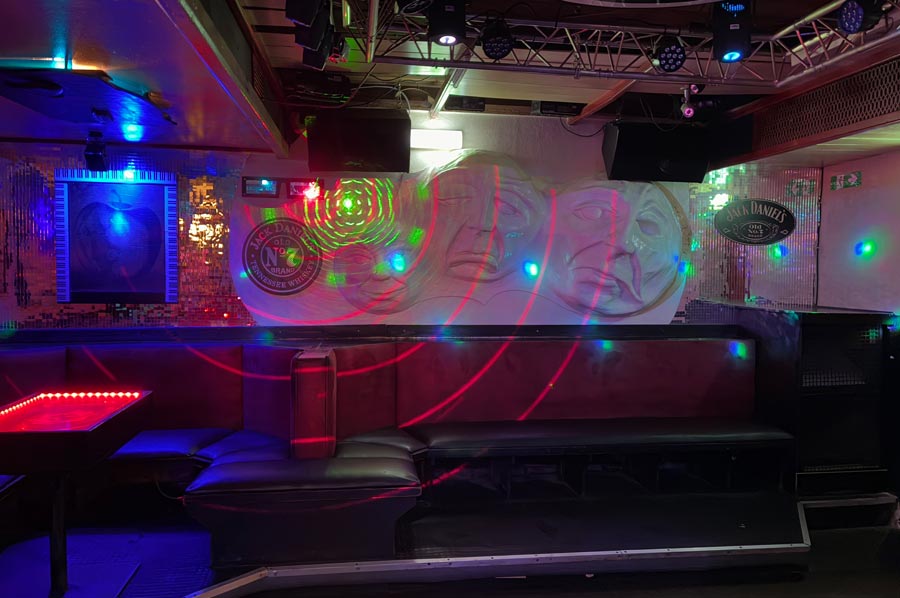
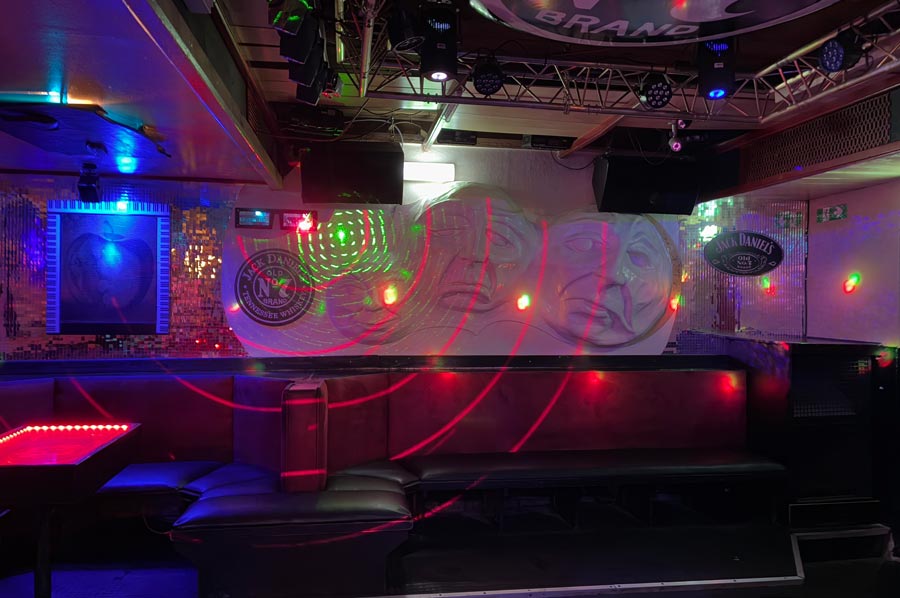
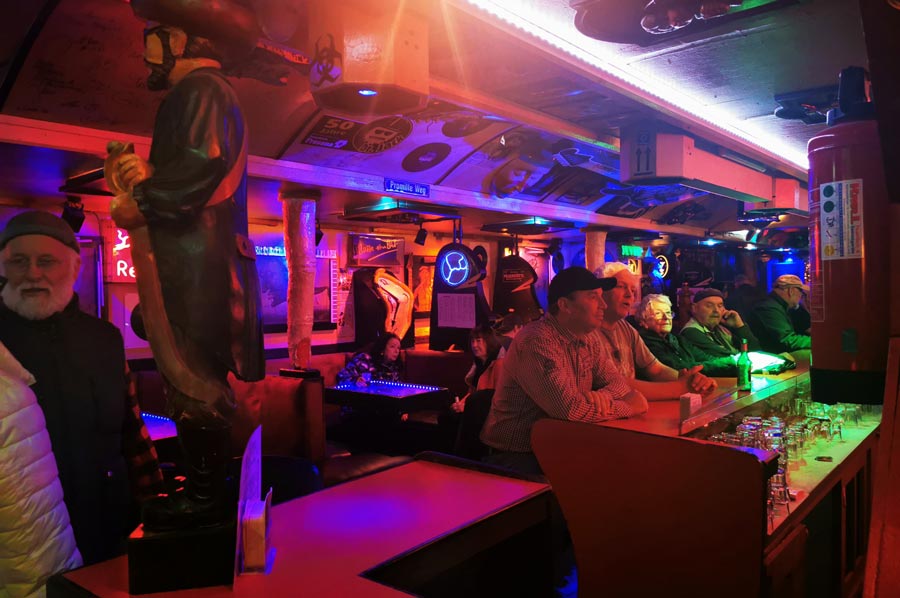
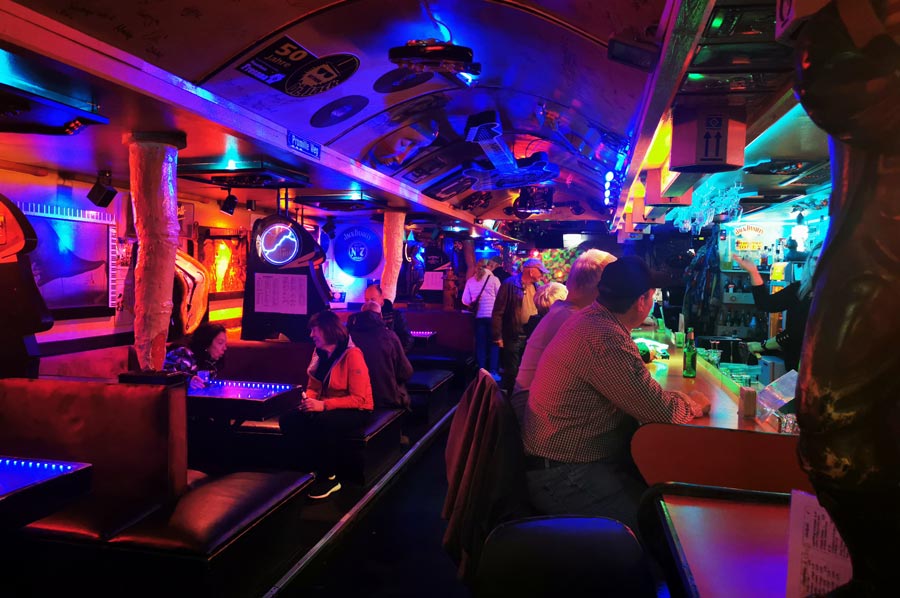
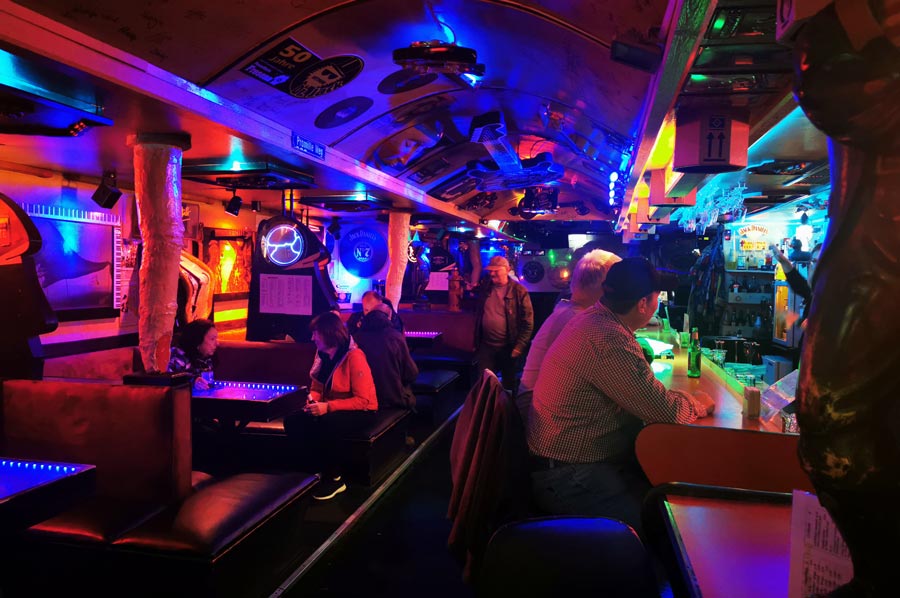
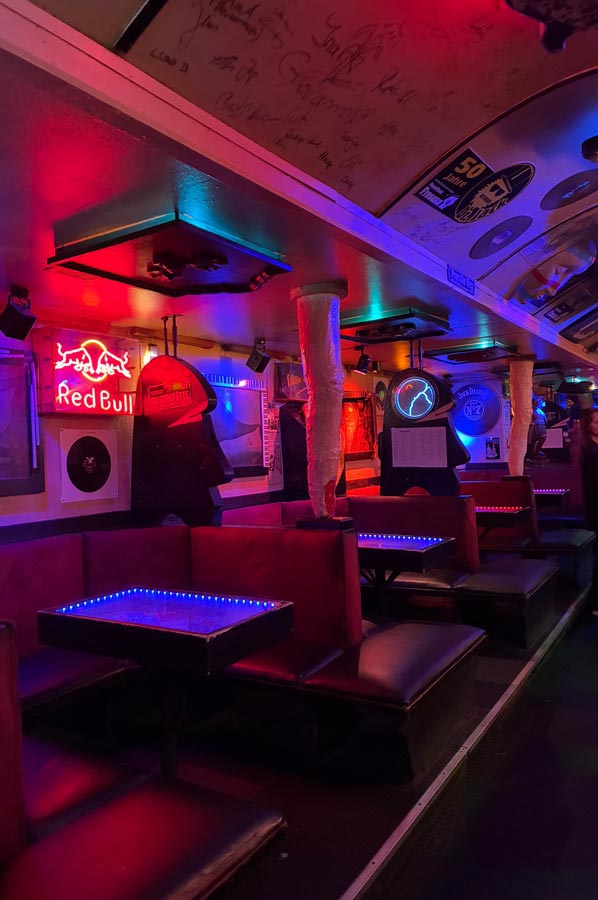 Then came the changes in the shop, as Rio called them. Always from Monday night (after "closing time at the Whisky") to Wednesday, at 8 p.m. at the latest, because that's when it opened again and the customers arrived. Sometimes it was individual figures like the heads of the Moai, which at the time were equipped with a light from within, creating a play of light in the cigarette smoke outside.
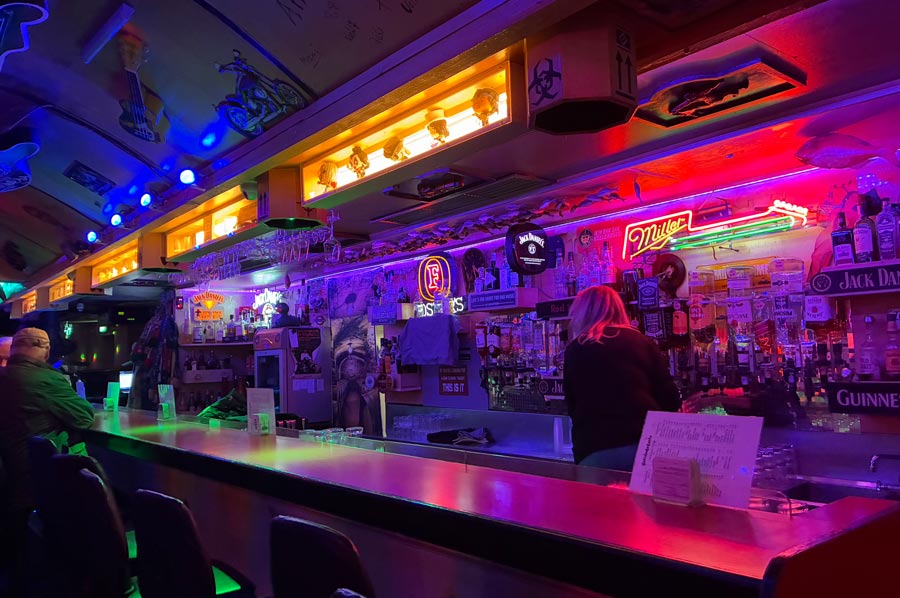
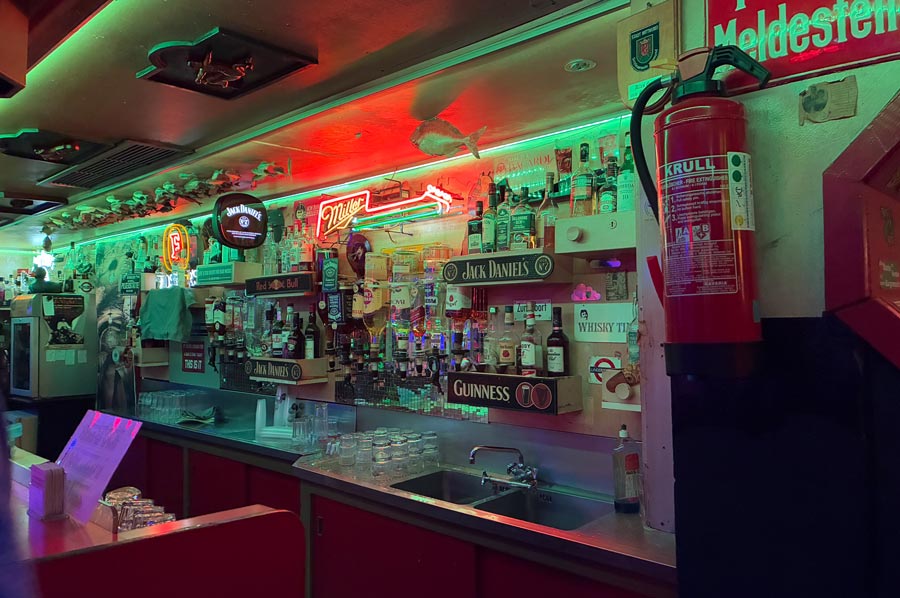
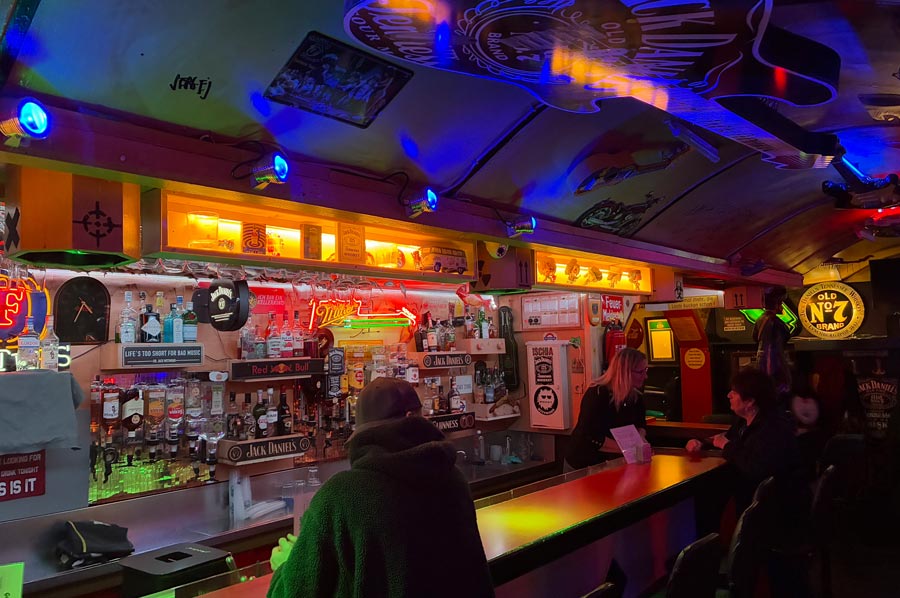
Then it was the circular ceiling in the hallway, then the back wall of the counter with its drawers, which have undergone many changes over time but still exist today. Then the shadow figure of the guitarist, etc., there were constant changes in the shop.
How well do we still remember how, on a Friday evening in 1980, it was announced that Pink Floyd was coming to the Westfalenhalle in Dortmund.
 That same night, existing contacts in the scene were utilized and tickets were ordered, until a year later, the time finally came. Nine of them went to Dortmund with Silverio de Luca Square / Rio, and how proudly and how often they showed off the piece of the wall they had brought with them from their concert "The Wall," even 30 years later! The tour was relatively short compared to the band's previous tours, comprising only 31 shows at four venues in England, the USA, and Germany. "The Wall" was characterized by its extensive use of stage theatrics, particularly a huge wall made of cuboid cardboard bricks that stretched across the stage—in the Westfalenhalle, seemingly across the entire hall—to convey the sense of alienation that is present both on the album and influenced Roger Waters' personal relationship with the group's fans at the time. A piece of this can be found in Rio.
The cost of the tour was estimated at $1.5 million even before the premiere, an insane amount of money at the time. For this reason, the show was performed a total of only 31 times in four cities worldwide: Los Angeles (7 shows), Uniondale (5 shows), Dortmund (8 shows), and London (11 shows).
We could endlessly continue these stories, which have led us to the former "greats" of music, whether Deep Purple, Mike and the Mechanics, Jethro Tull, U2, Simple Minds, and many more, or even Steve Hackett, who, by the way, will be giving a few more concerts in Germany in 2026.
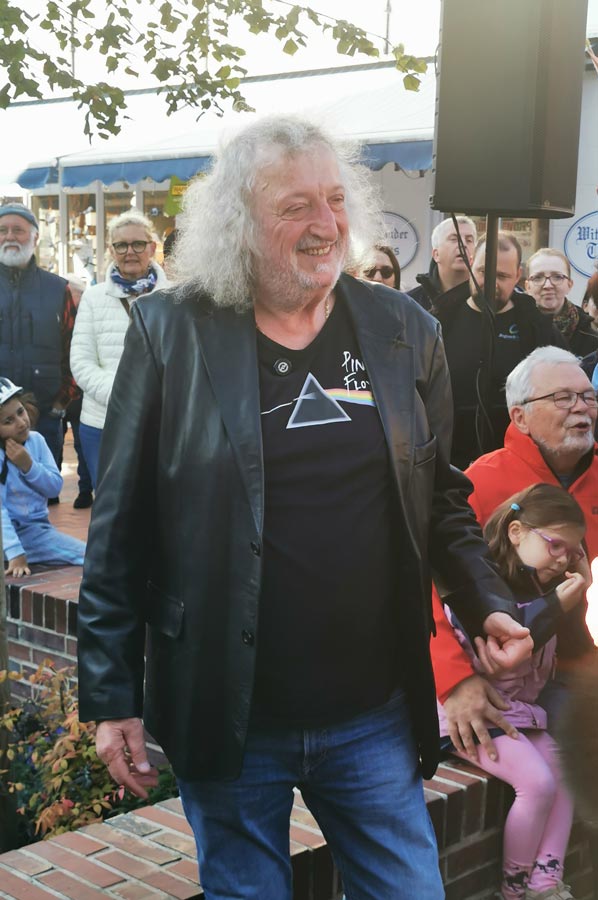
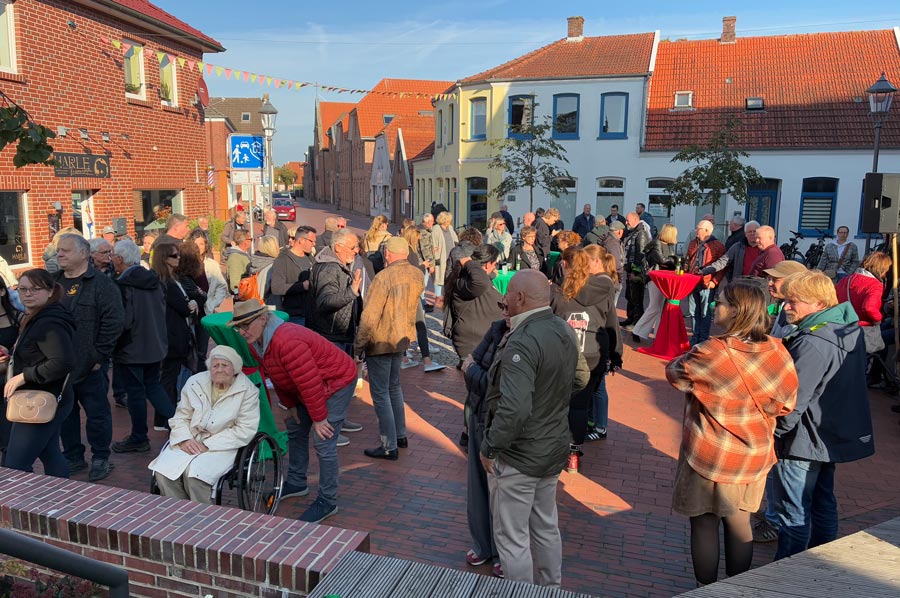
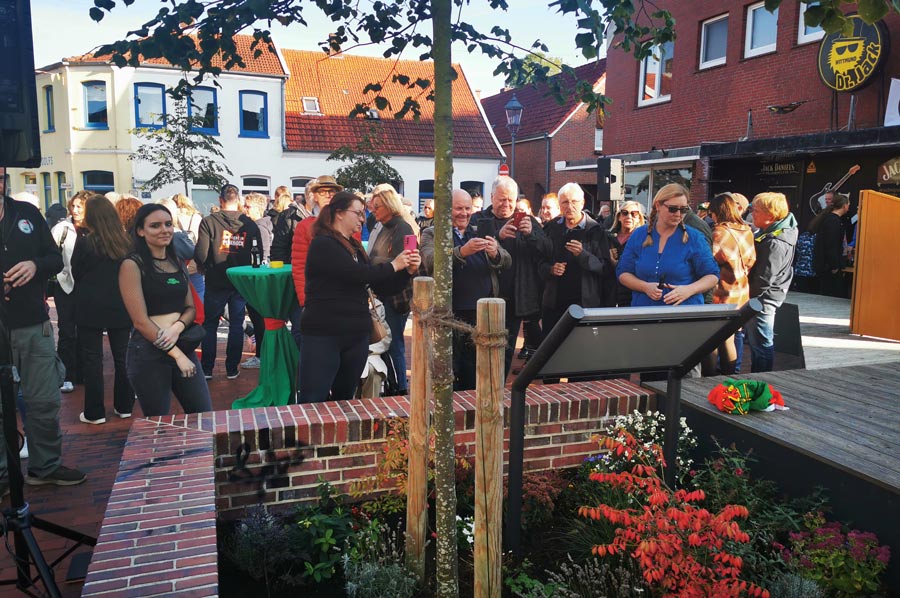
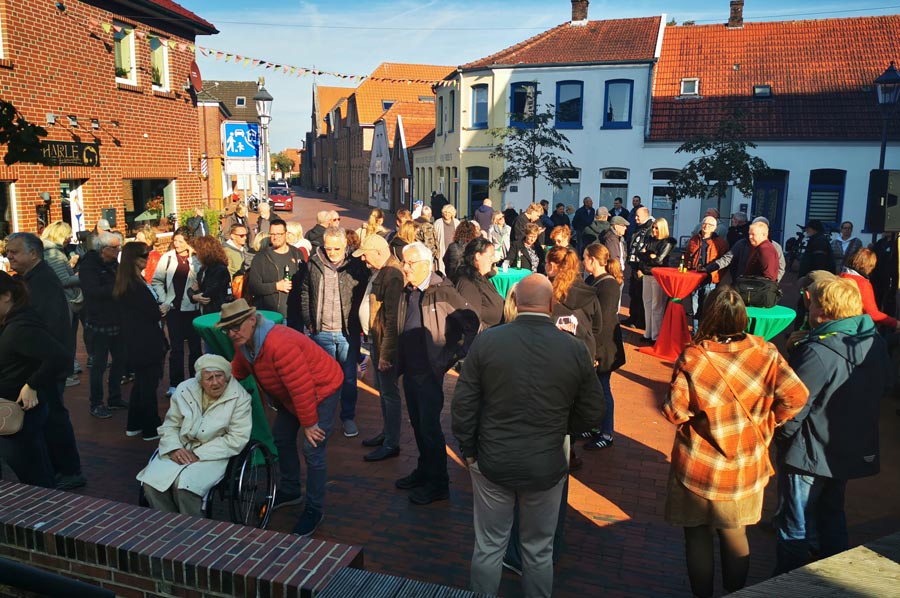
 A piece of musical and cultural history that has repeatedly led us to Rio, and now once again to the renaming of the square, Silverio-de-Luca-Platz. And how many former and young-at-heart guests came to the celebration to honour Rio and July.
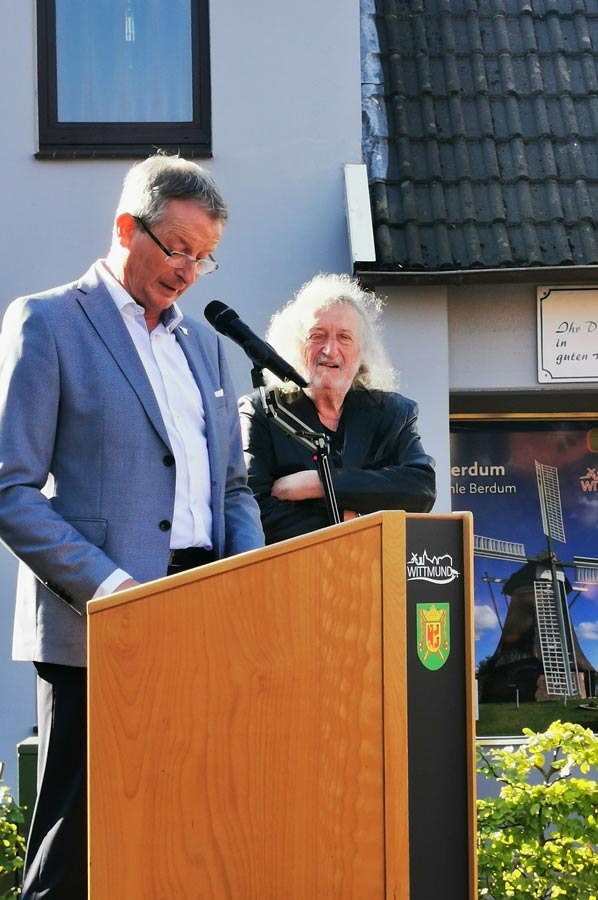
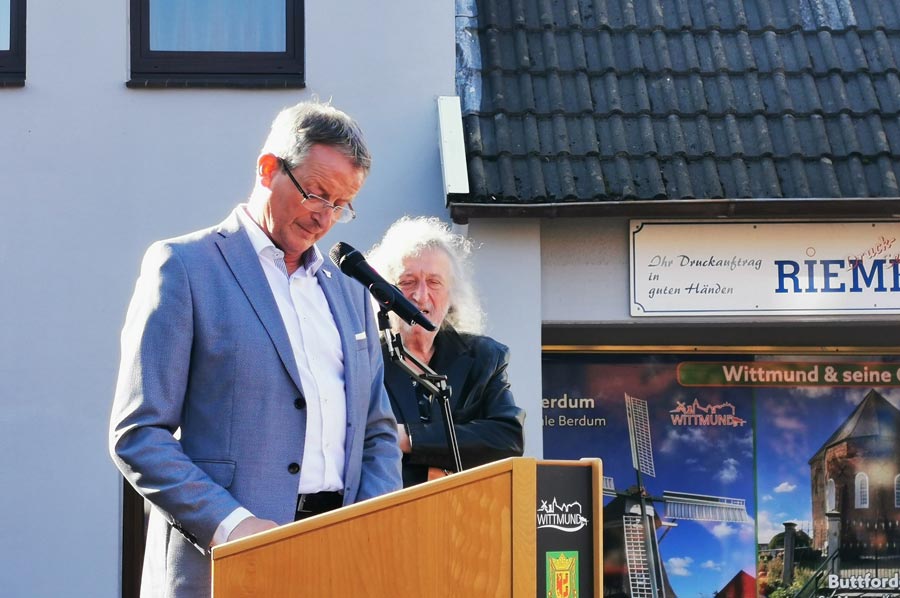
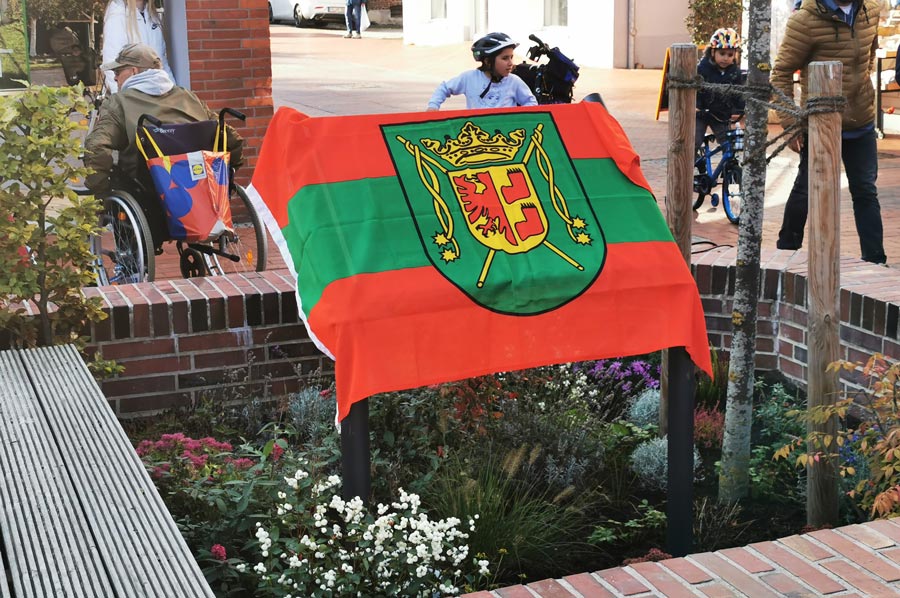
After a fitting speech by the mayor of Wittmund, Rolf Claußen, the whiskey veteran "Klaus," Rio followed with a few words of thanks before the unveiling of the monument bearing the name.
Followed by touching moments of a friendship spanning over 50 years with many highlights and formative moments that will remain unforgettable!
Please read as well:
Selimiye - Another world - the tourist town in Side
Museum of Jever - Break On Through to the Other Side!
-
 Place naming Rio de Luca
Place naming Rio de Luca
Place naming Rio de Luca
-
 Place naming Rio de Luca
Place naming Rio de Luca
Place naming Rio de Luca
-
Place naming Rio de Luca
Place naming Rio de Luca
-
Place naming Rio de Luca
Place naming Rio de Luca
-
Place naming Rio de Luca
Place naming Rio de Luca
-
Place naming Rio de Luca
Place naming Rio de Luca
-
Place naming Rio de Luca
Place naming Rio de Luca
-
Place naming Rio de Luca
Place naming Rio de Luca
-
Place naming Rio de Luca
Place naming Rio de Luca
-
Place naming Rio de Luca
Place naming Rio de Luca
-
Place naming Rio de Luca
Place naming Rio de Luca
-
Place naming Rio de Luca
Place naming Rio de Luca
-
Place naming Rio de Luca
Place naming Rio de Luca
-
Place naming Rio de Luca
Place naming Rio de Luca
-
Place naming Rio de Luca
Place naming Rio de Luca
https://www.alaturka.info/en/culture/music/7011-silverio-de-luca-square?layout=default&print=1&tmpl=component#sigProId1bf2e410ee