
Chocolate from Zurich – a delight even on the go
- Written by Portal Editor
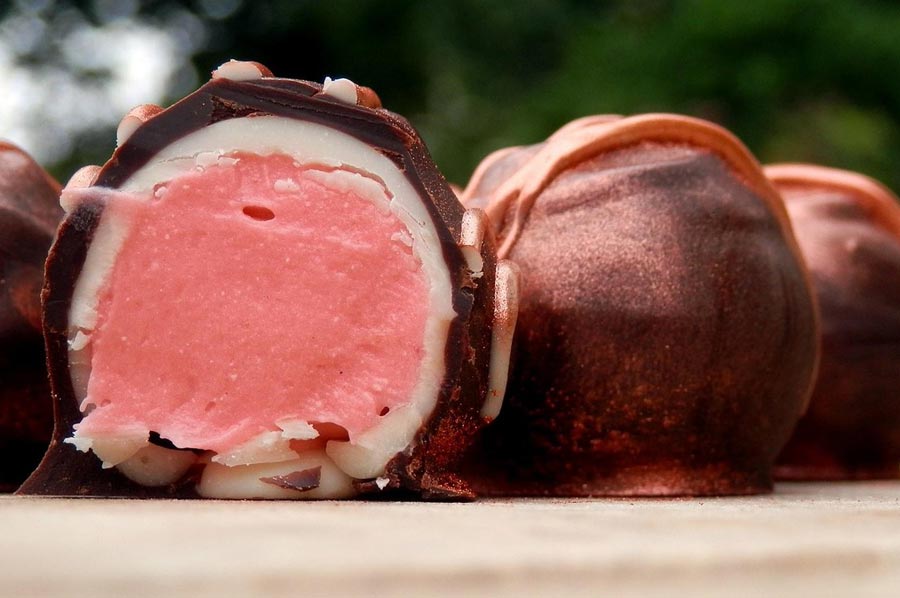
Chocolate – One of the first things we think about when choosing a destination during our tours is always to point out, explain, and photograph the special features of the place. Of course, because what could be more important in the spirit of the travel and culture portal alaturka?
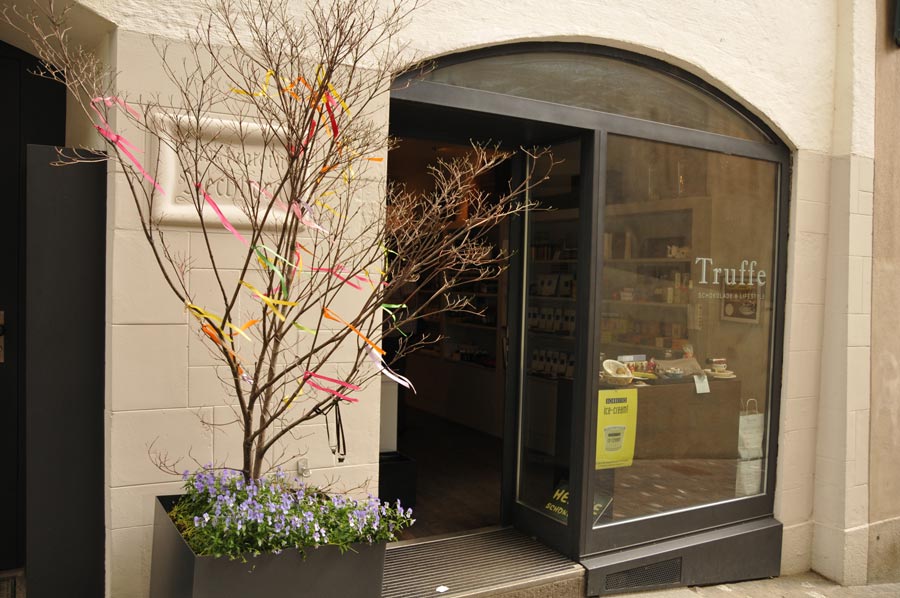
During our first stay in Yverdon, Switzerland, we visited several, mostly small, chocolate factories and were convinced of their quality through tasting. Now we wanted to continue the tasting in Zurich, as Zurich in particular is considered a mecca for Swiss cacao products, which is known worldwide for its high quality and reputation.
 Switzerland has a very long tradition of chocolate production and is known for its innovative recipes and the constant improvement of its production processes. As recently as the early 19th century, it was sold in pharmacies as a tonic.
To date, there is no evidence that chocolate, despite being so delicious, could cause physical dependence or addiction. Even the evidence of mood-enhancing effects of various ingredients in it isn't sufficient to explain the positive effects of eating chocolate, so psychological causes must also be considered. But first, a brief excursion into history.
Christopher Columbus and Heinrich Stollwerck - Cocoa Beans and Cacao
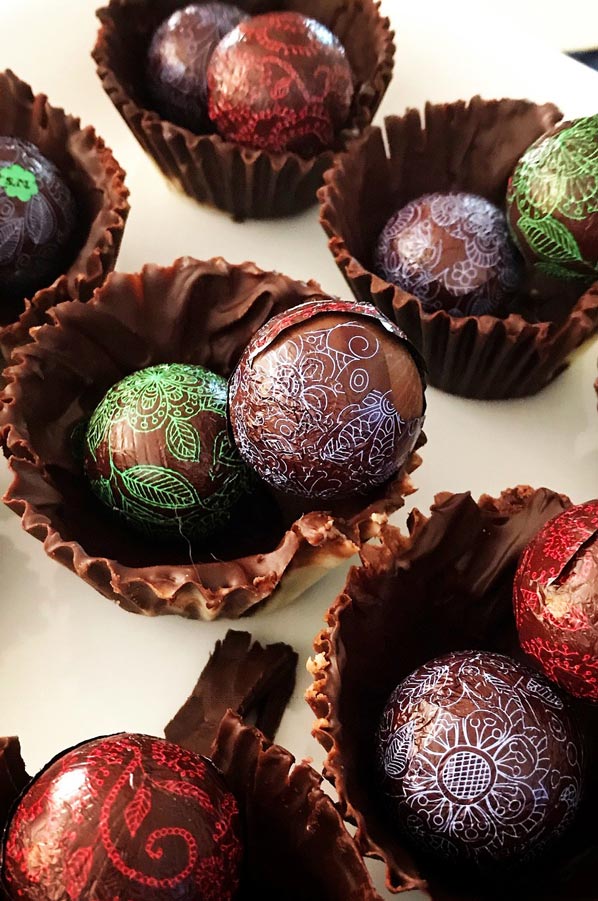 In the 16th century, the first Spanish conquerors in Mexico encountered an interesting beverage consisting of a mixture of water, cocoa, vanilla, and cayenne pepper. This beverage also reached Europe, albeit without any real understanding of cocoa itself.
Christopher Columbus brought the first cocoa beans from America, although at the time, they weren't really used. In 1528, Hernán Cortés brought cocoa to Europe. However, the cocoa was inedible in its unprocessed state. Only after the addition of honey and cane sugar did the ground cocoa beans become a beverage with growing popularity.
However, there was still a long way to go before the first chocolate bar was made. Industrial production is technically demanding, making it difficult to provide a recipe for producing high-quality chocolate on a small scale, as the cocoa beans must first be processed into cocoa mass.
 This cocoa mass is then finely ground in roller mills, ensuring that the added sugar crystals, in particular, are ground as finely as possible. The main goal is to eliminate the so-called grittiness of the chocolate mass in the mouth caused by large particles. This is where Heinrich Stollwerck, son of Franz Stollwerck and a mechanical engineer, came into play. He received the Imperial patent for his five-roll mill in 1873. This design produced a finer grinding result and processed twice to four times the amount of cocoa mass in the same amount of time. In the so-called conches (we spontaneously remembered the advertisements for conching), the chocolate mass is then heated and ground. This originally took place in flat, tub-shaped containers with rotating and oscillating rollers. Conching took up to 90 hours. Modern technology has made it possible to significantly shorten this process, which reduces moisture, unlocks the aroma, and removes unwanted flavour components.
There are so many things you can learn in a chocolate factory.
Some of the most famous Swiss chocolate brands are:
Lindt & Sprüngli: Known for their chocolate products and the Lindt Home of Chocolate Museum.
Cailler: The oldest existing brand in Switzerland, produced at Maison Cailler in Gruyères.
Frey: A brand owned by Migros and also one of Switzerland's major manufacturers.
Toblerone: A triangular bar that originated in Bern.
Sprüngli: Known for its confectionery and fresh chocolate.
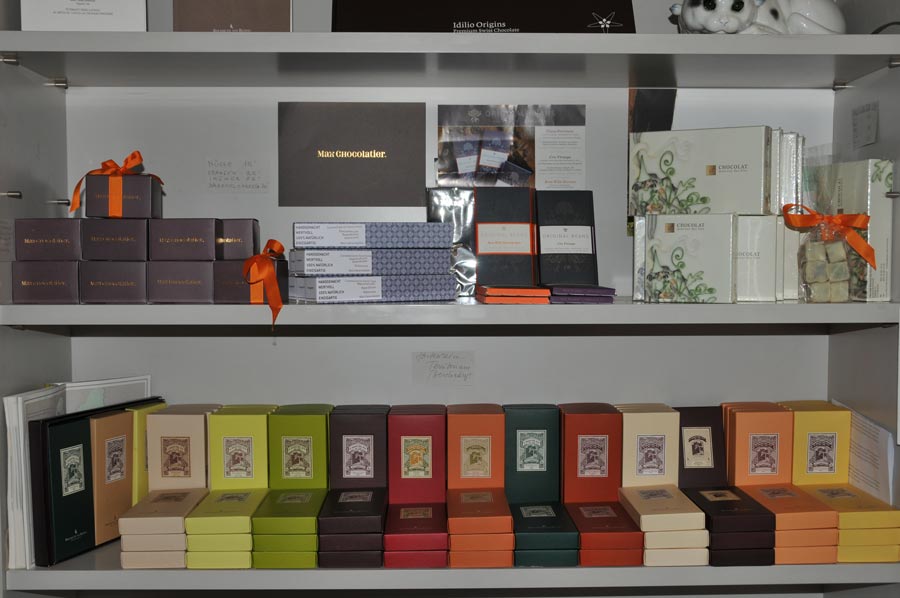
Max Chocolatier: A Swiss chocolate manufacturer based in Lucerne and Zurich.
Teuscher: A Swiss confectionery known for its champagne pralines.
Maestrani: A Swiss manufacturer established in 1852.
Vollenwieder: A Swiss manufacturer based in Zurich.
Taucherli: A Swiss chocolate brand known for its unique chocolate creations.
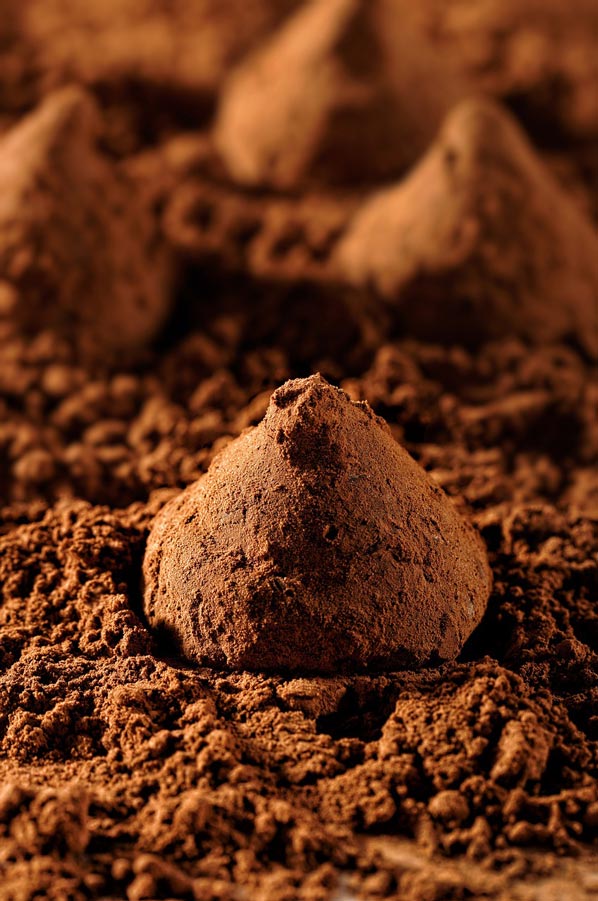 Switzerland is known not only for the production of chocolate, but also for its consumption. Swiss people consume more chocolate per capita than most other countries, although Germany is closely followed.
Many Swiss chocolatiers have influenced chocolate production worldwide with their inventions and innovations. The quality of Swiss chocolate is based on the use of high-quality raw materials, mastery of craftsmanship, and the constant development of production processes, which becomes clear again and again during tastings.
The manufactories themselves also reflect a wide range, not only in their presentations.
A visit is always worthwhile, and comparisons to discover your own taste are certainly appropriate. Have fun!
Please read as well:
Kayseri - Centre of Trade in Turkey
Gdansk - recreational & nature reserves line the bike paths
-
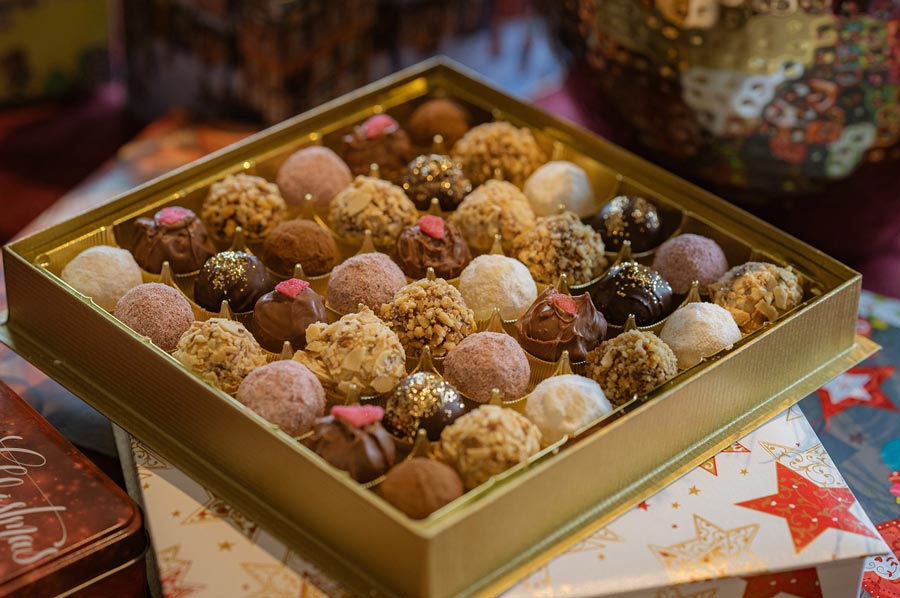
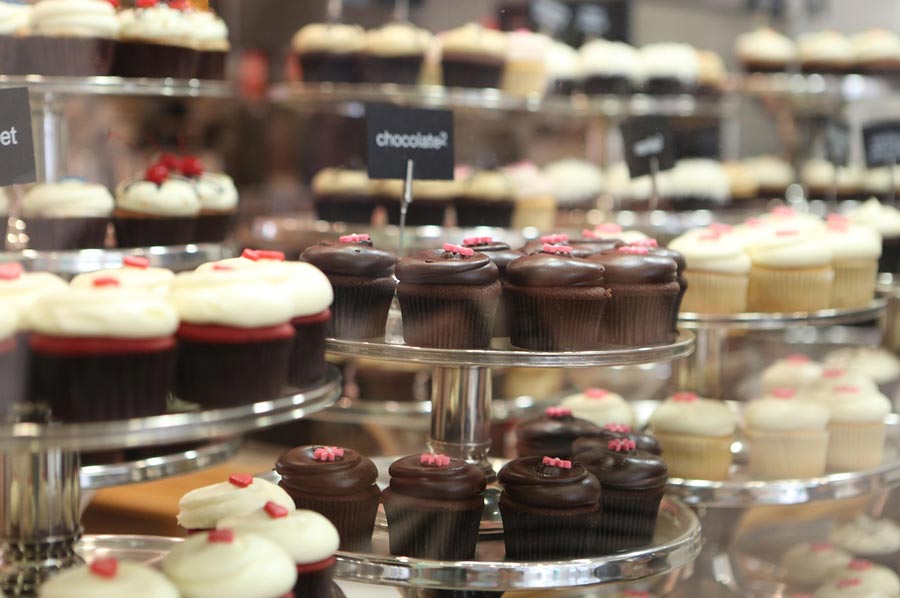
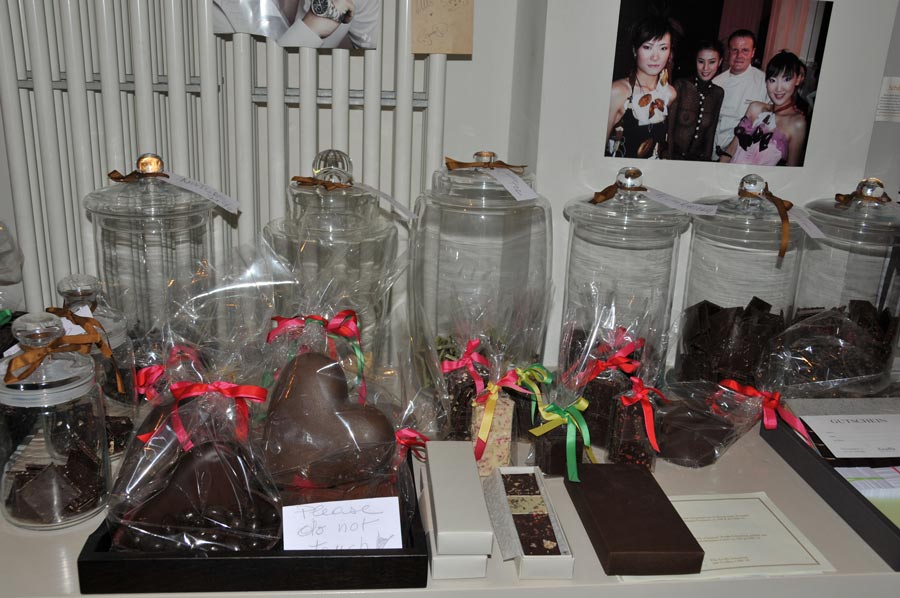
 Chocalate - manufactures in Switzerland
Chocalate - manufactures in Switzerland
Chocalate - manufactures in Switzerland
-
Chocalate - manufactures in Switzerland
Chocalate - manufactures in Switzerland
-
 Chocalate - manufactures in Switzerland
Chocalate - manufactures in Switzerland
Chocalate - manufactures in Switzerland
-
Chocalate - manufactures in Switzerland
Chocalate - manufactures in Switzerland
-
Chocalate - manufactures in Switzerland
Chocalate - manufactures in Switzerland
-
Chocalate - manufactures in Switzerland
Chocalate - manufactures in Switzerland
https://www.alaturka.info/en/life/culinary/6953-chocolate-from-zurich?layout=default&print=1&tmpl=component#sigProIdbf2882fd75