


Nicaea - Did they find the venue of the Council ?
- Written by Portal Editor
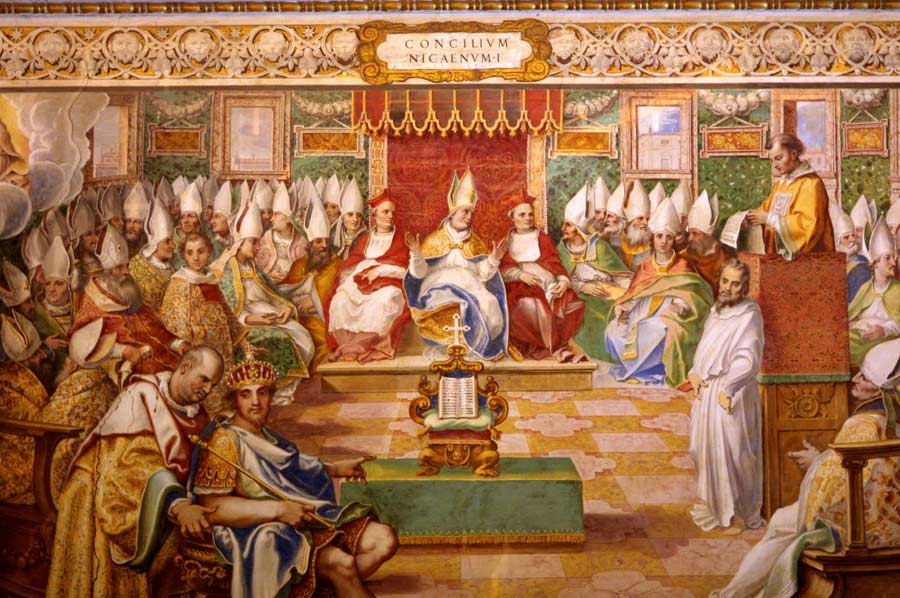
Nicaea - We had just published the article "Iznik - the Ancient Byzantine Nicaea" when we were surprised by the news that Turkish researchers have apparently discovered the actual meeting place of the first Christian Council of Nicaea, presumably using aerial photographs.
Likely due to the low water level, as is currently the case in many lakes and reservoirs due to the low rainfall this winter, the remains of a basilica were clearly visible in Lake Iznik. The lake, located south of Istanbul, is usually a recreational area for the city. Now, Turkish state television TRT has also reported on the sensational find. Could this be the meeting place of the first Council of Nicaea?
Nicaea – The First Ecumenical Council
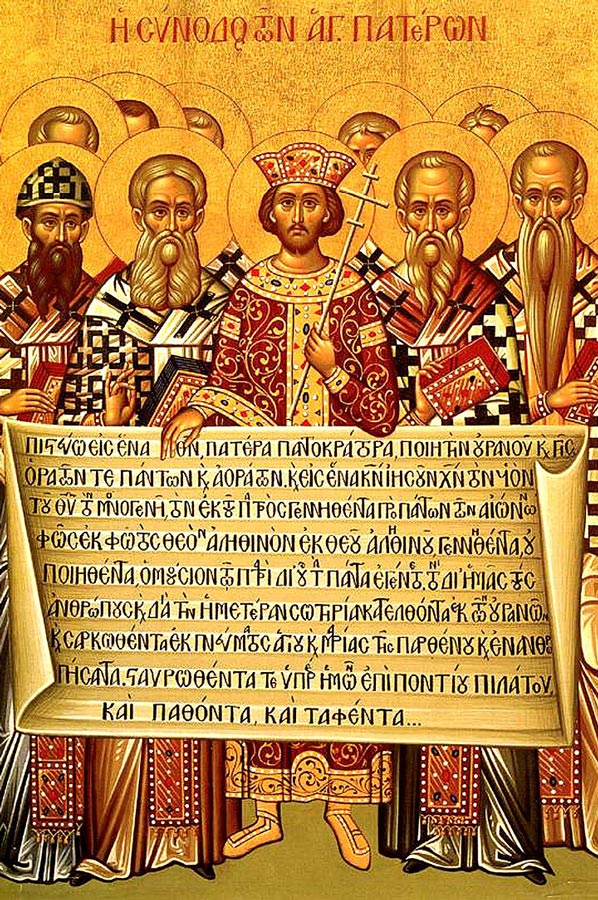
In 325 AD, the first Ecumenical Council convened here in what was then called Nicaea, as previously reported. Among other things, the Christian creed, still valid today, was formulated at this council. Ancient records identify the council site as the Palace of the Senate, the remains of which are now believed to lie in the lake. One of the archaeologists involved reported that the remains of the basilica lie at a depth of approximately two meters, about 20 meters from the shore. If this is indeed the Palace of the Senate described in the records, the building likely dates back to the fourth century and was destroyed in a major earthquake in 740 AD.
No minutes were kept of the Council of Nicaea itself, and no records have survived, although some alleged protocols have surfaced later. However, there were various contemporary and later letters, reports, and traditions about the Council, and the essential events of the Council are now historically undisputed:
Official decrees and texts of faith produced the twenty canons, the Nicene Creed, and other decisions during the Council.
 Letters from three Council participants belonging to different factions have survived: Eustathius of Antioch (an anti-Arian, or more accurately, an anti-Origenist), who may have been one of the presiding officers; Eusebius of Caesarea (a representative of the so-called "Origenist middle group"); and Athanasius (an anti-Arian) (see primary sources).
Furthermore, there are several letters from Nicaea about the Council from Alexander of Alexandria and from Emperor Constantine I.
From the late fourth and fifth centuries, there are accounts from the church historians Rufinus of Aquileia, Theodoret, Socrates Scholasticus, and Sozomen.
Accounts from the late fourth and fifth centuries are available from the church historians Rufinus of Aquileia, Theodoret, Socrates Scholasticus, and Sozomen.
These accounts were written by three church historians, including ... letters from the Council of Alexandria and from the 20th century include letters from the 20th and 20th centuries.
Please read as well: