Origami in Rostock's St. Nicholas Church
- Written by Portal Editor
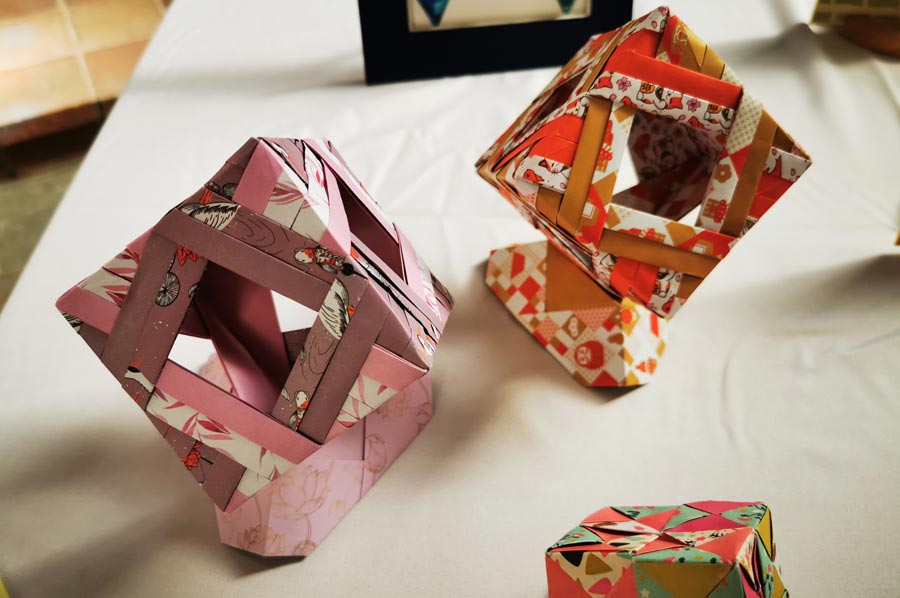
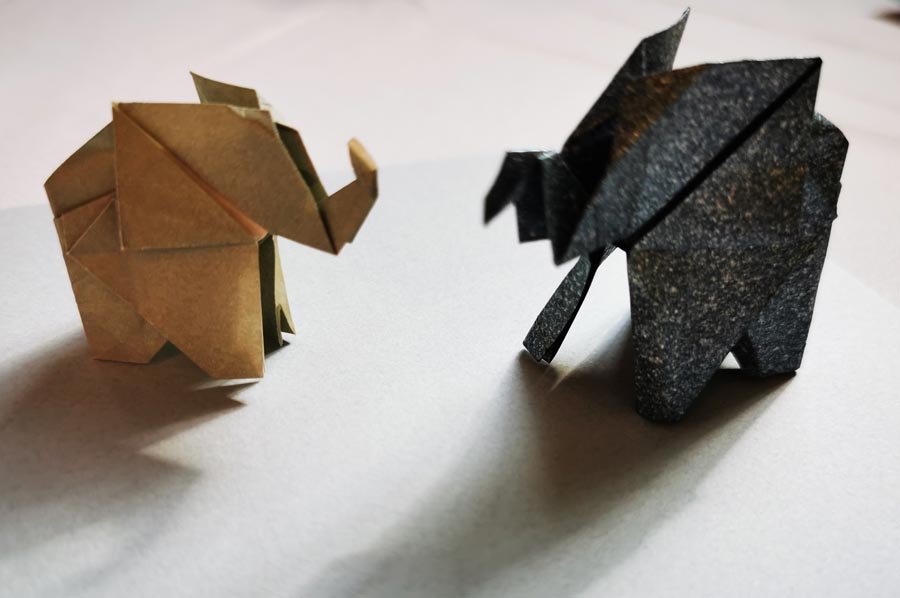
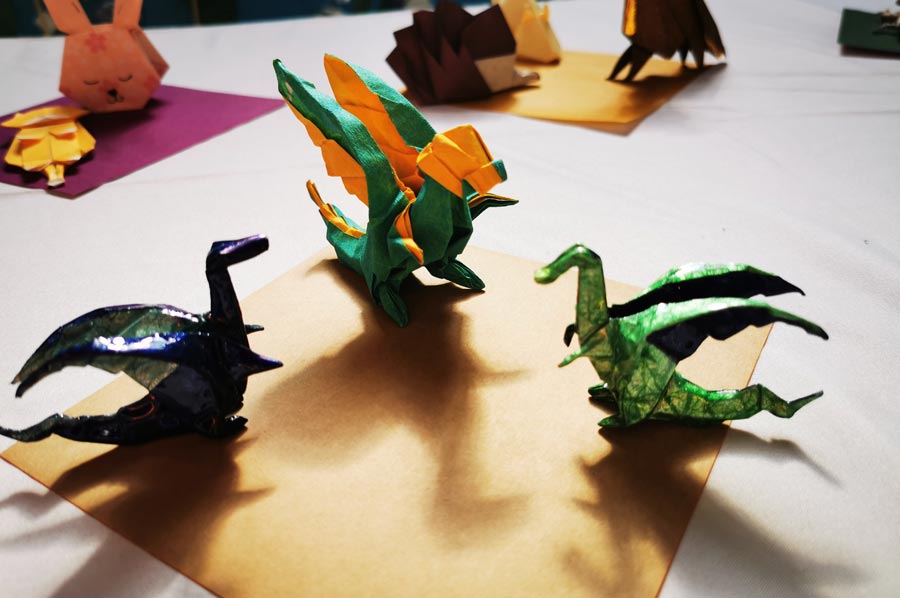
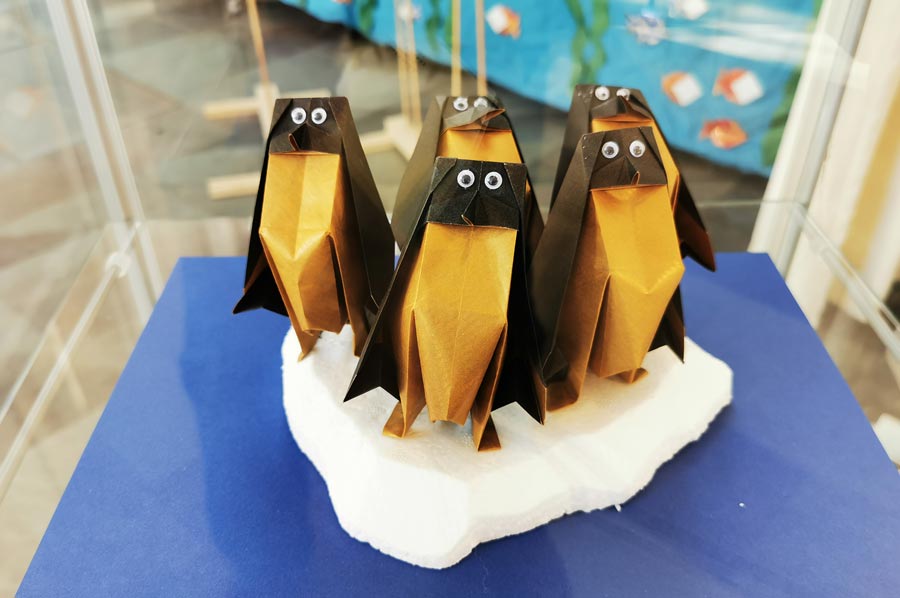
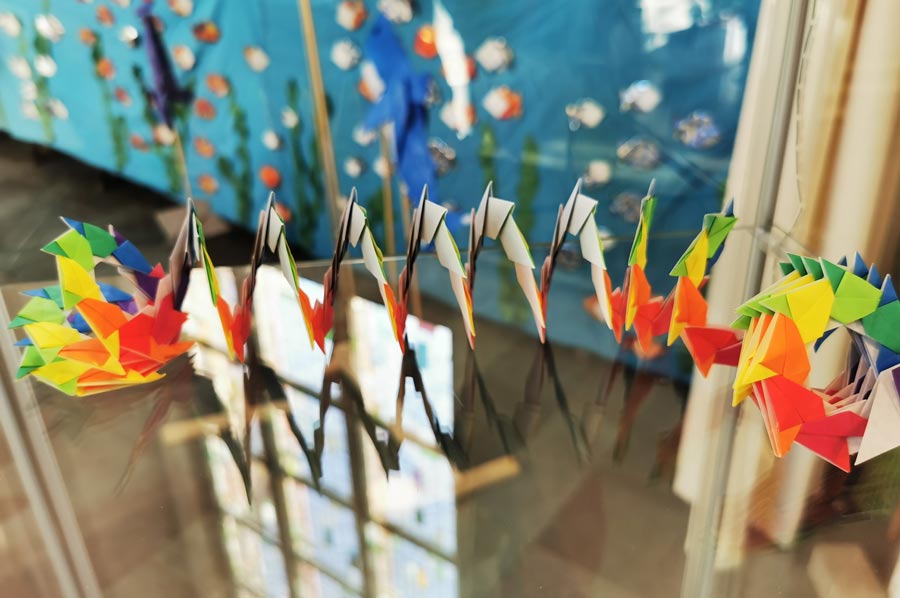
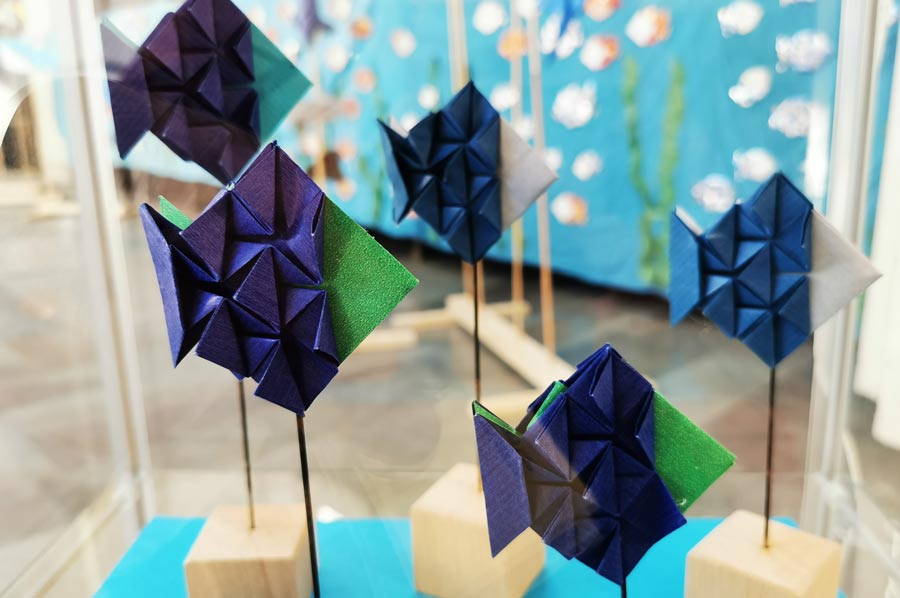
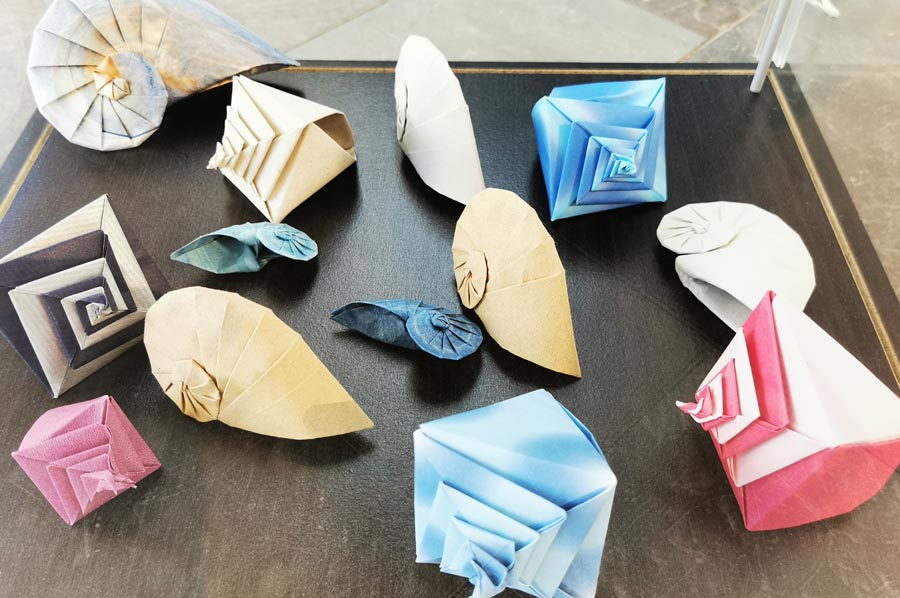
Origami – During our visit to Rostock's St. Nicholas Church, we were initially so amazed by the variety of bonsai on display that we barely noticed another group of active people in the huge church.
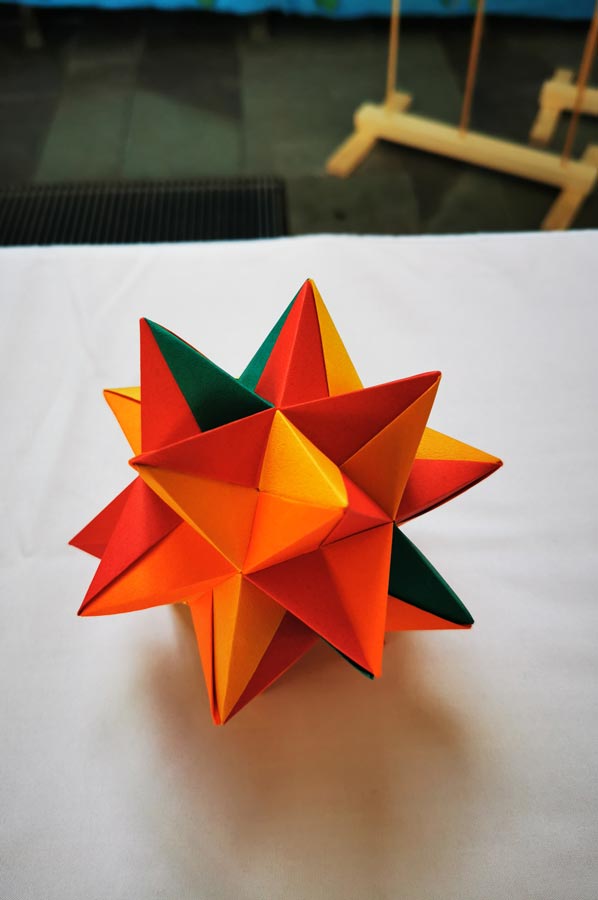
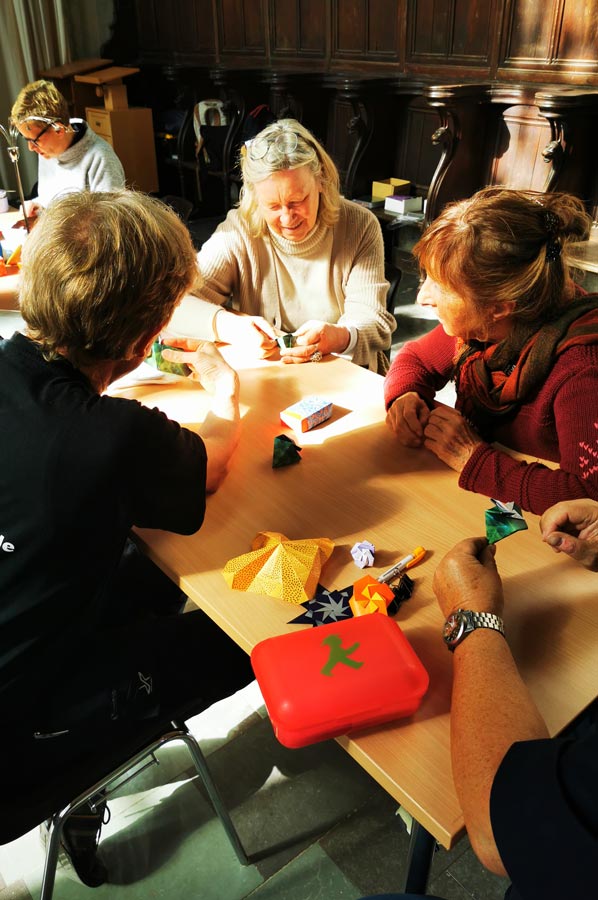
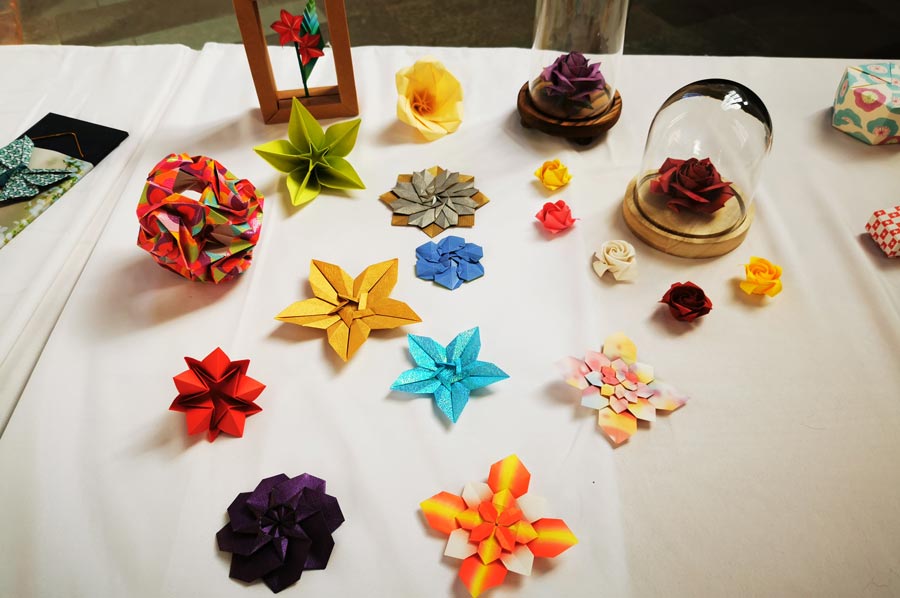
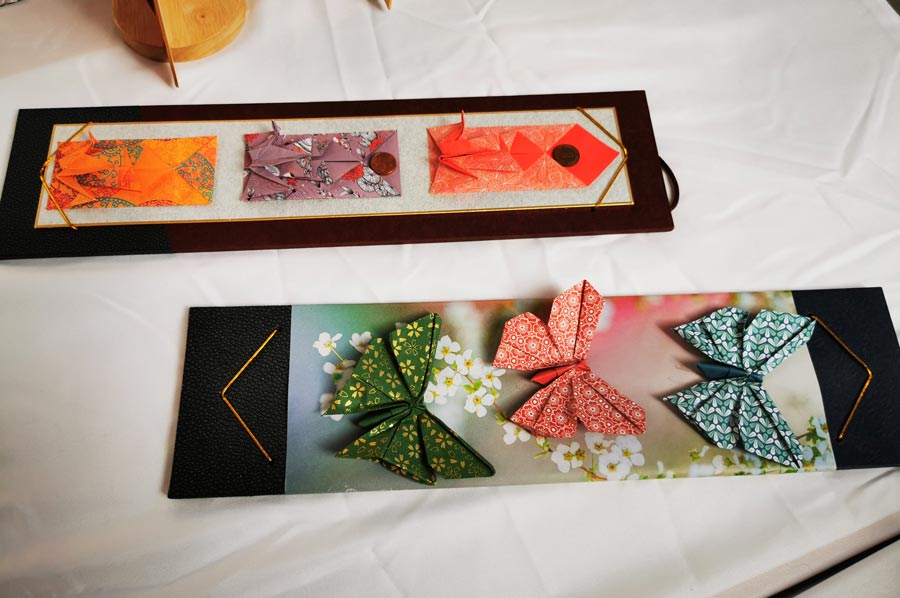
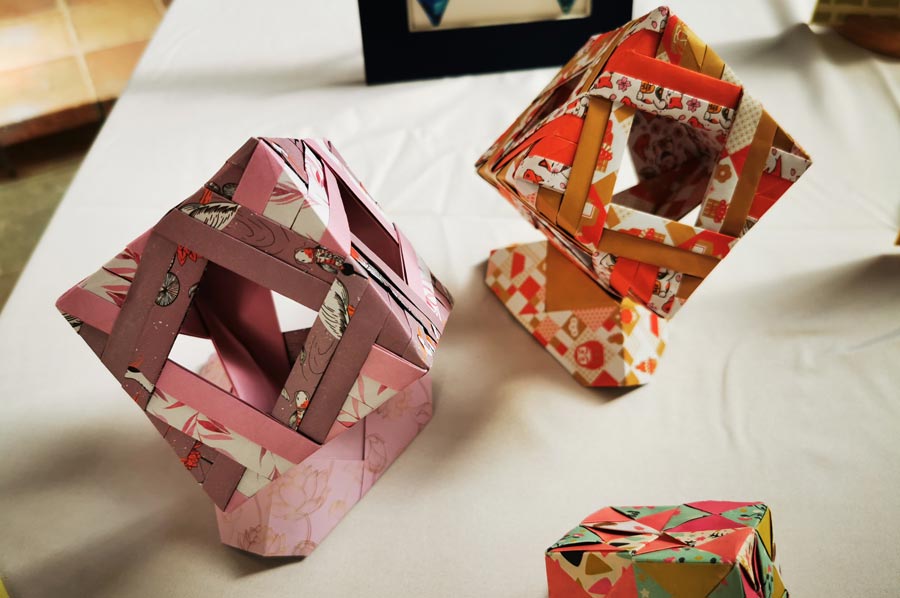
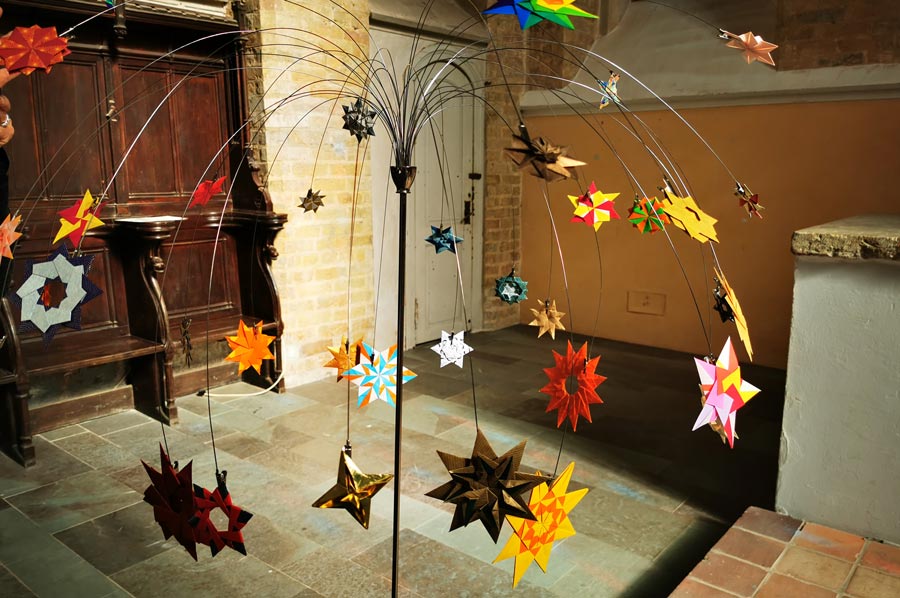
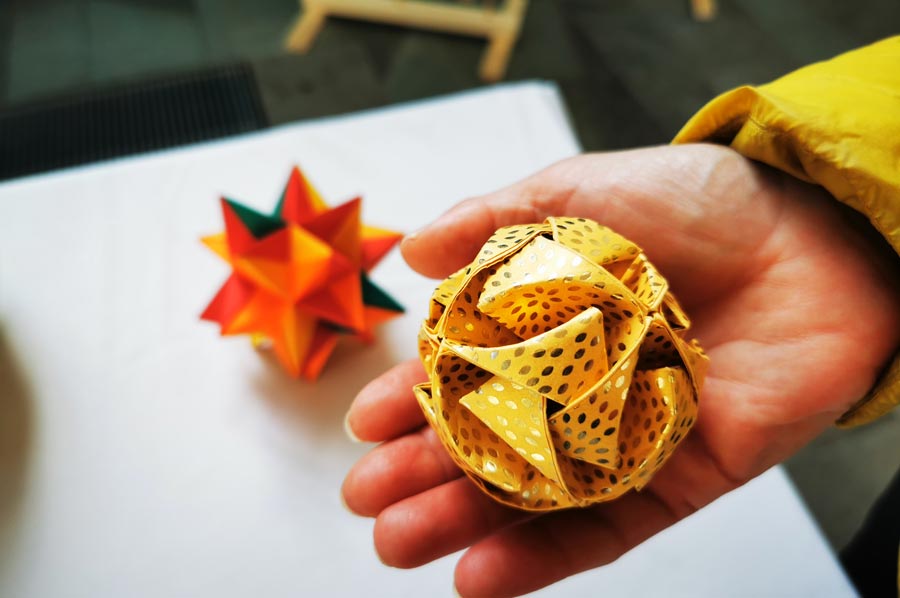
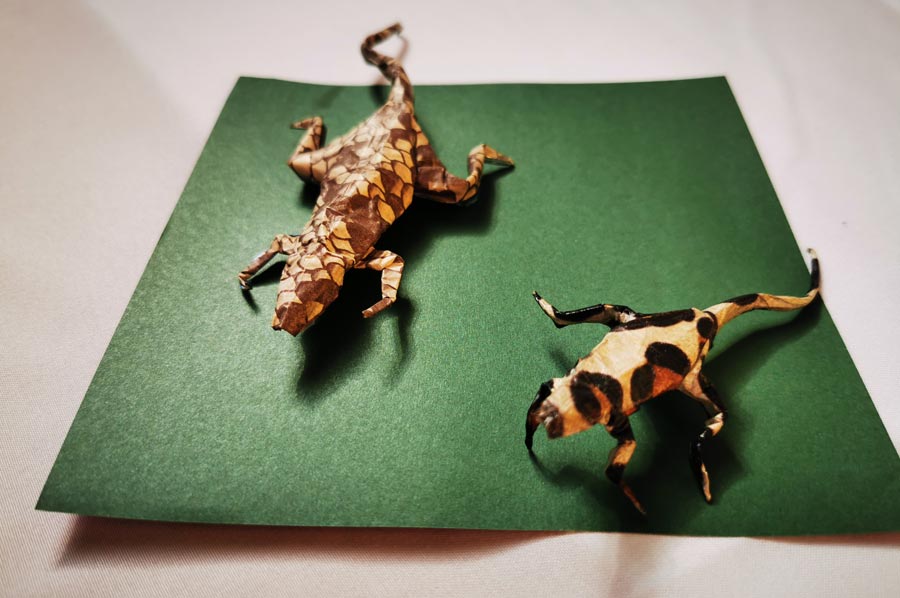
Sitting quietly and introspectively at tables, they were busy folding paper. Starting with mostly square sheets of paper, they created two- or three-dimensional objects such as animals, paper airplanes, objects, and geometric shapes. We were immediately captivated by the exhibited objects alone – origami is the true art of paper folding.
Origami – Fine Motor Skills and Recognizing Geometric Relationships
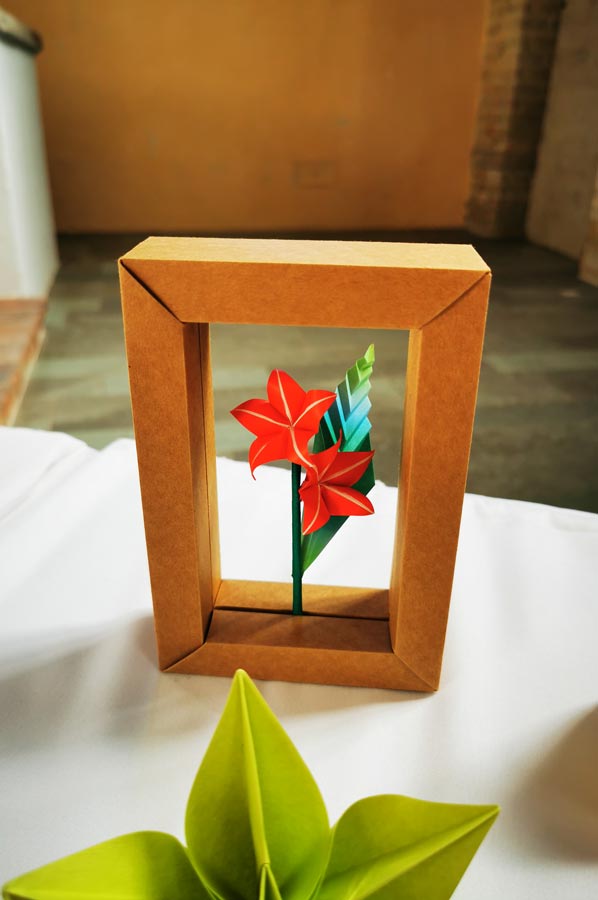 It's no wonder that our interest in the exhibited figures was also noticed by some origami artists, and so they quickly invited us to take a seat at the table and get involved ourselves. The Origami Friends Club set itself the task of enriching the bonsai exhibition event with the exhibition of their artwork, thereby simultaneously promoting origami itself.
The focus here was not only to view origami from an artistic perspective, but also from an educational perspective. In addition to improving fine motor skills, learning to work accurately, following instructions, and recognizing geometric relationships, concentration is the key component that can be fostered with the help of origami.
 A second educational and therapeutic benefit is the strengthening of social skills in the areas of cooperation, communication, perception of others, and self-control.
Since the focus is not on speed, but on the creative-aesthetic aspect and, of course, the fun of creating, there is no competition among participants, or rather, this is quickly discouraged.
Small groups with diverse skills are particularly well suited for this – this is where the opportunity for mutual motivation and support for individual self-esteem development is greatest.
Adoption of origami techniques in kindergartens
 Friedrich Fröbel also incorporated the art of paper folding, which originated in Japan, into the design of his kindergartens and established it very successfully. Friedrich Wilhelm August Fröbel was a German educator who critically and productively engaged, in particular, with Pestalozzi's pedagogy. His particular achievement lies in not only recognizing the importance of early childhood but also advancing the realization of these insights by creating a system of songs, activities, and "playful gifts." With the founding of the "General German Kindergarten" on June 28, 1840, in Blankenburg, Fröbel began to put his findings, according to which the foundation for further human development is laid in early childhood, into practice. The kindergarten differed from the day care centres and preschools that already existed at the time in its pedagogical approach.
Working with children on paper has therefore proven successful, especially in therapeutic settings, kindergartens, and schools. For example, there are schools in Japan and Israel that offer origami as a subject, including a theoretical and conceptual foundation.
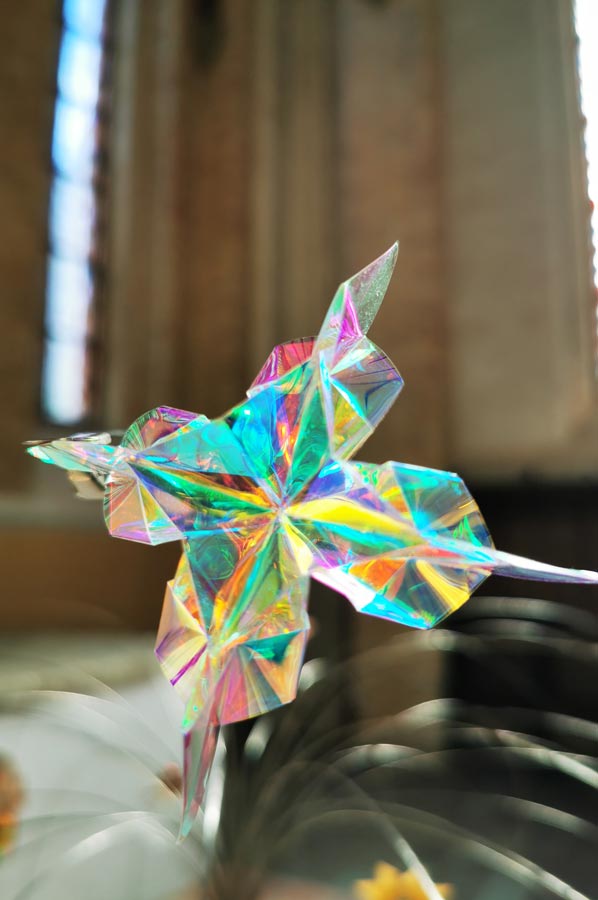 In 610, Buddhist monks brought paper from China to Japan, where paper folding experienced its first boom during the Muromachi period (1333–1568) and a second boom during the Edo period (1603–1868). Since paper was quite expensive at that time, it was likely reserved for ceremonial folding, such as noshi during the Muromachi period.
Independently of this, the European art of paper folding developed, spreading from Egypt and Mesopotamia to Spain in the 16th century and later further into Western Europe. In the 16th century, elaborate decorations made from folded table napkins were made at many courts, particularly in Italy, and this tradition of table decoration quickly spread to Northern Europe.
In 1880, the Japanese emperor introduced nationwide kindergartens based on the Froebelian model. This supplemented the traditional Japanese folding tradition with key elements of today's origami technique, such as the avoidance of cuts or colour markings on the models and the introduction of basic shapes.
The Crane as a Prominent Origami Figure
 For a long time, origami included only a small number of traditional models, such as the crane (Japan) or the pajarita (Spain). It was the Japanese Akira Yoshizawa (1911–2005) who broke with traditional templates and created new models. He developed a system of simple, systematic drawings (called diagrams) to create folding instructions that could be shared and universally understood. This system is the basis for the Yoshizawa-Randlett system, the notation for folding instructions commonly used today.
Within a short period of time, a revolution in origami took place, producing models of a complexity previously unimaginable. A major role in this was played by the so-called "Bug Wars" of the 1960s, a friendly competition between several origami artists (e.g., Robert J. Lang) whose goal was to fold beetles and insects that were as lifelike as possible.
Modern origami models can be very complex and often take several hours to fold. On the other hand, many origami artists still prefer simple structures and shapes; some even specialize in very specific models (e.g., boxes).
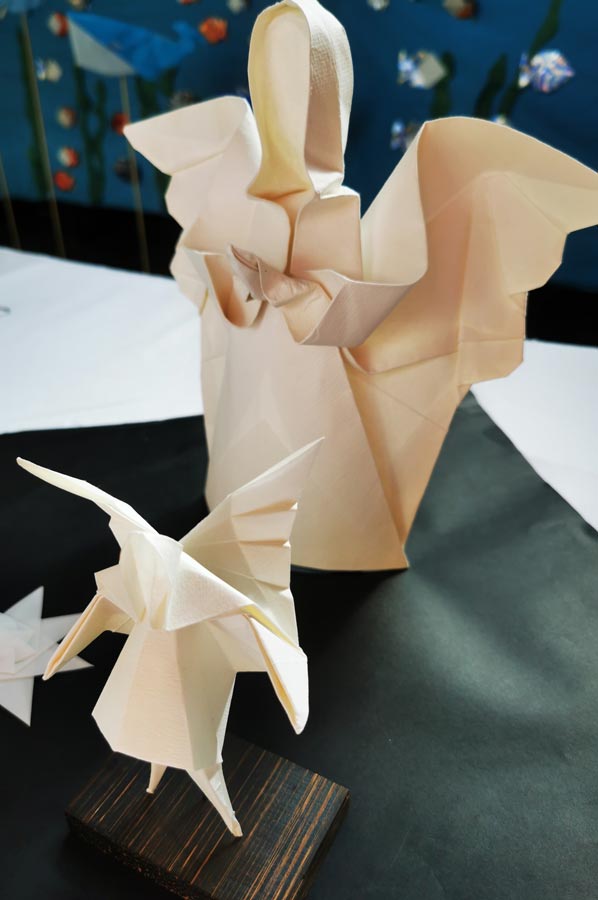
According to a Japanese legend, the gods will grant one wish to anyone who folds a thousand origami cranes. Since the death of atomic bomb victim Sadako Sasaki, who fought in vain against her radiation-induced leukaemia by folding cranes, origami cranes have also become a symbol of the international peace movement and resistance to nuclear war.
Please read as well:
Lake Komani and Dam - More impressions about the ferry trip
Kruja - Our tour through the impressive fortress
-
 Origami - Exhibition artists in Rostock
Origami - Exhibition artists in Rostock
Origami - Exhibition artists in Rostock
-
Origami - Exhibition artists in Rostock
Origami - Exhibition artists in Rostock
-
Origami - Exhibition artists in Rostock
Origami - Exhibition artists in Rostock
-
Origami - Exhibition artists in Rostock
Origami - Exhibition artists in Rostock
-
Origami - Exhibition artists in Rostock
Origami - Exhibition artists in Rostock
-
Origami - Exhibition artists in Rostock
Origami - Exhibition artists in Rostock
-
Origami - Exhibition artists in Rostock
Origami - Exhibition artists in Rostock
-
Origami - Exhibition artists in Rostock
Origami - Exhibition artists in Rostock
-
Origami - Exhibition artists in Rostock
Origami - Exhibition artists in Rostock
-
Origami - Exhibition artists in Rostock
Origami - Exhibition artists in Rostock
-
Origami - Exhibition artists in Rostock
Origami - Exhibition artists in Rostock
-
Origami - Exhibition artists in Rostock
Origami - Exhibition artists in Rostock
https://www.alaturka.info/en/culture/art-craft/6987-origami-in-rostock-s-st-nicholas-church?layout=default%2Famp#sigProId6c28cd58ce