


Karaburun Peninsula between Izmir and Çeşme
- Written by Portal Editor
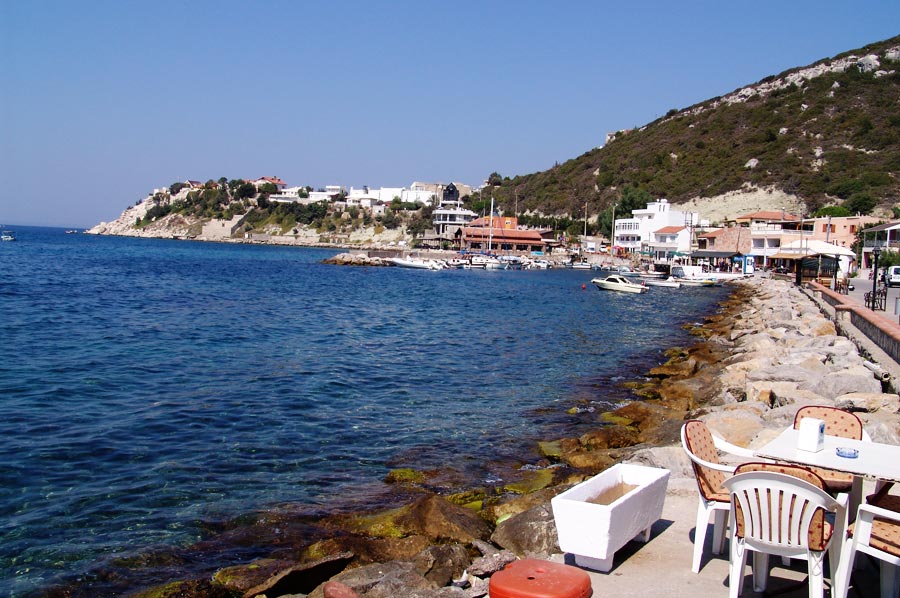
Karaburun – The peninsula, with its beautiful bays and ruggedly romantic landscape, invites you to take long hikes.
It stretches 50 kilometres in length and 20 kilometres in width into the Gulf of Izmir, thus extending the Çeşme Peninsula to the north.
Karaburun, from which the peninsula takes its name, lies to the west of Izmir.
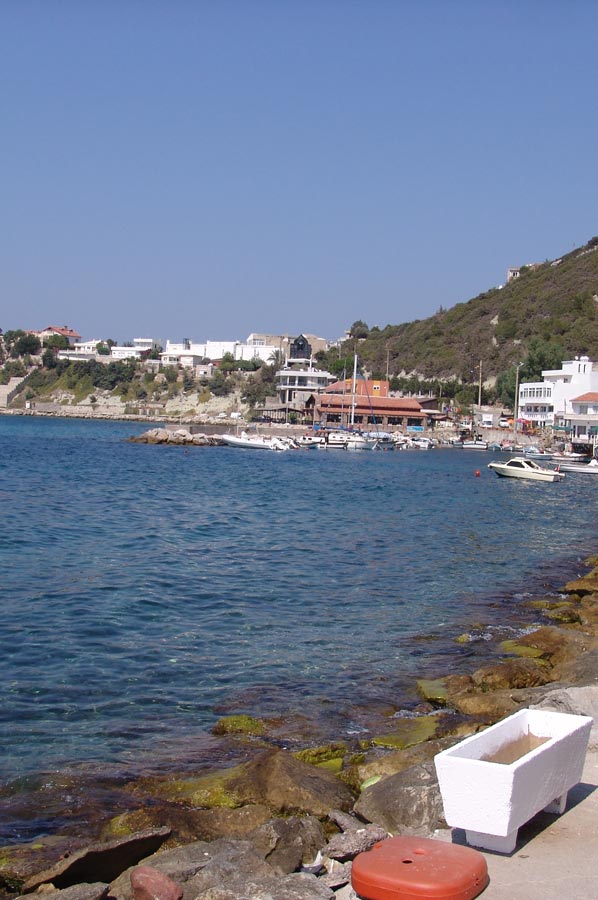 Although it is not known for certain when the peninsula was first inhabited, traces of settlements dating back to the Calolithic period (5000–3000 BC) have been found in various locations.
Just 4 km away, a number of Bronze Age tools and everyday objects were discovered in a cave.
This suggests that Karaburun must have a very long history.
During the Ionian Confederation, there was a settlement called Stelar or Stylarius, which must have been located where Karaburun stands today.
In the Middle Ages, the name Capo Calaberno was used.
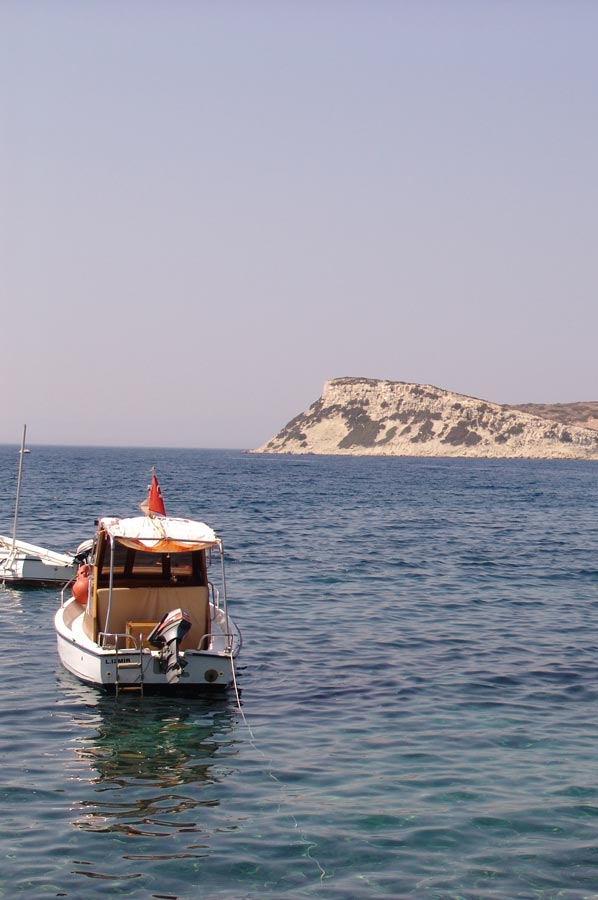 During the Turkish period, Karaburun was called Ahurlu or Ahırlı, meaning "stables."
The name Karaburun was only used during the Ottoman period.
The world-renowned navigator Piri Reis (16th century) provides detailed information about the Karaburun coast in his Kitab-i Bahriye.
The Turkish traveller Evliya Çelebi, who lived in the second half of the 17th century, visited the peninsula and described the town as "a source of income for the mullah of Izmir, a place with a mosque, a Turkish bath, and seven shops surrounded by olive groves and vineyards."
Karaburun also means "black nose" (kara: black, dark) (burun: nose). The mountain at the tip of the peninsula, below which the town of Karaburun lies, bears the same name.
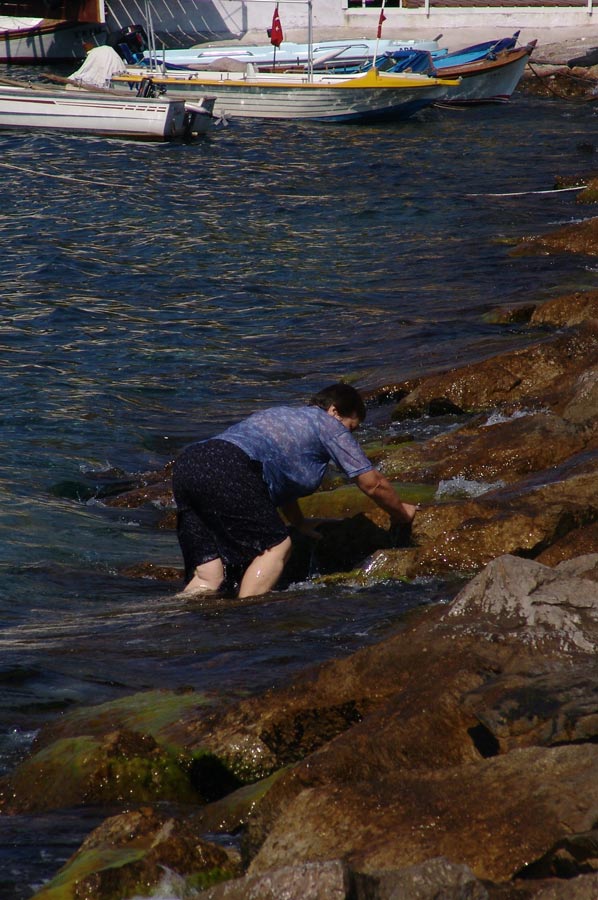 The name may also simply derive from the shape of the mountain.
Until 1922, the region was mainly inhabited by Greeks who were resettled as part of a population exchange; a chapter of sad history...
Since then, nature has reclaimed much of the land. Some settlements around Karaburun have been abandoned and are now in ruins, while elsewhere new resorts are springing up on the peninsula, more or less well integrated into the landscape.
Please also read: