


Kaş – Ancient Cistern Beneath the Restaurant
- Written by Portal Editor
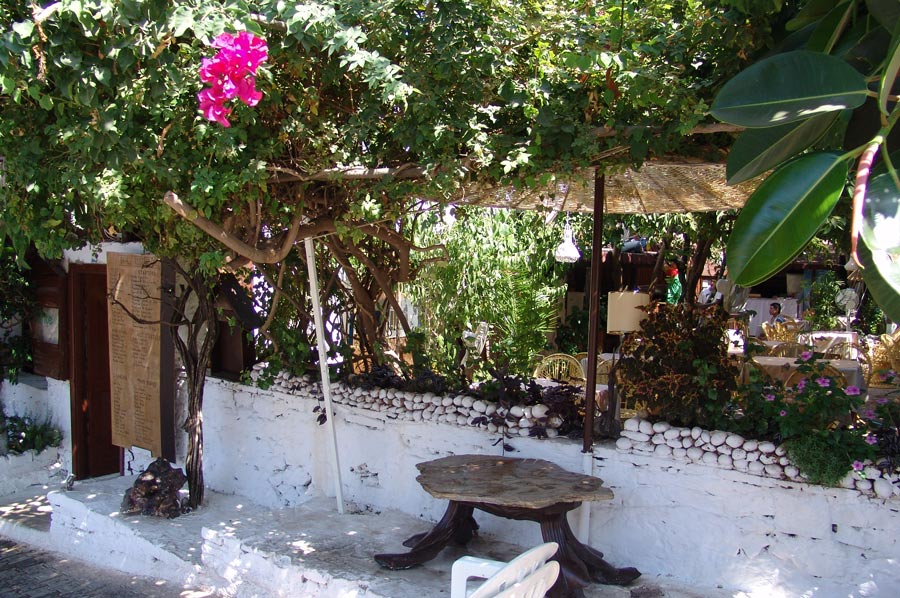
Kaş – After completing the trail descent to Kabak, we travelled with the EVOC team via Ölüdeniz and Fethiye to Kaş (we decided against taking the pass over Mount Babadağ back to Sidyma due to the darkness), where we had booked a guesthouse for the night on the peninsula.
Naturally, everyone was hungry, so we decided to grab a bite to eat before heading to our guesthouse. Right by the harbour, we found a restaurant that enticed us with affordable special offers; after a brief stroll through the town, we decided to take them up on it. They were offering various types of fish, which we happily ordered.
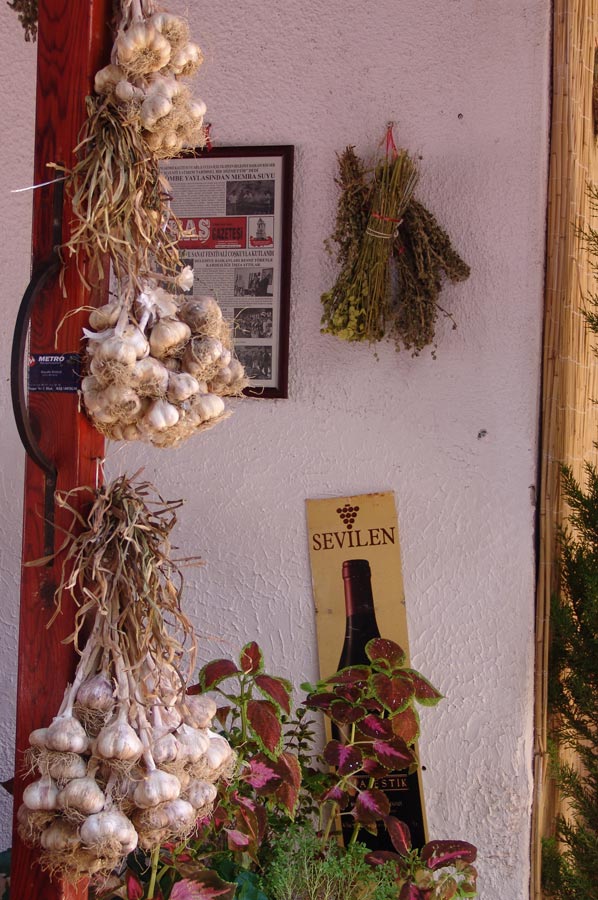 While we were eating, we noticed a steep staircase situated right in the middle of the restaurant, leading down into what we assumed was a cellar.
Upon closer inspection, however, we realized that it was actually a cistern—one that was hundreds of years old.
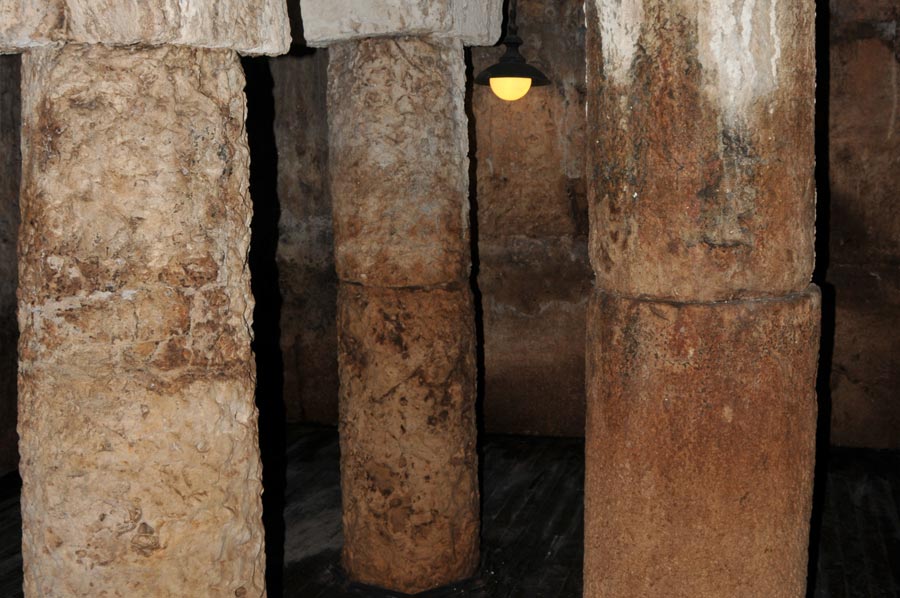
We descended the stairs, and sure enough, the columns we found there clearly indicated that this must be a Lycian structure dating back to the pre-Christian era.
Our spirit of discovery was now fully awakened, and we quickly unpacked our cameras to snap a few photos.
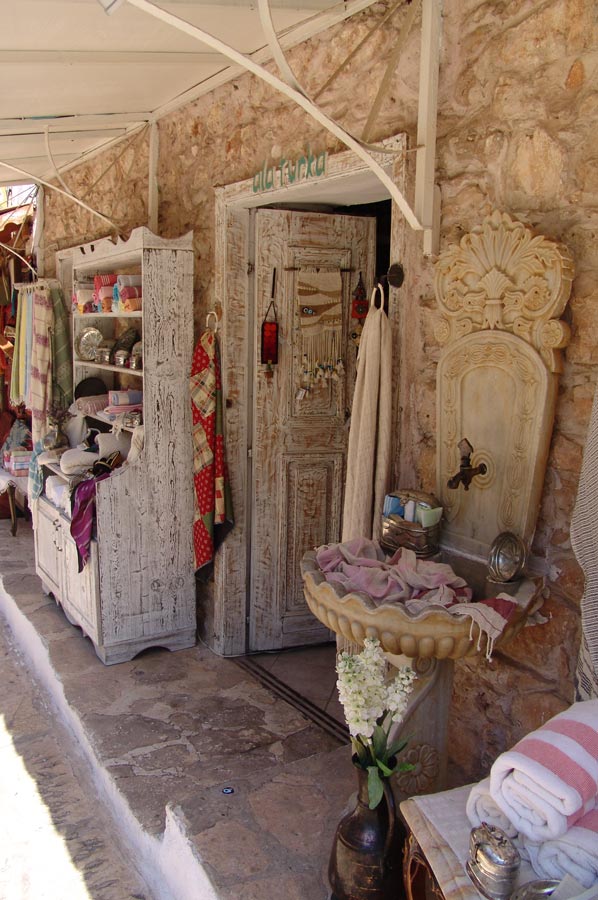 An inscription revealed that the cistern had been constructed shortly before the birth of Christ by enlarging existing cavities in the rock face to dimensions of 12 by 6 meters. Seven columns were then erected at intervals to support a ceiling structure made of massive hewn stone blocks, upon which additional storage rooms were built for *palamut*—a local type of plant.
At the time, there had been a great number of identical cisterns in Kaş; however, over the years, most of them were destroyed by people searching for amphorae and pottery artifacts. Over the centuries that followed, this cistern was repeatedly utilized for the storage of various goods—including wine, olive oil, vegetables, and water.
Originally, of course, the sole purpose behind the construction of such cisterns was the storage of water. As was the case in other localities, a reliable reservoir of drinking water was of vital importance to city dwellers; consequently, numerous cisterns were constructed to ensure the population’s water supply.
 Should you ever find yourself in Istanbul, be sure to visit the "Sunken Palace" cistern—a structure vastly larger, naturally, than our cistern here in Kaş, and one that, with its richly ornamented columns, resembles a palace far more than it does a mere utilitarian water storage facility.
Kaş once possessed a series of cisterns that lined the streets along the path leading to the amphitheater, serving to collect rainwater and meltwater flowing down from the mountains. It is a fascinating little gem—one you certainly wouldn't expect to discover tucked away beneath a restaurant.
Please also read: