Uludağ National Park - Park on the Slopes of the Massi
- Written by Portal Editor
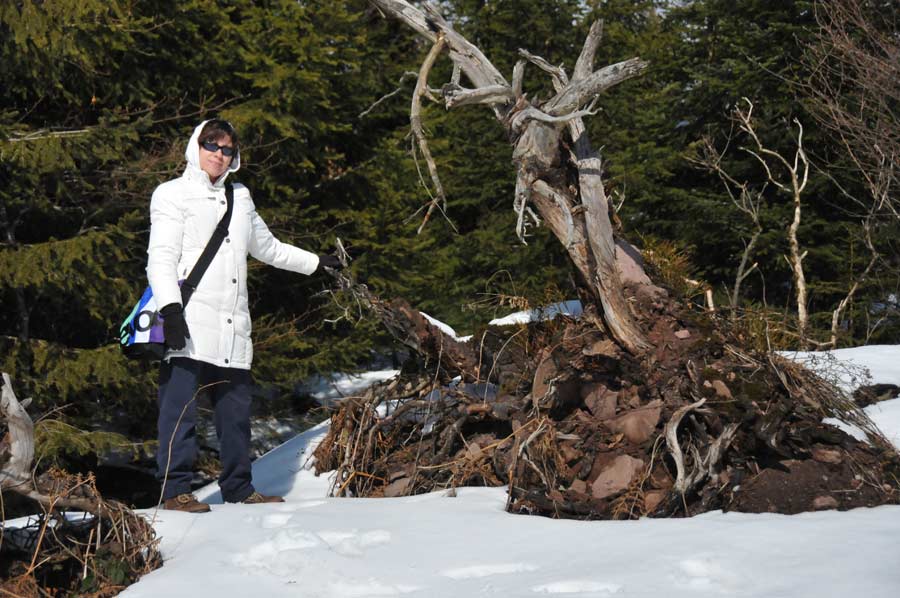
Uludağ National Park - The nature reserve extends across the southern slopes of the Uludag massif near the metropolis of Bursa. The vegetation is divided into four zones, ranging from 500 to 2500 m in altitude, there are 4 different types of vegetation.
From 0 to 600 m lies the Mediterranean zone. Here, lavender, strawberry trees, and holm oaks can be found. Between 600 and 1200 m lies the upper Mediterranean zone with hazel bushes, linden trees, beeches, and oaks. Between 900 and 1800 m lies the mountain zone with firs and pines. Above 1800 m, the meadows of the subalpine zone begin, where the national park's ski area is located.
Uludağ - Kartaltepe is the highest peak at 2,543 meters.
 Uludağ, or more accurately Kartaltepe Peak, is the highest point in the entire Marmara Region at 2,543 meters. The Aras Waterfalls and glaciers at the summit are its most interesting features.
The Uludağ National Park, located 36 km south of Bursa, is one of Turkey's most popular winter sports centres. In addition to skiing, its rich flora and fauna have earned it national status. Summer activities such as hiking and camping are also popular. Uludağ was known in ancient times as Olympos Misios and is known in mythology as the place where the gods observed the Trojan War.
 Thanks to its proximity to large residential areas and the large number of campsites and recreational facilities, Bursa meets the recreational needs of the surrounding cities. Uludağ National Park welcomes nearly one million visitors annually. The region is forested and has a temperate climate with predominantly southwesterly/southern winds.
The gentle slopes are easy to hike, and there are beautiful glacial lakes and forests, alpine meadows for picnics, numerous hotels, cable cars, and fantastic food.
Uludağ National Park offers exceptional natural beauty, forests, and a rich flora and fauna. 71% of the national park is forest, 28% is meadows and rocky land (alpine region), 0.4% is open land, 0.1% is covered with water, and 0.8% is residential.
Uludağ National Park - Rich in Endemic Species
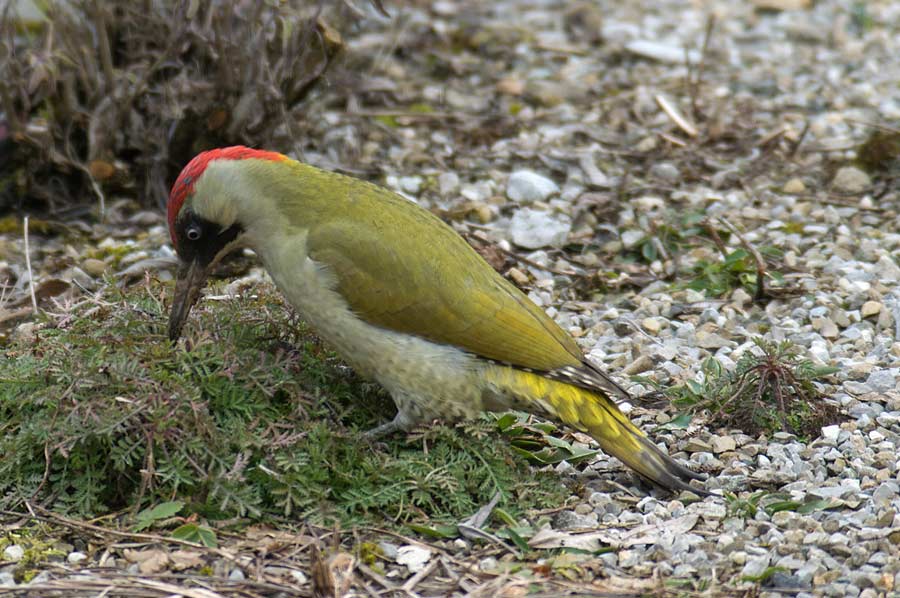 Uludağ National Park has a rich flora, including alpine plants and plants endemic to Turkey and Uludağ. 104 species have been recorded in Uludağ, including 32 endemic species. Uludağ National Park is home to 46 butterfly species, as well as an Uludağ-specific endemic species of the Apollo butterfly.
Uludağ's rich vegetation is due to its location between the Mediterranean and the European-Siberian flora. The flora consists of 63% Euro-Siberian and 31% Mediterranean elements. It is also known that Uludağ's flora consists of 6% Iranian-Turanian elements. Uludağ is also listed among Turkey's 122 most important plant areas.
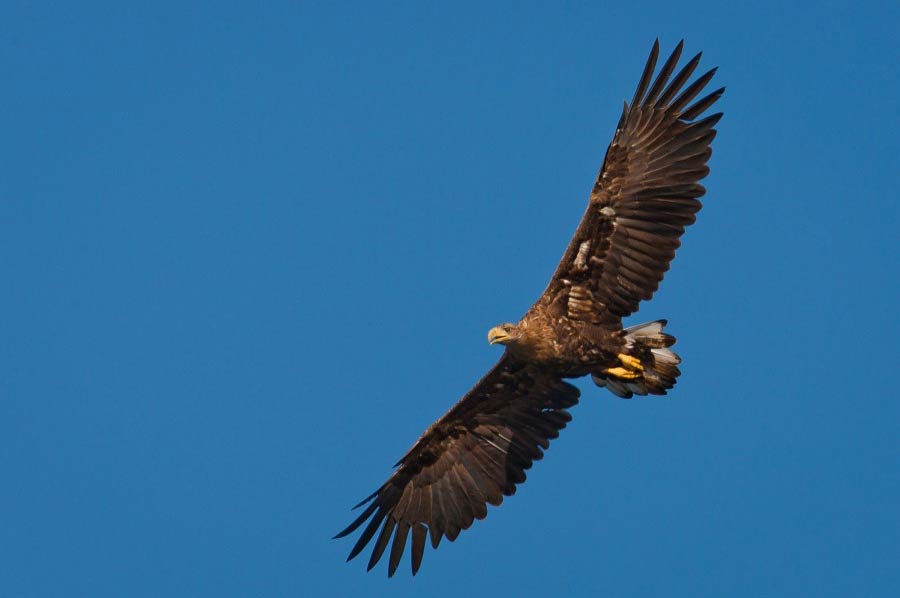 Various species such as bears, coyotes, foxes, squirrels, rabbits, weasels, wild boars, snakes, lizards, mountain eagles, woodpeckers, owls, pigeons, and sparrows continue to live in Uludağ National Park. The bearded vulture (Gypaetus barbatus) is one of the national park's endemic species.
In addition, red wood ants make a significant contribution to Uludağ National Park by eating all harmful insects in the forests. Uludağ has been designated an Important Bird Area due to the breeding populations of the bearded vulture and the mountain eagle.
 The road within the national park runs through a lavender and juniper scrub, then leads past streams and waterfalls through the various levels of the forest.
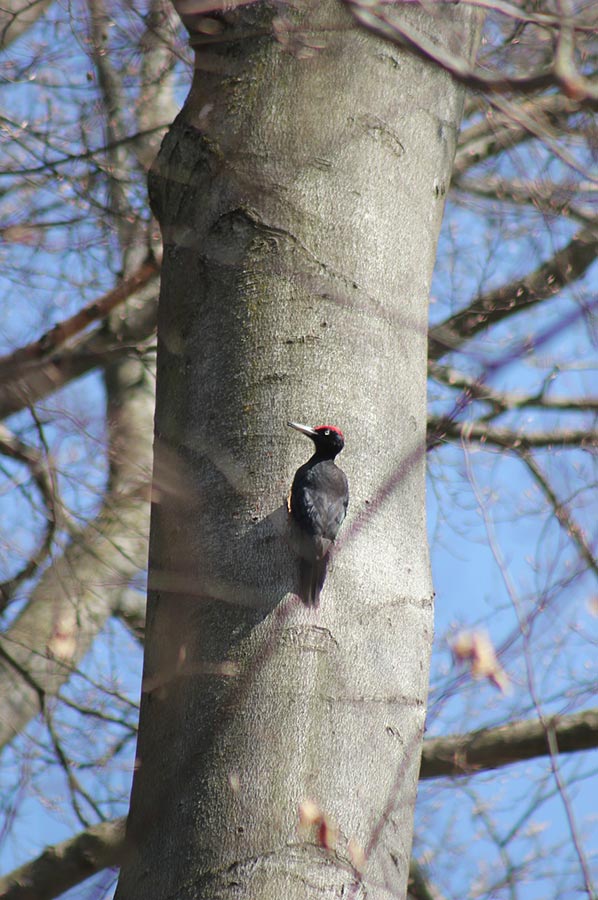
Red woodpeckers, warblers, and birds of prey nest in the pines. The dense forest of conifers and deciduous trees provides a habitat for a variety of animal species. Red and fallow deer, wild boars, and the occasional bear and wolf are found here.
In spring, small orchids and fragrant hyacinths bloom in the scrub. Numerous insect species live in the national park. Many of them are found exclusively in this part of Turkey and are completely unknown in Europe. They can be easily observed throughout the summer.
Please read as well: