


Kitzingen – From Zurich to Albertshofen
- Written by Portal Editor
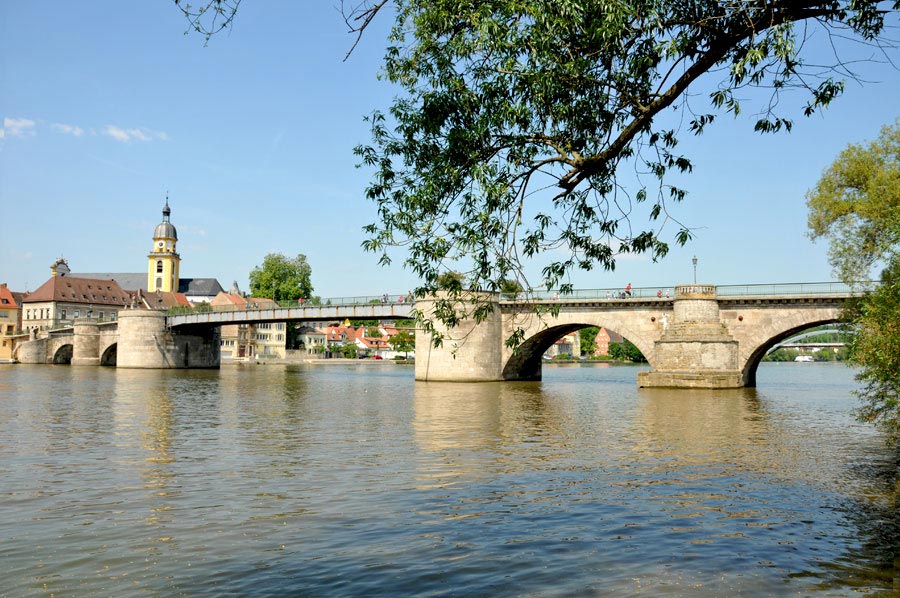
Kitzingen - While still in Zurich, we had arranged to meet our friend Brita in Albertshofen a small community near Kitzingen so she could show us around her town and the surrounding area, which features the rising slopes of the Steigerwald Nature Park.
Setting off from Zurich in the early afternoon, we drove first toward Lake Constance, then crossed the border into Austria and the city of Bregenz, before continuing on toward Kempten and Würzburg in Germany.
Kitzingen City Center:
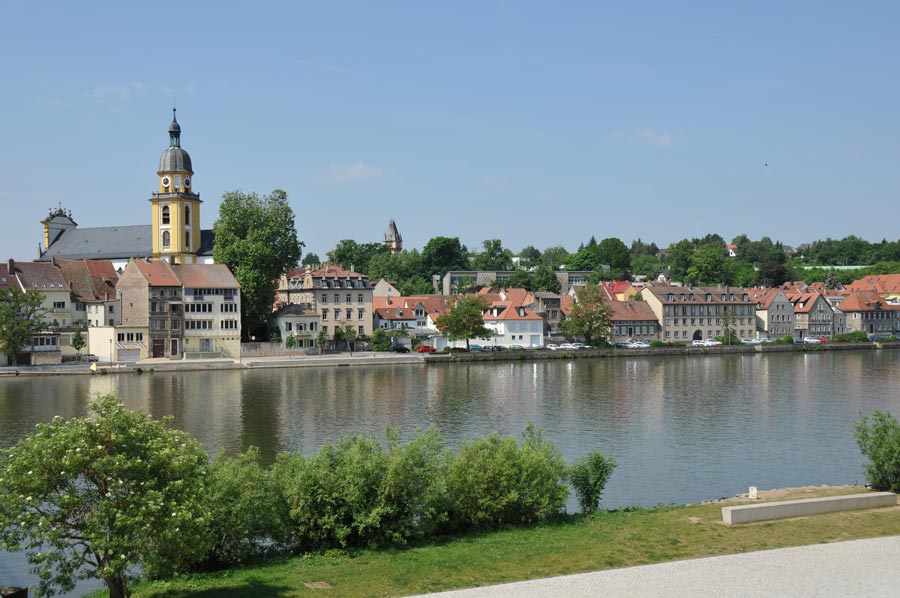 Thanks to our reliable GPS, we managed to reach Kitzingen without any detours, though we didn't quite make it to our actual destination of Albertshofen at first. Major roadworks prevented us from following the GPS instructions to make one of the suggested left turns.
Asking a passerby provided the solution a route that the GPS eventually accepted, ceasing its demands for us to turn back.
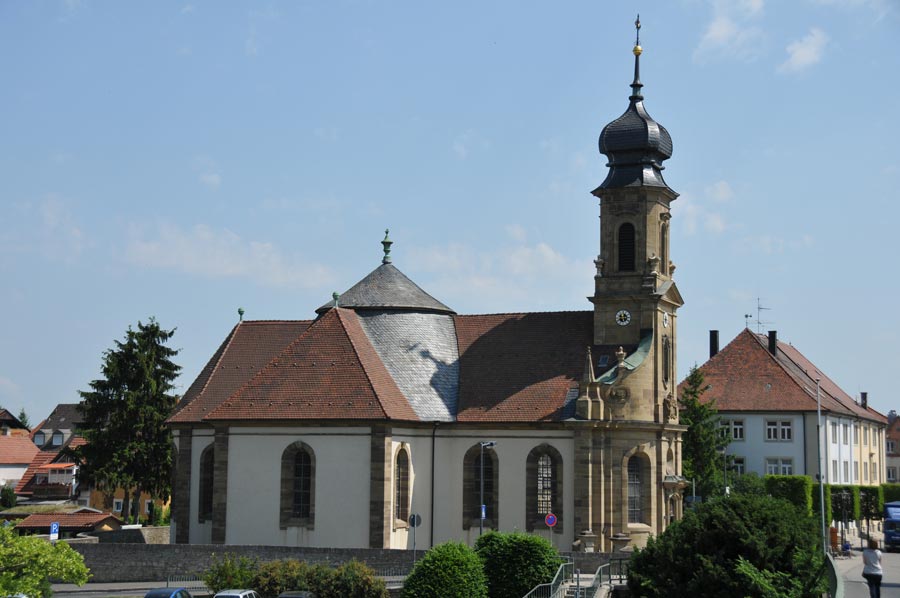 Despite having planned the visit in advance, the joy of reuniting with Brita was immense; we celebrated the occasion that evening with a delicious barbecue and salad feast in the conservatory, joined by her children. We stayed up quite late sharing the countless experiences we’d had since our last meeting in Turkey. After a hearty breakfast of bread rolls, cheese, and jam, we set off for Kitzingen shortly thereafter. Kitzingen is located in the Lower Franconia region of northern Bavaria, on the west bank of the Main River; it sits within the Franconian cuesta landscape on shell limestone soil a terrain renowned for viticulture, and not just because of the quality of the earth.
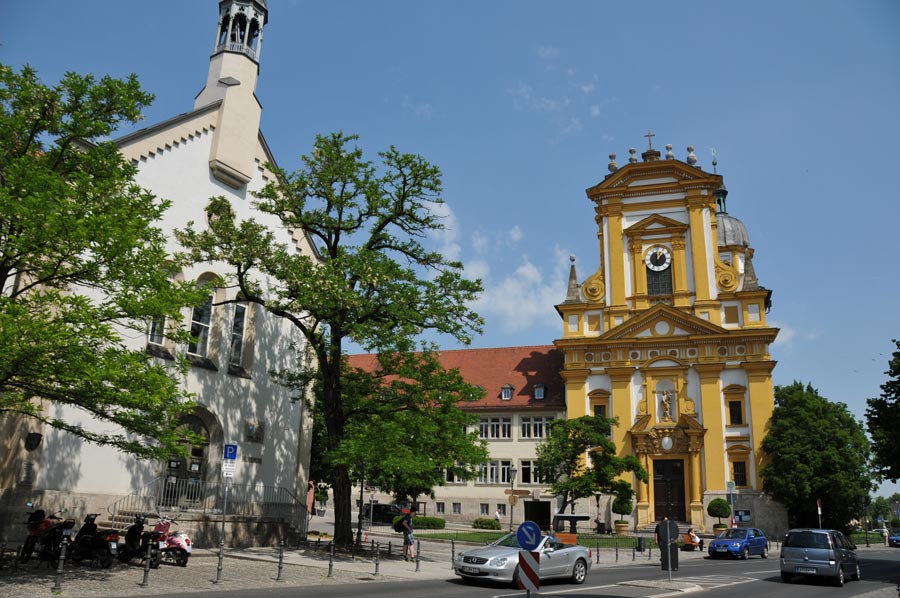 Records dating back to 745 document the founding of a convent for women by Hadeloga legend has it she was the daughter of the Frankish Mayor of the Palace, Charles Martel.
Inspired by the beauty of the Main Valley, Hadeloga reportedly while standing on the terrace of the castle belonging to her brother, King Pepin III decided to found a monastery in the river valley.
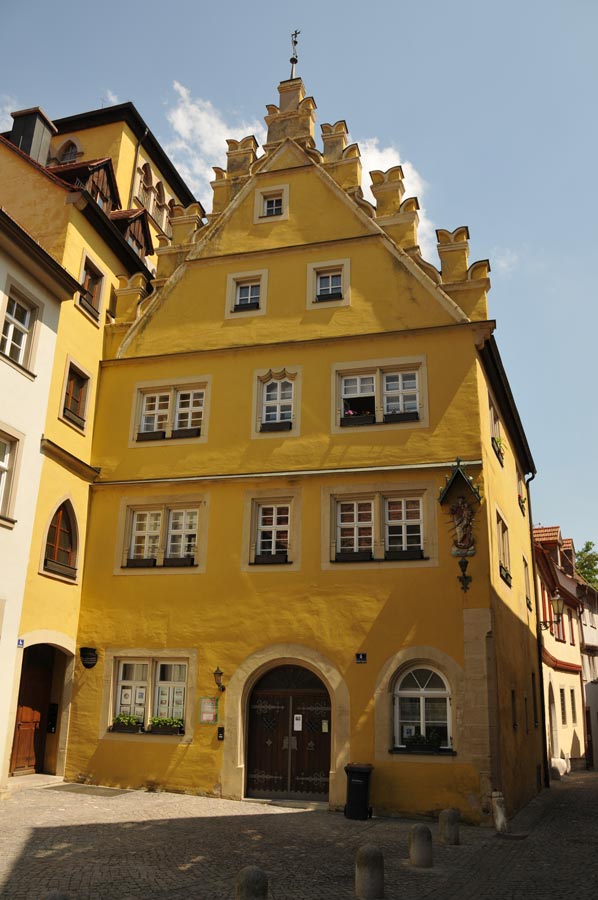 To determine the exact location, she let the wind, which was blowing westward at the time, catch her veil. She decreed that the monastery was to be founded at the spot where the veil touched the ground again. Eventually, a shepherd named Kitz found the veil caught in a grapevine on the western bank of the Main River. In his honour, the site was named Kitzingen, and the monastery was built there.
Another record from the year 748 already refers to Hadeloga as the Abbess of Kitzingen Monastery; consequently, the year 745 is now considered the founding year of the town of Kitzingen. However, since there was neither a Carolingian family member named Hadeloga nor a castle or fortress on the Schwanberg at that time, at least parts of these stories likely belong to the realm of legend. Today, it is assumed that Hadeloga belonged to the Mattonen noble family, a prominent lineage in the region at the time.
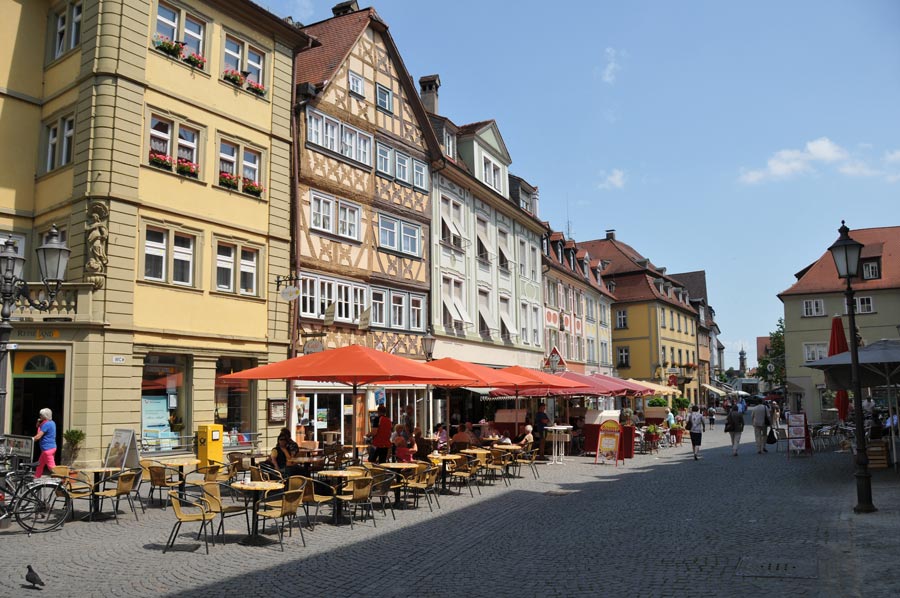 A settlement that had sprung up around the monastery is not mentioned until around the year 1040. Over the following centuries, Kitzingen frequently changed hands between various counties, coming under the rule of the Counts of Hohenlohe and the Margraves of Brandenburg-Ansbach, among others. In 1482, to put an end to the wine adulteration common at the time, envoys from the Franconian princes, the Bishops of Würzburg and Bamberg, representatives of the Free Imperial City of Nuremberg, and representatives of Elector Albrecht Achilles of Brandenburg met to address the issue.
During this meeting, the dignitaries established which ingredients were permitted in wine. Any subsequent violation was to be severely punished by imposing a fine on the wine adulterer and destroying the wine barrels. The resulting law is considered the first Franconian wine law or the "Kitzingen Wine Law" which brought fame to Kitzingen.
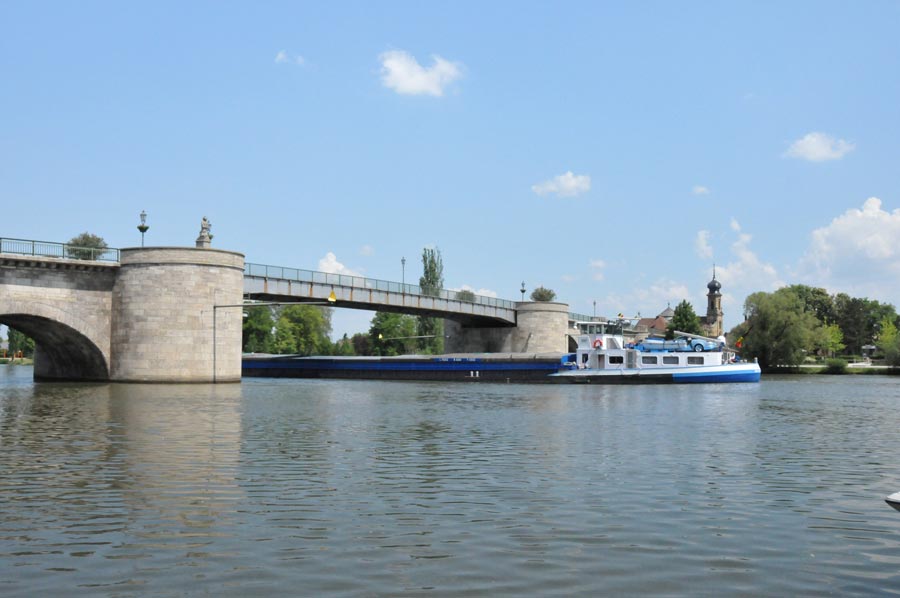
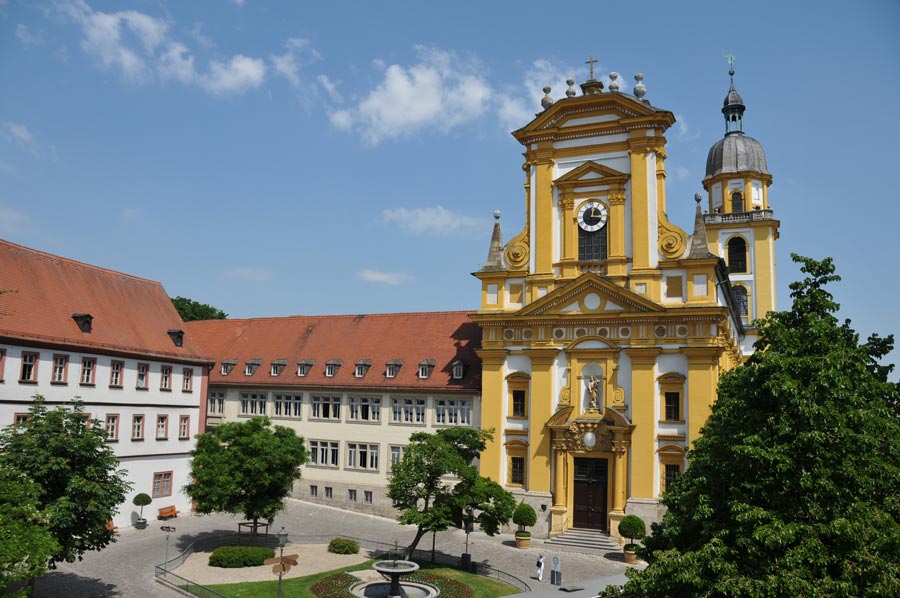 Today, with its many historic buildings, the town serves as a regional hub; it is located just 20 kilometers from the university city of Würzburg. Four bridges span the Main River, alongside a railway bridge features that testify to the town's high volume of traffic and bustling commercial activity, further bolstered by river shipping. An increasing number of tourists interested in history are also visiting the town. Of particular note is the town hall, which boasts a beautiful wedding chamber frequently chosen by couples for their civil marriage ceremonies.
 We conclude our tour of Kitzingen with a delicious ice cream from the local Italian shop before setting off for Iphofen. Located about 12 kilometres from Kitzingen, this small town retains the medieval charm typical of many such places, featuring a nearly intact town wall and watchtowers. First mentioned in documents in 741, Iphofen was granted town rights in 1293 by Manegold von Neuenburg, the then-Bishop of Würzburg. The town fortifications—which here in Iphofen can truly be described as almost completely preserved date back to that era. A stroll through the idyllic little town is just as delightful as a walk around its perimeter. We notice several groups of cyclists specifically visiting the medieval towns in the Kitzingen area. Beyond the historic fortifications, the town centre also features beautifully restored buildings that are well worth a visit.
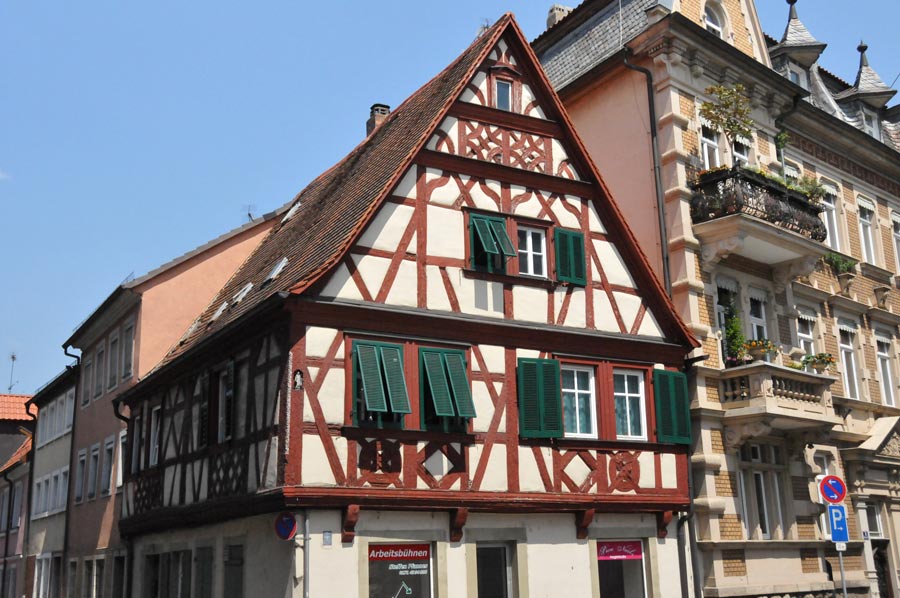 We learn more details through a chance encounter with one of the cyclists and his children. The father had hopped on his bike to prepare for a school assignment and was explaining aspects of Iphofen’s history to his children right on the spot. We listen with interest and are soon drawn into the conversation. The town was struck by the plague four times, causing a drastic reduction in the population. With the incursion of mercenary groups in 1620, Iphofen was also swept up in the ravages of the Thirty Years' War a fact documented by numerous records in the local town hall. Around 1900, viticulture declined sharply due to a phylloxera infestation in the vineyards. It was not until a well-known manufacturer of plasterboard established a facility there that the region saw a renewed economic upswing and job opportunities for the local population.
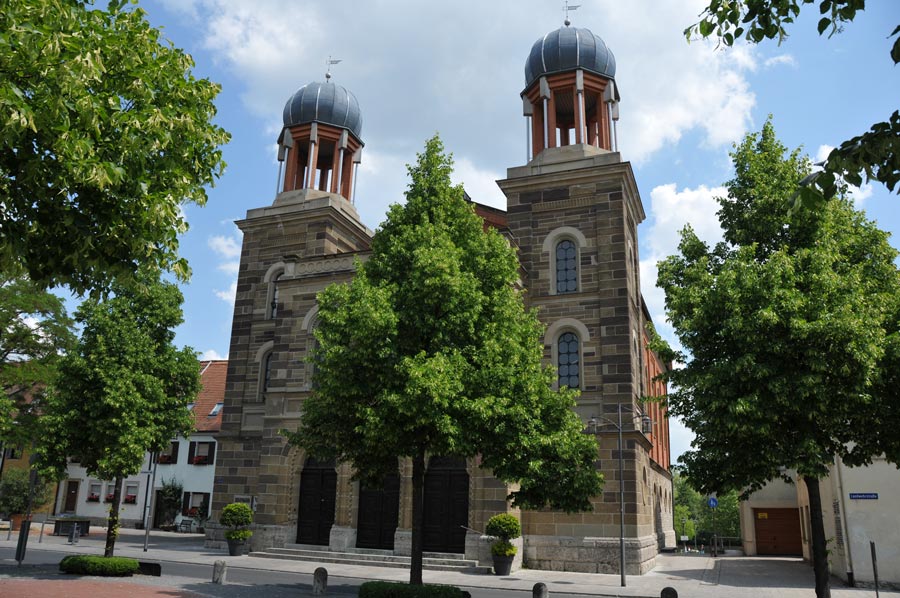 Right by the large town gate, we discovered a beautiful natural garden filled with a variety of blooming plants another perfect spot to linger and take photos. The same applies to a medieval staircase right next to the main entrance's watchtower; constructed using a block-timber technique, it remains remarkably well-preserved. Staircases of this type typically consist of just two massive supporting beams and steps made from halved log sections, skillfully hewn with an axe. These are small, rare details that speak volumes. We made the most of the remaining daylight before heading back to Albertshofen.
Please read as well: