


Birding – A Trend: Tips for Beginners
- Written by Portal Editor
Birding watching birds? Isn't that just for nerds, or for people with gray hair and beige outdoor gear? This stereotype was widespread for a long time and certainly not without reason.
But the image of people gazing up at the sky is currently changing: the hobby is now known as "birding," and it has become a genuine trend, especially among teenagers and young adults.
 They share their sightings on social media, meet at dawn in city parks, and organize "ornicamps." Birding is a way of observing nature that is both exciting and relaxing. And with a few simple pointers, anyone can quickly gain insight into the world of feathered species. Leonie Kütemeyer, a nature educator at the German Wildlife Foundation (Deutsche Wildtier Stiftung), is a birding expert; here, she offers tips on how to get started quickly with this fascinating hobby.
Birding - Being in the Right Place at the Right Time
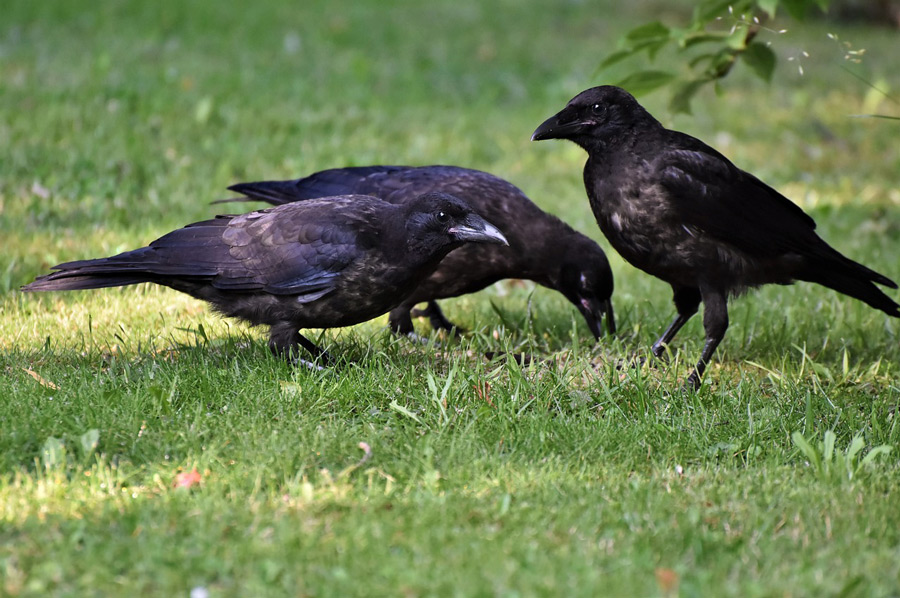
 "If you walk through the landscape with your eyes and ears open, you’ll encounter birds almost everywhere carrion crows, sparrows, and pigeons in the city; herring gulls at the beach; or a common buzzard hovering over a field," says Leonie Kütemeyer. "Some birders single out specific species they want to get to know, while others simply observe whatever is flying around in their local area." The best times for birdwatching are the early morning and evening hours: "Most birds are active just before sunrise and sunset," the expert notes. Owls, on the other hand, are best seen and heard under the starry night sky. Many places offer opportunities for exciting discoveries: "Nature and landscape conservation areas are fantastic, as they often feature viewing platforms overlooking particularly interesting spots, such as gathering points or breeding grounds. But bird enthusiasts can also make great observations in cities in cemeteries, allotment gardens, parks, or on old industrial brownfield sites," says Kütemeyer.
Birding - Bring binoculars along
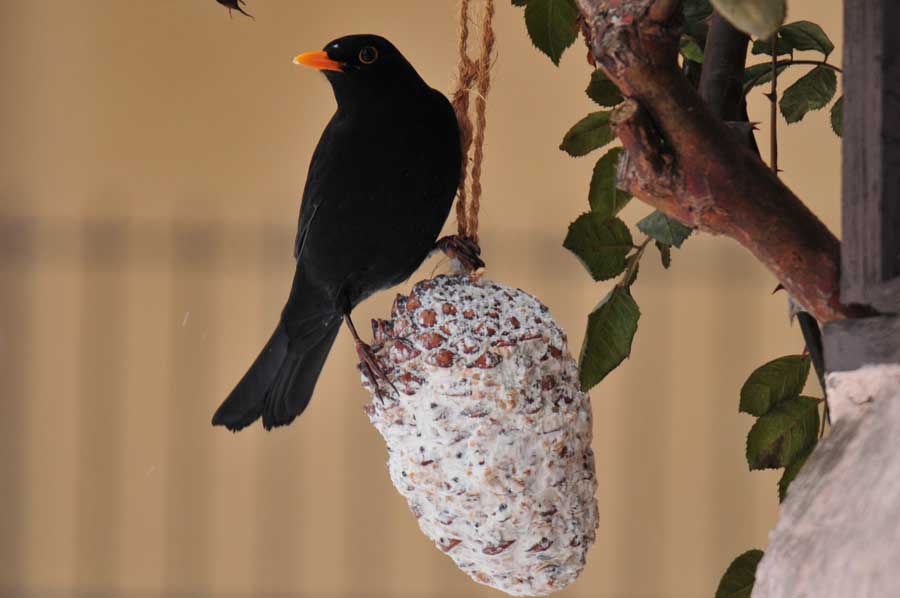
 Anyone wanting to identify birds needs binoculars. What does the beak look like, for instance? Is it long and tweezer-like, as seen in blackbirds and other songbirds that use it to skillfully extract worms and larvae from the ground? Or is it the compact, powerful beak of seed-crackers like the hawfinch? Birds of prey have hooked beaks for killing and tearing apart their catch. For those wishing to spot such characteristics, 8x42 binoculars are a great choice: eight-fold magnification and a 42-millimeter front lens diameter. The larger the lens, the more-light the binoculars capture, making them better suited for observation in poor lighting conditions. "Magnifications of eight or ten times, with objective lens diameters between 30 and 42 millimetres, are standard in birdwatching," the ornithologist notes.
Use identification aids
 A good field guide is also part of the essential gear. A recommended choice is a bird guide that depicts the species of Europe and neighbouring regions using detailed illustrations showing various plumages summer and winter plumage, juvenile plumage, and the coloration of both sexes. "Those who prefer a digital approach will find identification apps to be useful tools, allowing for identification via song recordings, photos, or identification keys," says Kütemeyer. Proper Clothing and Appropriate Behaviour
Some birds can be easily observed from the comfort of your own patio. However, it is even better to head out into nature to a meadow or a forest. This requires sturdy, practical clothing. Pockets provide space for mosquito and tick repellent as well as a notebook for recording special sightings such as a rare migrant along with the location and date. For a longer excursion, it is worth packing some provisions. Anyone wishing to observe birds should remain quiet. Slow, deliberate movements are important, as birds are sensitive to sudden gestures or loud noises. It is better to stand or sit quietly by a hedge or at the edge of the woods rather than walking around. And, of course, the rule is: stay on the paths.
Sharing observations – and contributing to science
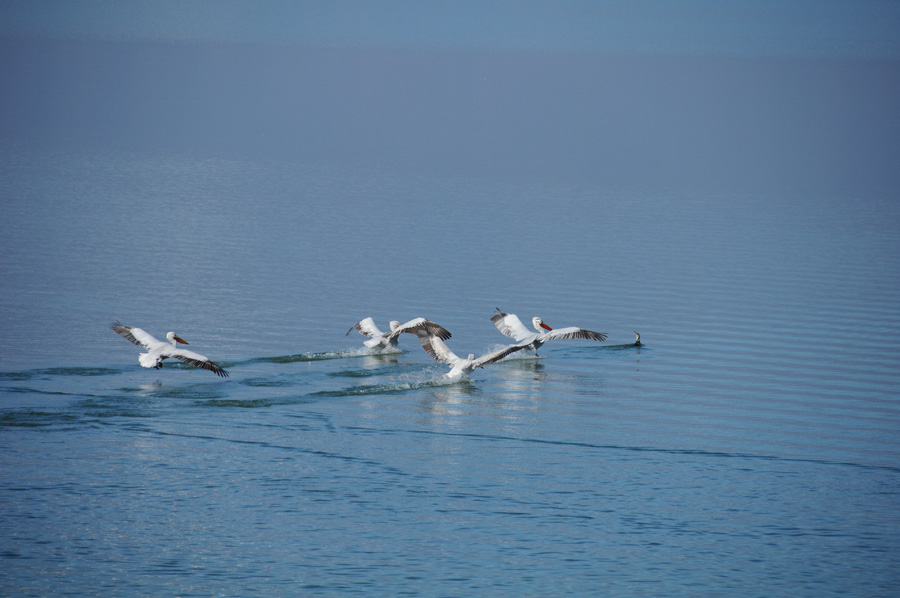 If you would like to document your observations while also contributing to scientific research, you can report them via online platforms like ornitho.de or the NaturaList app. The *Dachverband Deutscher Avifaunisten* (Federation of German Avifaunists) a partner of the German Wildlife Foundation consolidates this data for scientific analysis and species conservation efforts. You can also upload photos to these platforms. Online forums allow bird enthusiasts to exchange information and connect with like-minded people.
Many nature conservation organizations offer guided excursions. Experienced guides not only show you where and how to look but also help you identify bird calls a skill that greatly enriches the birdwatching experience. The "Botschaft der Wildtiere" (Wildlife Information Centre) in Hamburg also showcases many native bird species. This interactive exhibition offers a wealth of fascinating information about nature providing the perfect foundation for heading out on your own exploration tour afterward.
Extra tips: Please do not disturb rules of conduct in the field
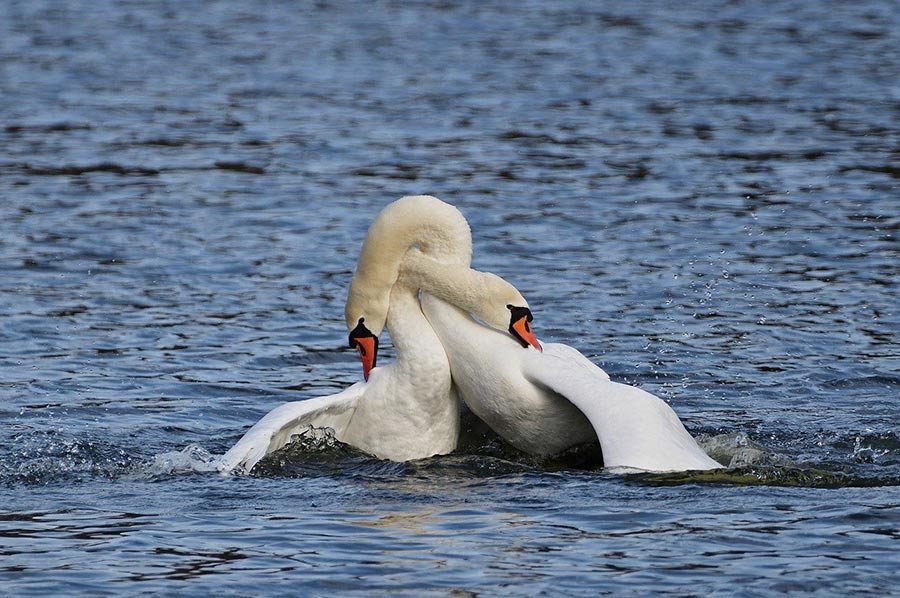
- Stay on designated paths.
- Do not approach birds too closely; avoid disturbing them.
- Stay well away from nests. Disturbances can cause parent birds to abandon their brood, leaving eggs or chicks to get dangerously cold.
- Do not pursue or chase birds for instance, to get better photos or a closer look.
- Do not attempt to lure birds using audio recordings. This can trigger territorial behaviour, cause stress, and disrupt brood-rearing activities.