


Naab - Bicycle tour from Pielenhofen campsite along the river
- Written by Portal Editor
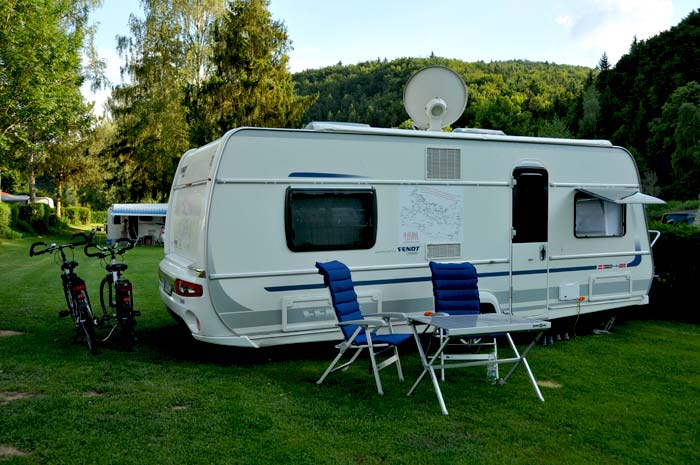
Naab - We set off in the morning for our first bike ride along the river from the scenic and well-maintained Pielenhofen campsite, situated right on the banks of the Naab a river renowned far and wide among canoeing enthusiasts.
 A short while later, we reached the centre of Pielenhofen. Just past the bridge, roughly in the middle of the village, the Naab is dammed to create a weir; however, this poses no real obstacle to the river's abundant fish population.
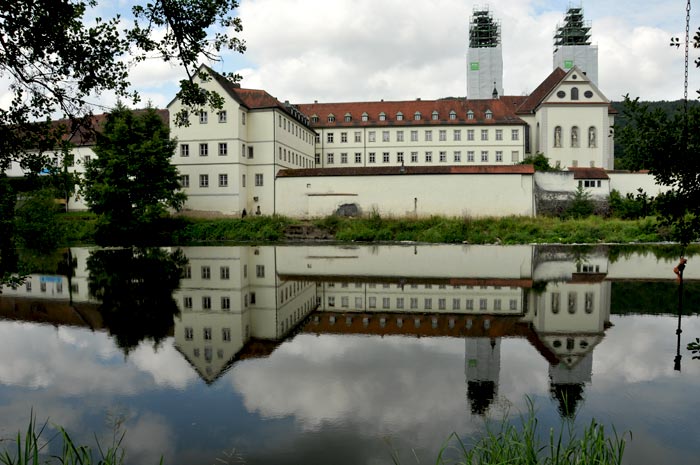
 On the opposite bank stands the magnificent Pielenhofen Monastery, originally founded by Cistercian nuns in 1240. Until 2013, the monastery housed a boarding school for the Regensburg Cathedral Choir (Regensburger Domspatzen); its director for nearly 30 years was Georg Ratzinger the Cathedral Choir Master and brother of the future Pope.
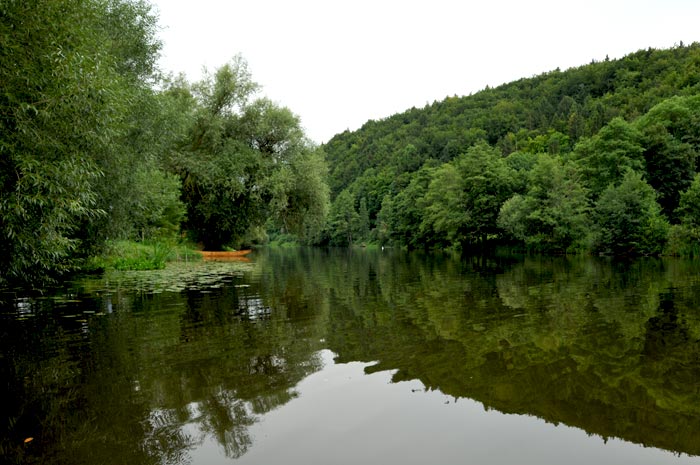
 When the wind is calm, the surface of the Naab acts like a mirror, reflecting the houses along the bank in the water.
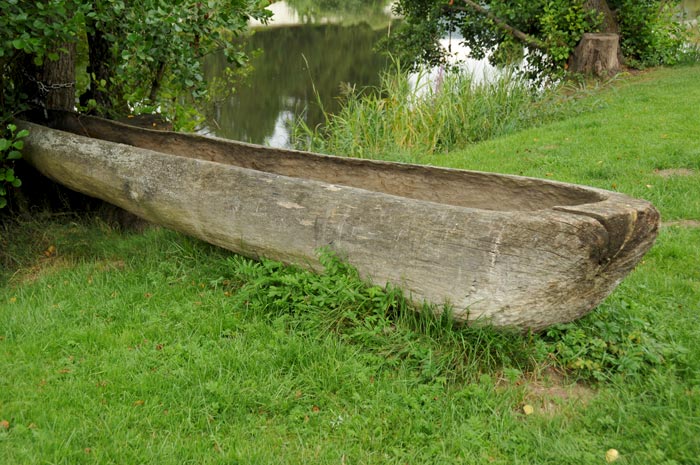
 Just a few meters further on, we came across an old, hollowed-out tree trunk resembling a dugout canoe; however, due to several holes, it was no longer seaworthy. Even so, it was securely chained down to prevent it from being washed away during high water.
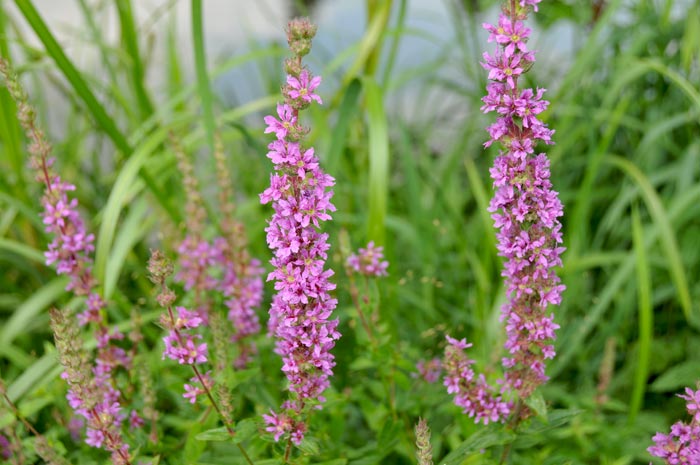
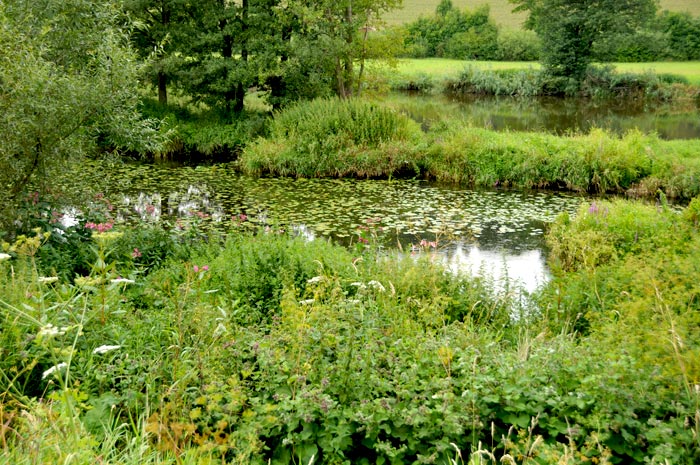 We had travelled only a few kilometres and left the last houses of Pielenhofen behind when we found ourselves surrounded by wildflowers and riverside blossoms. The entire riverbank remains in its natural state, providing a habitat for a variety of plants and animals.
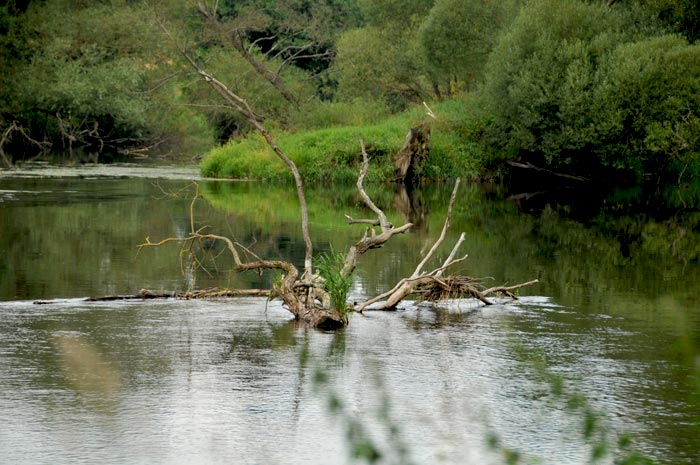
 The course of the river itself is also largely undisturbed, meaning that debris such as this section of a tree is left in place. It took years for nature conservation ideas to gain widespread acceptance, and years more for nature to reclaim the diversity of its habitats. An example typical of many regions in Europe and Asia Minor.
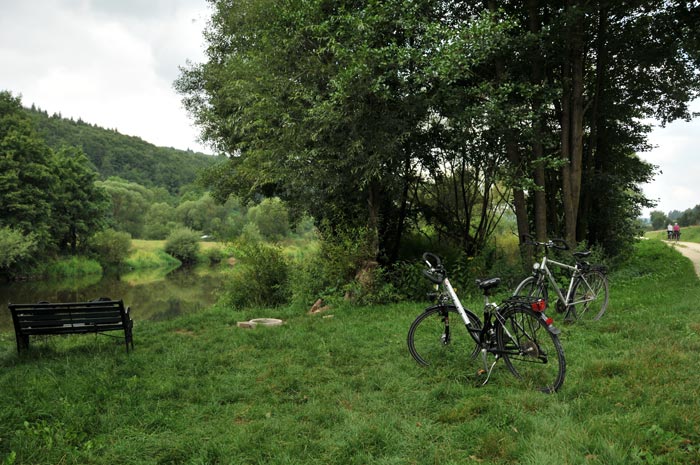
 Far from the noise of the road and often equipped with a bench, there were numerous vantage points offering views of the Naab River or its oxbow lakes inviting spots to linger and observe.
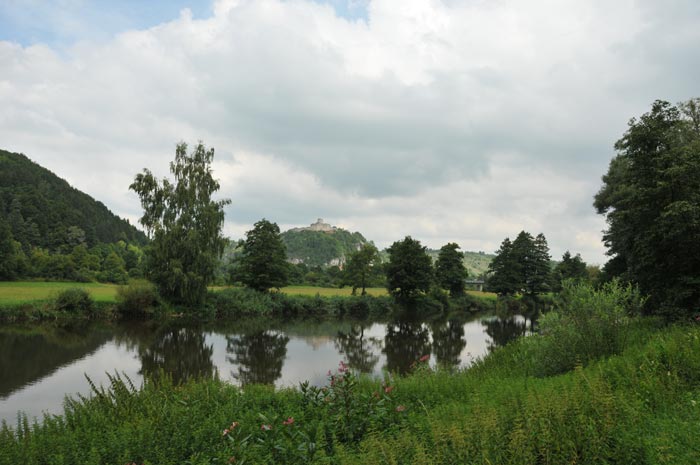 It is almost miraculous to see how lush the local nature can be, and to witness the sheer splendor of colour and the richness of the many varying shades of green at play here.
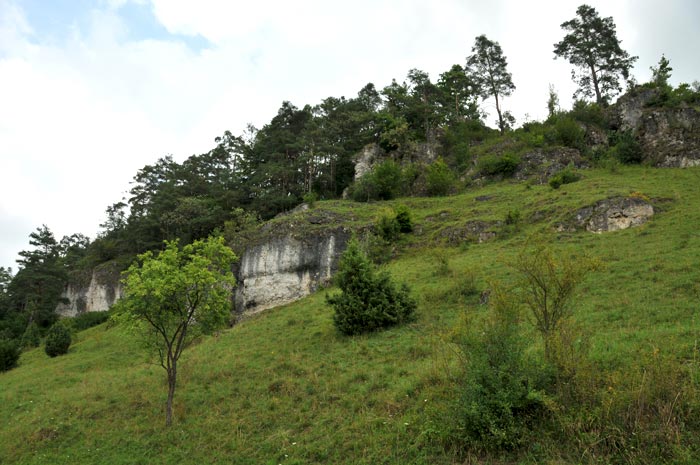
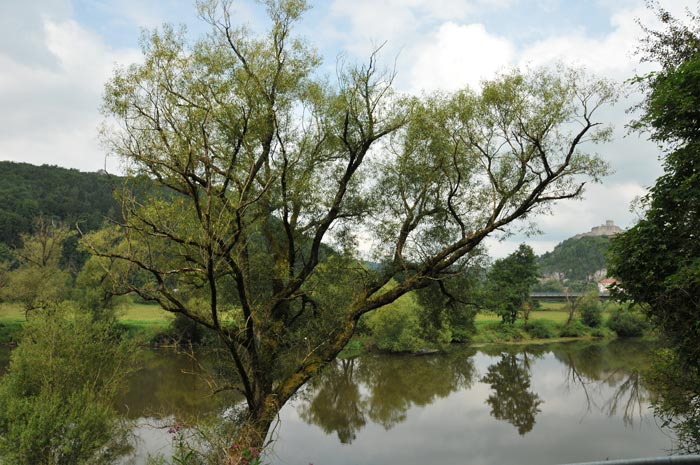 Over millennia, the Naab carved its way through the limestone hills; erosion caused the bare rock to emerge in many places as steep cliff faces.
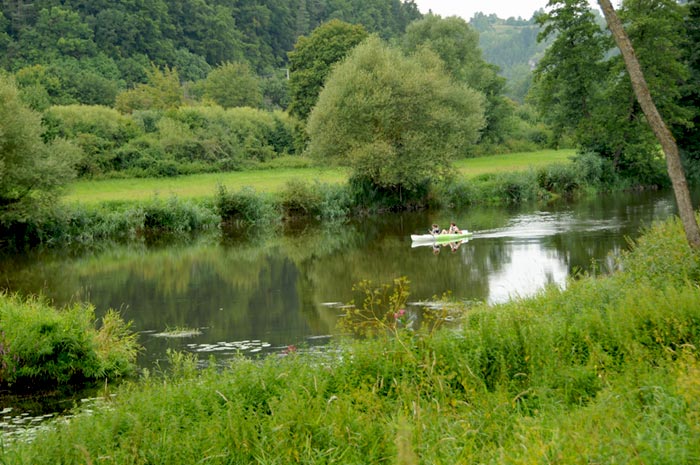
 Every now and then, we encountered canoeists paddling downstream toward the Danube. While there were occasional groups organized by local outfitters, long-distance canoeists clearly predominated. Carrying all necessary equipment on board, this outdoor activity has seen significant growth.
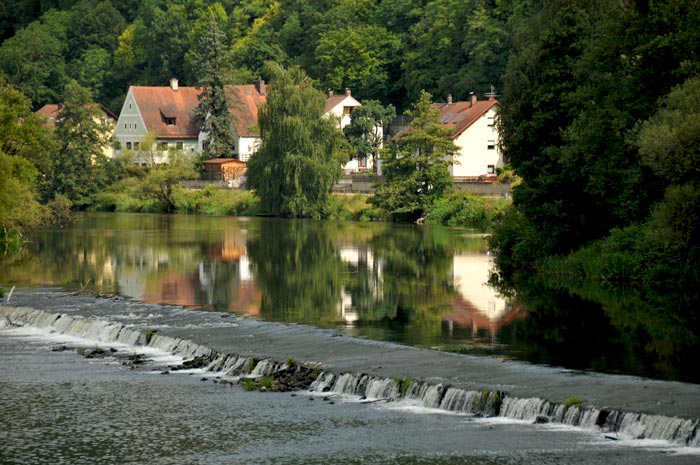 Whenever the wind died down even slightly, the river transformed into a mirror reflecting the surrounding landscape. It was a magnificent interplay of shadow and colour on the glassy water's surface. In the background, our destination for the day Kallmünz Castle was already coming into view.
 And here is another glimpse of the medieval town of Kallmünz and its historic castle complex a place we have described in greater detail in both our article and a separate blog post.
Please also read: