


Avis Type 3 – Robert’s Preparations for the Tour to Monte Carlo
- Written by Portal Editor
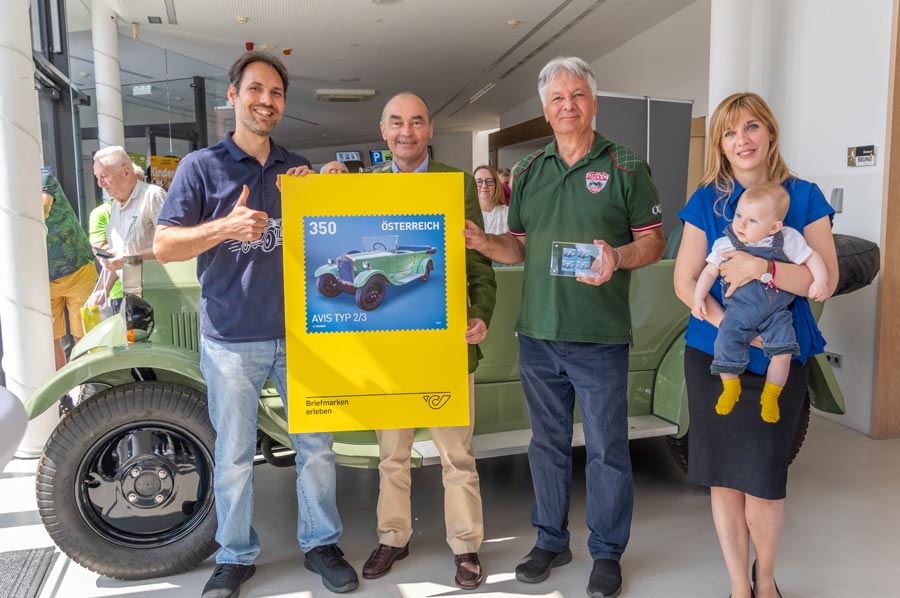
Avis - We previously reported on the Avis Type 3 discovered and subsequently restored by Robert Krickl in an earlier article; here is an update on the progress of his "Tour to Monte Carlo" project.
Following its successful restoration, the Avis is not intended to remain merely a museum piece; this vehicle model has a score to settle a "historical sporting debt," as Robert calls it.
 In January 1926, an Avis factory team set off from Vienna in the middle of the night for the Monte Carlo Rally already a legendary event at the time. It was to be the first-ever entry by an Austrian team in this iconic race. Preparations went perfectly: the mechanics held up, and the times achieved were outstanding. But then, while crossing the Alps in Carinthia, nature intervened. Snowdrifts meters high made the roads to Tarvis impassable, and the snow-plow had not yet been invented. The Avis team was forced to abandon the attempt mechanically sound, yet halted by the elements.
In 2026 exactly 100 years after the original attempt this unique vehicle is set to complete the journey to Monte Carlo that was denied to it in 1926. Through Robert Krickl’s "Mission Monte Carlo 2026," Austrian automotive history is not only being preserved but brought back to life for the public, both in the media and on the road. A crowdfunding campaign was launched specifically for this extraordinary undertaking, and numerous sponsors dug deep into their pockets to support the project. We would like to mention a few of these partners here:
Avis – A Phoenix from CraftLab
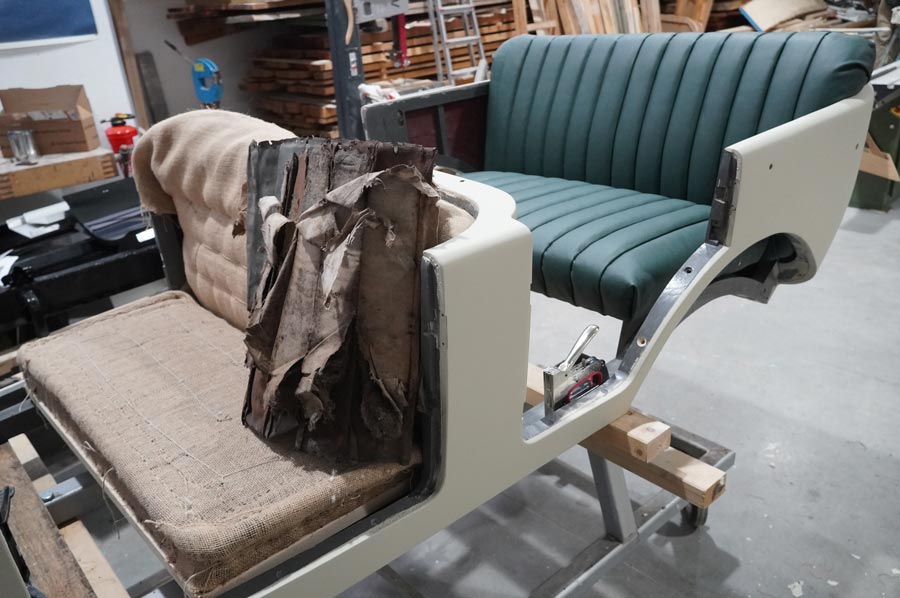
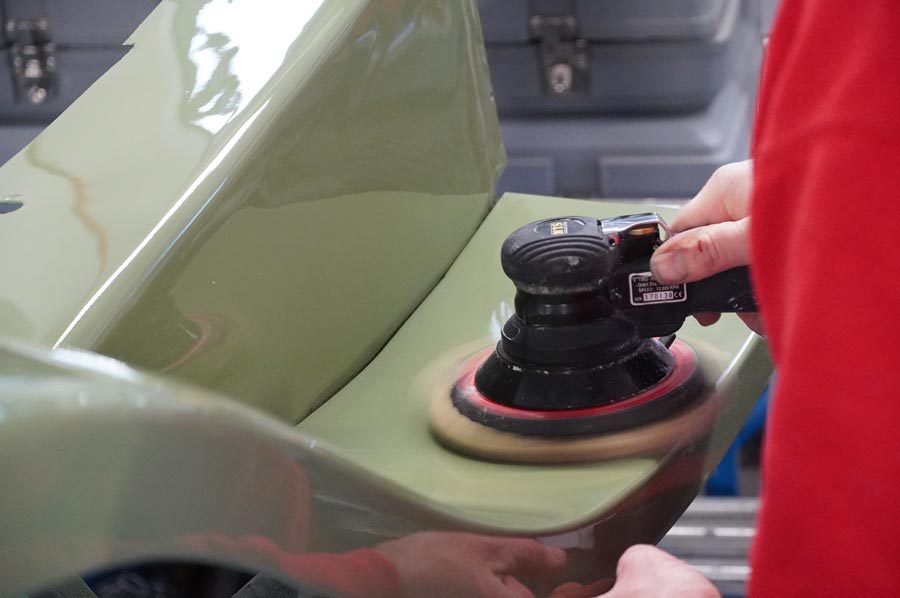 Rescuing the "barn find" was akin to an archaeological excavation often quite literally so. In the CraftLab workshops in Pitten, the car was dismantled screw by screw, at times appearing barely recognizable. In this regard, the Avis revealed true brilliance at least for its time: the designers had incorporated lightweight construction expertise from aircraft manufacturing into the chassis. For Robert Krickl, the car is therefore far more than just sheet metal and wood. "Historic vehicles are rolling witnesses to history tangible documentation of our technical, economic, and social development," he emphasizes.
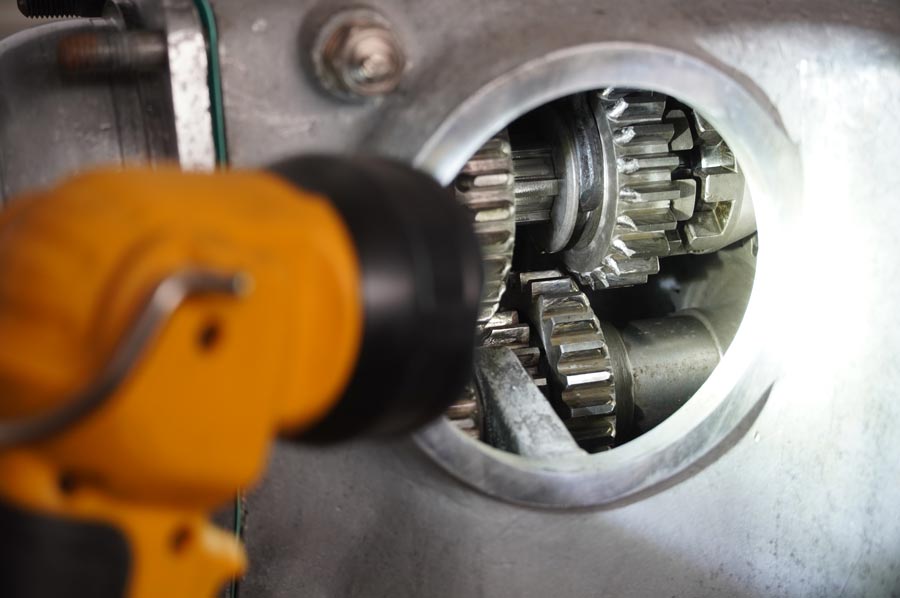 Researcher Krickl is particularly fascinated by the continuity of personnel involved. Designers who learned their craft at Avis later made history developing "people's cars" like the VW Beetle and the Goggomobil. Today, people often wonder: if only VW had stuck to "people's cars" perhaps with battery power, but aimed at the masses instead of trying to break into the upper-middle-class market. For Krickl, the singing 20-hp boxer engine of the Avis contains the DNA of the vehicle that would mobilize the world decades later. He therefore refers to the car almost reverently as the "grandfather of the Beetle." The car underwent years of meticulous restoration, accompanied by scholarly research, and was even honored with a special commemorative stamp by Austrian Post. Today, this unique vehicle stands in the Museum Niederösterreich in St. Pölten in the very spot where the Republic’s state limousine used to be parked.
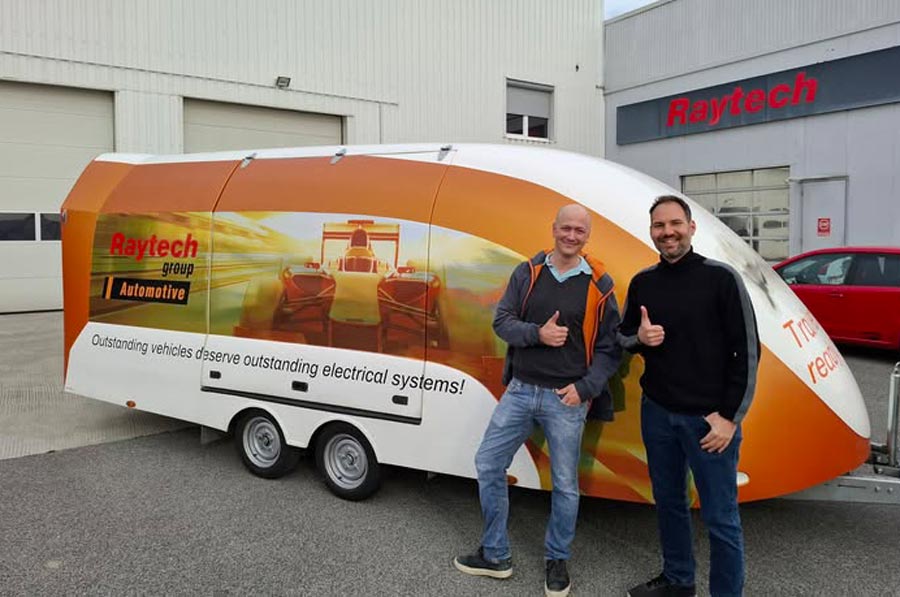
The RaytechGroup a leading specialist in automotive electrical systems had already provided active support during the vehicle's restoration. To protect the Avis during the journey to Monte Carlo, Robert sought a professional trailer for its transport. Once again, the RaytechGroup stepped in to help.
Avis Summer 2026 – Off to Monaco
 To grasp the significance of Robert Krickl’s discovery of the car in a barn, one must travel back at least in one's imagination to 1924. Austria was a hub of numerous technological ambitions at the time; Avis was the Austrian counterpart to the Junkers Group an aircraft manufacturer that carried airmail and broke records before the economic hardships of the interwar period forced it back down to the harsh reality of the ground. The company subsequently diversified into automobile manufacturing, yet its designers remained true to their visionary roots.
When the car was produced in 1925, Austria was a republic just seven years old, on the path to becoming a federal state with Rudolf Ramek serving as Chancellor. The Habsburg monarchy had abdicated in 1918. Meanwhile, in Germany, Paul von Hindenburg was serving as Reich President of the Weimar Republic.
Democratizing the Road
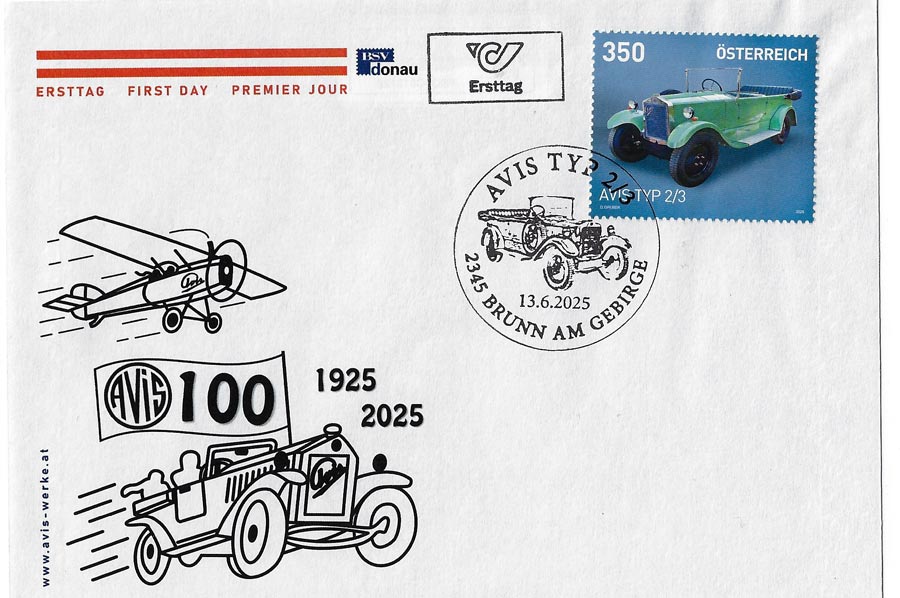 The fact that hardly any Avis cars exist today is no coincidence, but rather a tragic consequence of the company's own philosophy. "The cars were intended primarily to be affordable while remaining as efficient as possible," explains Krickl. Avis aimed for the "democratization of motoring" cars for the masses rather than the upper class, much like Volkswagen once did in Germany. Yet, it was precisely this suitability for everyday use that proved to be their undoing. While high-end sports cars were carefully preserved, the small Avis cars vanished into the "resource-hungry maw of the Second World War" or simply rotted away. "It is a well-known phenomenon that the survival rate of basic vehicles is significantly lower than that of luxury sports cars, despite higher production numbers," the researcher notes. Then there was the choice of materials: the mixed-construction design, featuring extensive use of wood, rarely survived the decades spent in damp barns.
Although the route to Monte Carlo is being planned for the summer of 2026 to avoid snow and road salt thereby protecting this precious, one-of-a-kind vehicle the mission itself remains unchanged.
Schedule and nature of the drive:
 As things stand, the journey will begin in St. Pölten in late August (calendar week 35), heading first to Vienna and then Brunn to ensure the historically significant locations are covered. The route then proceeds south at a pace of approximately 200 km per day, with at least two public stops daily. Robert’s team would be delighted if people came by to say hello and fellow vintage car enthusiasts are, of course, warmly welcome too!
While there are no plans for others to join the drive between stops, it is not forbidden either. Key waypoints on the route will definitely include the Red Bull Ring (Austria’s motorsport hub) and Villach (where the mission had to be abandoned in 1926). Tour details are currently being finalized. The journey will then continue into Italy though Robert cannot say too much about that yet, as discussions are still ongoing. An official reception hosted by the ACM will take place in Monaco (during weeks 36–37).
We will keep you posted.
Please also read:
Avis Aircraft and Automobile Works – a new project by R. Krickl