


Forest is not an amusement park!
- Written by Portal Editor
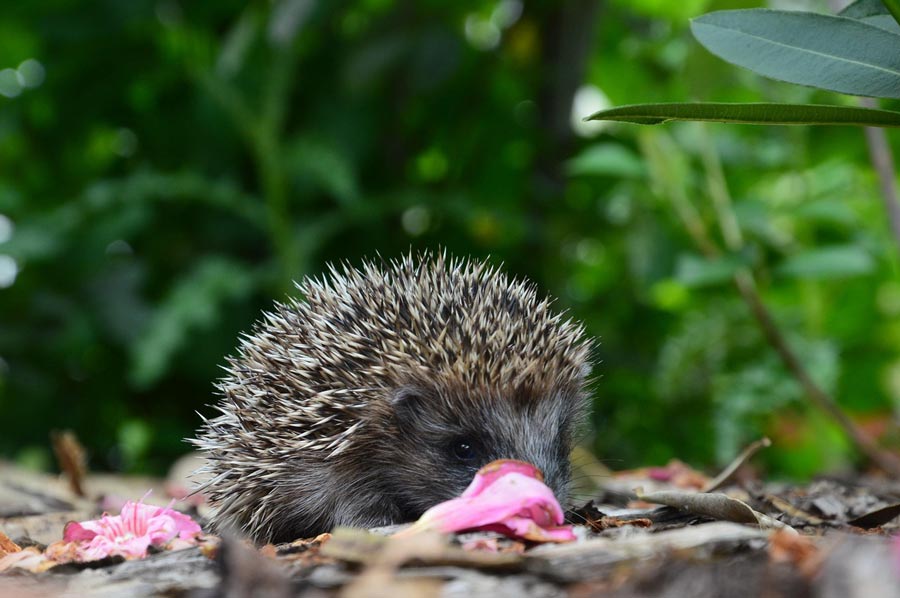
Forest - Let's begin the story like this: Our friend Patrick is one of those people who loves to go into the woods as soon as the leaves start to change colour in autumn, to search for mushrooms for one of his consistently delicious dishes, which we've enjoyed together on several occasions.
The region around Strasbourg really does offer excellent opportunities for this.
Since Patrick is also often out in nature, and above all, "consciously" almost silently, he always has his camera "ready to shoot." He has often surprised us with wonderful photos, and this time was no exception. Both Patrick and the deer were very surprised when they met. But since there was obviously no danger from either of them, there was no need for any frantic attempts to escape. They calmly observed each other for a while, each keeping the necessary respectful distance, until each went back to their own activities.
The German Wildlife Foundation calls for more consideration for wild animals.
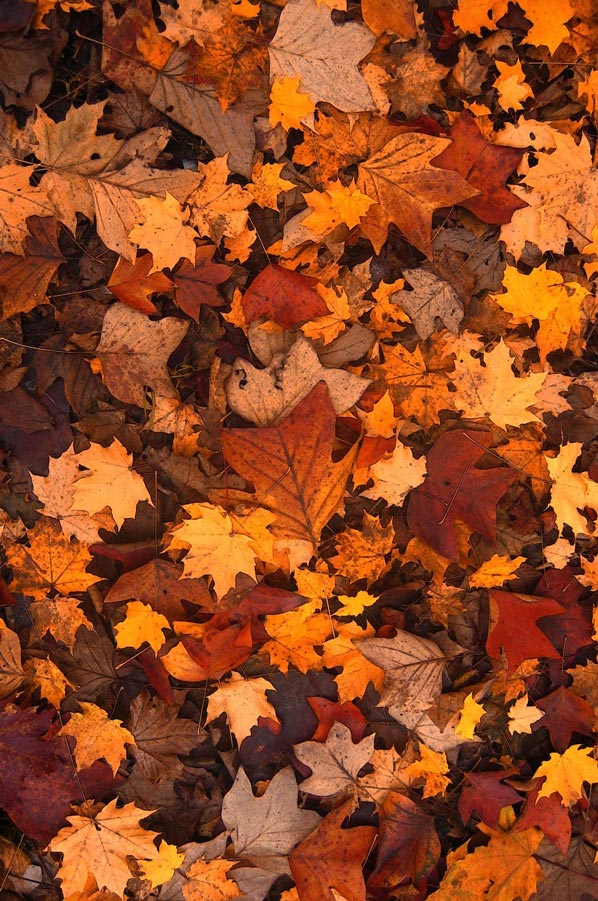 Our forests are never more colourful than in autumn. Meteorologists are already predicting a "golden October." Colourful leaves, warming rays of sunshine – autumn is drawing many people outdoors, especially during the long weekend: mushroom hunters, mountain bikers, dog walkers, hikers, and geocachers are all out and about. Some are searching for porcini and chanterelles to cook, while others use GPS receivers to locate small containers in caves or among tree roots, searching for a geocache in an electronic treasure hunt. Fitness enthusiasts, on the other hand, are having a blast on their mountain bikes, pedalling off-road through the terrain. Whether you're a gourmet, a cyclist, or a treasure hunter, anyone who leaves the designated paths is encroaching on wildlife territory and disturbing the animals.
The animals' habitat is being turned into a human amusement park. "Sports, fun, and games are an unpredictable disturbance, especially for our large wild animals like the red deer," says Dr. Andreas Kinser, forestry and hunting expert at the German Wildlife Foundation. "Disturbances lead to flight and thus stress for entire herds," Kinser continues. When stress becomes overwhelming, the animals no longer leave the protective thickets and are forced to satisfy their hunger with forest plants. Such "damage" often leads to disputes over the size of the red deer population. To resolve the conflict, more animals than necessary are often shot.
 "The German Wildlife Foundation is not about banishing people from nature," emphasizes Kinser. "It's about showing consideration for wildlife." Areas should be designated in our forests where mushroom picking is permitted, and other areas where strict trail rules apply, so that wild animals can engage in their natural behaviours undisturbed. Mountain bikers should stay on designated routes, and geocachers should absolutely not hide their "treasures" in nature reserves or in the thickets. "Recreational activities in the forest should be completely avoided, especially in the early morning hours and after sunset," demands Kinser. Because of human activity in the forest, the red deer, which is actually diurnal, has long since become a crepuscular and nocturnal animal.
The deer and humankind! To resolve the conflict surrounding the use of wildlife habitats, the German Wildlife Foundation recommends organizing all user groups into so-called game management associations. The publication "The Deer and the Human," featuring contributions on the further development of game management associations, was released in early September. Information can be found at www.Rothirsch.org. The publication can be ordered by calling +49 40 970 78 69 10.
Eva Goris / Press Officer
German Wildlife Foundation
Billbrookdeich 216
22113 Hamburg
Please also read: