


Spotted Eagles - For World Wildlife Day on March
- Written by Portal Editor
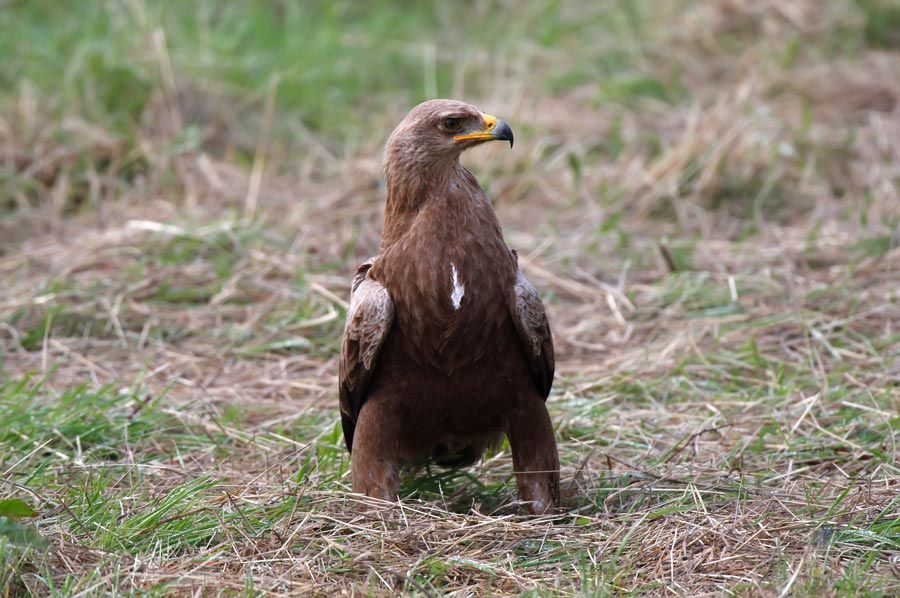
Spotted Eagles are globetrotters – and live in extreme danger as a result. As thermal soarers, they can only migrate overland.
On their return flight from Africa, they must therefore fly east around the Mediterranean and cross the Middle East, where they face the threat of being shot by illegal raptor hunters. The perpetrators are after feathers, beaks, or talons as trophies – and the perceived glory that comes with killing these impressive birds. Social media provides the platforms to boast about these deeds.
Dangerous Homecoming: Lesser Spotted Eagles Threatened by Illegal Raptor Hunting
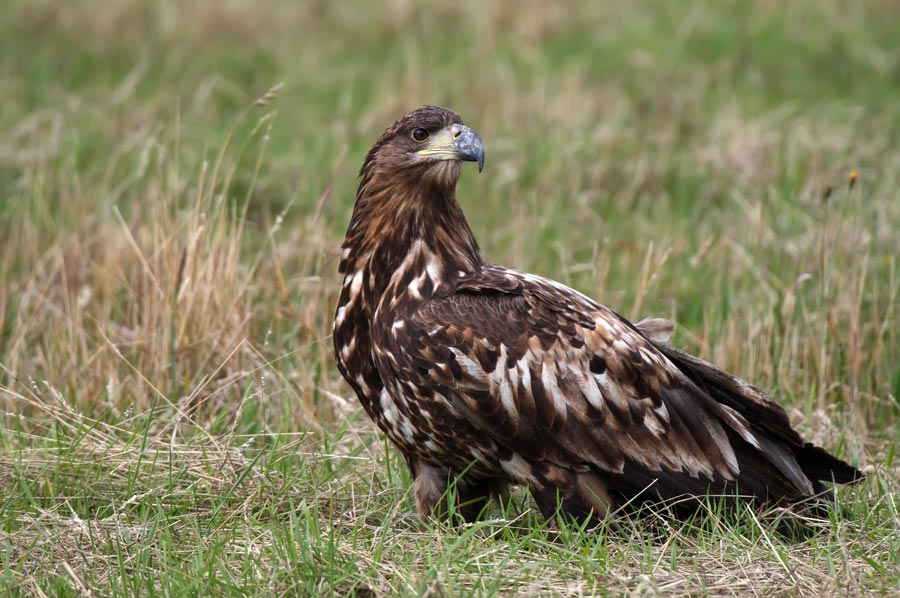 World Wildlife Day on March 3 coincides fittingly with the time when these birds of prey travel this perilous route. The contradiction between the shootings in the Middle East and the conservation measures in Europe demonstrates that species conservation is a global challenge, especially for migratory species like birds of prey.
Therefore, the German Wildlife Foundation is committed to global raptor conservation. It raises awareness of the issue among internationally active hunting and species conservation organizations and facilitates contacts with the Secretariat of the Bonn Convention – the UN Convention on the Conservation of Migratory Species of Wild Animals, based in Bonn. Cross-border regulations are the basis for ensuring that illegal hunting can be prosecuted and punished abroad as well. At the same time, conservationists in anti-poaching camps try to prevent illegal killings through their on-site presence.
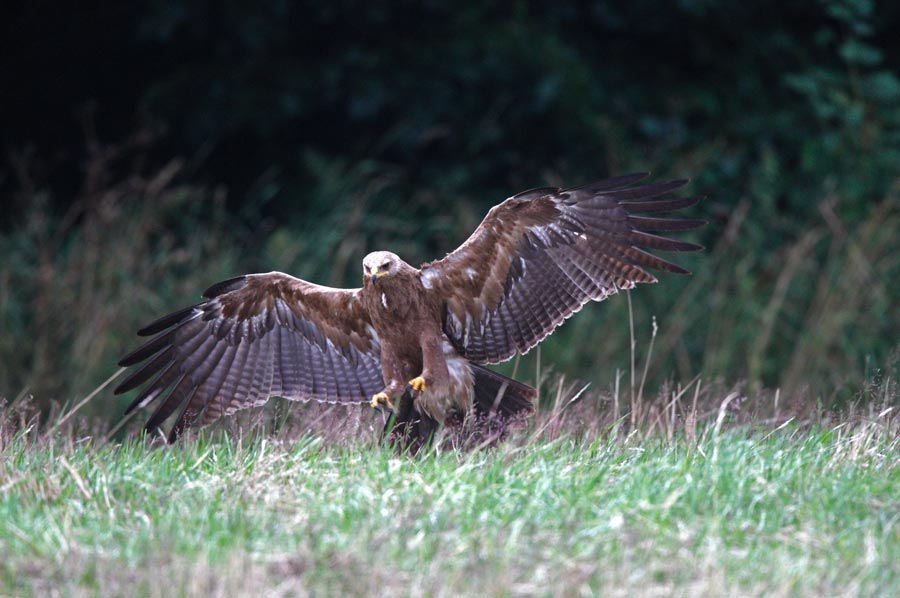 Here in Germany, conservationists from the German Wildlife Foundation are also working to ensure the survival of eagles. Since summer 2024, it has been collaborating with the NABU Foundation for National Natural Heritage and the Mecklenburg-Western Pomerania Foundation for Environmental and Nature Conservation on the National Species Conservation Program "Together for the Lesser Spotted Eagle." With only about 140 breeding pairs remaining in Mecklenburg-Western Pomerania and Brandenburg, every single bird counts. “Lesser spotted eagles only begin breeding at around five years of age and usually raise only one chick per year. That's why it's so important that as many adult birds as possible survive and can continue to breed for a long time,” says Christiane Röttger, coordinator of the National Species Conservation Program. The program runs until 2028 and is funded with approximately nine million euros by the Federal Agency for Nature Conservation (BfN) with funds from the Federal Ministry for the Environment, Climate Protection, Nature Conservation and Nuclear Safety (BMUKN).
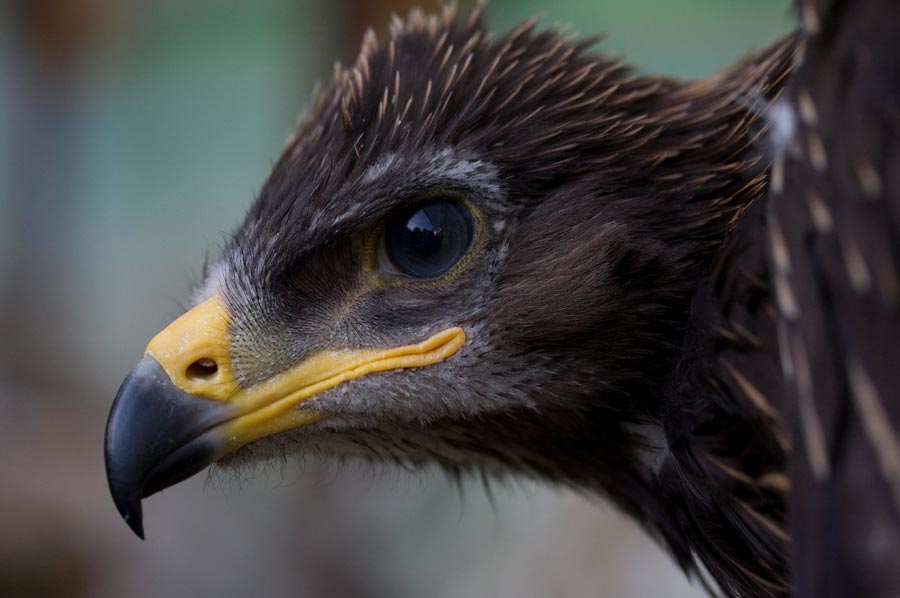 The investments are primarily focused on landscape management: “The goal is for the returning birds to find intact nests in undisturbed forests and an abundant food supply when they arrive in April,” says Röttger. Eighty nest monitors are currently working to secure the raptors' habitats and ensure they have the most peaceful breeding season possible. Extensively managed meadows, damp depressions, and restored small bodies of water are particularly important, as these are home to field mice and frogs – the eagles' main prey. Experts also advise farmers on how to manage their land in a way that is favorable to lesser spotted eagles, for example, by regularly mowing their fields, since lesser spotted eagles hunt their prey on foot on the ground.
The conservationists are hopeful: "Last year, 67 lesser spotted eagles were ringed as part of our project. We are confident that all the birds will return safe and sound," says Röttger. "Once they begin breeding, another small but important milestone will have been reached."
The migration of lesser spotted eagles can be tracked almost in real time via satellite telemetry.
Click here for the lesser spotted eagle fact sheet.
Jenifer Calvi / Press Officer
German Wildlife Foundation
Lucy-Borchardt-Straße 2
20457 Hamburg
Please read as well: