The Angora Goat and Mohair Wool from the Ankara Region
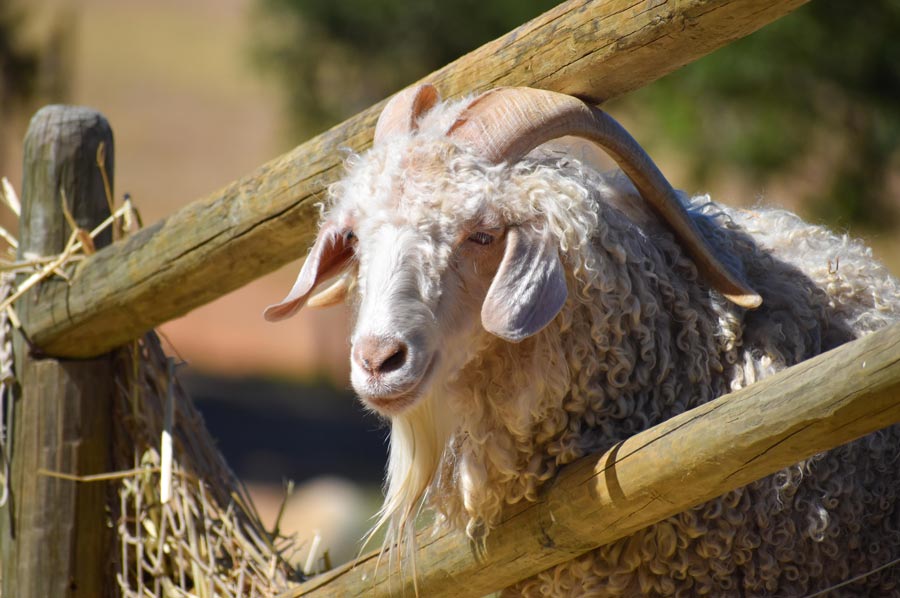
A clearly defined area surrounding and lying to the west of Ankara is the home of the Angora goat, which was brought from the Caucasus by migrating nomads in the 13th century.
It derives its name from the city of Angora modern-day Ankara which was its exclusive habitat. Its fleece, the source of mohair wool (from the Arabic muchajjar), grows to a length of approximately 12 to 20 cm and is very fine, lustrous, and slightly curly. Pure mohair notably the lightest of all natural fibres is very delicate; consequently, in our region, it is typically blended with sheep's wool for use as knitting yarn.
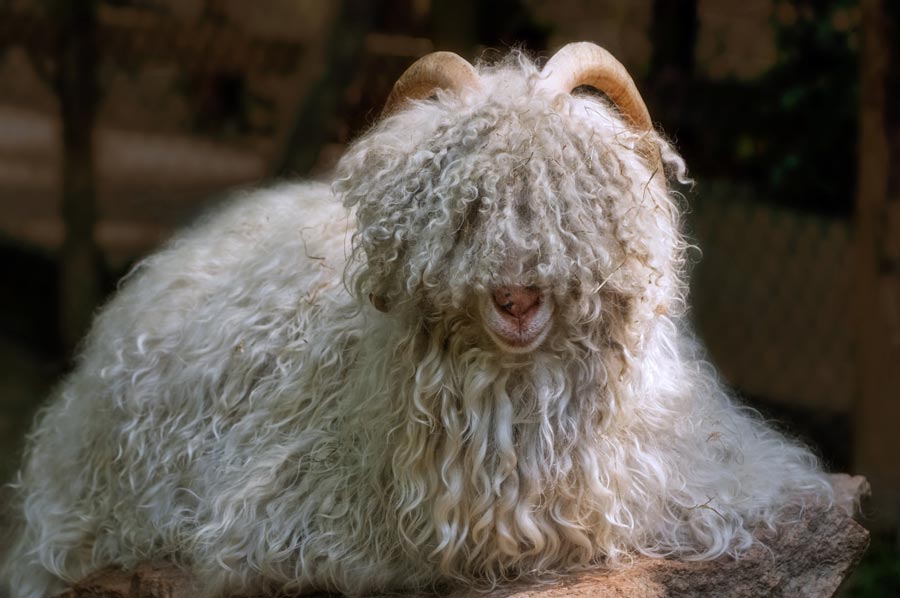 The wool of this goat has long been highly prized. However, all attempts to export the breed failed. For instance, in 1554, Guiselin van Busbek the Flemish envoy of the German Emperor Ferdinand I proposed to his government that a few specimens be imported from Anatolia. This venture was unsuccessful, as were the attempts made by other travellers right up into the 19th century. Breeding and processing were established as a monopoly of the Sultan and were concentrated entirely in the area around Ankara. When Armenians attempted to gain a foothold in this sector during the 19th century, wool production went into decline a trend that was only halted through the intervention of a confidant of the Sultan. Small herds of this goat breed still exist today, though their economic significance is minimal. Evliya Çelebi reports on the beauty and quality of the wool
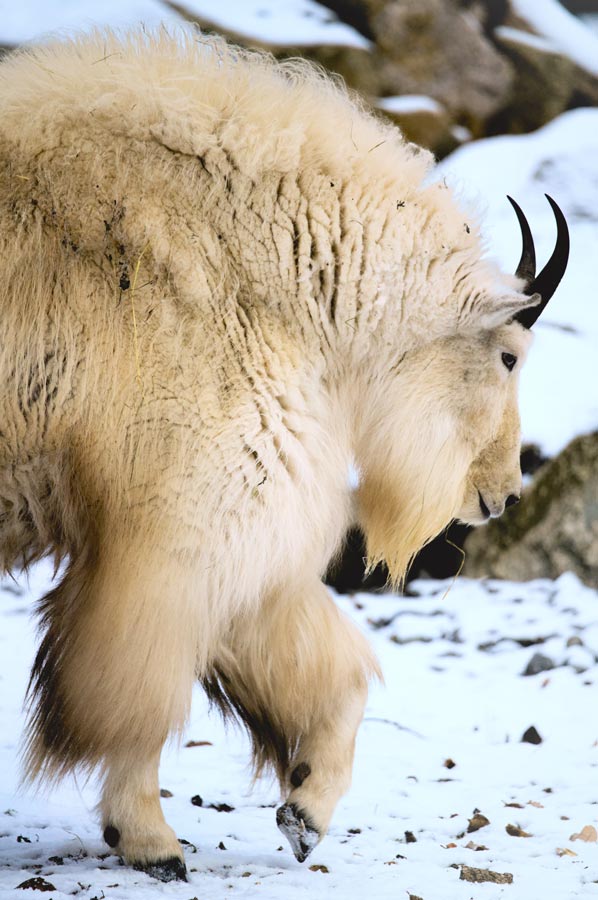 The third shearing was considered the most valuable; the fibre quality was the finest, and only about 1 kg of the coveted wool was obtained per goat. It was transported to Angora (Ankara), where women spun it into yarn and workshops processed it into lustrous, silky fabrics. The bolts of fabric were then sent to the Sultan's court, where they were fashioned into the magnificent garments we can admire in museums today.
As early as 1648, the Turkish traveller Evliya Çelebi praised the beauty and quality of the wool and admired its silky sheen, while also describing the brutal method used for the third "shearing." Each hair was plucked from the goats individually a process that, as he noted, was extremely painful for the animals. However, by the 19th century as reported by the French archaeologist and traveller Charles Texier in 1862 the third shearing was being performed using shears.
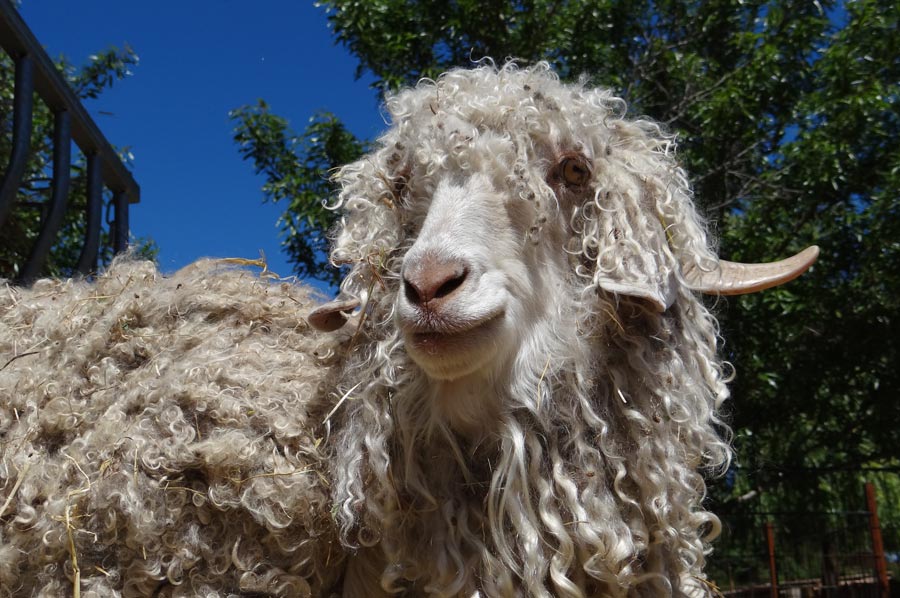 Today, the Cashgora goat is bred in Australia and New Zealand; this is a cross between Cashmere goats and Angora bucks that combines the Cashmere goat's characteristic fibre fineness with the Angora goat's luster and brilliant whiteness. Beyond Turkey, the Cashgora goat is now widely raised in Texas, South Africa, and Afghanistan.
Please also read:
MissionMonteCarlo26 – A Visit to the Museum After Arrival
Damlatas Park – A highlight featuring a cave and Cleopatra Beach