Bats – A Crash Landing for Creatures of the Night!
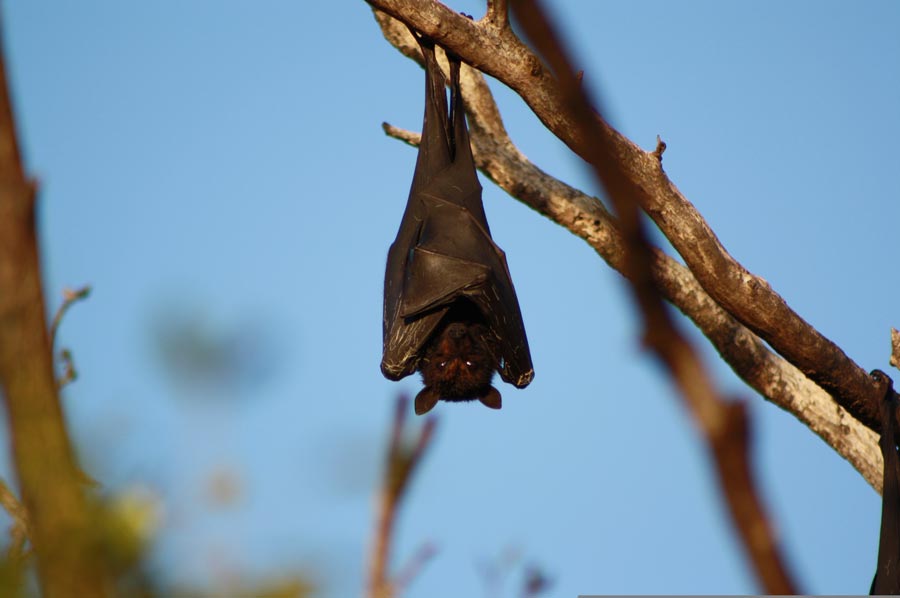
"International Bat Night" draws attention to the plight of bats.
Like many other creatures of the night, bats are often viewed with suspicion and suffer from prejudice. This coming weekend, the "International Bat Night" an event observed across Europe will feature activities and programs organized by local nature and wildlife conservation groups, shedding light on the secret lives these animals lead in the dark. Local excursions are designed to spark a sense of fascination for bats. This marks the 17th year that "Bat Night" (August 24–25) has been held. "These skilful fliers are facing a total 'crash landing': many native bat species are threatened with extinction!" says Peer Cyriacks of the German Wildlife Foundation (Deutsche Wildtier Stiftung).
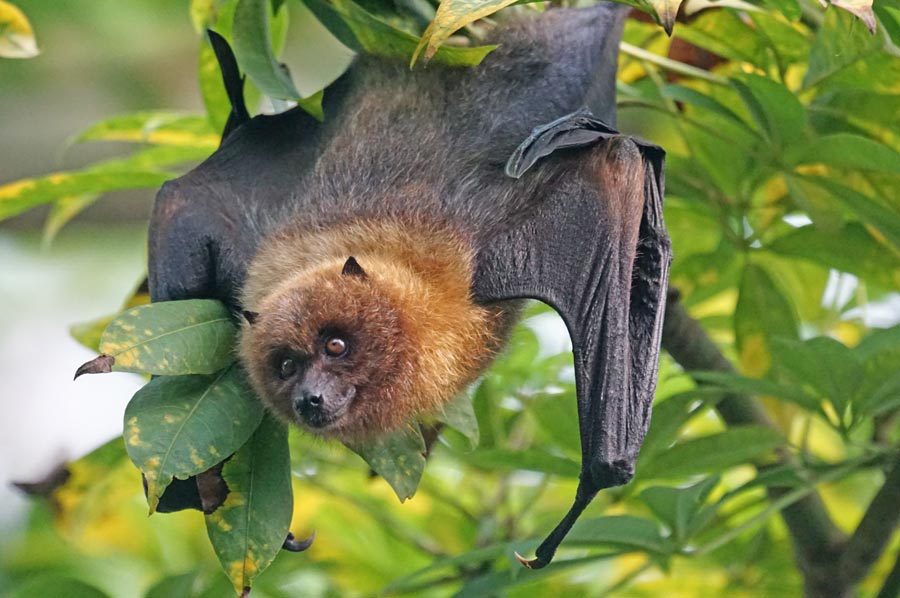 Of the approximately 750 bat species worldwide, 22 are found in Germany. They bear names such as the Greater and Lesser Horseshoe Bat, the Barbastelle (or "Pug-nosed" Bat), and the Greater Mouse-eared Bat.
Every species living in Germany is threatened and appears on the Red List of endangered mammals.
In monotonous, uniform forests, they lack places to shelter during the day or to raise their young; there are too few old trees with cracks, knotholes, or abandoned woodpecker hollows.
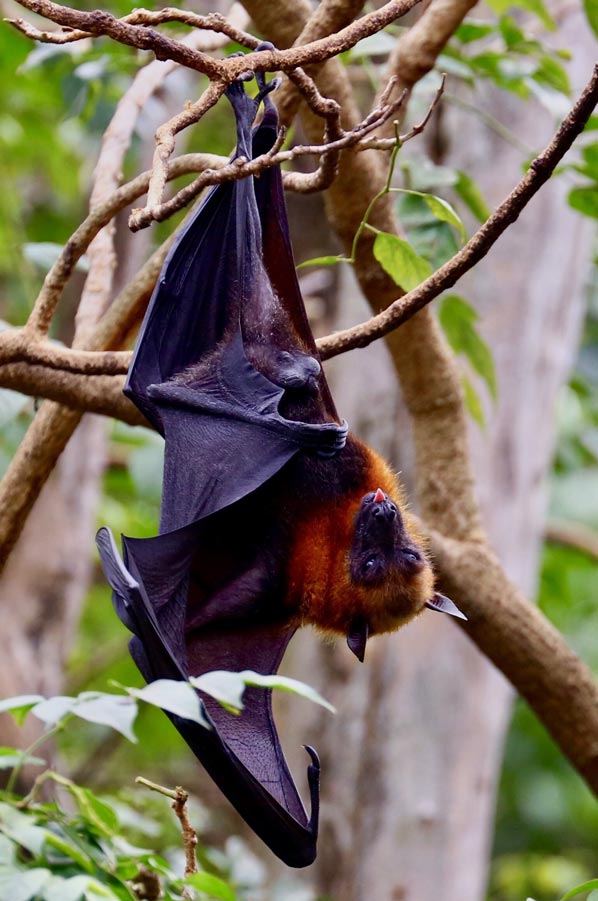 "In open landscapes dominated by monocultures, they are finding fewer and fewer of the insects they desperately need for food," explains Peer Cyriacks. "Fallow land filled with wildflowers and herbs has all but disappeared, as too many chemical agents are being sprayed to kill off insects."
Furthermore, the rotating blades of wind turbines also pose a significant threat. Bats are fascinating animals: interestingly, they "see" using their oversized ears, which function like satellite dishes.
They navigate their surroundings through a form of ultrasonic echolocation. By emitting ultrasonic calls and listening for the returning echoes, bats create "auditory images" of their environment.
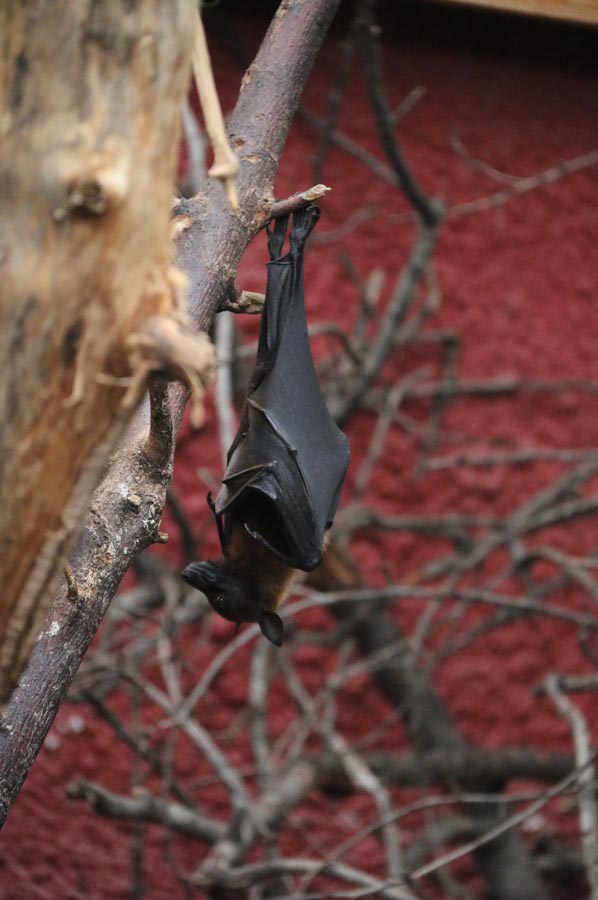 This allows them to fly at incredible speeds with millimetre-level precision. Their eyesight, by contrast, is rather poor. Female bats are devoted mothers; they give birth to one pup per year, which they nurse with their own milk.
They also support one another in raising their young. There are communal "nurseries" where the offspring huddle together much like in a daycare centre waiting for their mothers to return from hunting insects.
In some tunnels or caves, tens of thousands of bats can be found hanging upside down from the ceiling. While bats can live for up to 30 years, few actually reach such an advanced age.
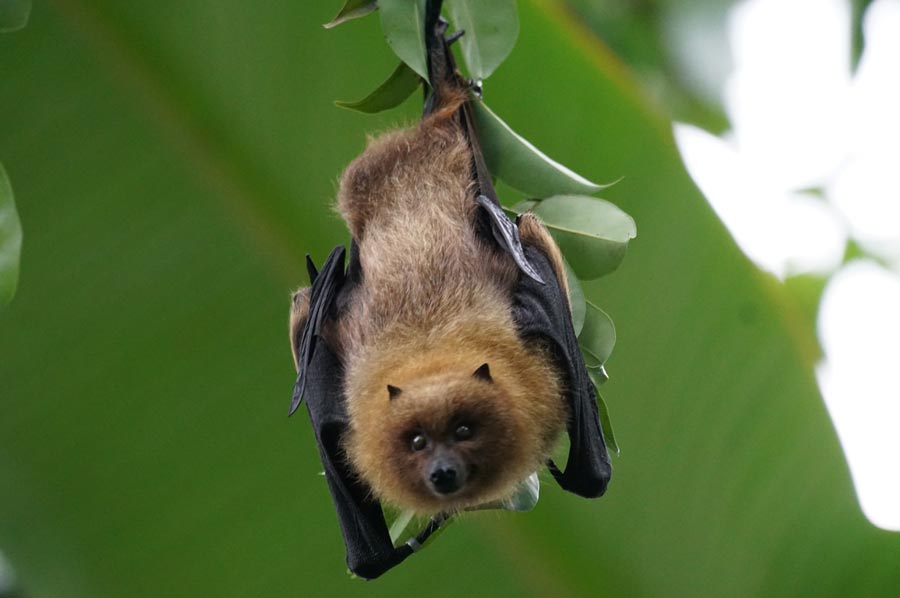 Bats can also be found in cities, where they often hunt moths beneath streetlights. In urban environments, church towers and attics serve as substitutes for natural caves. However, the modernization of buildings has become a problem, as bats can no longer find the entry holes, cracks, or crevices they need to access structures and roof spaces. Installing "bat shelters" can help address this issue.
For more information, visit: www.Wildtierland.de
See also:
Angora goats and mohair wool from the Ankara region
Bochum – "Glück auf" (Good luck!) – a visit to a former mine