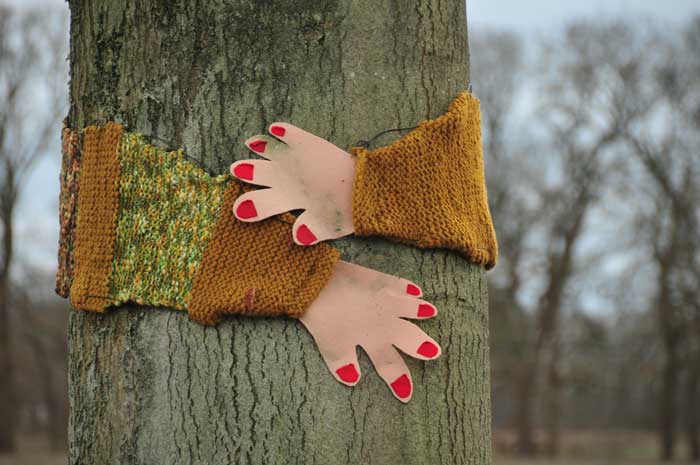
A Striking Presence: The Eurasian Jay at the Bird Feeder
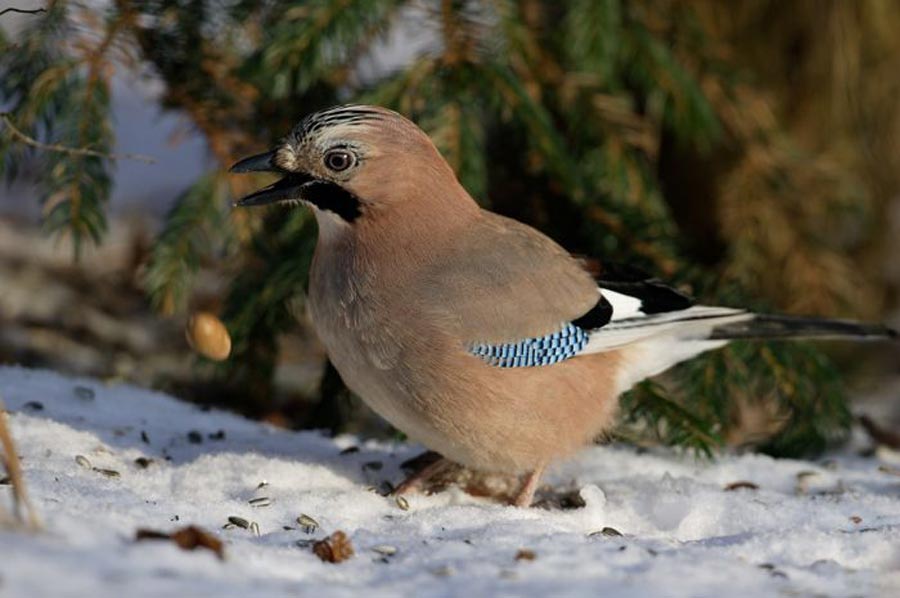
With a confident posture, a powerful voice, and brilliant blue feathers, the Eurasian jay is a truly charismatic bird. Biologically, it belongs to the order of songbirds though its calls bear no resemblance to the delicate chirping of a tit or the melodic flute-like song of a robin.
Reaching volumes of 60 decibels or more, its warning call is impossible to miss; when a jay spots humans or predators such as a goshawk or a marten it alerts other animals with a loud, harsh, grating cry. In this way, it acts as a vigilant guardian of the wild. And that’s not all: Eurasian jays are exceptional mimics, capable of imitating other sounds with startling accuracy for instance, they can perfectly replicate the call of a common buzzard.
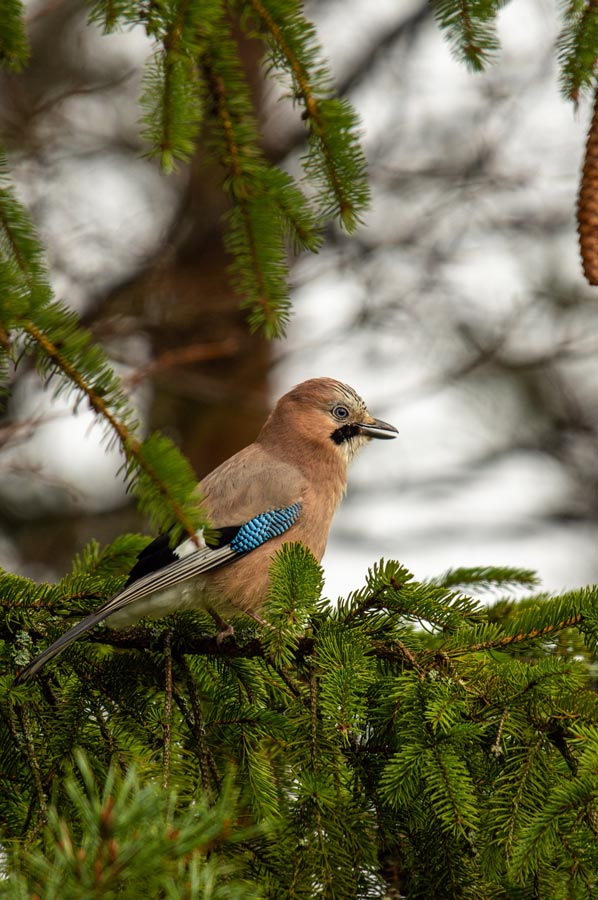 Within the order of songbirds, the Eurasian jay belongs to the corvid family (corvids) and is closely related to carrion crows, nutcrackers, and magpies. Like the native nutcracker, the Eurasian jay is generally considered a "resident bird," meaning it stays within its territory all year round. In winter, however, they sometimes receive visits from long-distance relatives: when food becomes scarce in their native Northeastern Europe, Siberian jays may migrate to Germany. This year, ornithologists even described the arrival of this subspecies as an "invasion." By the end of September, the first of thousands of these birds reached the German Baltic coast and the island of Helgoland. This influx is the most significant in over 30 years, with sightings reported across a wide area, stretching from Mecklenburg-Western Pomerania all the way to North Rhine-Westphalia.
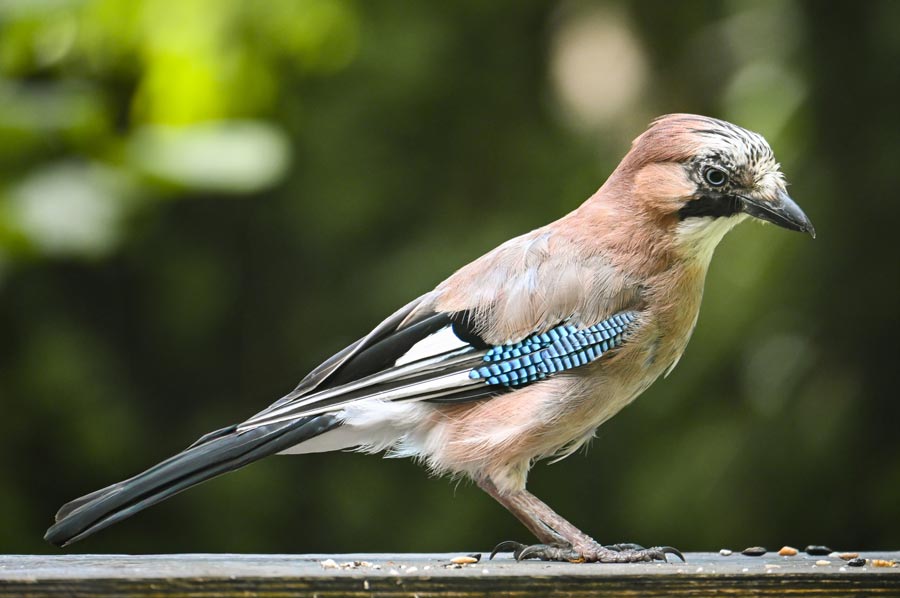 The Eurasian jay owes its name to its favourite food: the acorn. "Small acorns are usually swallowed immediately; large ones are buried in the ground as a winter reserve, while poor-quality ones are left behind," says Calvi. When the harvest is plentiful, the Eurasian jay really fills up: it can carry as many as ten acorns in its throat pouch, plus another one in its beak. It stashes its bounty in the ground underneath leaf litter or tree roots until, by the start of winter, thousands of acorns have been hidden away. Gardens that mimic natural habitats, complete with leaf litter and woody plants, help the jay find suitable hiding spots for its stores, even in residential areas.
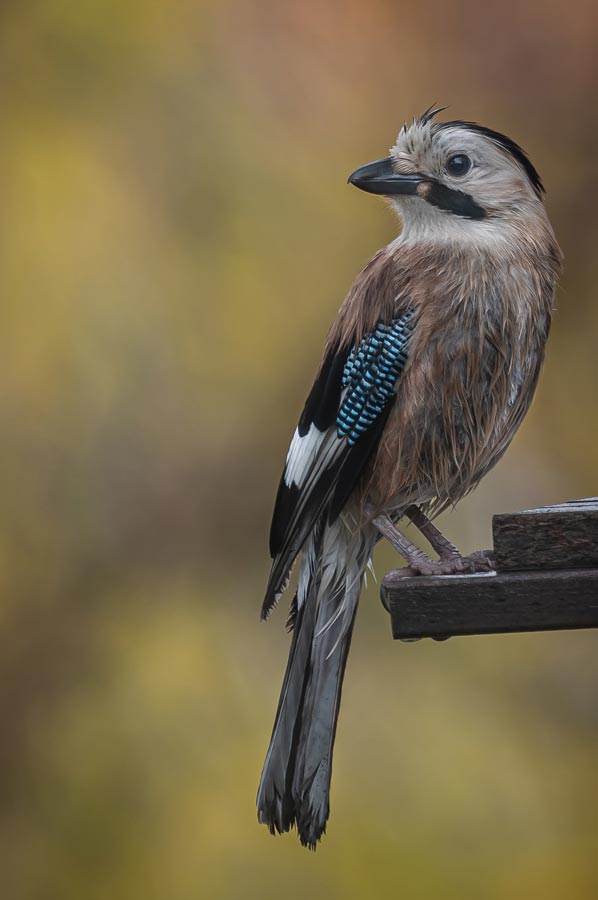 During this time, the jay is also a frequent visitor to bird feeders where it commands a certain respect: other, smaller birds wait patiently for it to finish before taking their own turn. "If you want to watch a Eurasian jay feeding, you need patience and stillness it’s a shy bird, and the slightest movement behind a windowpane will send it fluttering away," explains Calvi.
The jay doesn't manage to relocate every single hiding spot over the course of the winter. In doing so, it inadvertently helps the oak tree spread proving itself to be not only a fascinating neighbour but also a true boon for the forests of tomorrow.
photographer of the opening photo: Thomas Martin
Please read as well:
Meeting of Roof Tent Nomads - continuous rain but the area fills!
Stand-up paddling Lake Ohrid - meeting Linda & Jochen