


Kargıhan Caravansary under inspection of Kaimakam
- Written by Portal Editor
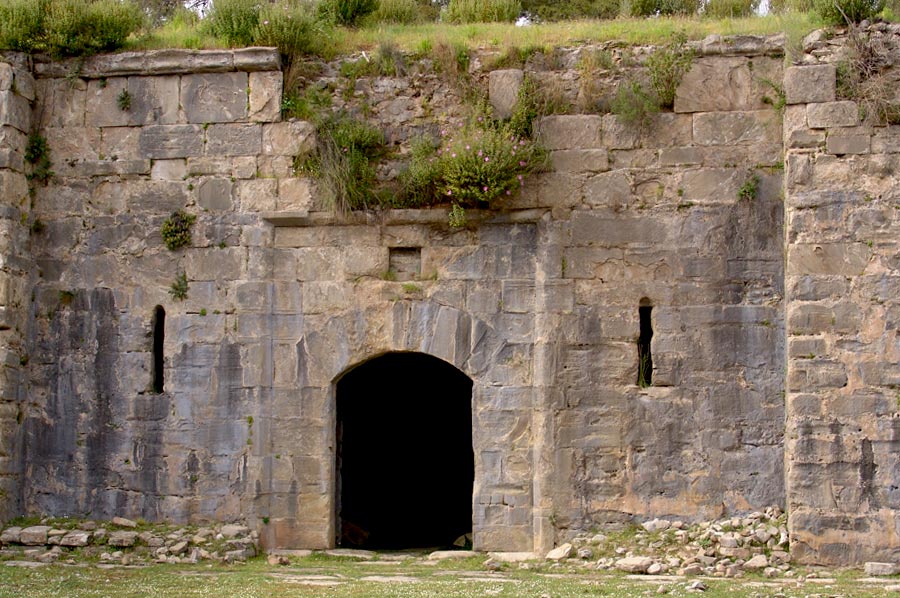
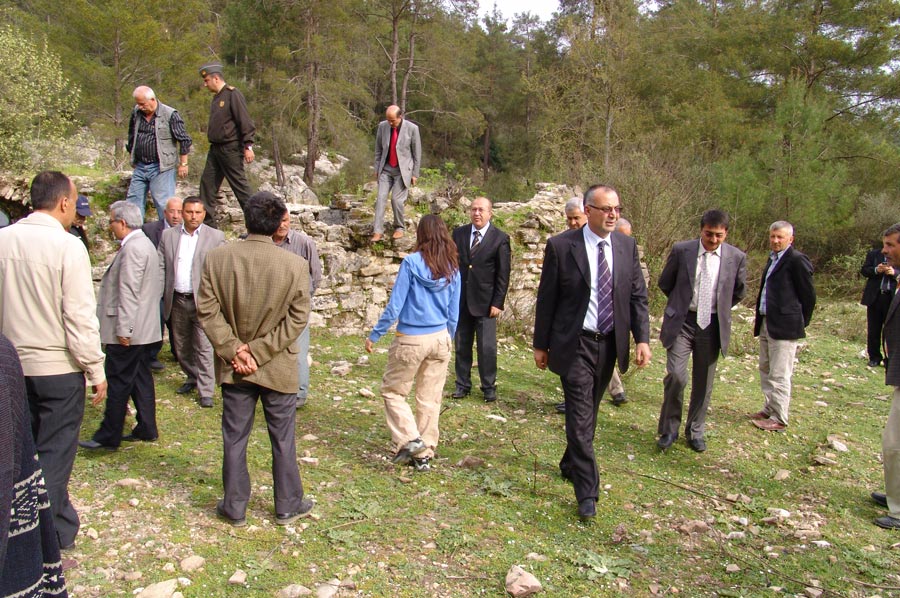
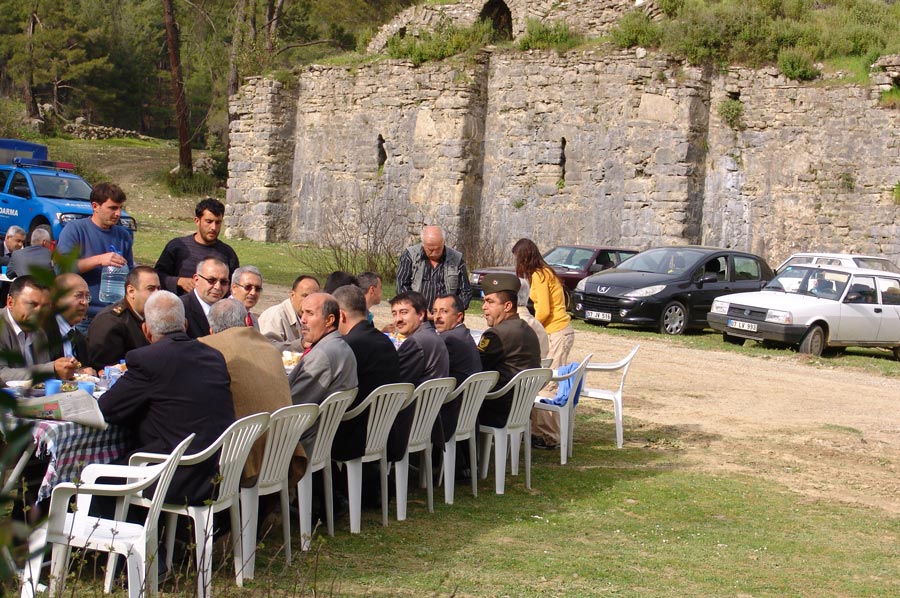
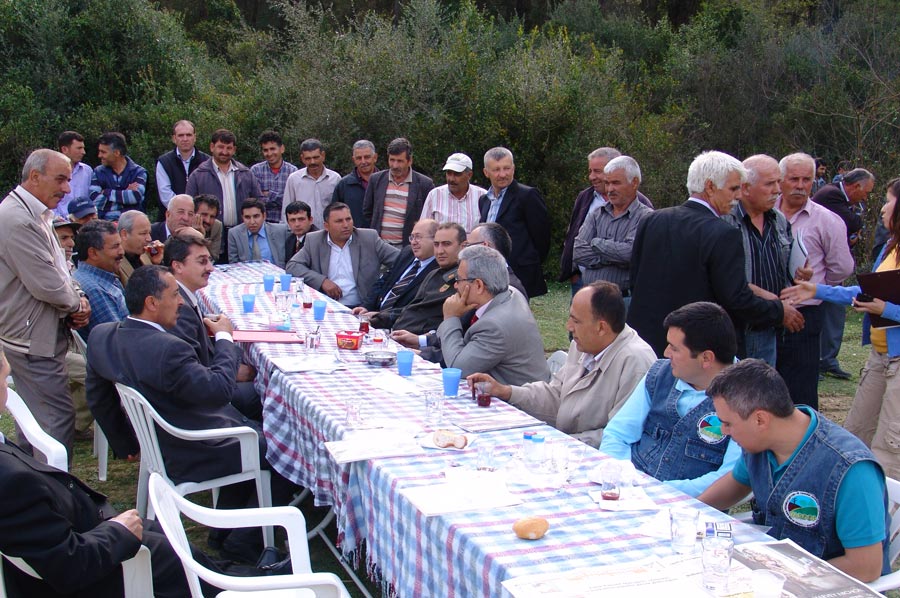
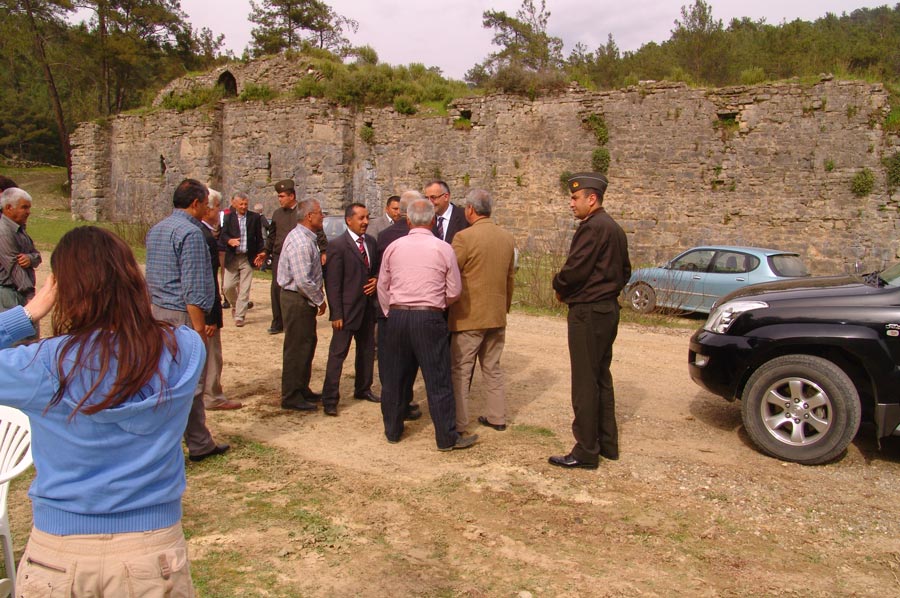
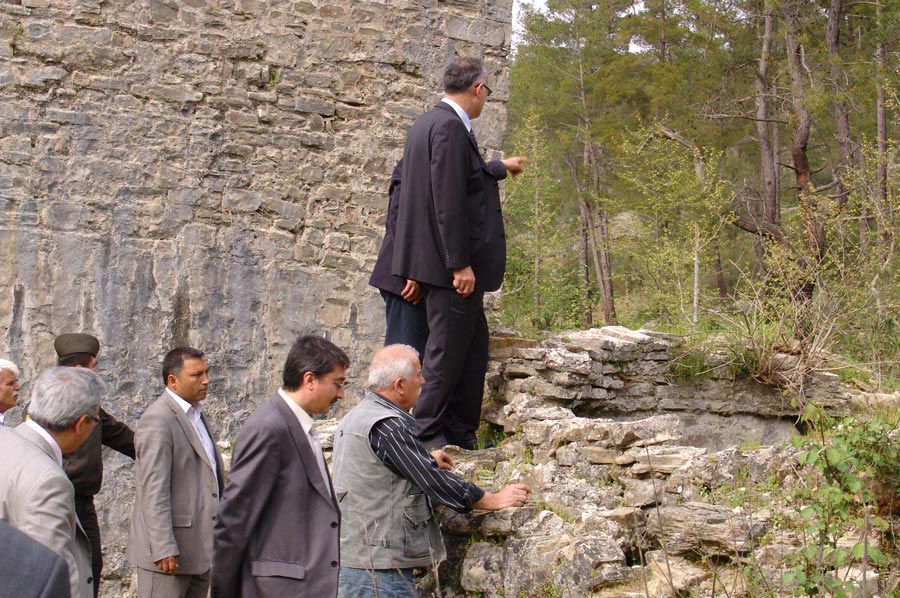
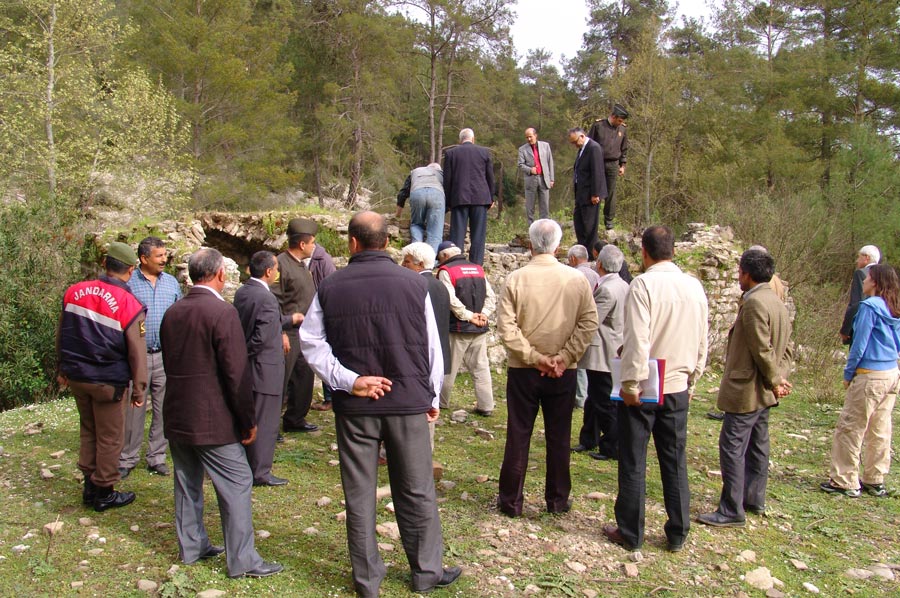
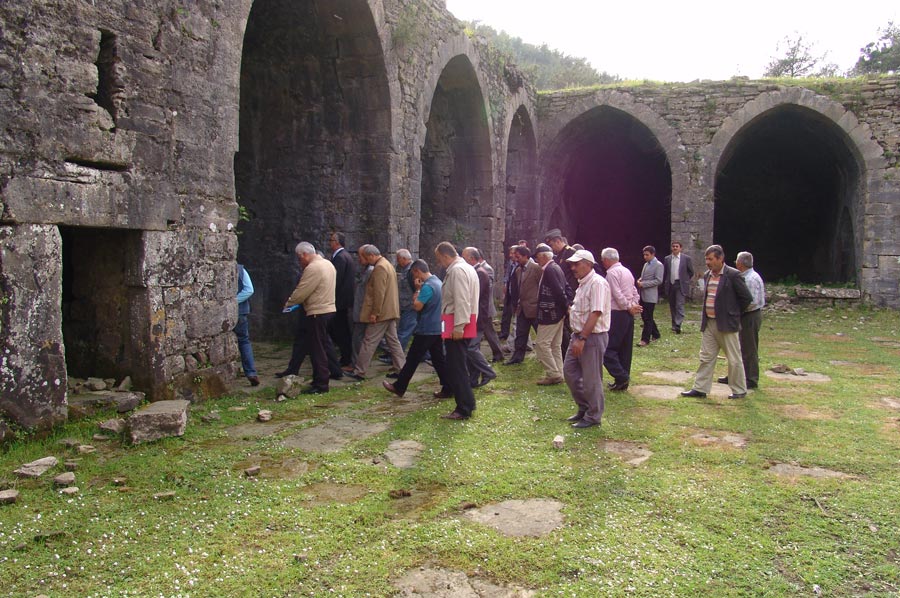
Kargıhan - What a coincidence – while arriving at Kargıhan Caravansary from ancient city of Etenna together with Author Wolfgang Dorn we met Kaimakam Mr Hacı İbrahim Türkoglu from Manavgat
together with his staff and couple of mayors from neighbouring towns to inspect Kargıhan Caravansary for later restoration and for small picnic at the complex.
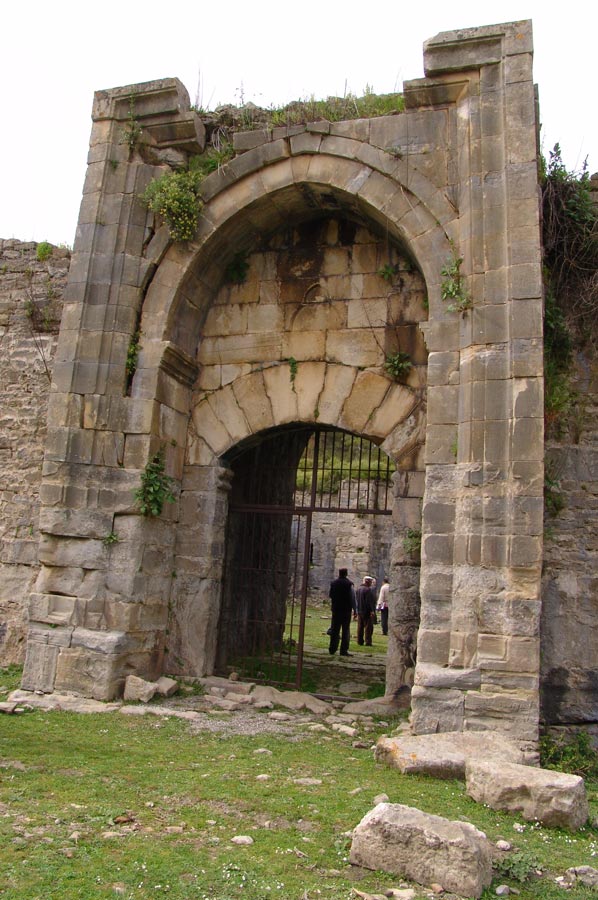 Kargıhan Caravansary was built between 1236-1246 by the Sultan Gıyaseddin Keyhüsrev II as a hostel place for merchants on their trade routes between Antalya and Konya. Trade caravans were able to find protection from being robbed stored their goods and cared for their animals at places like this.
The Sultans of Rum, particularly during the 13th century, established a network of caravanserais in Anatolia. Their intervals of 30 to 40 kilometres corresponded to the daily travel distance of a caravan. The caravanserai system was further developed in the Ottoman Empire and Safavid Persia. They stretched from the Caucasus in the north to the Mediterranean in the south, and from Lake Vrana (in present-day Croatia) in the west to Afghanistan in the east. They only lost their function in the 20th century.
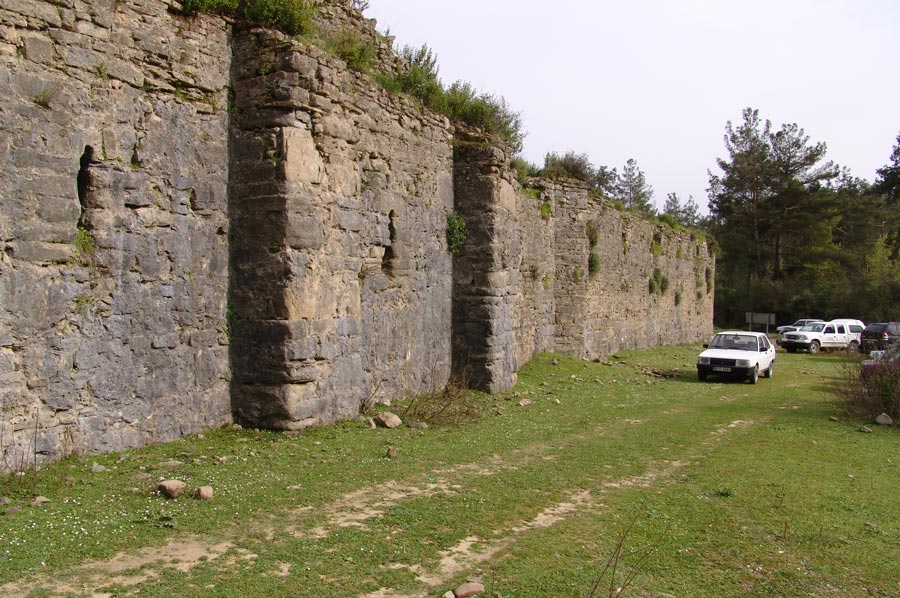
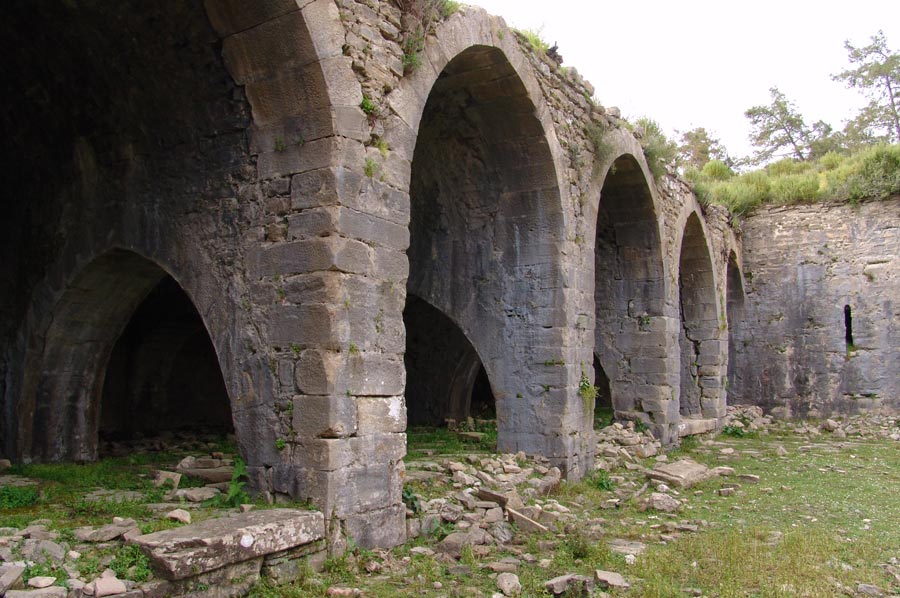
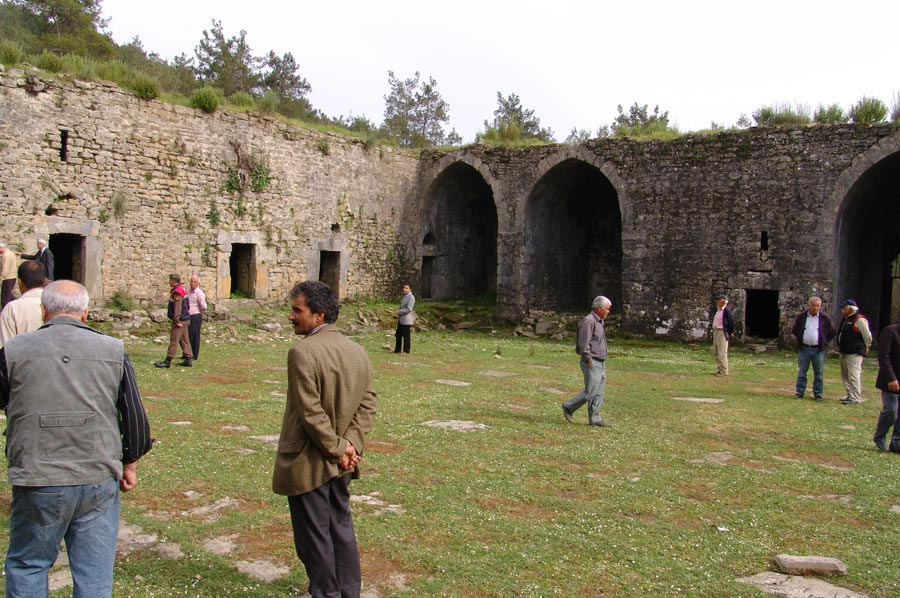
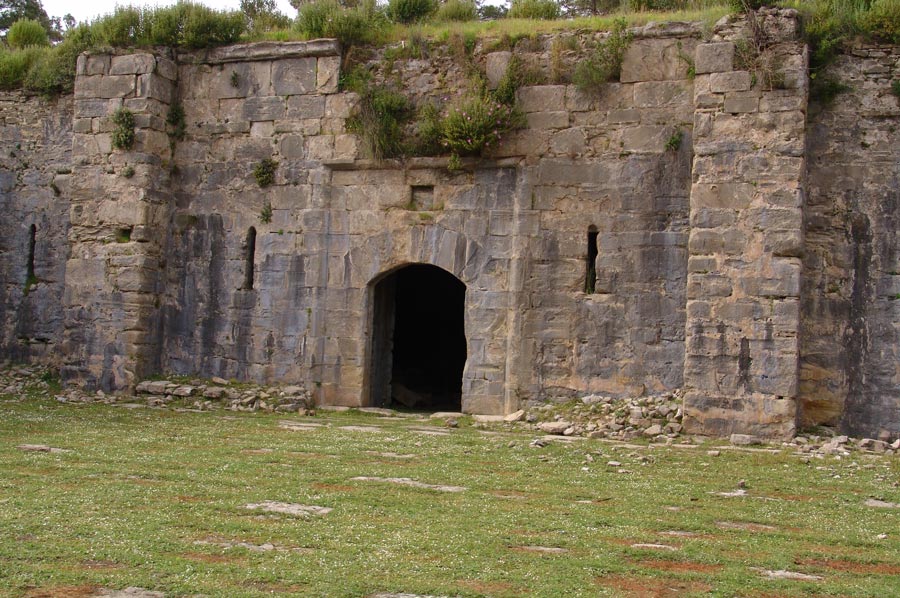
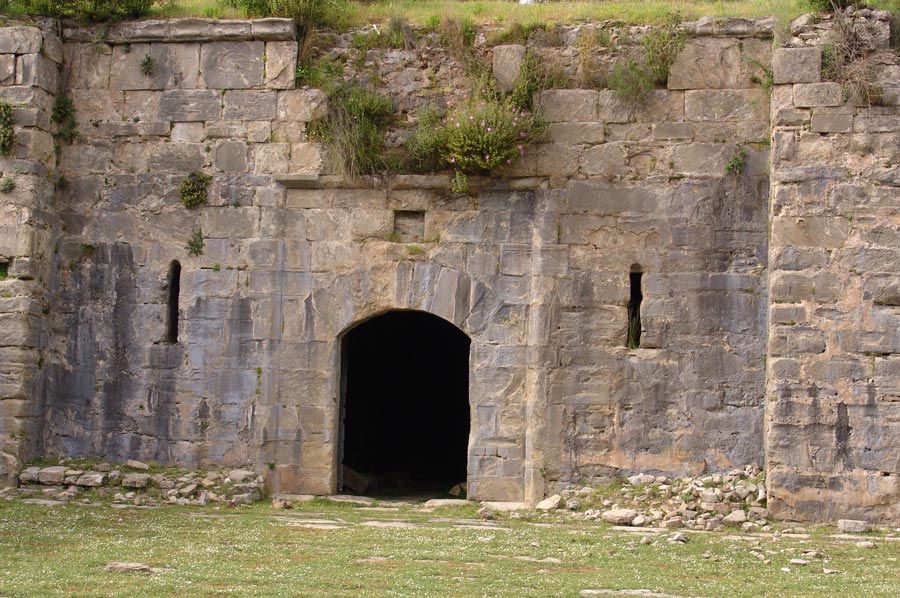
Due to its thick secure exterior walls, which still are in a very good condition, merchants have been able to rest from their exerting travels; even hamam for relaxation was available.
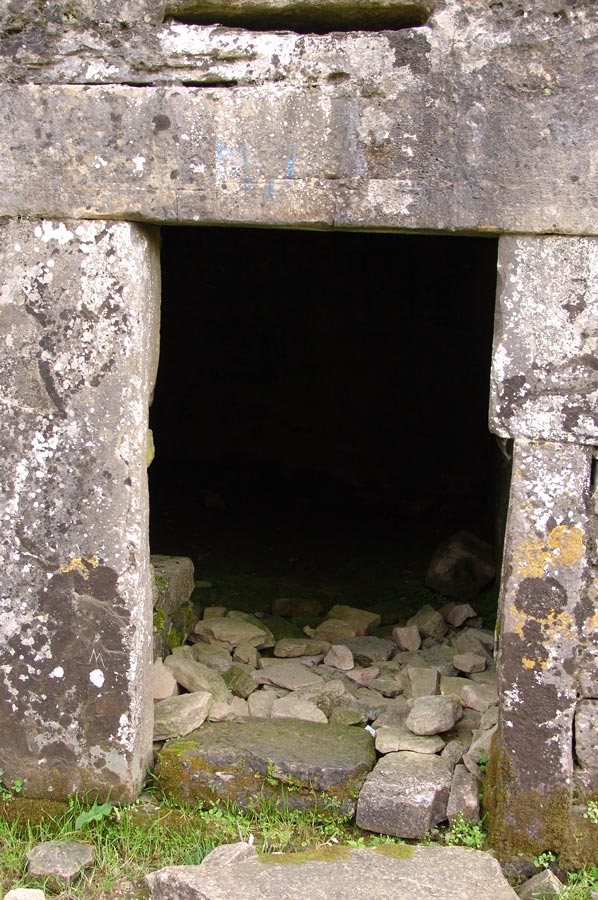 Music bands provided entertainment. A prayer room was located near the entrance gate. Some stations even had small mosques in their courtyards. Services along the caravan routes were free of charge; fees were only charged in cities. The Ottoman and Persian caravanserais were far more sparsely furnished: travellers had to bring their own mattresses, blankets, cooking utensils, and eating equipment.
In comparison to other Caravansary’s, Kargıhan is an amazing complex with huge inside space and couple of rooms for the merchants, their animals and the staff. Next to the building a lovely small river is passing by and together with the natural forest around the whole spot is quite visible this hopefully can be kept after restoration.
Please read as well:
Dağ Pazarı - Lebanon Cedars and basilica from Roman times
Adamkayalar - Crossing the Devil's Valley to Silifke
-
 Kargihan Caravanserai - new ideas appearing
Kargihan Caravanserai - new ideas appearing
Kargihan Caravanserai - new ideas appearing
-
Kargihan Caravanserai - new ideas appearing
Kargihan Caravanserai - new ideas appearing
-
Kargihan Caravanserai - new ideas appearing
Kargihan Caravanserai - new ideas appearing
-
Kargihan Caravanserai - new ideas appearing
Kargihan Caravanserai - new ideas appearing
-
Kargihan Caravanserai - new ideas appearing
Kargihan Caravanserai - new ideas appearing
-
Kargihan Caravanserai - new ideas appearing
Kargihan Caravanserai - new ideas appearing
-
Kargihan Caravanserai - new ideas appearing
Kargihan Caravanserai - new ideas appearing
-
Kargihan Caravanserai - new ideas appearing
Kargihan Caravanserai - new ideas appearing
-
Kargihan Caravanserai - new ideas appearing
Kargihan Caravanserai - new ideas appearing
-
Kargihan Caravanserai - new ideas appearing
Kargihan Caravanserai - new ideas appearing
-
Kargihan Caravanserai - new ideas appearing
Kargihan Caravanserai - new ideas appearing
-
Kargihan Caravanserai - new ideas appearing
Kargihan Caravanserai - new ideas appearing
https://www.alaturka.info/en/turkey-country/riviera/1766-kargihan-caravansary-under-inspection-of-kaimakam#sigProIdcf39b8e92d