


Termessos – Ancient City and National Park
- Written by Portal Editor
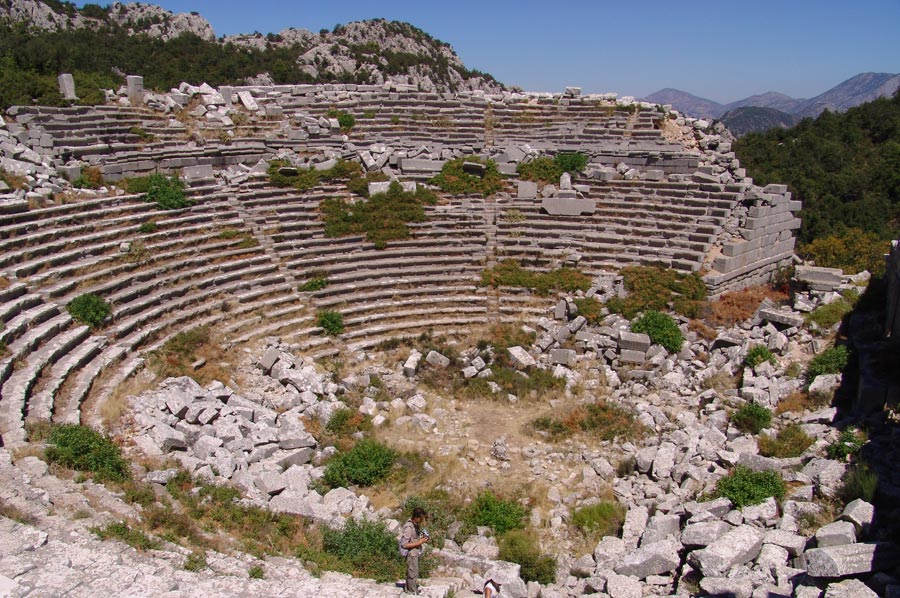
Termessos – On our trips toward Denizli and Izmir, we had seen the signposts for Termessos on numerous occasions—in short, however, a stopover had not been possible until now.
We had recently planned a two-day tour with our friends Brita and Peter, and we made sure to include Termessos in our itinerary.
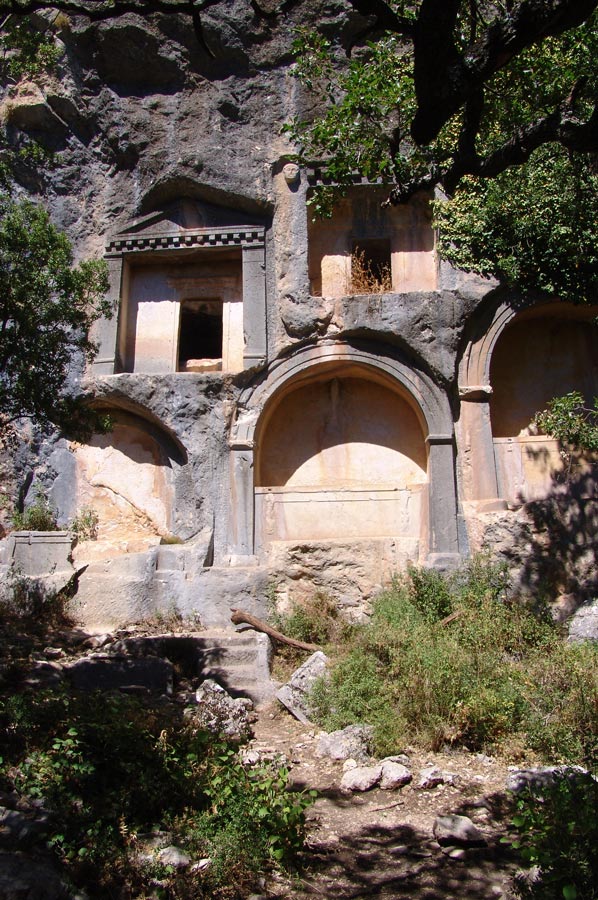 So, around 7:30 AM, we set off from Alanya toward Antalya, and from there, we ascended the winding road toward Burdur and Korkuteli.
About 10 kilometres outside Antalya, we turned left toward Korkuteli (E 87 or Highway 350). After another 20 kilometres, we reached the turnoff for Termessos, where a friendly gentleman at the ticket booth immediately asked us to pay the entrance fee.
The entrance fee is currently 10 TL per person. After driving another 9 kilometres up a steeply ascending road, we reached the parking lot. After a brief coffee or refreshment break (you must bring your own supplies, as there is no kiosk at the parking lot), we began the climb up to the ruined city.
Termessos – The Legendary Ruined City
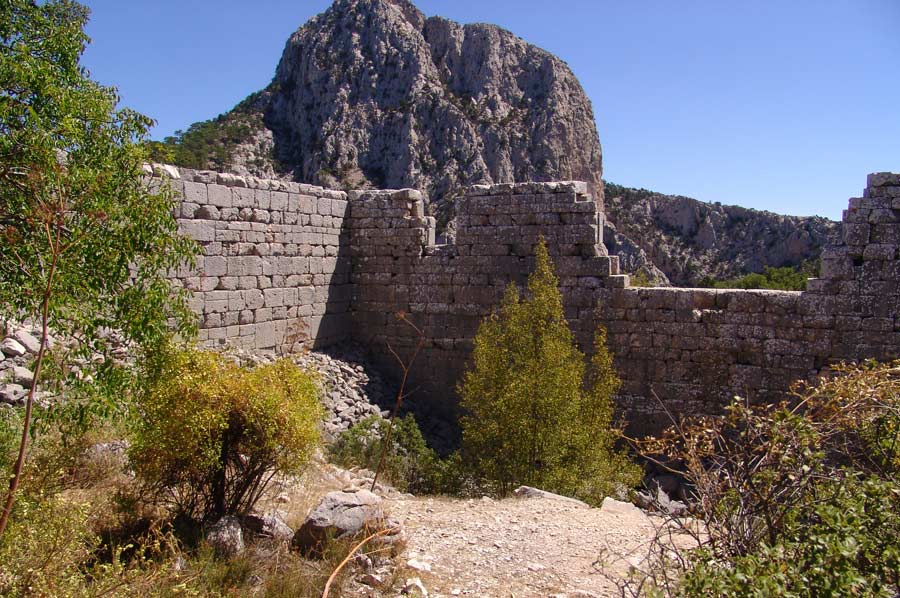
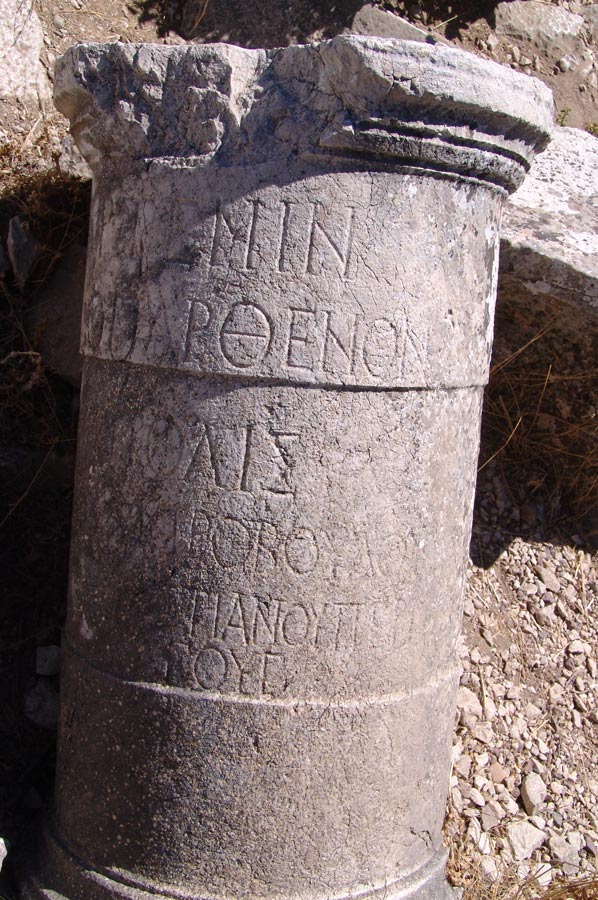 Termessos is situated in the southwest of the region of Pisidia, approximately 30 kilometres northwest of the modern city of Antalya, at an altitude of about 1,000 meters, lying beneath Mount Solymos (known today as Güllük Dağı).
Termessos is mentioned for the first time in Homer’s *Iliad*: "Next, he [Bellerophon] fought against the Solymoi, a renowned people; this battle he called the hardest fight he ever waged against men."
Around 500 BC, the Persian Empire was compelled to grant Termessos autonomous rights due to the city's formidable defensive capabilities. Alexander the Great besieged Termessos in 334/333 BC. ...B.C. in vain: “I will not let my army be decimated before an eagle’s nest.”
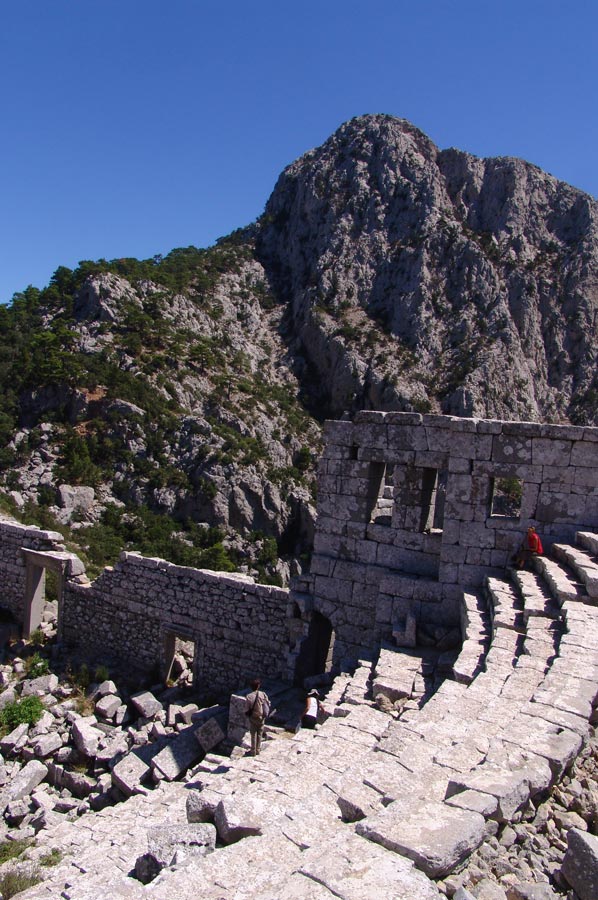 During the Wars of the Diadochi, Alcetas—brother of Perdiccas—met his end there in battle. Throughout the Hellenistic period, the city fell intermittently under the sphere of influence of the Ptolemies and the Attalids of Pergamon; however, through a skilful blend of military strategy and diplomacy, it repeatedly managed to preserve its own identity and freedom, right up into the Roman era.
Termessos experienced its greatest flourishing between the 1st century B.C. and the 2nd century A.D. The city reached an accommodation with the Romans by refusing to support Mithridates—who was at war with Rome—thereby earning Rome’s favour and solidifying its independence (the treaties between Rome and Termessos have survived to this day).
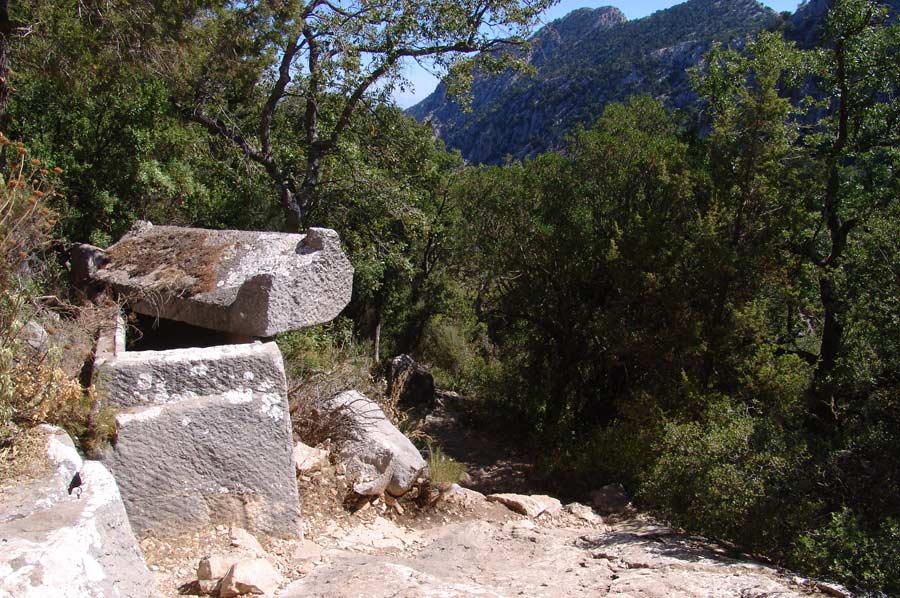
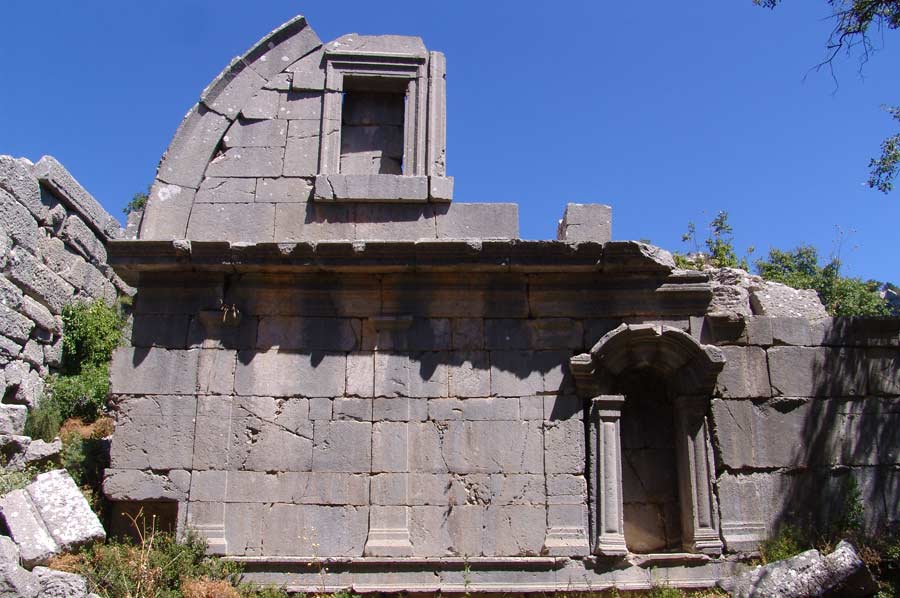
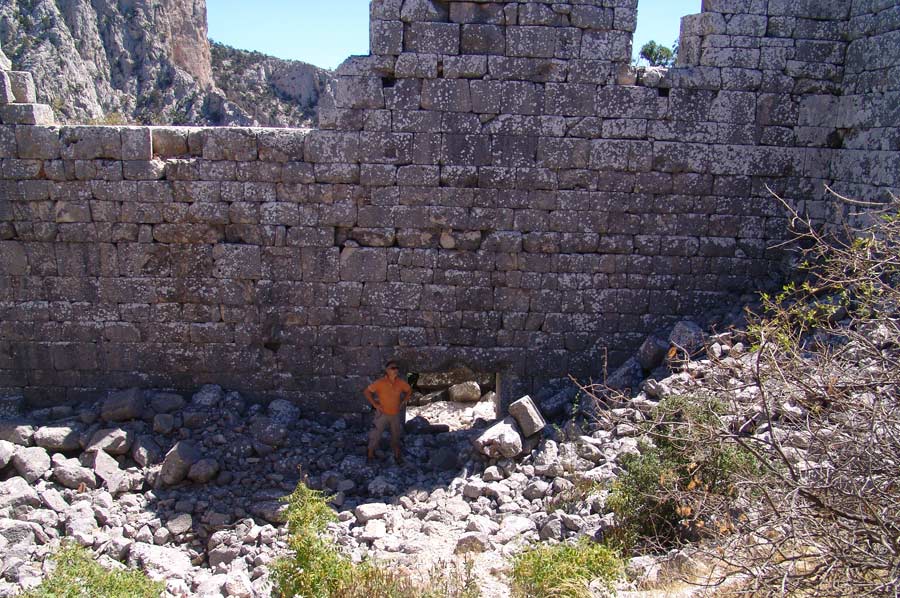
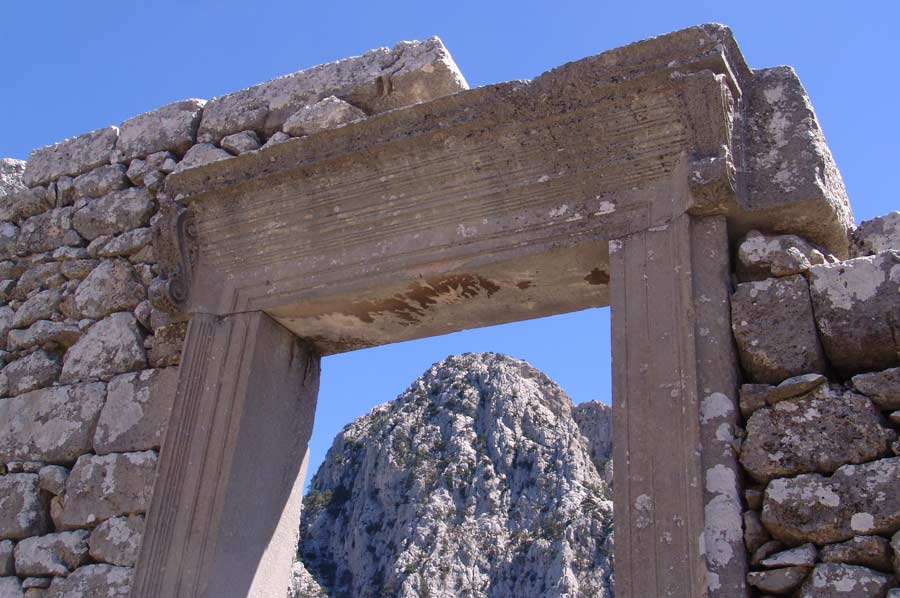
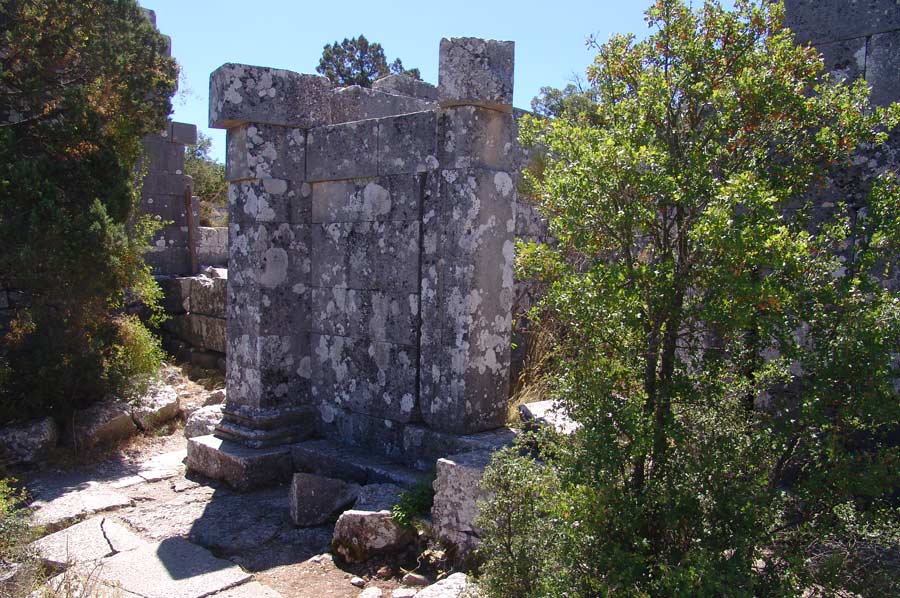
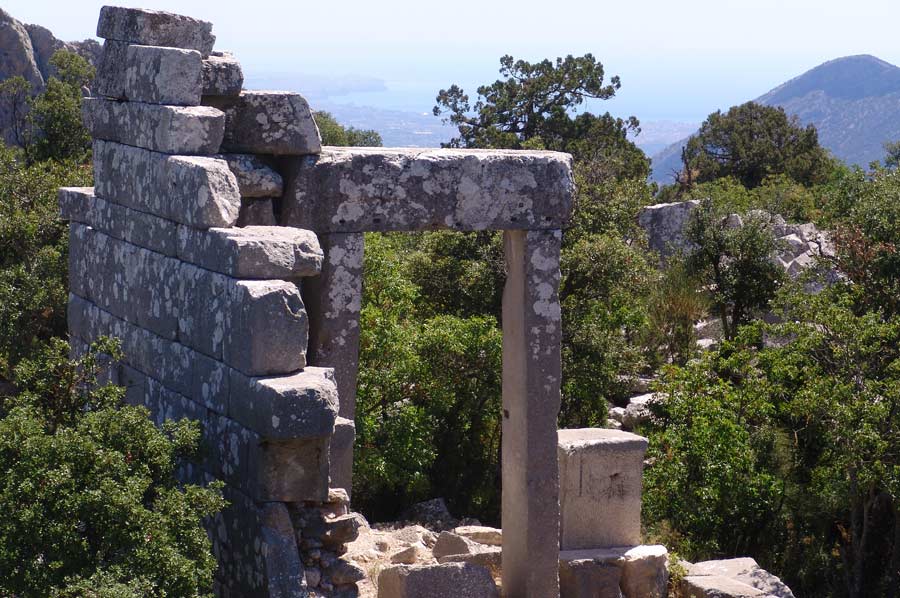
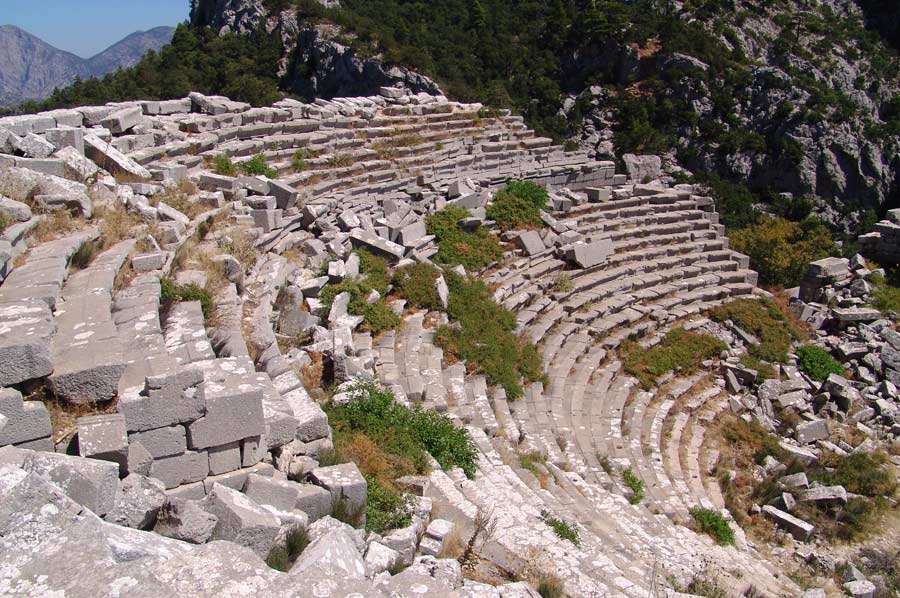
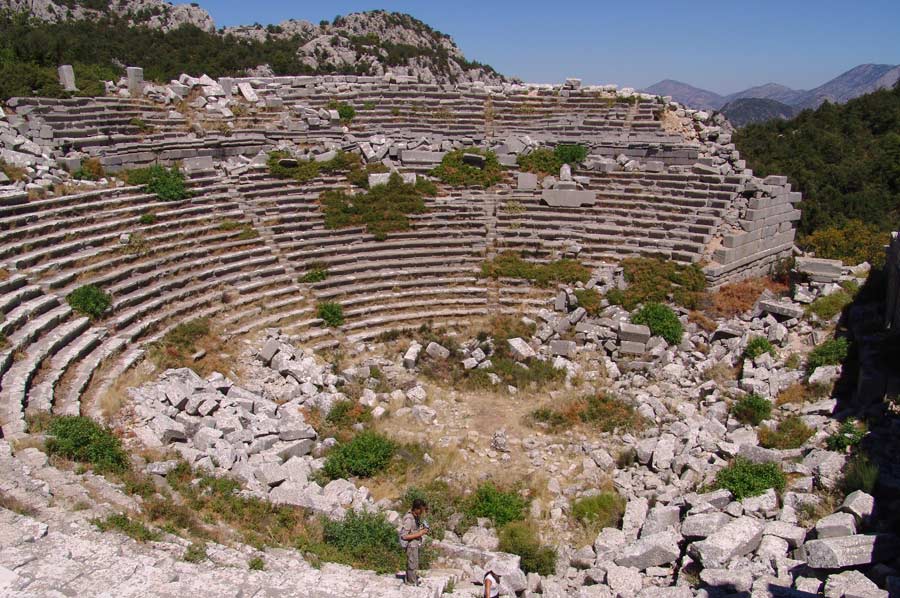
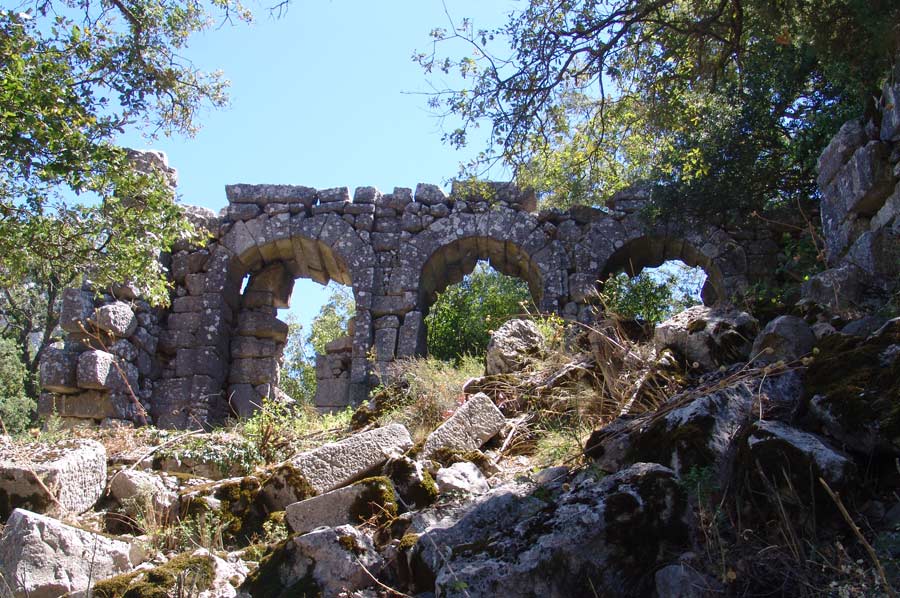
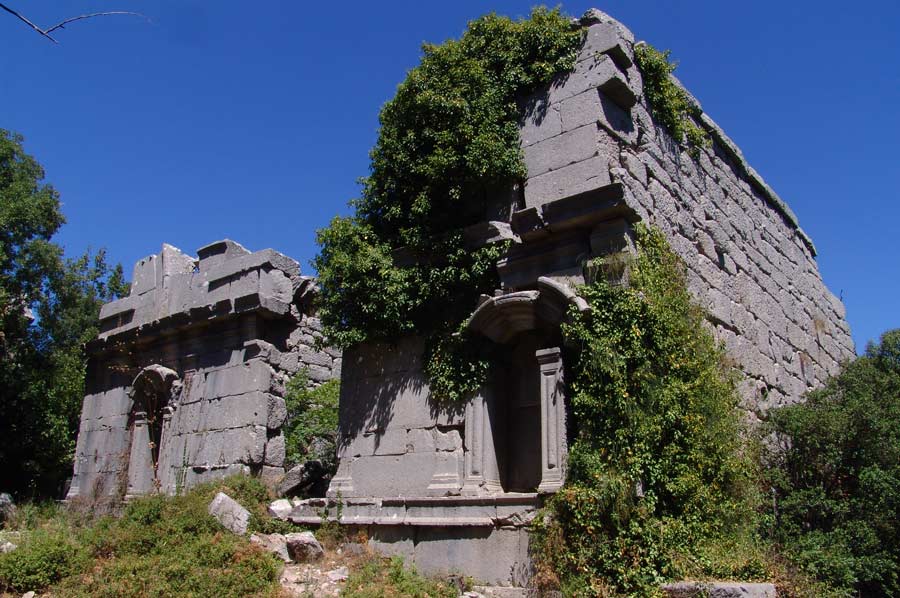
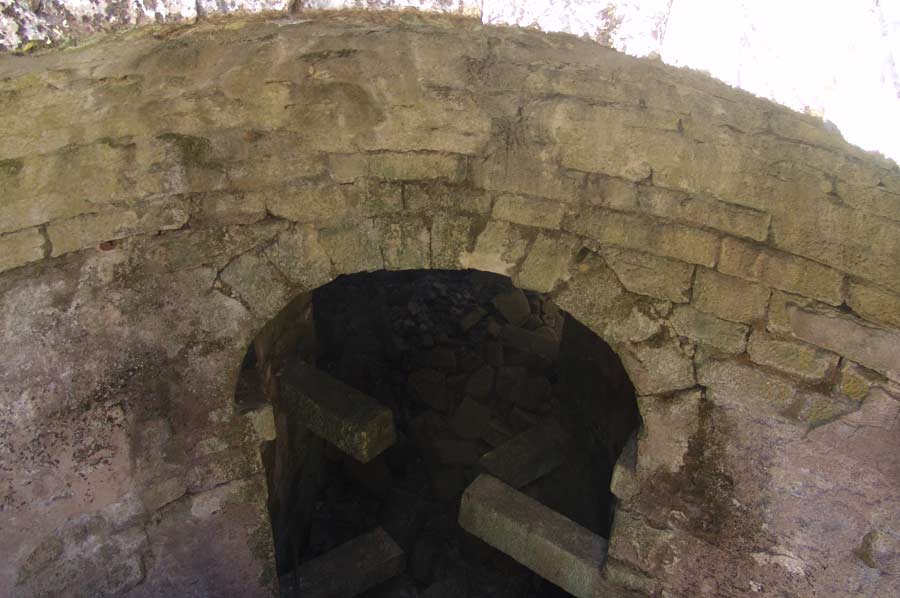
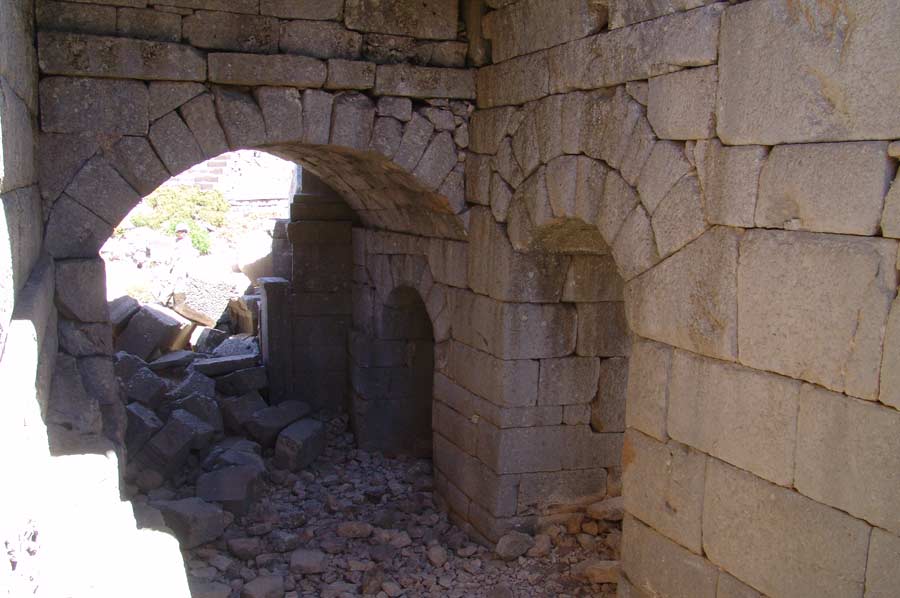
The city’s most magnificent structures also date from this period—such as the underground cistern system that supplied the city with water; the theatre, offering a magnificent view of Antalya lying far below in the plain; the gymnasium; the Temple of Artemis; and the Corinthian Temple—all of which can be visited today as ruins.
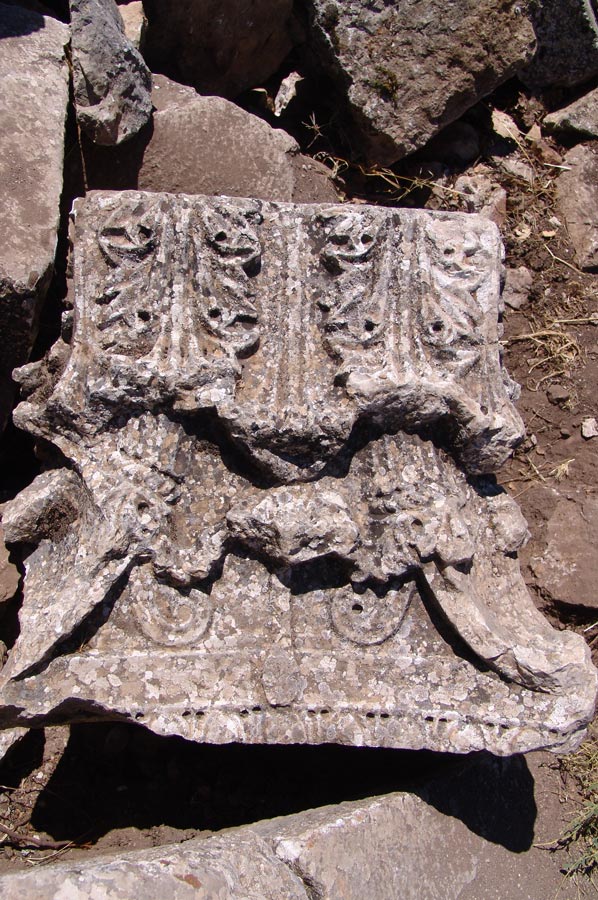 From the Temple of Artemis in particular, visitors can enjoy a magnificent view of the Antalya coastline, the cliffs surrounding the old harbour, and the waterfall. Anyone who owns a pair of binoculars should certainly bring them along. Please exercise the utmost caution when climbing over stone fragments and walls; it is all too easy to slip, and the journey back is a long one.
Following its pact with the Romans, Termessos adopted a new system of chronology—an act intended as a demonstration of gratitude. This opportunism paid off over the years, as Rome granted Termessos numerous special privileges.
Termessos belonged to the province of Lycia et Pamphylia, and in Late Antiquity, to the province of Pamphylia. Zenodotos, the Bishop of Termessos, participated in the Council of Chalcedon in the year 451. The Roman Catholic Church's titular see of Termessos traces its origins back to this diocese. Nevertheless, Termessos later declined in importance and was likely destroyed by an earthquake in the early 5th century.
National Park high above Antalya
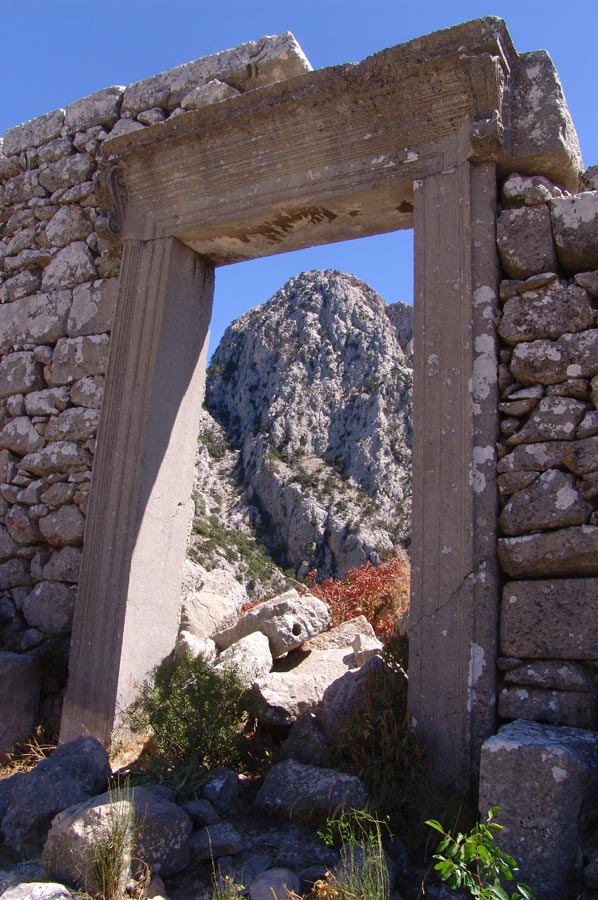 The area surrounding Termessos was designated "Termessos National Park" in 1970—and not solely because of its renowned Greco-Roman ruins. The diverse wildlife found in this region is enough to make any nature lover's heart skip a beat.
Would you have believed that, just a few decades ago, leopards still roamed this very place? The last of these graceful creatures were hunted down in the mid-20th century, though in the 19th century, leopards were still widely prevalent here. It is truly hard to believe...
Today, the park boasts a rich biodiversity that includes bears—which are said to have re-established themselves in the area—as well as other rare animals such as eagles, falcons, and hawks; wild goats and fallow deer also call this place home.
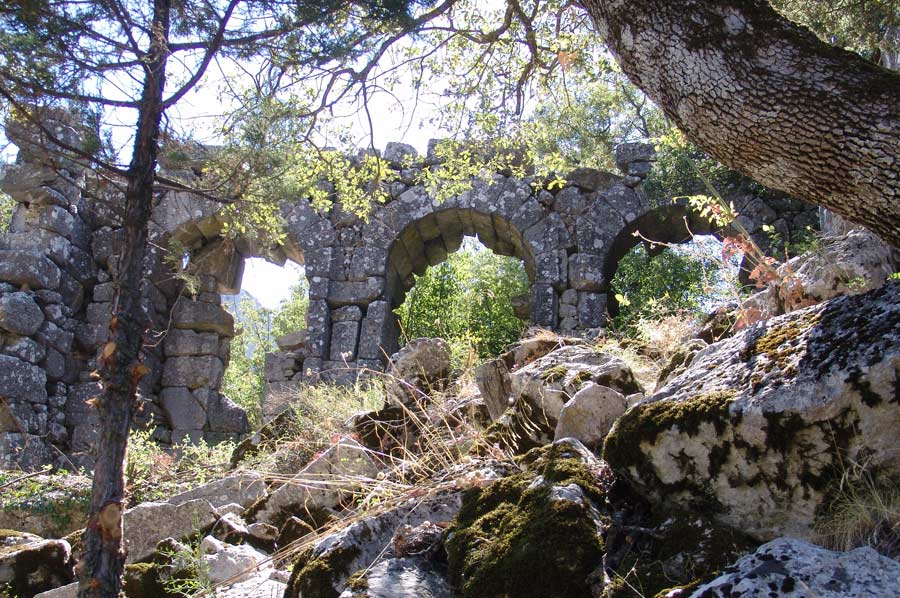
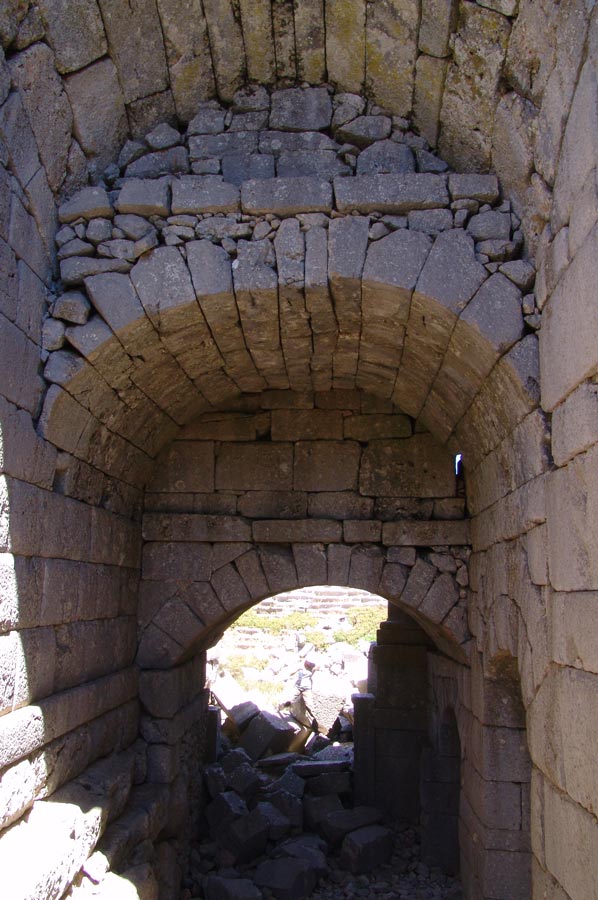 Beyond its wildlife, the park features magnificent high forests with lush vegetation, inviting visitors to embark on extensive mountain hikes.
We, for our part, have decided to return later in the autumn to once again savour this beautiful landscape.
When planning your visit, be sure to wear sturdy footwear and carry an ample supply of drinking water for your journey.
Please also read:
Termessos – Saklikent – Karain & Kocain Caves
Saint Nicholas of Myra - a Christian Character in Demre
-
 Termessos - ancient City above Antalya
Termessos - ancient City above Antalya
Termessos - ancient City above Antalya
-
Termessos - ancient City above Antalya
Termessos - ancient City above Antalya
-
Termessos - ancient City above Antalya
Termessos - ancient City above Antalya
-
Termessos - ancient City above Antalya
Termessos - ancient City above Antalya
-
Termessos - ancient City above Antalya
Termessos - ancient City above Antalya
-
Termessos - ancient City above Antalya
Termessos - ancient City above Antalya
-
Termessos - ancient City above Antalya
Termessos - ancient City above Antalya
-
Termessos - ancient City above Antalya
Termessos - ancient City above Antalya
-
Termessos - ancient City above Antalya
Termessos - ancient City above Antalya
-
Termessos - ancient City above Antalya
Termessos - ancient City above Antalya
-
Termessos - ancient City above Antalya
Termessos - ancient City above Antalya
-
Termessos - ancient City above Antalya
Termessos - ancient City above Antalya
-
Termessos - ancient City above Antalya
Termessos - ancient City above Antalya
-
Termessos - ancient City above Antalya
Termessos - ancient City above Antalya
-
Termessos - ancient City above Antalya
Termessos - ancient City above Antalya
https://www.alaturka.info/en/turkey-country/riviera/7127-termessos-ancient-city#sigProIdc51bc69266