


Avis Aircraft and Automobile Works – A New Project by R. Krickl
- Written by Portal Editor
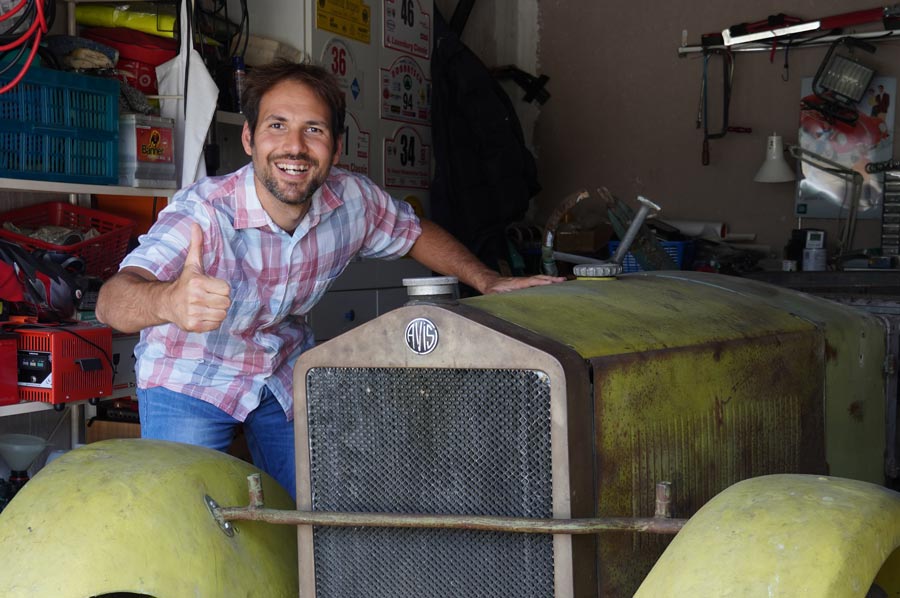
Avis Aircraft and Automobile Works – Once again, our friend Dr. Robert Krickl has managed to surprise us with a project currently in the works, despite the many years we have known each other and our numerous shared activities.
We still vividly recall some of his earlier projects in and around Brunn am Gebirge such as the Roman Roads initiative (focusing on migration and tourism), Egyptian Blue, the salt molecule, the service tree Elsbeere), and fossilized sharks. It is wonderful to hear now about a new project one that, as we know, has been on Robert’s mind for years: the Austrian Avis aircraft and automobile factory. He has even written a book on the subject.
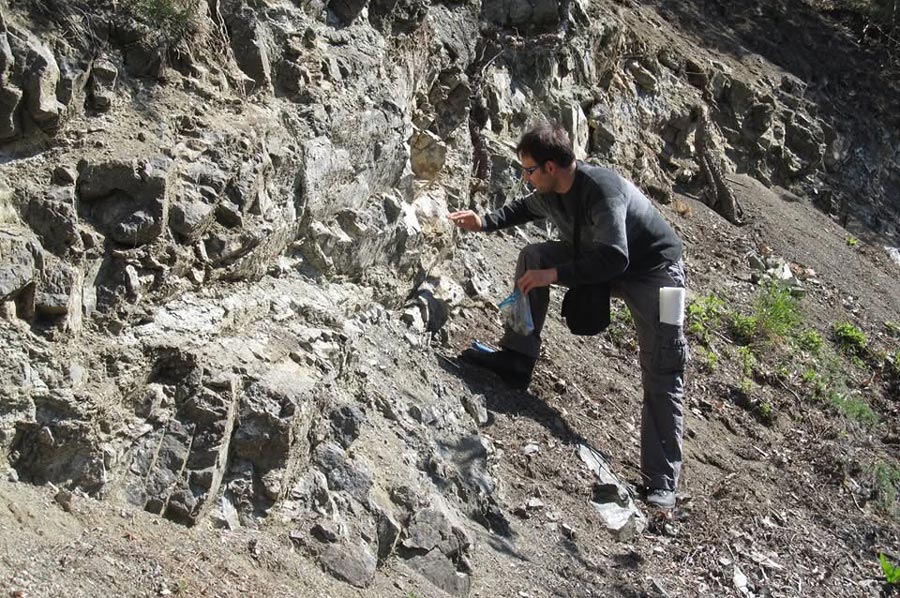 It was perhaps ten years ago that Robert first told us about the Avis automobile factory—once based in Brunn am Gebirge which, incidentally, also built aircraft. We had never heard of this "brand" before and understandably so.
At the time Avis was founded, manufacturing a car was more akin to the craftsmanship of blacksmithing, engine building, and coachwork than to modern assembly-line production, where robots piece together prefabricated components.
 The Avis Aircraft and Automobile Works were, in fact, a short-lived historical vehicle manufacturer.
It emerged from the company *Technische Werkstätten GmbH* in Vienna on April 12, 1921, and soon relocated to Brunn am Gebirge, where small cars and aircraft were developed and built between 1922 and 1924.
Automobile production began as early as 1921 with models designed by Franz Dozekal under the Avis brand name most notably the Avis Type 4/20. Power was provided by a water-cooled, two-cylinder engine with a displacement of 1,095 cc, featuring an 88 mm bore and a 90 mm stroke.
The engine produced 20 hp at 3,000 rpm. The subsequently built Type 5 featured a longer wheelbase and a wider track than the Type 3.
Its curb weight ranged from 700 kg to 800 kg, depending on the chosen body style which included a *Coupé de Ville*.
Models of this type were also used as taxis. The vehicle had a top speed of 80 km/h and a fuel consumption of 8.5 litres per 100 km. Unfortunately, automobile production ceased as early as 1928.
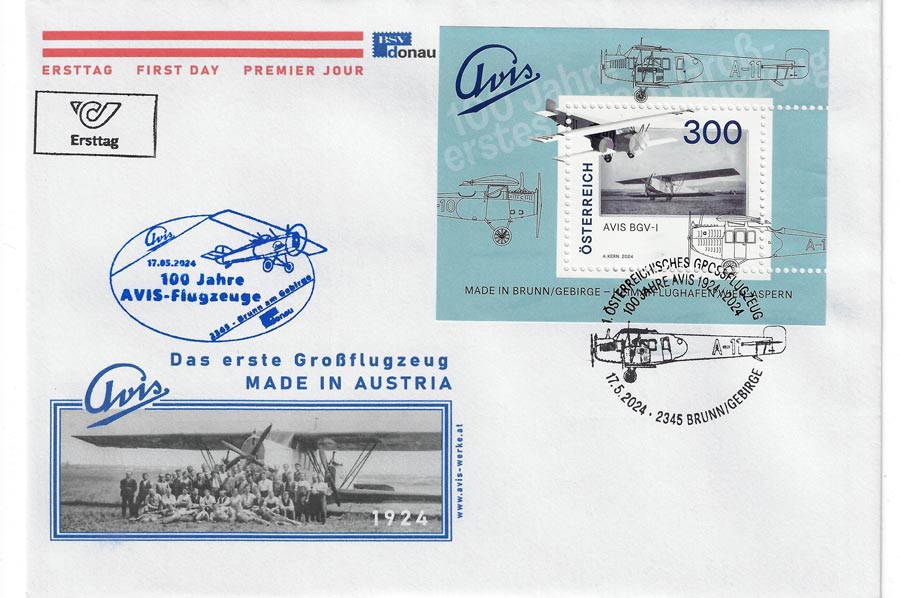
 Starting in 1924, this facility the Austrian Republic’s first aircraft and automobile factory produced three types of training and sports aircraft, a cabin aircraft, and a tri-motor airliner (which was the first large-scale Austrian aircraft).
After initial test flights at the factory airfield, the aircraft were transferred to the Vienna-Aspern airfield for active service. Following the company's insolvency in either 1928 or 1931, this chapter of Austrian technical history now largely forgotten came to an end.
That concludes the overview of the Avis company history.
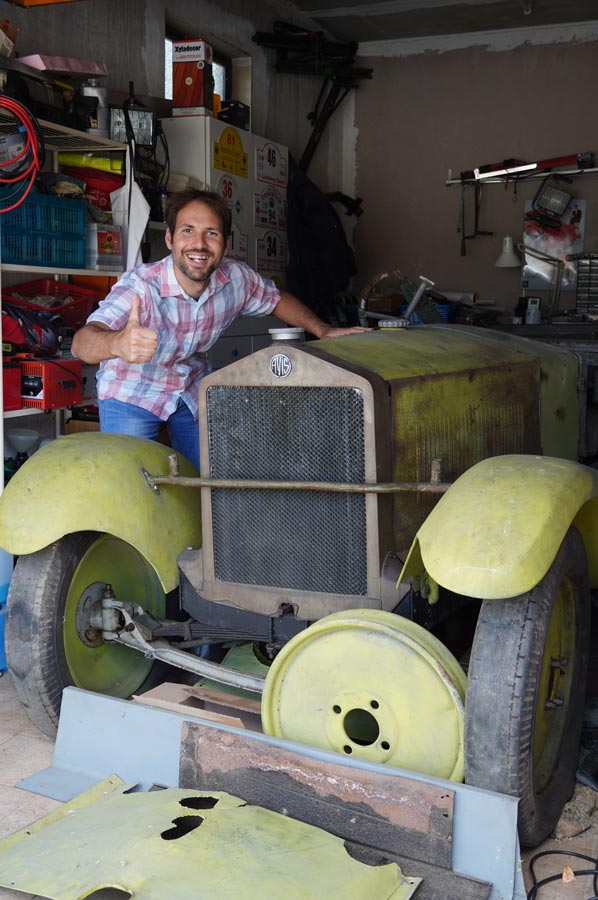
 After years of research, our friend Robert Krickl discovered and managed to purchase what is likely the only surviving vehicle in a barn in the Alps: Avis Type 3, built in 1925. It is almost certainly the last remaining Avis vehicle in existence.
For Robert, it was arguably one of the finest moments of his life so far. "I fell to my knees, overcome with emotion," Robert recalls, describing the moment he recognized the vehicle beneath years of dust and grime and finally cleared it away.
He bought the wreck without hesitation, for it was clear to him: "Austria’s technological history demanded swift action in the public interest here; just as with his previous projects, the goal was to involve the public so that the technology of the past would not be forgotten essentially, to create an educational opportunity."
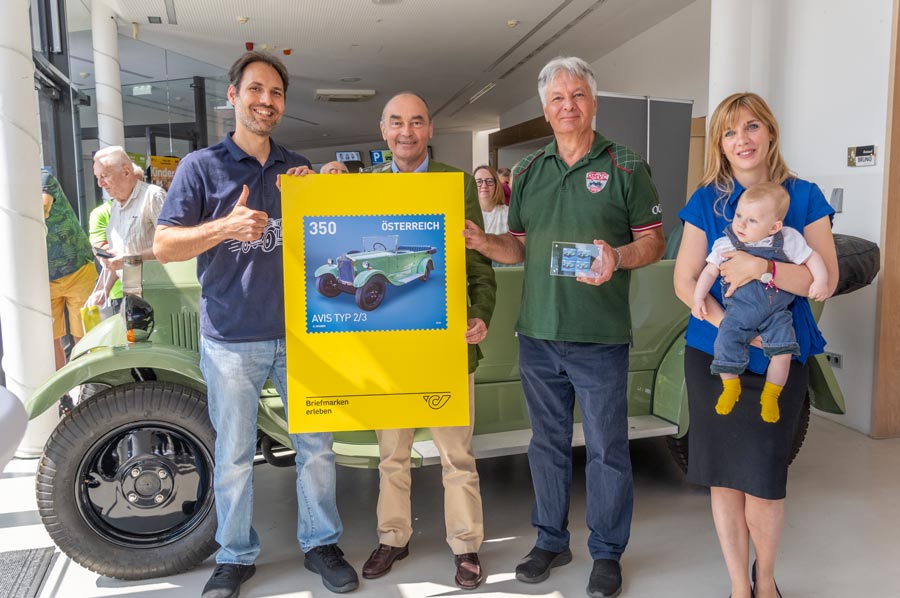
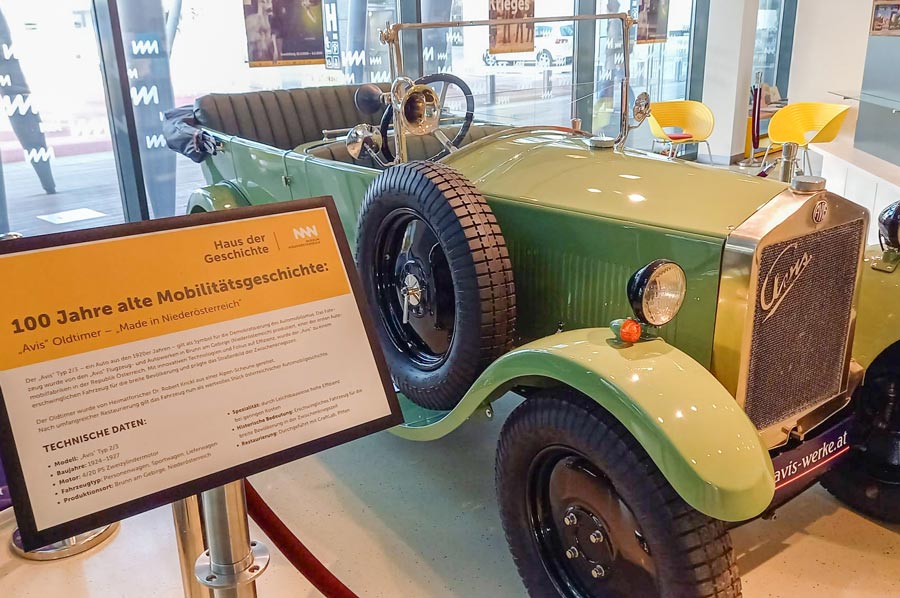 Following an extensive and costly restoration supported by the OCC the result is truly impressive: an Avis 4/20 that looks as though it had just rolled off the production line and been delivered straight to its current home at the Museum Niederösterreich.
But Robert wouldn't be the Robert we know if other ideas hadn't emerged along the way; historical records revealed that, in January 1926, a factory team from Avis had set out from Vienna to compete in the even then legendary Monte Carlo Rally.
It was the very first time an Austrian team had entered the event with an Austrian vehicle.
Unfortunately, despite the car’s excellent mechanical performance, they only made it as far as Carinthia; the road to Tarvis was impassable due to massive snowdrifts meters high.
The trip to Monaco is planned for the summer of 2026.
 Now, 100 years later, that very same tour to Monte Carlo is set to be completed this time without the snow using the restored Avis 4/20.
Naturally, the journey won't take place in winter (if only to preserve this valuable, one-of-a-kind vehicle), nor will it involve participating in the Monte Carlo Rally; however, the route and with it, the mission to settle a "historic sporting debt" (as Robert calls it) is to be undertaken and experienced firsthand.
Anyone wishing to support this project can do so via a newly launched crowdfunding campaign. Please join in supporting this extraordinary undertaking and help bring a piece of mobility history back onto the road.
 When we asked Robert about his primary motivation, he told us:
"The symbolic value is paramount here; I believe it should serve as an inspiration, especially for the younger generation. On one hand, it offers a great lesson in not giving up immediately, but at least giving it a try.
On the other, it demonstrates that we don't always have to look overseas to find role models in the field of technology. Pioneering achievements took place right here at home and during times that were anything but easy, no less.
It serves as an inspiration specifically for young people, showing them that they, too, are capable of such feats in the future."
We will continue to provide updates on this fascinating project!
Please read as well:
Breitachklamm and Breitach in Kleinwalsertal
Tauern Railway - Jam free passing the Alps