


Caravanserai - The Example of Kargihan near Manavgat
- Written by Portal Editor
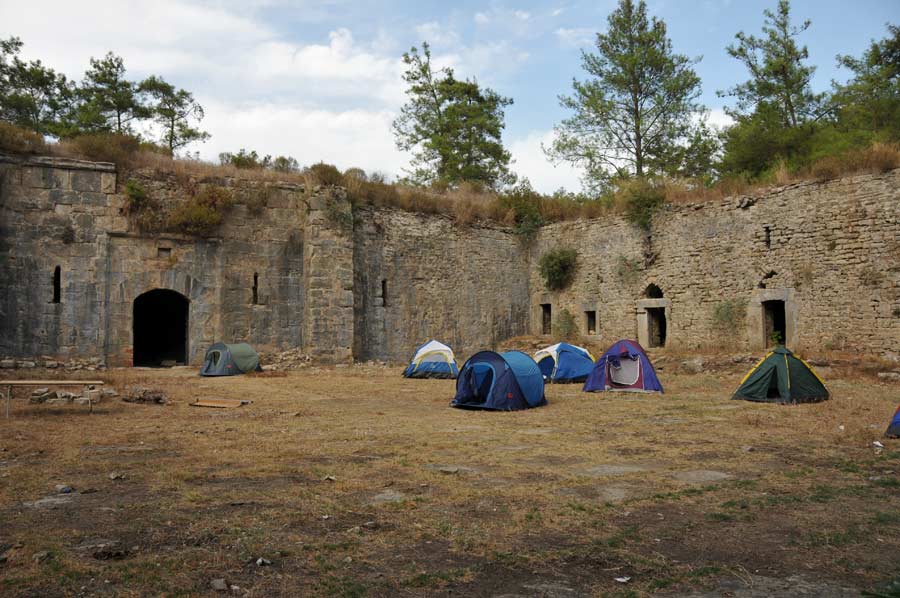
Caravanserai - Among the most magnificent and impressive achievements of Seljuk architecture are undoubtedly the caravanserais, also called "Domes of the Road,"
which sprang up throughout Anatolia and its northern and southern border regions along the old trade routes in the first half of the 13th century.
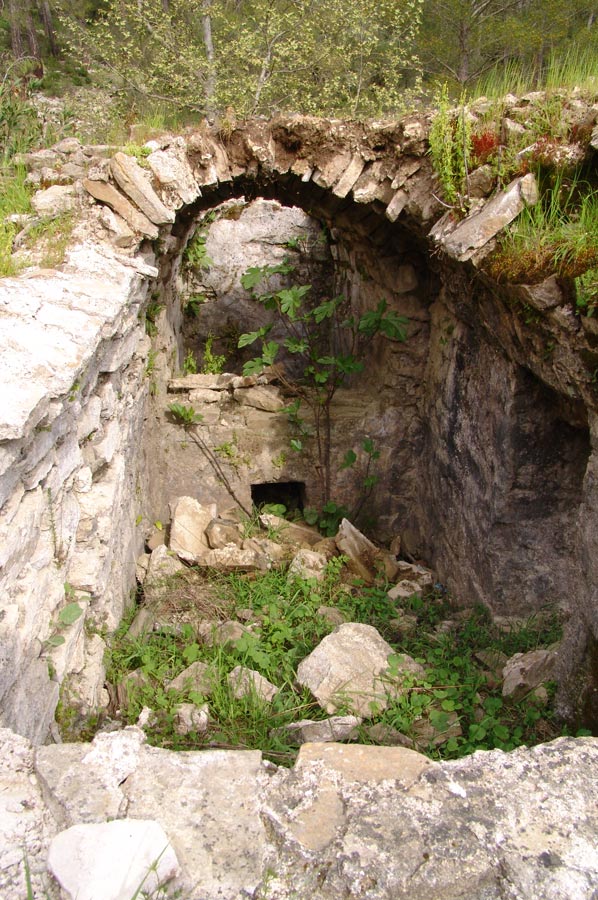 A caravanserai, also spelled karavanserai, was a walled inn located along caravan routes. Travelers could spend the night there safely with their animals and merchandise and obtain provisions. Large caravanserais also served as warehouses and trading centres for import and export goods.
The Sultans of Rum Seljuks built a network of caravanserais throughout Anatolia, primarily during the 13th century. The distance between them was approximately 30 to 40 kilometres, corresponding to the daily distance travelled by a caravan. The caravanserai system was expanded in the Ottoman Empire and Safavid Persia. They existed from the Caucasus in the north to the Mediterranean in the south, and from Lake Vrana (in present-day Croatia) in the west to Afghanistan in the east. They only lost their function in the 20th century.
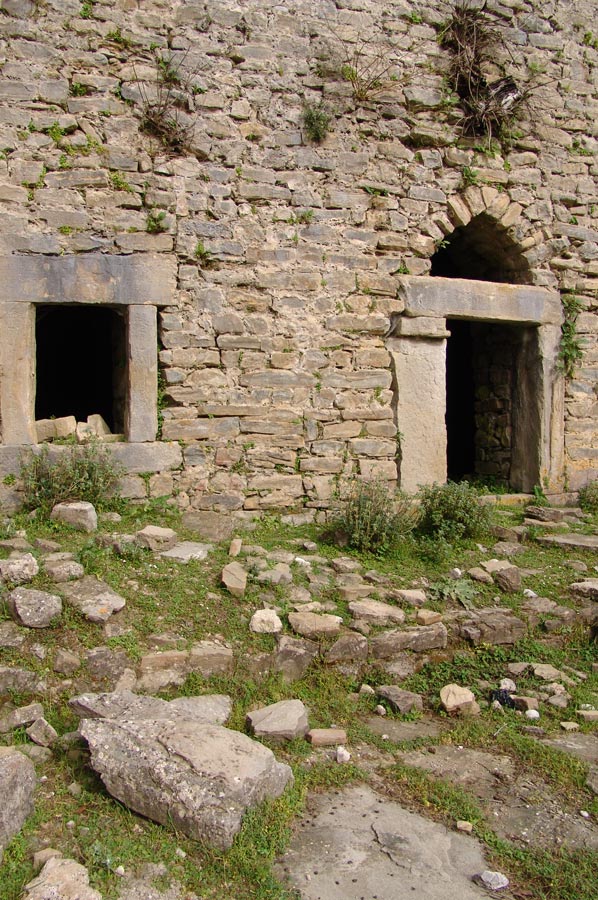 Caravanserais were massive fortified structures with stone walls and iron-clad gates. Their ground plan was usually square or rectangular, occasionally octagonal. They had a large inner courtyard surrounded by arcaded buildings. The ground floor housed stables for animals and shops. The upper floors provided accommodation for travellers.
The original Seljuk caravanserais had workshops, offered medical care, and included baths, kitchens, and tea and coffee rooms. Musical ensembles provided entertainment. A prayer room was located to the side of the entrance gate. Some stations even had small mosques in the courtyard.
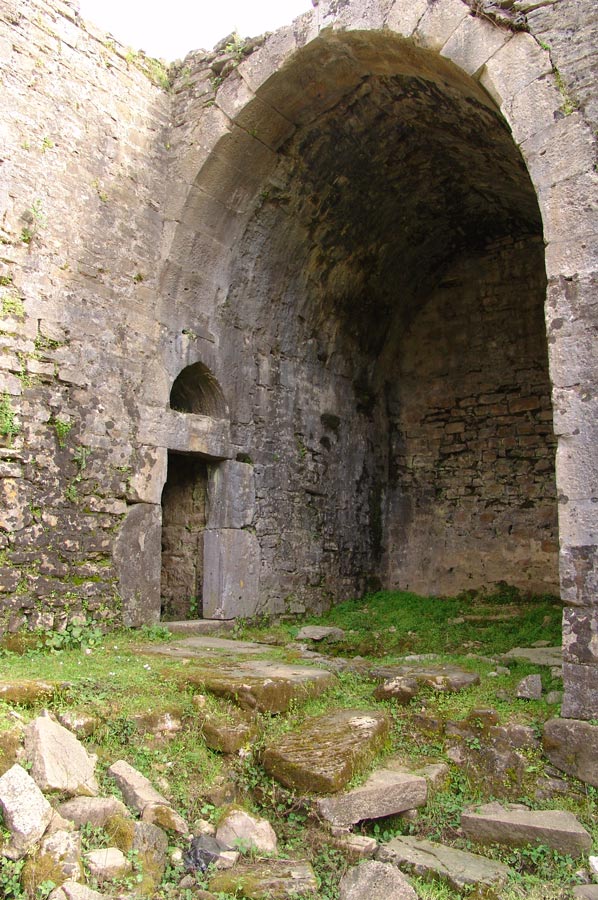 Caravanserais Services along the caravan routes were free of charge; fees were only charged in the cities. Ottoman and Persian caravanserais were far more sparsely furnished: mattresses, blankets, cooking utensils, and eating equipment had to be brought along.
As can be seen in the picture, caravanserais are still used today as overnight accommodations during multi-day horse treks (see introductory image).
Please also read: