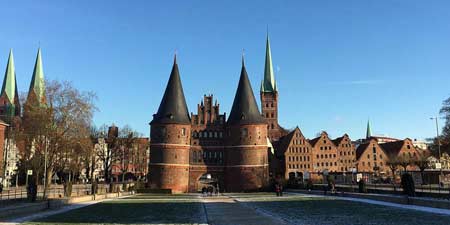
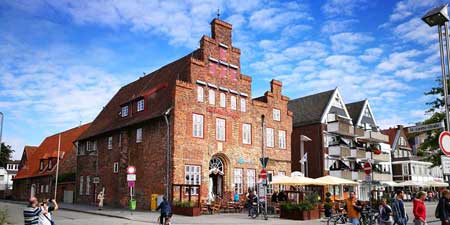
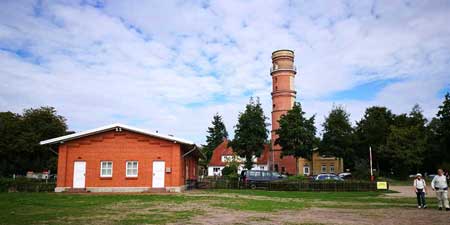
Schleswig-Holstein – The Land Between North and Baltic Sea
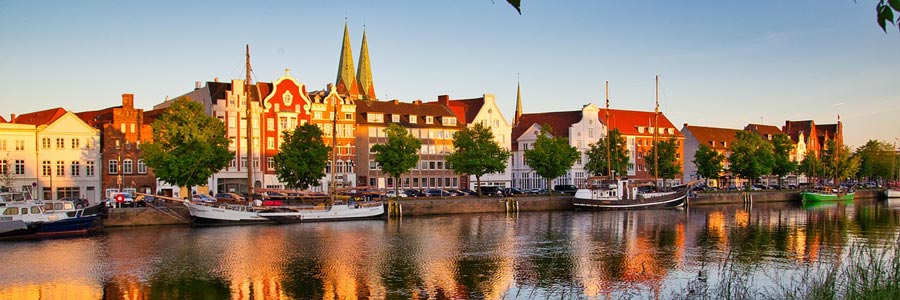
Between Flensburg in the north, Lauenburg in the south, St. Peter-Ording in the west, and Lübeck in the east: Along the coasts and in the inland regions, you can enjoy nature, discover sights, attend events, and feel the wind in your hair.
In recent years, maritime trade with other Baltic Sea states has regained importance. The Jutland Line and the Vogelfluglinie (Bird Flight Line), including the Port of Lübeck, play a particularly important role as routes to Scandinavia, Finland, Russia, and the Baltic states.
Schleswig-Holstein has the highest percentage of cycle paths alongside roads among all German states. In 2019, 56% of all roads in the state had a cycle path.
The culture is shaped by historical and geographical factors such as its location between the North and Baltic Seas, as well as its former agrarian culture. The Scandinavian influence is particularly evident in the architecture and residential culture of the northern part of the state.