


Wetter – Half-timbered houses in "Freiheit" and Friedrich Harkort
- Written by Portal Editor
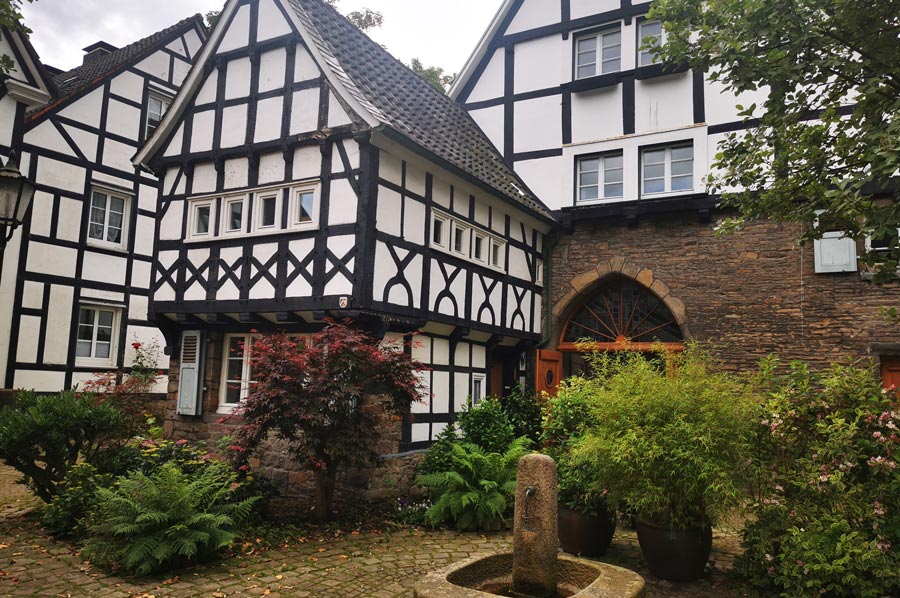
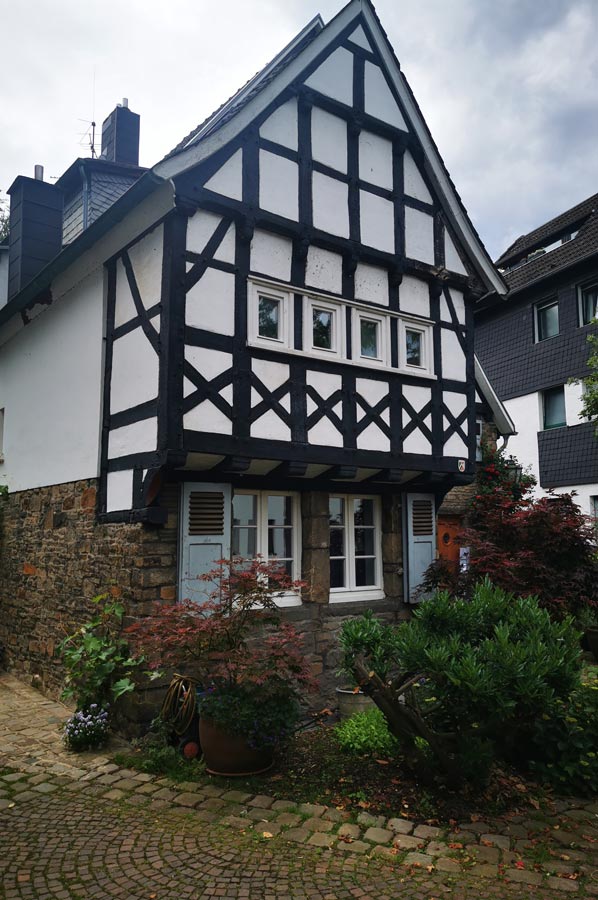
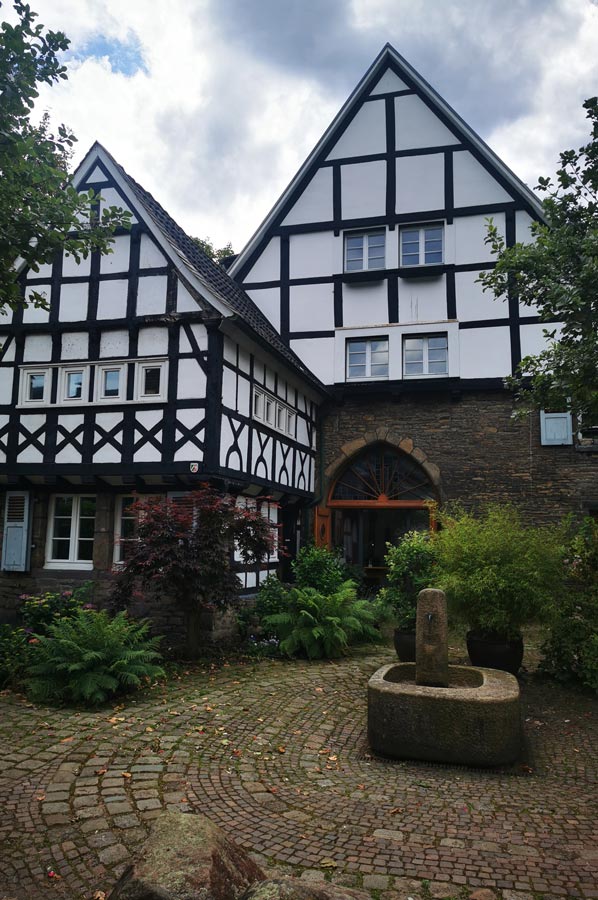
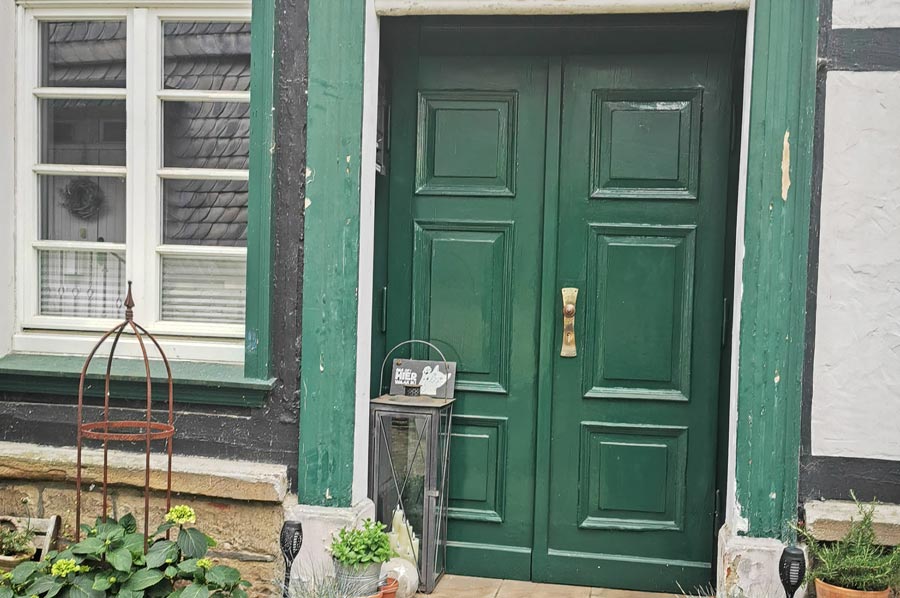
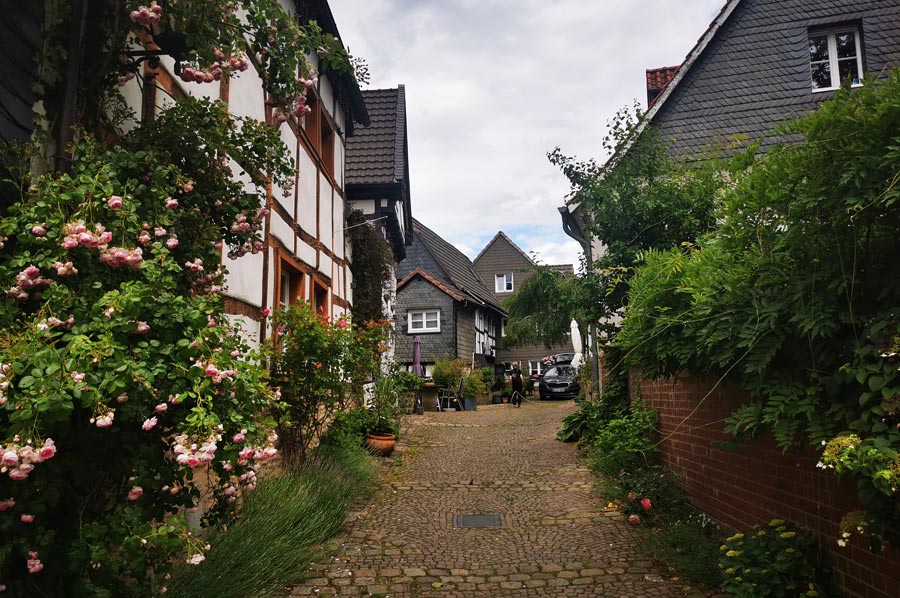
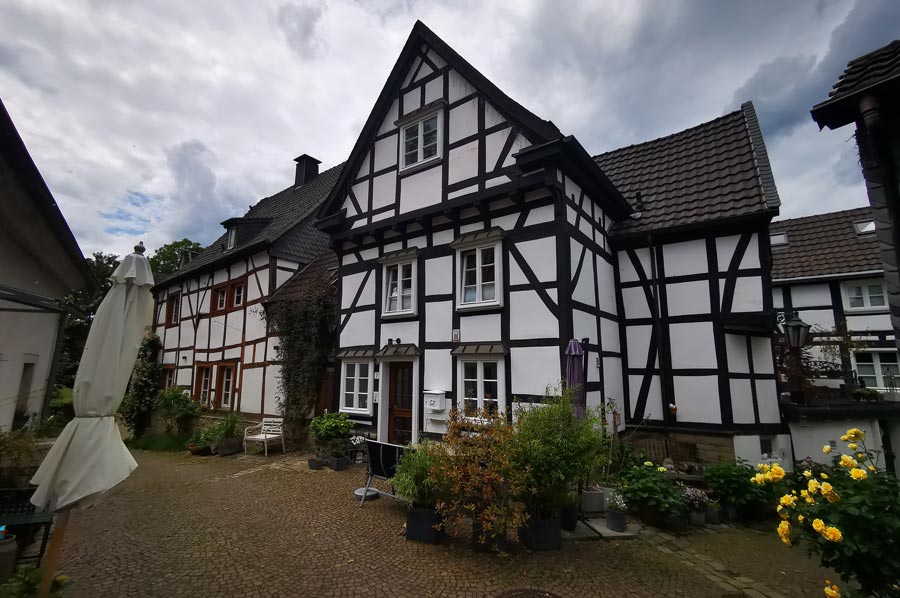
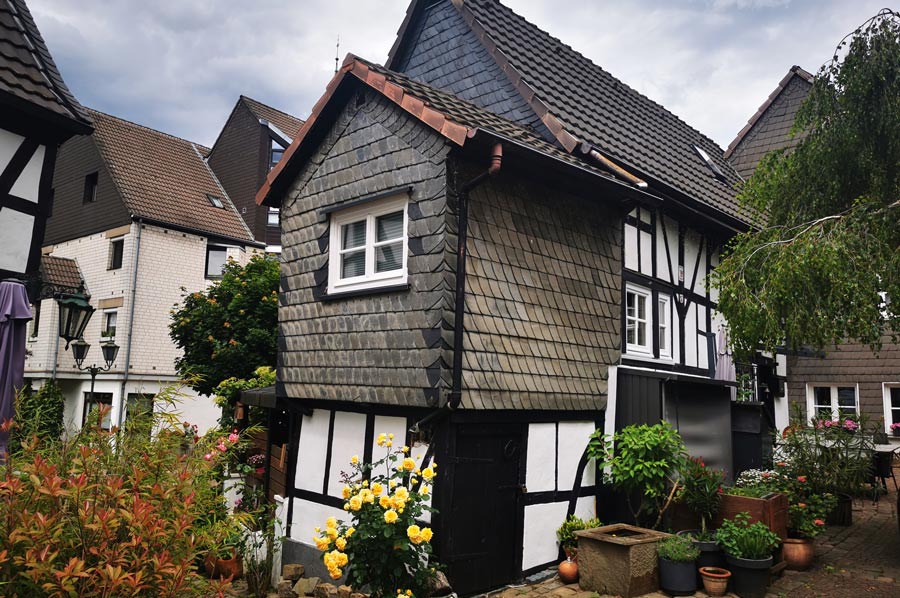
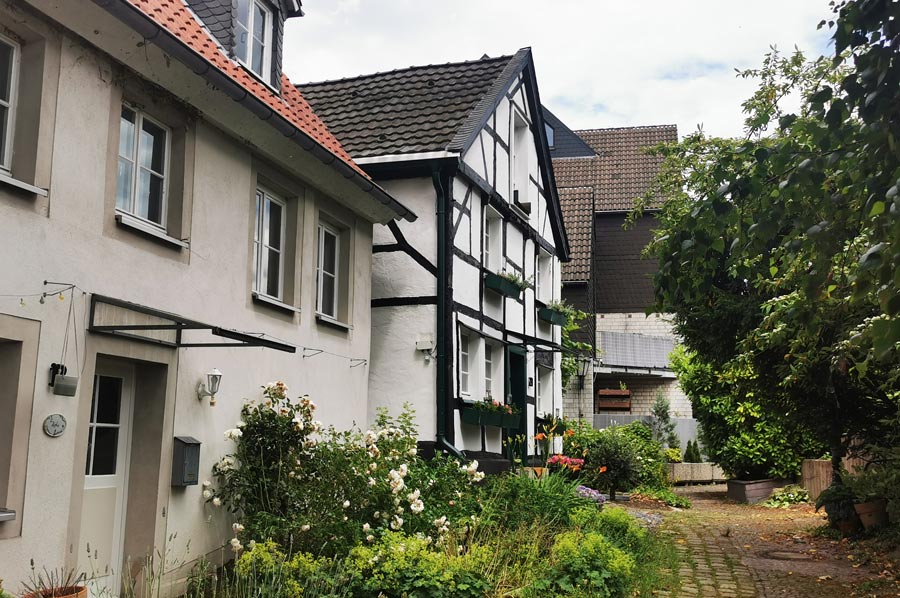
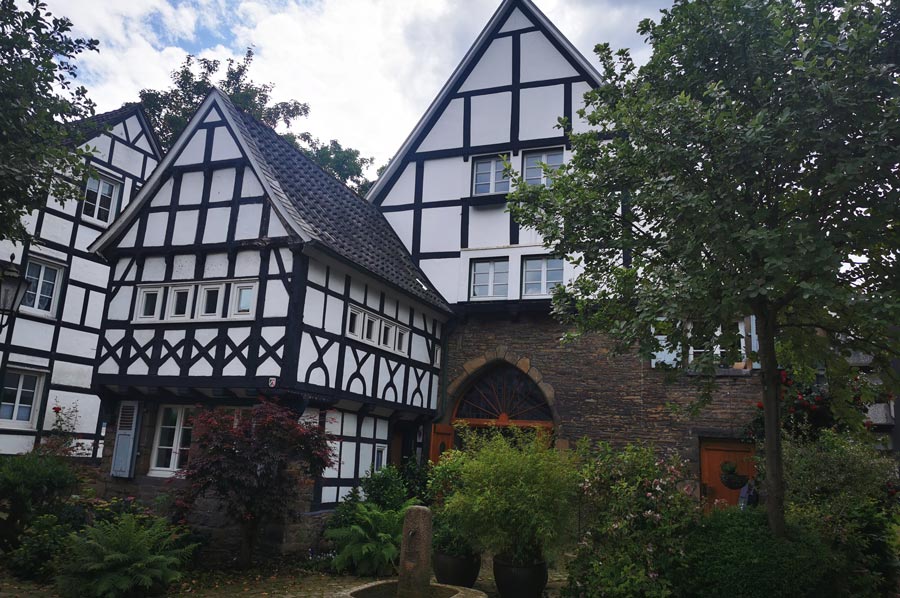
Wetter – We had heard several times about a cluster of half-timbered houses known as the "Freiheit" (Liberty), which dates back to 1355, the year it was granted the so-called Freiheitsprivileg (privilege of liberty).
During our subsequent visit to Wetter, we also encountered the name Friedrich Harkort; the Harkortsee (lake), Harkortberg (hill), and an observation tower all located on the outskirts of town suggested he was a figure of considerable importance. But more on that later.
Wetter "Freiheitsprivileg" – What exactly is it?
 A "Freiheitsprivileg" is a historical legal charter from the Middle Ages or the early modern period through which a ruler (such as an emperor or bishop) granted special rights to a town, region, or settlement. Well-known examples include the Great Privilege of Liberty for Worms (1184) and the Mainz Privilege (1244). However, smaller entities even villages could also receive certain privileges, such as:
Special rights: Exemption from specific levies or compulsory labour services.
Autonomy: Independent jurisdiction and the right to self-governance.
Town status: The foundation for rising to become a free (Imperial) city.
Frisian Liberty – An example of granted freedom
The legend of Magnus which likely dates back to the 13th century explains the origins of "Frisian Liberty": According to the story, the Frisians, led by Magnus, had surprisingly captured the city of Rome for Charlemagne (747–814). In gratitude, Emperor Charlemagne offered the inhabitants gold and garments. Magnus, however, refused these gifts. Instead, he received a privilege from the Emperor’s own hands consisting of seven articles that confirmed the Frisians' freedom; this became known as the "Magnusküren" (Magnus Charters). Karl granted these rights to them in the words of the original text, so that all Frisians might be free, both the born and the unborn, for as long as the wind blows from the clouds and the world endures."
The "Freiheit" of Wetter – Wengern and Volmarstein
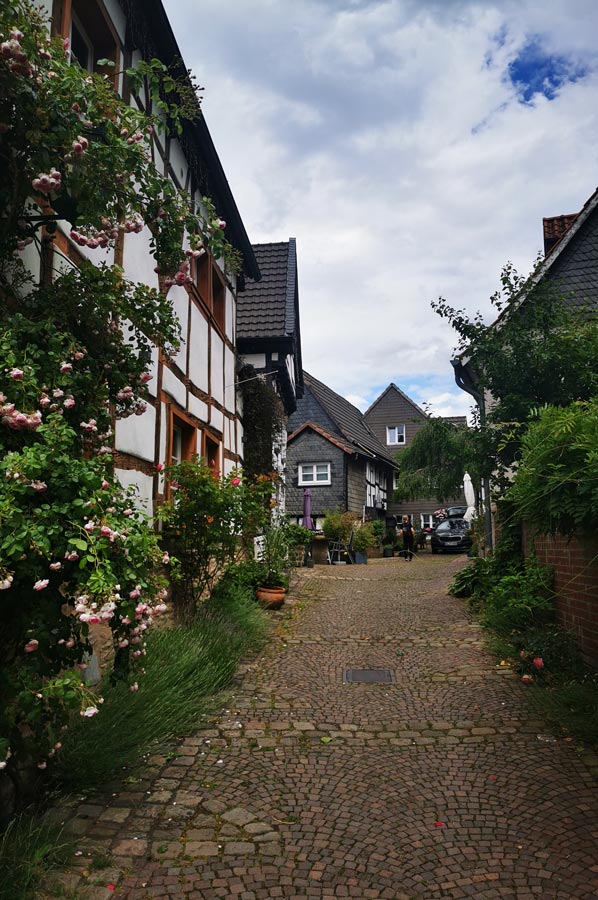 The two present-day districts of Wetter, Wengern and Volmarstein, were first mentioned in historical records as early as the 11th century. Around 1080, the church in Wengern was elevated to the status of a parish church by Sigewin of Are, the Archbishop of Cologne. Alongside Altena, Hamm, and Hörde, Wetter was one of the four administrative centers of the County of Mark. Between 1250 and 1274, the Counts of Mark built Wetter Castle, likely primarily as a Mark-controlled outpost facing the Electorate of Cologne’s Volmarstein Castle. With the introduction of the administrative system of the County of Mark in the early 14th century, an *Amtmann* (administrative official) representing the Counts of Mark typically a member of the regional nobility arrived in Wetter. The *Freiheit* and the village (originally known as Kerckwetter), which formed a single administrative unit, were granted the *Freiheit* privilege in 1355. Wetter was a member of the Hanseatic League; as an associate member, it benefited from trade privileges but held no voting rights.
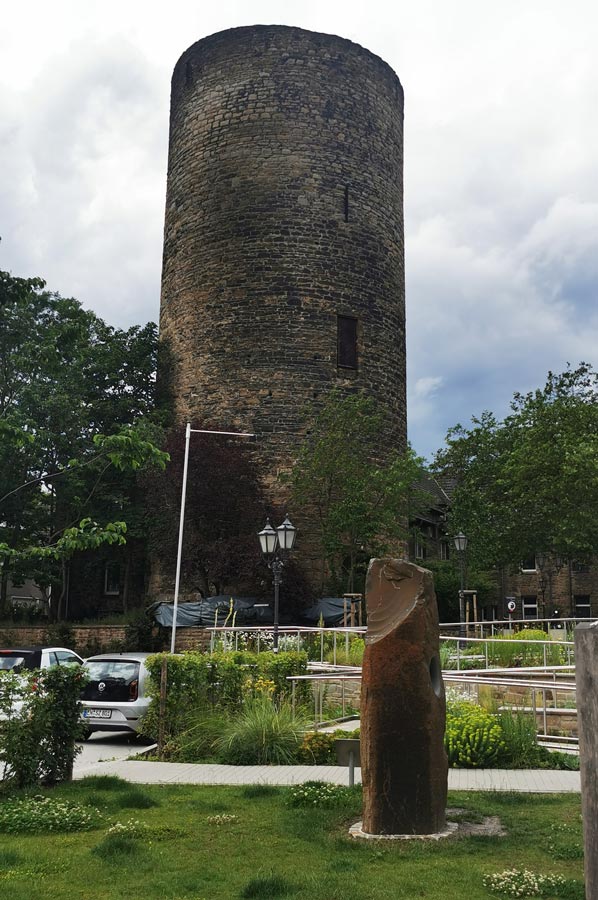 For over 400 years, the *Freiheit* of Wetter was enclosed by a ring wall. Aside from a small exit leading to the Ruhr River, the only access to the settlement and the castle was through a gatehouse located near present-day Kaiserstraße. The gate was guarded by a watchtower approximately 16 meters high; anyone wishing to enter had to pass a gatekeeper. Unlike the unfree rural peasantry, the people living within the walls enjoyed a special status guaranteed by the territorial lord. In medieval Westphalia, the term *Freiheit* also referred to settlements that possessed rights similar to those of a city but often lacked the right to hold markets or mint coins. The citizens of a *Freiheit* (a privileged settlement) were exempt from the obligation to serve a lord and were permitted to manage their own affairs an early form of municipal self-government featuring an elected mayor and town council. In January 1355, Count Engelbert III von der Mark confirmed these rights and extended them to the village of Wetter as well.
Wetter - Life in the *Freiheit*
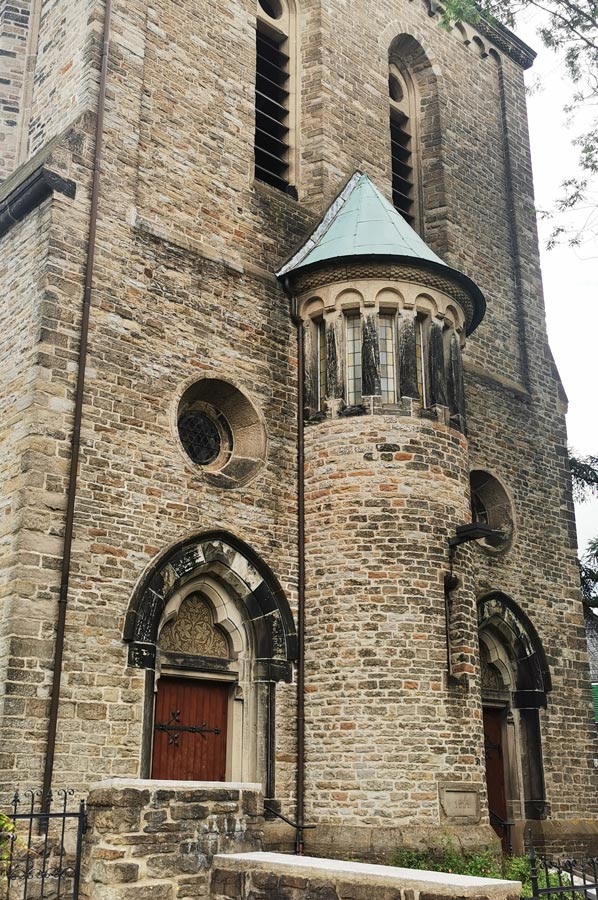 By the end of the 14th century, approximately 200 people lived in the *Freiheit* of Wetter. The security and defence of the fortified settlement were handled by so-called *Burgmannen* (castle guards/vassals), whose homesteads surrounded the castle complex. The town's civilian population earned their livelihoods as tailors, cobblers, bakers, butchers, shopkeepers, or farmer-citizens. Many also kept cows and pigs for subsistence. The civic rights granted by the Count offered protection but also entailed obligations. These included paying fees for a ferryman on the Ruhr River, performing maintenance work on the fortifications, and standing guard duty.
In the 17th century, the Thirty Years' War left a deep mark on the *Freiheit* of Wetter. Roaming troops ravaged the region, destroying houses and slaughtering livestock. Many residents left the settlement. The remaining population consisted largely of impoverished stonemasons and part-time farming townsfolk. By the end of the war, only the judge and the court clerks still held significant assets.
Laying the Foundation for the Iron Industry
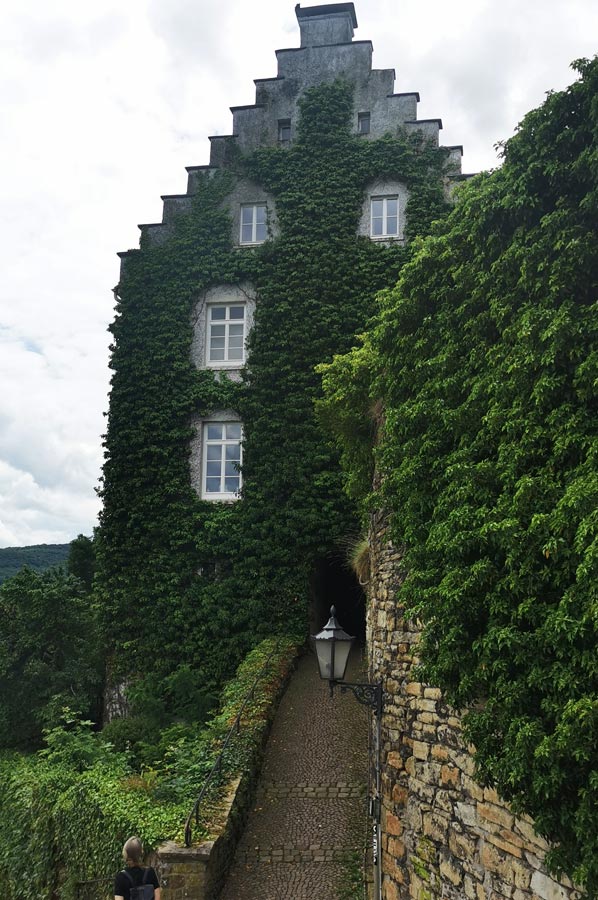 In 1661, the regional government of the time attempted to kickstart reconstruction through economic promotion initiatives. Their strategy:
To lure knife makers away from Solingen and settle them permanently in the region by offering guaranteed special rights.
By 1852, numerous knife makers had settled in the *Freiheit Wetter* (a privileged settlement area). Their privileges included the freedom to practice their Reformed faith in the castle chapel, priority access to coal supplies, and exemption from military service. A Reformed school building was also erected in 1664. With the establishment of mechanical workshops, the settlement underwent a rapid transformation:
The population surged from around 200 to over 800 by 1840. New professions emerged, such as factory workers, coppersmiths, merchants, stove makers, and wine traders. The population lived in cramped conditions: houses that had previously accommodated a maximum of 10 people now had to house up to 30.
Occupation of the Ruhr Region (Approx. 100 Years Ago)
 During the so-called Occupation of the Ruhr in 1923, the area that is now the town of Wetter was divided: British and French occupying forces were stationed north of the Ruhr River (in what is now Alt-Wetter), while the southern part (Volmarstein and Wengern) remained free of occupying troops. Consequently, the Overweg Bridge connecting Oberwengern and Alt-Wetter served as a border and checkpoint; long commute times had to be factored in for anyone traveling to work or school on the opposite side of the river. Wetter and its Connection to Friedrich Harkort
A notable landmark in the town of Wetter is the Harkort Tower, built in 1884 and standing 35 meters tall. The tower was erected using private donations to commemorate Friedrich Harkort. Often referred to as the "Father of the Ruhr Area," Harkort was a German entrepreneur and politician during the early Industrial Revolution. Deep-shaft coal mining only became feasible thanks to his pumps, steam engines, and railway tracks. His concern for the long-term well-being of his workers eventually took him to Berlin as a member of the Reichstag (1871–1874).
He campaigned for the abolition of child labour, the establishment of health insurance funds for workers, universal education, and occupational health protections through the creation of professional associations.
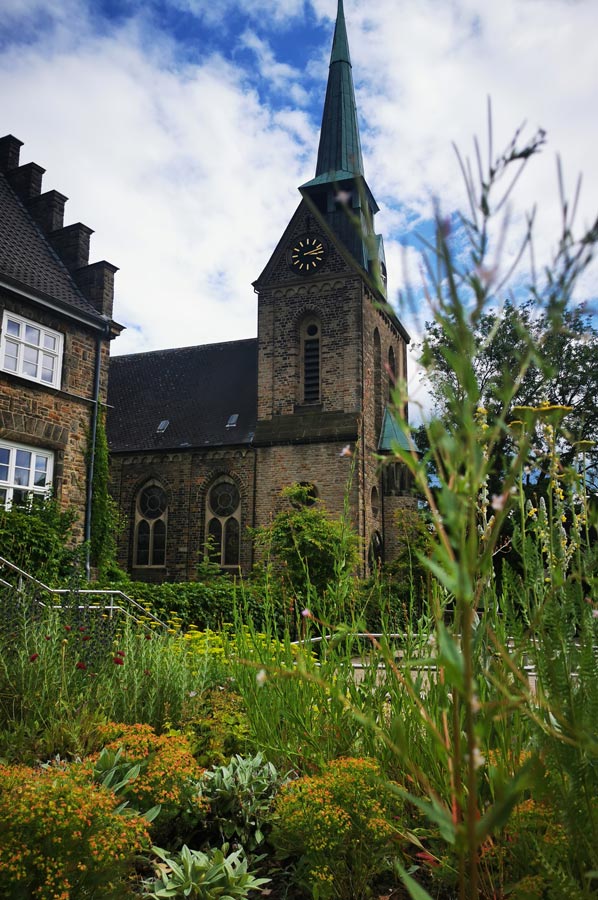 Friedrich Harkort played a pivotal role in shaping German education policy during the 19th century. He founded the “Verein für die deutsche Volksschule und für Verbreitung gemeinnütziger Kenntnisse” (Association for the German Elementary School and the Dissemination of Useful Knowledge). Within a very short time, the association boasted 2,500 members drawn from the upper middle class. Among them were many proponents of a new type of school—one that would enable elementary school teachers to rise above their low social standing. This was a sensitive issue, as neither the state nor the church was interested in entrusting an educational mandate to "empowered teachers." Instead, the authorities continued to favor the traditional image of the teacher as a mere catechist. Harkort recognized the social ills arising from advancing industrialization on the one hand and the inadequate development of educational opportunities for the proletariat on the other; he authored an indictment published in 1844 titled "Observations on the Obstacles to the Civilization and Emancipation of the Lower Classes," from which the following quotes are taken:
"100,000 primers costing 3,000 thalers are of greater value to the education of humanity than 100,000 armed men who devour 9 million annually."
"8,000 people living on a single square mile require a higher level of education and knowledge to survive than a few shepherds roaming a barren expanse."
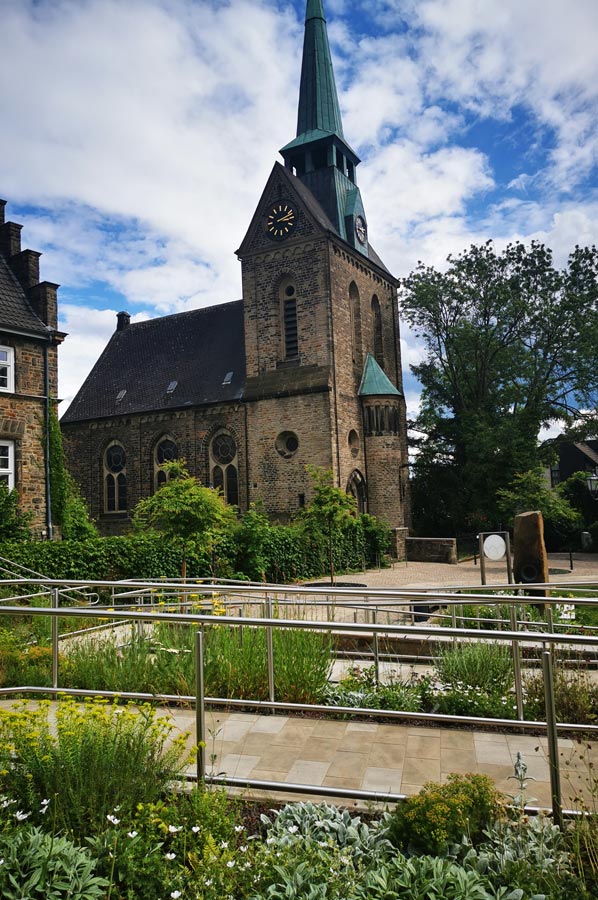 The tower has been a protected monument since 1984 and has been included in the Route of Industrial Heritage since early 2011. The tower is accessible only on specific occasions or by arrangement with the Wetter Local History Association (Heimatverein Wetter) and offers a view across Lake Harkort (Harkortsee) all the way to the Sauerland region.
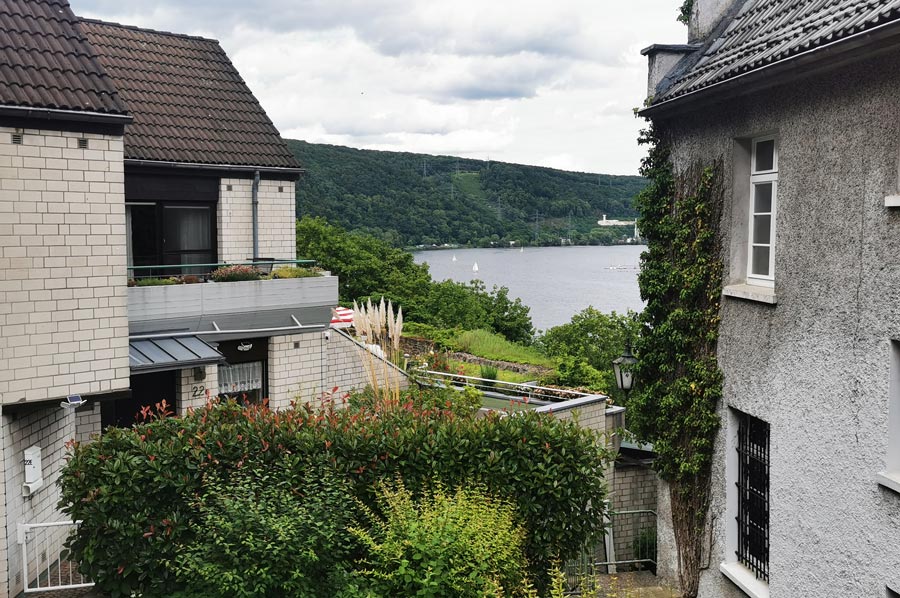
Lake Harkort (Harkortsee): Wetter is an ideal starting point for excursions whether by bicycle, inline skates, or on foot around the two Ruhr reservoirs, Lake Harkort and Lake Hengstey (Hengsteysee).
Harkortberg: Wetter also serves as an excellent starting point for hikes through the Ardey Hills, offering distant views of Lake Harkort (Source: Wikipedia and others).
Please read as well:
Warsaw - Hiking Tour through Old Town
Rewa and Beka - worth visiting places on the Baltic Sea
-
 Wetter - Stroling through "Freiheit"
Wetter - Stroling through "Freiheit"
Wetter - Stroling through "Freiheit"
-
Wetter - Stroling through "Freiheit"
Wetter - Stroling through "Freiheit"
-
Wetter - Stroling through "Freiheit"
Wetter - Stroling through "Freiheit"
-
Wetter - Stroling through "Freiheit"
Wetter - Stroling through "Freiheit"
-
Wetter - Stroling through "Freiheit"
Wetter - Stroling through "Freiheit"
-
Wetter - Stroling through "Freiheit"
Wetter - Stroling through "Freiheit"
-
Wetter - Stroling through "Freiheit"
Wetter - Stroling through "Freiheit"
-
Wetter - Stroling through "Freiheit"
Wetter - Stroling through "Freiheit"
-
Wetter - Stroling through "Freiheit"
Wetter - Stroling through "Freiheit"
https://www.alaturka.info/en/germany/north-rhine-westphalia/7172-wetter-freiheit-friedrich-harkort#sigProIdad610d95b3