


Pisidia - Pamphylia and Lycia to the south
- Written by Portal Editor
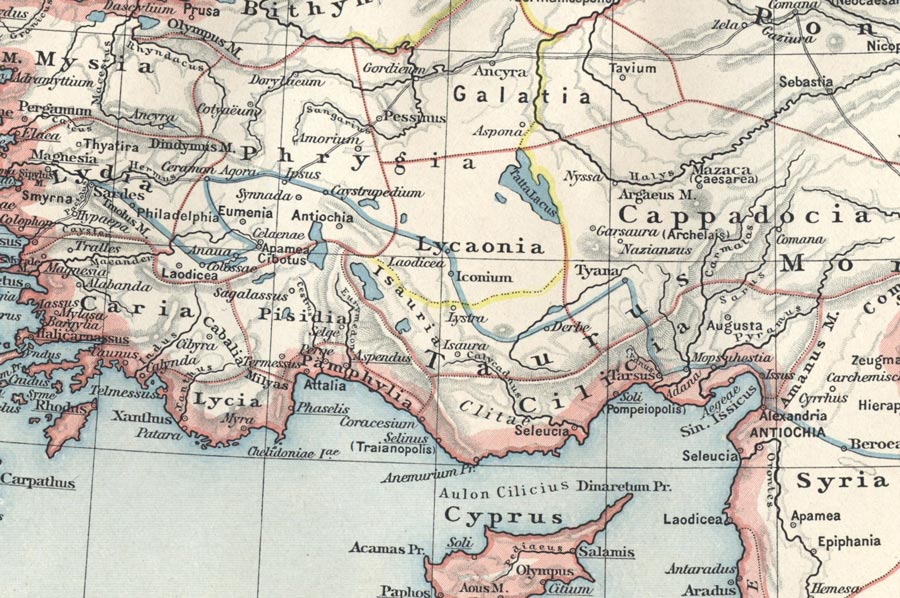
Pisidia – The name Pisidia also referred in antiquity to a region in Asia Minor, geographically stretching from the coastal plain near Antalya in the south to the lakes near present-day Burdur, after crossing the Taurus Mountains.
Referred to as Pisidia in Greek and Latin, the region bordered Lycaonia and Isauria to the east, Pamphylia and Lycia to the south, and Phrygia to the north and west.
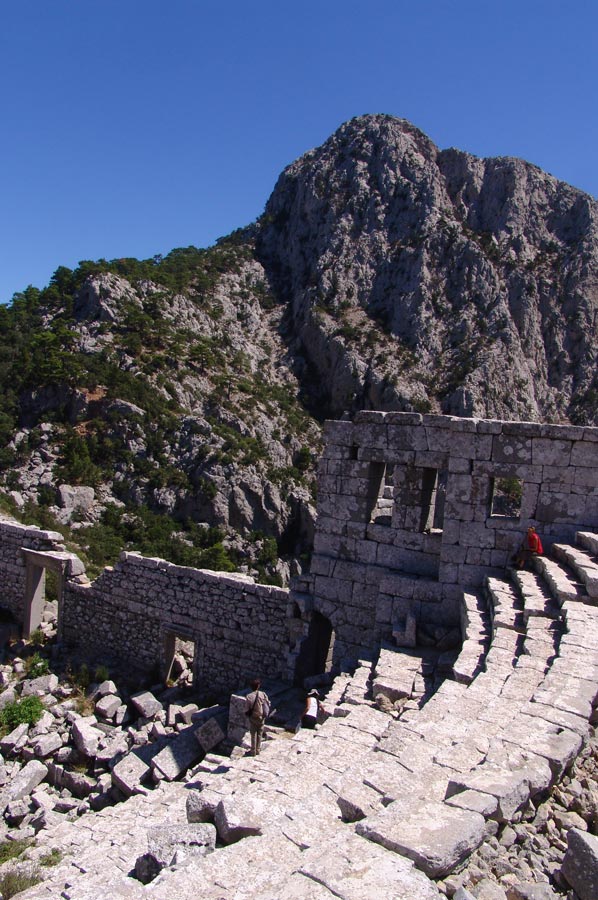 The inhabitants, described as highly warlike, lived in the rugged mountain landscape of the Taurus Mountains in places such as Adada, Antioch, Apollonia, Kremna, Sagalassos, Selge, and Termessos. The Pisidians, also known as Pisiders, were a resilient mountain people who, despite their rugged terrain, could not be defeated or subjugated by either the Persians or Alexander the Great. Due to the design of their fortresses, perched high in the mountains like eagles' nests (see Termessos), it was almost impossible for their opponents to assemble troops capable of defeating the Pisids. Only treaty agreements accounted for their affiliation with the Seleucid Empire and, from 188 BC, with the Kingdom of Pergamon. In 39 BC, Pisidia fell to the province of Galatia and was designated the Roman province of Galatia in 25 BC.
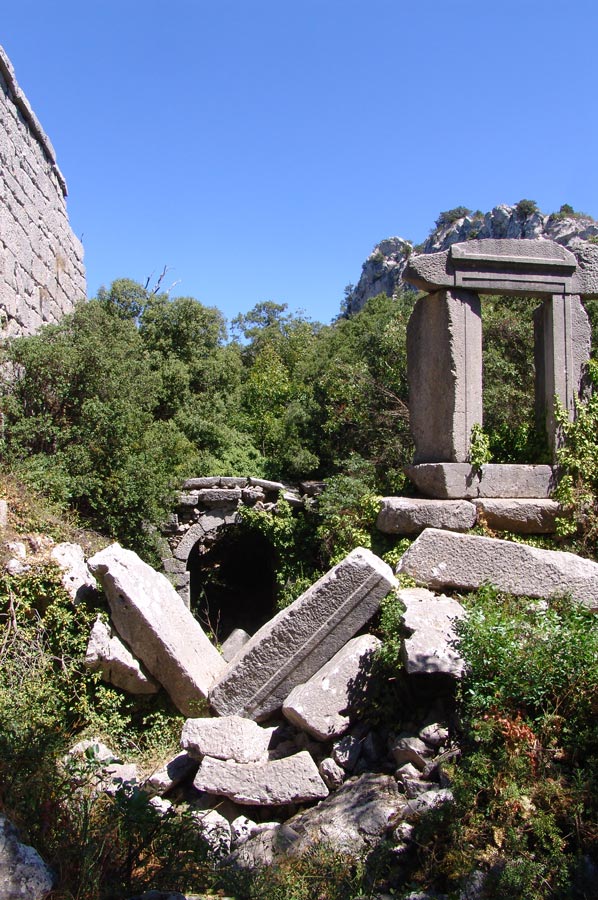 However, Roman rulers were never absolute overlords of the mountain people, a fact reflected in the preservation of their distinct Pisidian language.
The inhabitants of Pisidia, described in ancient sources as warlike, were, as a mountain people with their formidable fortifications, beyond the grasp of either the Persians or Alexander the Great. After having been at least formally under the Seleucid Empire, their territory belonged to the Kingdom of Pergamon from 188 BC onward. Pisidia was incorporated into the Kingdom of Pergamon in 16 BC and fell to Galatia in 39 BC. In 25 BC, Pisidia finally became part of the Roman province of Galatia, but even Roman rule was not absolute.
Please also read: