


Italy - Sightseeing for Gourmets - Hot Spots for Foodies
- Written by Portal Editor

Italy - Hardly any other country in the world has as much to offer gourmets as Italy. There's more than just pasta and pizza; for example, exquisite cheeses are produced, and Italian wines enjoy a world-class reputation.
There are many different regions where small, often family-owned businesses practice their craft and introduce guests to the diverse and regionally distinct culinary specialties.
Winegrowing since Roman times – fine wines for connoisseurs and enthusiasts
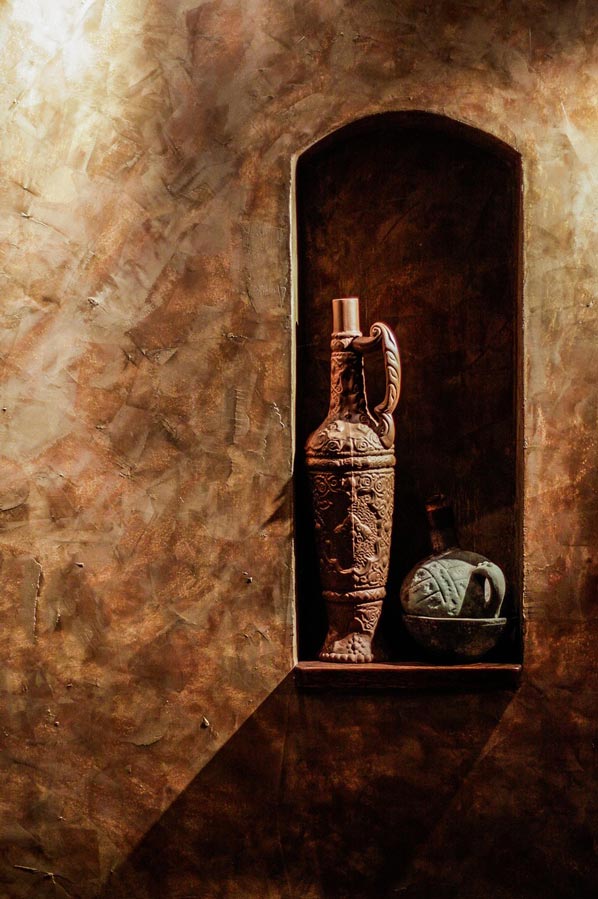 In the Roman Empire, winemaking techniques were passed down from the Etruscans, who cultivated grapes from the 2nd century BC. Wherever they found suitable soil and appropriate climatic conditions, they grew grapes. This also applies to the Lazio region, which surrounds Rome, the capital of the Roman Empire and the modern Republic of Italy. Although vineyards have existed in the area for a long time, wine production around Rome has only been officially recognized since 2011 with the establishment of the so-called "Denominazione di origine controllata (DOC)" (Denominazione di Origine Controllata). Production finally gained momentum with the appointment of a protection consortium in 2018. This development around the Italian capital is being closely watched by connoisseurs.
Piedmont beckons with culinary delights
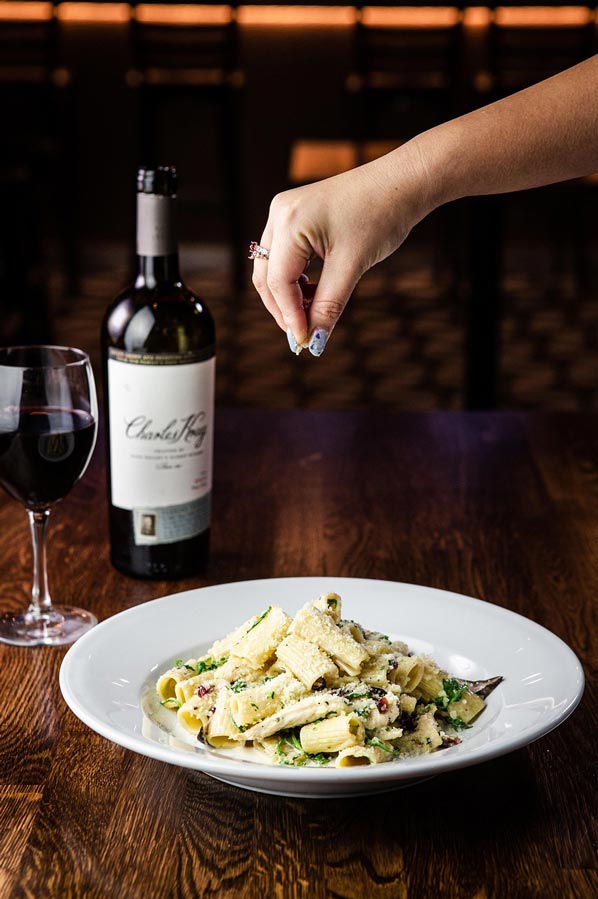 Located in the far northwest of Italy is Piedmont, a region renowned for its excellent cuisine and attracting numerous gourmets every year. One of the most famous places in Piedmont is Alba, which owes its high profile to an edible mushroom—or rather, the most expensive mushroom used to enhance a dish. Every autumn, numerous connoisseurs travel to Alba, as it hosts one of the largest mushroom fairs, where this prized edible mushroom is sold at top prices. Those wishing to taste it should do so directly in Alba, ideally in the form of a dish prepared with the region's famous egg noodles, Tajarin, and a cut of Piedmontese beef. The entire dish is finished with paper-thin shavings of truffle. Piedmont is also home to famous wines such as Barolo and Barbaresco. The proximity to France is evident in Piedmont's delicious cheeses, including:
Bra
Bra Ciuk
Castelmagno
Raschera
Taleggio
Gourmets will find their culinary desires best satisfied in Piedmont, particularly in Barolo, Asti, Alba, La Morra, Pollenzo, Grinzane Cavour, and, of course, Turin. It's best to seek out unassuming restaurants off the beaten tourist track, recommended and frequented by locals. This is how you'll experience authentic Piedmontese cuisine.
Umbria – Culinary Diversity and Uniqueness
 This region in central Italy is primarily known for St. Francis of Assisi. From a culinary perspective, Umbria is distinguished primarily by the fact that its cuisine has been barely influenced by neighboring regions. The most important elements of Umbrian cuisine are meat and simple ingredients from local agriculture. The key culinary word in Umbria is tradition. However, traditional cuisine does not mean that its dishes are simple or banal. Gourmets who appreciate unpretentious preparation and authentic flavors highlighted by the raw ingredients will find Umbria to their liking. The dishes for which the region is known have their origins in the culinary arts of the ancient Romans and, above all, the Umbrians.
Italy - What defines Umbrian cuisine
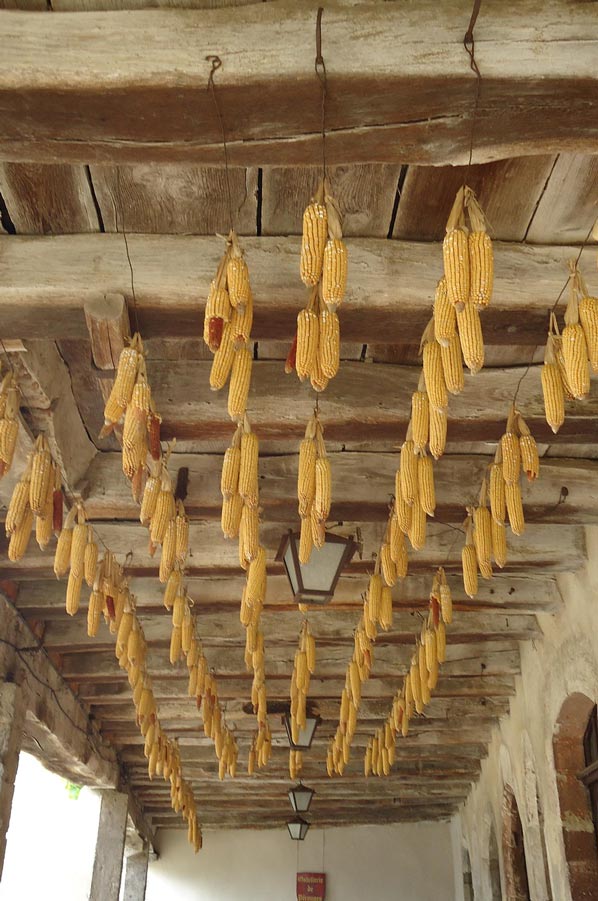 Grains and legumes are frequently found in the dishes. Besides pork from Norcia and its surrounding area, a fundamental ingredient is olive oil from Foligno or Trevi, without which Umbrian cuisine would be unthinkable. Antipasto Umbro is absolutely typical of the Umbria region and can be found on almost every menu. Those who order it receive a variety of cheeses and cured meats, such as salami, ham, the neck ham known as capocollo, and pieces of loin. Sheep's or goat's cheese is also served, and the popular arugula salad is a must with this appetizer. The most important cities and towns for gourmets in Umbria are:
Perugia
Orvieto
Assisi
Montefalco
Lake Trasimeno
Norcia
Val Nerat
The simple yet incredibly delicious cuisine of Umbria makes the region a culinary highlight of any gourmet trip through Italy. It reflects the people's deep connection to their homeland and is a flavorful expression of the Umbrian way of life.
Italy - A Gourmet's Dilemma - Liguria
 Located south of Piedmont on the Mediterranean coast, the Liguria region is not only a popular destination for sun-seeking vacationers, but also a frequent haunt for gourmets. This is primarily because gourmets in the region are truly spoiled for choice and must decide which delicacies they would like to sample:
Fish from the Mediterranean Sea
Meat from local cattle
Cheese made from the raw milk of Cabannina cattle
Beans or artichokes grown locally
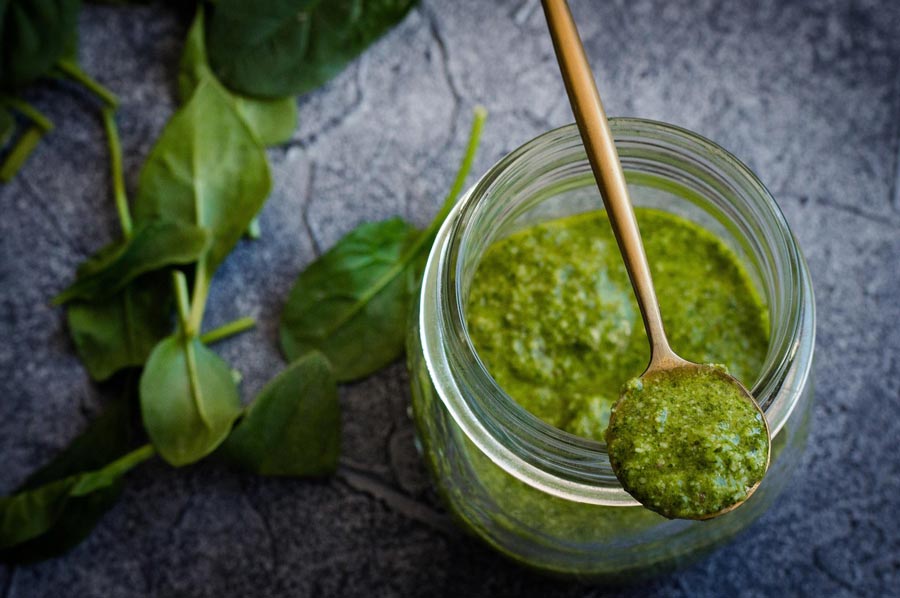
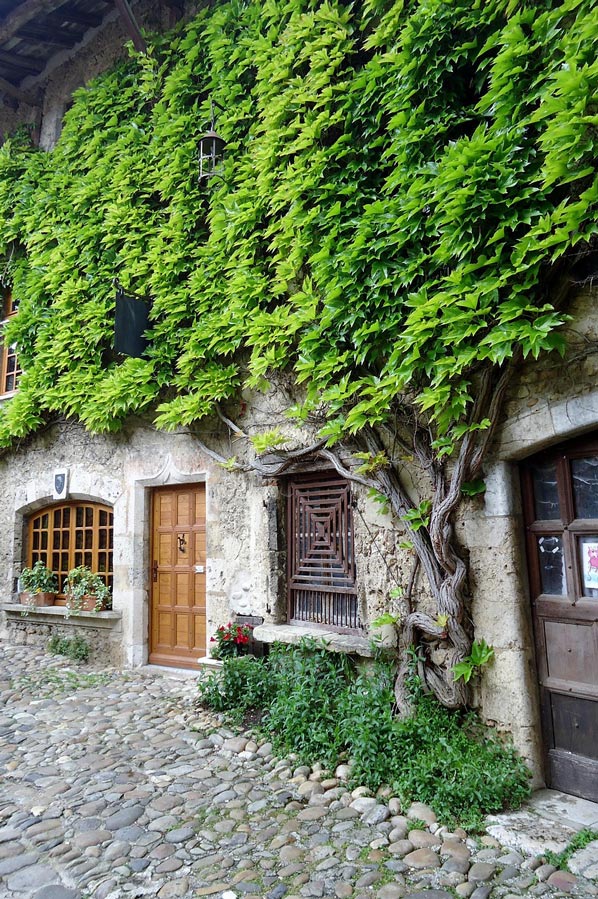 Anyone wishing to explore Liguria's culinary scene should try everything, from cold-pressed olive oil to homemade focaccia bread, orange blossom water, or the world-famous pesto Genovese. High-quality garlic and purple asparagus also originate from Liguria. All these delicacies are produced in places like Genoa, the Alta Valle Arroscia, Brigasca, Perinaldo, and Vallebona. During a visit, you can sample the Chinotto, a citrus fruit originally from China and later introduced to Italy. If Valleggia is on your route, be sure to try the apricots grown there. To taste regional fish specialties, a visit to the Gulf of Noli or Camogli is highly recommended. Stuffed anchovies, a true insider tip for gourmets, can be found throughout Liguria. The further west you travel, the more Ligurian cuisine is influenced by its proximity to France.
Winegrowing in Liguria – Little-Known Wines of the Highest Quality
Even beyond the borders of the Liguria region, and certainly outside of Italy, the excellent Ligurian wines are hardly known. This may be because the relatively small winegrowing area (the second smallest in all of Italy) remains relatively unknown. The vineyards are mostly situated on steep slopes behind the coastline. Among the most famous places are Pornassio and Diano Castello, and the wines are called white Vermentino, Pigato, Rossese di Dolceacqua, or Sciacchetrà (dessert wine).
Campania – a well-known region with culinary specialties
 The region is primarily known for Naples, Mount Vesuvius, Pompeii, the Amalfi Coast, Ischia, and Capri. However, in addition to these world-famous sights, Campania also has much to offer gourmets. Some of the most important foods in the Campania region include:
Tomatoes
Lemons
Mozzarella (made from buffalo or cow's milk)
Pasta (especially spaghetti)
Fish (red mullet, salt cod, eel, squid, clams)
Meat (rabbit, beef)
Pizza, which originated in Naples, is practically a regional national dish in Campania. However, for a Neapolitan, only the Pizza Margherita with basil, buffalo mozzarella, olive oil, and of course, tomato sauce, is the original version; all others are considered fads. Those who enjoy lemon cake should try the "delizia al limone" from Sorrento or a slice of "pastiera." This is an Easter cake filled with ricotta, wheat kernels, citrus liqueur, candied fruit, lemon zest, and a pleasant aroma of orange blossoms.
Espresso and Wine – Campania at its Best
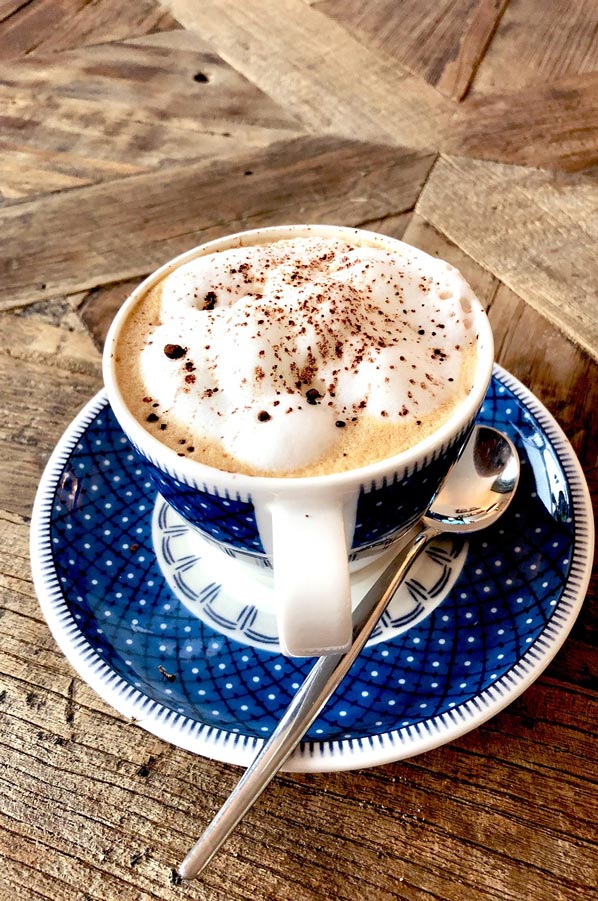 It's hard to believe, but when it comes to espresso, Naples is still a step ahead of other regions of Italy. A first-class espresso is essential after dessert to complete a good meal. This devotion even extends to the Neapolitans developing a special coffee machine called the "Napoletana." Campania benefits from its climate when it comes to wine production and boasts numerous vineyards, especially around Naples. The most important wine-growing areas here, besides the regions of Irpinia and Benevento, are the Campi Flegrei, Vesuvio, and Penisola Sorrentina.
Italy – A Whole Country as a Culinary Hotspot
Essentially, all of Italy is one giant basket of culinary delights for ambitious foodies and discerning gourmets. If you avoid the mistake of eating where tourists gather daily, you have the chance to discover culinary treasures everywhere in Italy. This applies to Italy's major cities as well as smaller towns. The true culinary experiences are found off the beaten track. Simply turn down the side streets, and you'll find yourself stumbling upon regionally focused restaurants, family-run trattorias, gelaterias with delicious ice cream, or Pasticceria’s for a sweet treat every few minutes.
Please also read: