


Aspen - For International Day of Forests on March 21
- Written by Portal Editor
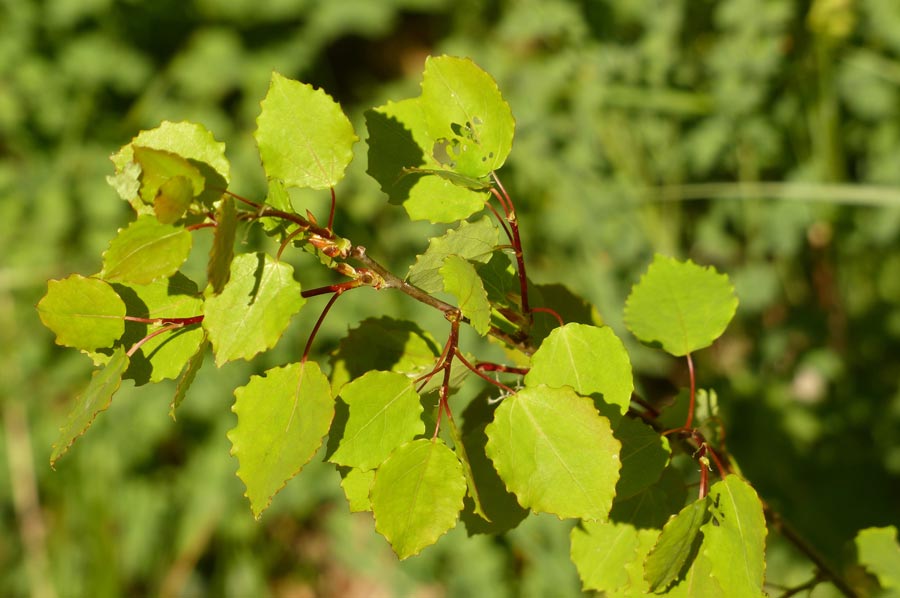
Aspen - The protection of forests, sustainable forest management, and reforestation – these goals are the focus of International Day of Forests on March 21, which was proclaimed 55 years ago by the Food and Agriculture Organization of the United Nations (FAO).
Due to climate change, forests face major challenges both internationally and in Germany. So-called pioneer tree species play a crucial role in overcoming these challenges. These tree species are the first to colonize the forest floor after the forest has been cleared, for example, by windthrow or clear-cutting.
The versatile aspen is good for climate, nature, and species conservation
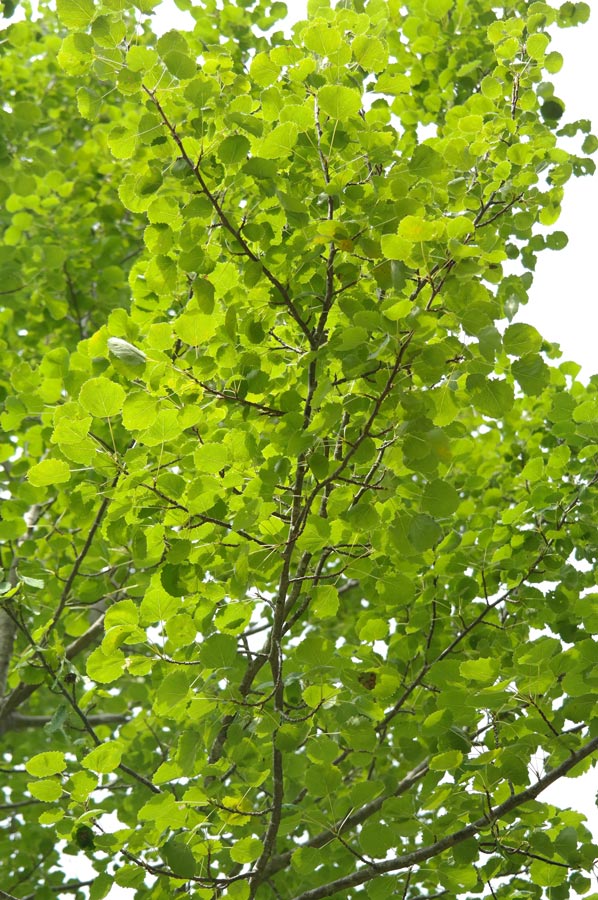 One of these species is the aspen (Populus tremula), also known as the common aspen. It owes its name to its rounded leaves, which begin to tremble in the slightest breeze. Because of its importance for many animal and plant species, the Dr. The Silvius Wodarz Foundation has named the tree with the green-gray bark the Tree of the Year 2026. "Aspens thrive in almost any location, and their seeds, of which they can produce several million annually, are dispersed by the wind over many hundreds of meters," says Marie Geisler, a forestry scientist at the German Wildlife Foundation. "Especially on forest areas that have been cleared by storms, fire, or insect infestation, the aspen can thus establish a new generation of trees within a short time."
The aspen is a true all-rounder: Because it spreads so quickly across cleared areas, it prevents erosion and drying out. It also improves soil quality: Its leaves are easily decomposed by bacteria, fungi, and algae – valuable minerals and trace elements are quickly returned to the forest cycle. In the long term, this increases the pH value of the subsoil. Due to its rapid growth – about 25 meters in 20 to 30 years – the aspen also binds significantly larger amounts of carbon dioxide much earlier than slower-growing tree species.
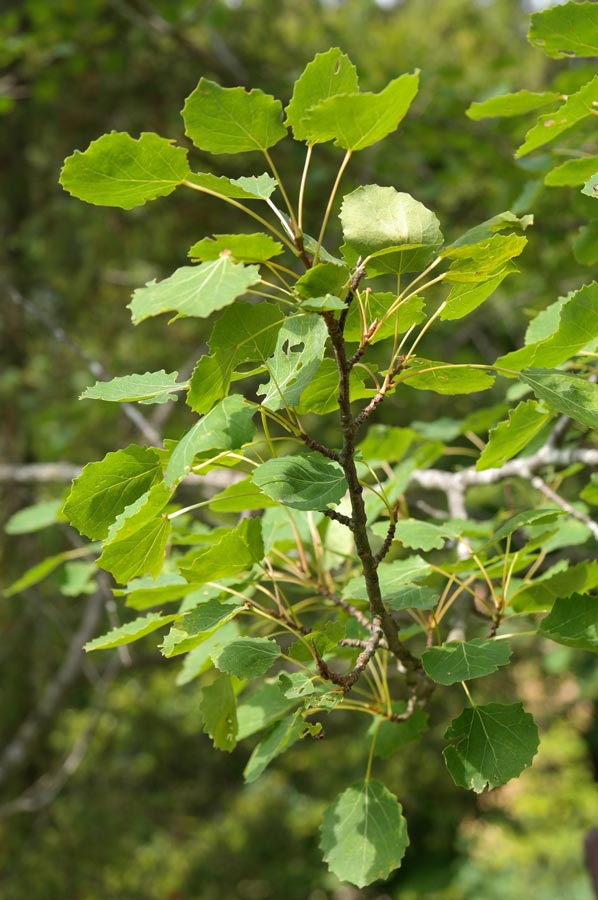 But the aspen is not only good for the climate: it is an important food plant for more than 90 butterfly species. The green-and-white caterpillars of the Large Tortoiseshell butterfly feed exclusively on aspen leaves and overwinter in small cocoons spun from the leaves on its branches. The thick green caterpillars of the Emperor Moth and the light gray caterpillars of the Blue Underwing moth feed almost exclusively on aspen leaves. The organic compound salicin, which occurs in the bark of softwood trees such as poplars and willows, also serves as a defense mechanism against predators for some insects. Even the largest deer appreciate the aspen: In near-natural habitats, red deer's winter diet consists of almost half young aspen shoots – where they grow, the animals browse less on tree species that are more valuable to forestry.
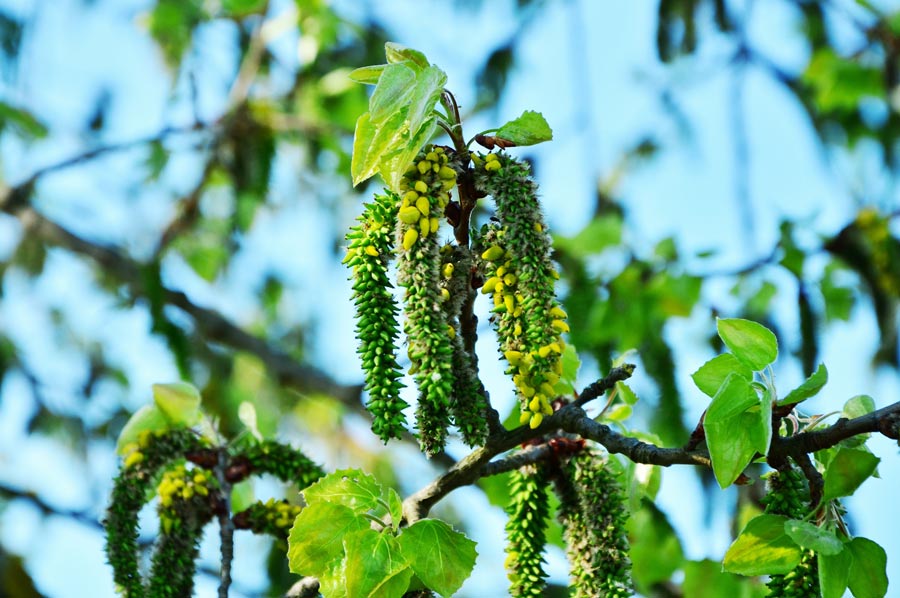 Since aspen wood has little economic value and other, more commercially valuable tree species can suffer under its dense growth, the aspen has been increasingly displaced from our forests over the past 150 years. According to the Federal Forest Inventory, only one in every hundred trees in Germany is now an aspen. The German Wildlife Foundation aims to change this and is specifically planting aspens on its properties – to protect the soil and provide food for a wide variety of animal species, thus increasing biodiversity.
This video provides an insight into the German Wildlife Foundation's forest conversion efforts: https://www.youtube.com/watch?v=Ojqnoe1UFoY
Jenifer Calvi / Press Officer
German Wildlife Foundation
Lucy-Borchardt-Straße 2
20457 Hamburg
Phone +49 40 970 78 69-14
This email address is being protected from spambots. You need JavaScript enabled to view it.
Please read as well: