When the Leaves Fall: How Trees Prepare for Winter
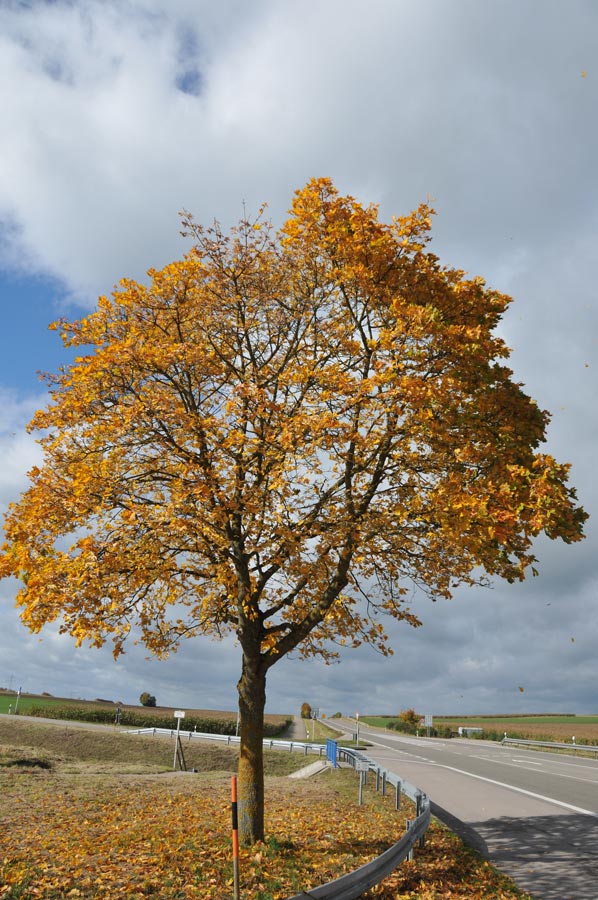
Anyone walking through forests and parks these days, or preparing their garden for winter, can watch autumn arrive step by step: trees are transforming and getting ready for the cold season.
What causes trees to shed their leaves? And why does this happen earlier for some than for others?
 “Trees respond to environmental changes brought on by autumn such as the decreasing length of daylight, which serves as a reliable signal that the seasons are shifting,” says Kathrin Mayer, a biologist at the German Wildlife Foundation (Deutsche Wildtier Stiftung).
Through light-sensitive cells, plants register that days are growing shorter and nights longer.
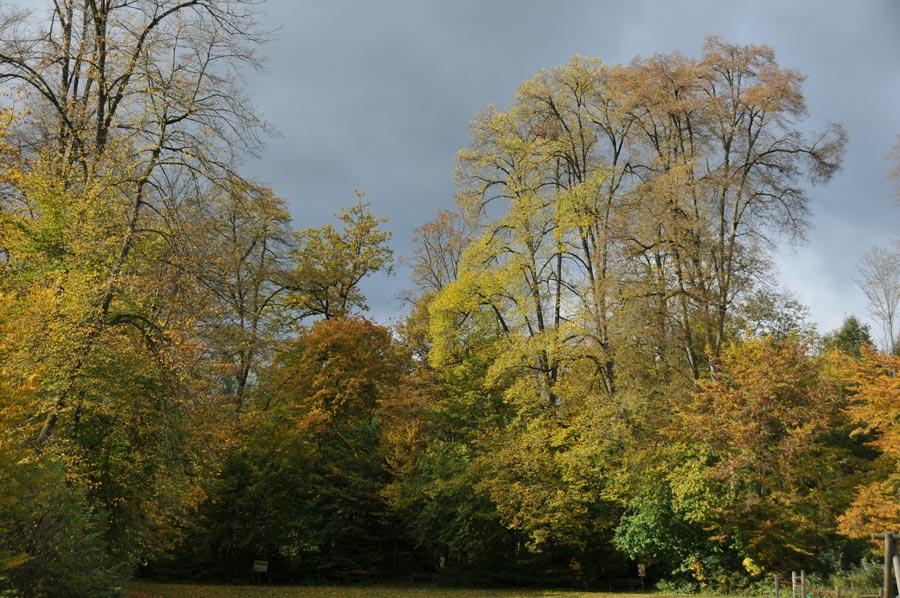
Temperature and water availability also play a role. Each tree species reacts to these conditions differently, which is why leaf discoloration and shedding do not occur at the same time a fact that is clearly visible: “In many places, oak leaves are still a deep, lush green, while most beeches are already glowing golden-yellow, and beneath some birch trees, a thin layer of fallen leaves has already gathered,” Mayer explains.
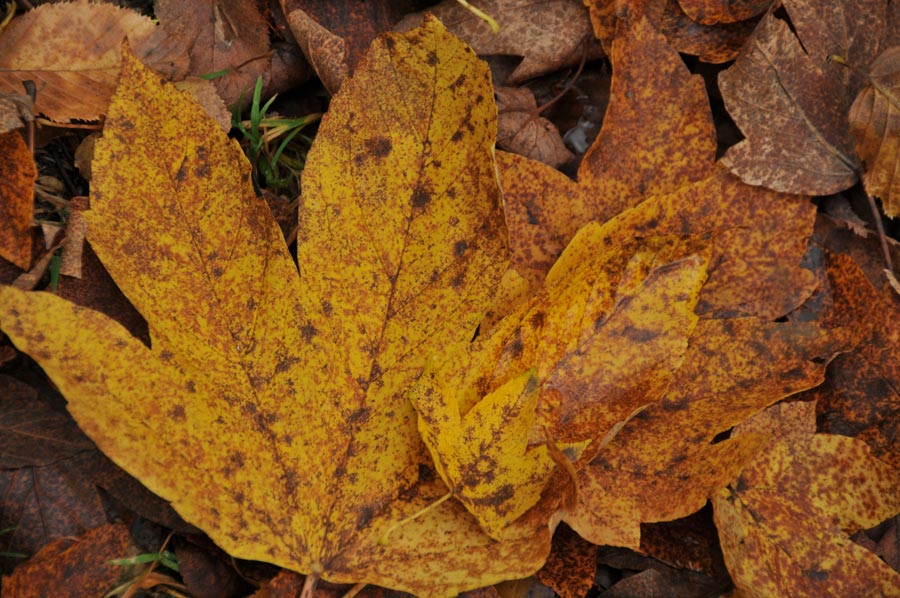
 Before a leaf falls, the tree reabsorbs a portion of its nutrients such as magnesium, potassium, phosphorus, and many others transporting them to other parts of the plant, including the bark, buds, shoots, trunk, and roots. They are stored there until spring. The chlorophyll that gives leaves their green colour breaks down, revealing other pigments that were masked by the green throughout the summer. Carotenes, for instance, produce yellow-orange hues, while xanthophylls cause leaves to appear yellow. Some tree species also produce anthocyanins in the autumn, which turn the leaves shades of red to violet. This is how the characteristic play of autumn colours comes about.
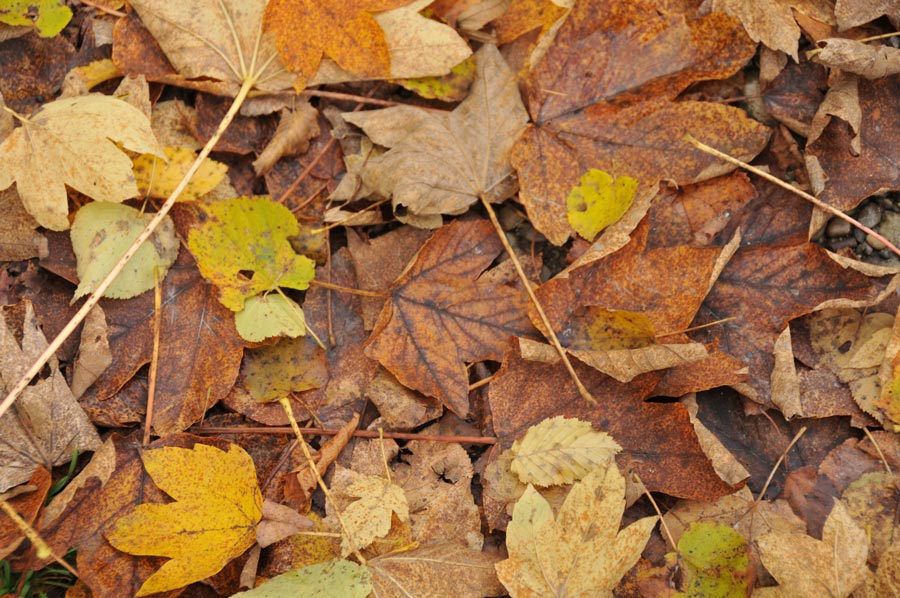 Once the tree has largely reclaimed its valuable nutrients, it prepares the leaf for its final departure. At the base of the leaf stalk lies an abscission zone. In autumn, the cellular connections here are broken down, allowing the leaf to detach from the branch. Simultaneously, the tree begins to seal the resulting wound with a protective layer of tissue, which prevents the plant’s interior from drying out and keeps pathogens from entering. Furthermore, shedding leaves protects the tree from excessive water loss during the cold season. In freezing temperatures or when the ground is frozen, the roots can absorb very little water; yet, leaves would continue to release moisture into the air. By shedding them, the tree reduces its surface area for evaporation, thereby improving its water balance.
Being leafless also helps the tree better navigate other winter challenges. A bare crown offers less resistance to the wind, and there is less surface area for heavy, wet snow to accumulate on the branches. Incidentally, this process also allows the tree to rid itself of leaves that may have been damaged for instance, by a fungal infection.
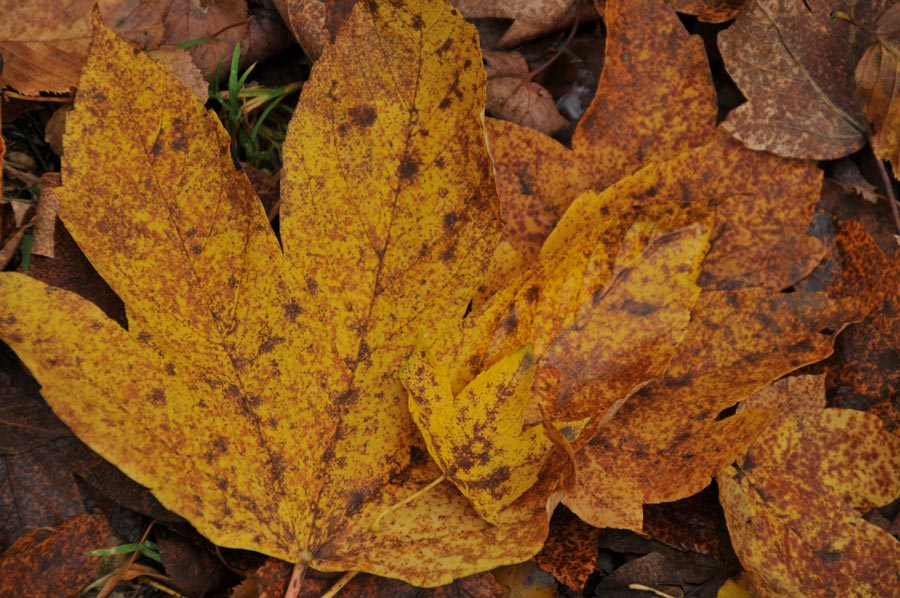 "If leaves fall on the ground in your garden, you don't need to clear every single area," says Mayer. "Gardeners should collect leaves from lawns and paths, or from places where a thick layer might harm other plants. However, under shrubs, hedges, and trees as well as in garden beds the leaves can simply be left where they fall." In these spots, the foliage protects the soil, provides a habitat for soil organisms, and eventually breaks down into valuable humus. It also serves as an ideal winter shelter for wildlife, including hedgehogs, amphibians, insects, and spiders.
Jenifer Calvi, Press Officer
German Wildlife Foundation (Deutsche Wildtier Stiftung)
Lucy-Borchardt-Straße 2
20457 Hamburg
Phone: +49 40 970 78 69-14
Please read as well: