


Aydın – The Major City on the Great Meander River
- Written by Portal Editor
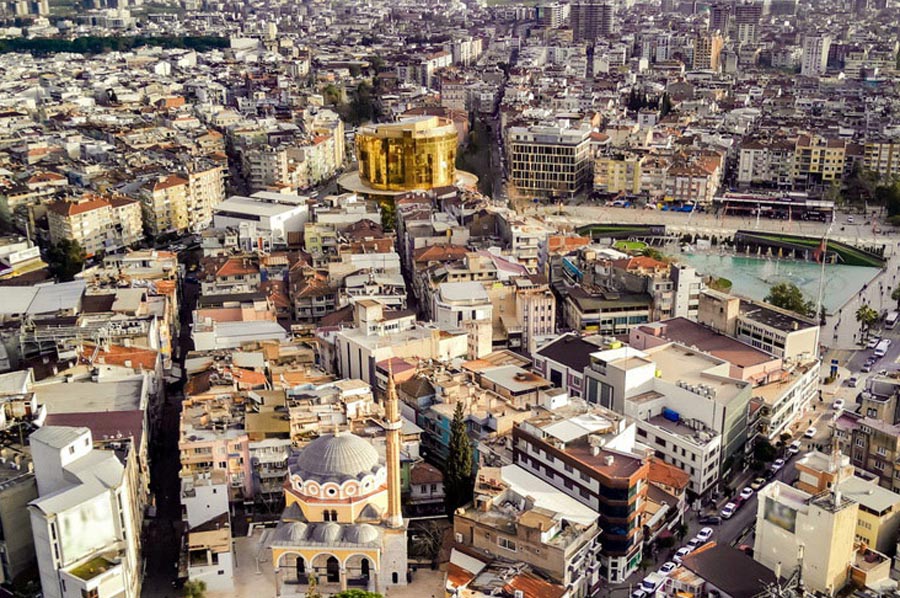
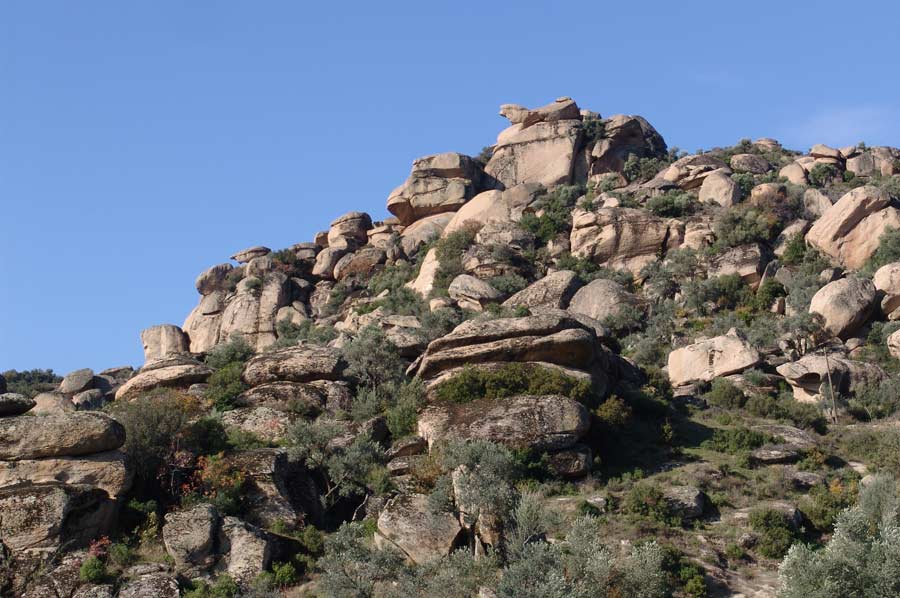
Aydın, a large, economically important city located about 65 kilometres from the sea and surrounded by the mountains of the Samsun Massif, also known as the Aydın Mountains, is the capital of the province of Aydın on the Aegean coast, with a population of approximately 190,000.
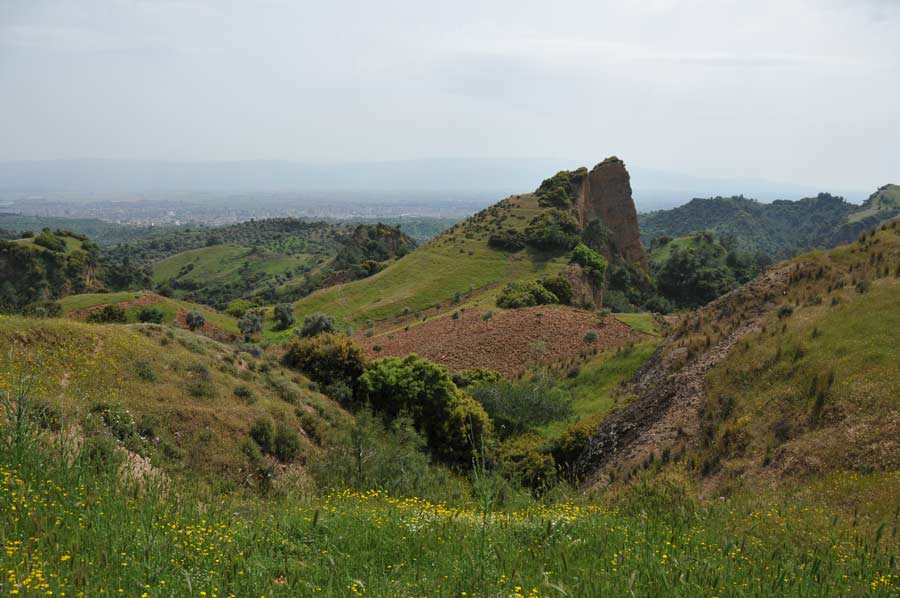
To the north, the mountain peaks rise to an altitude of 1,800 meters. Aydın lies in the valley of the Great Meander River (Turkish: Büyük Menderes). South of the city, the approximately 5-kilometer-wide side valley of the Çine Çayı River flows into the river, through which a railway line to Muğla also runs.
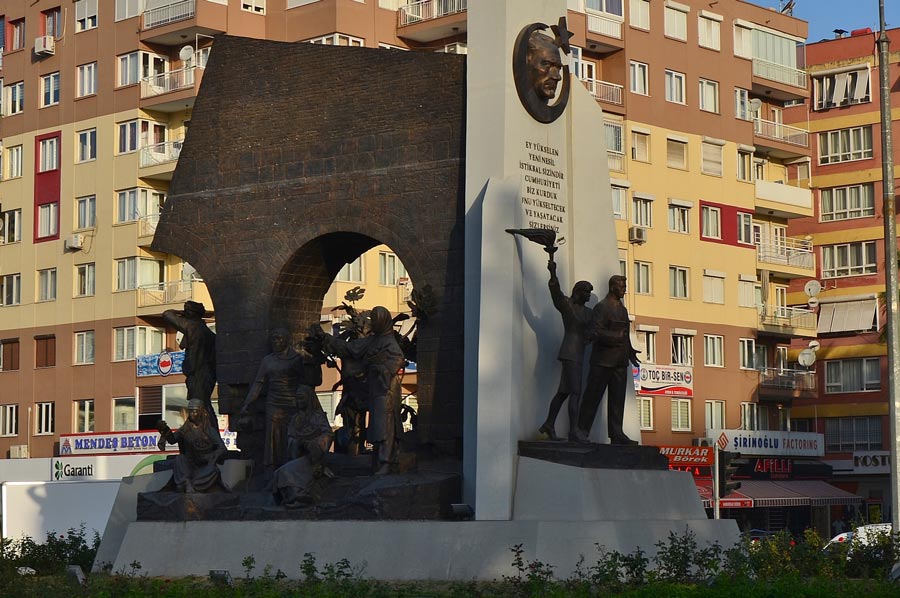 Our frequent visits to Izmir often meant that we bypassed the city before continuing on the toll highway towards Izmir. Shortly after leaving the city, a modern tunnel traverses the Aydın Mountains. Upstream, the well-maintained four-lane road continues via Denizli to Antalya on the Turkish Riviera.
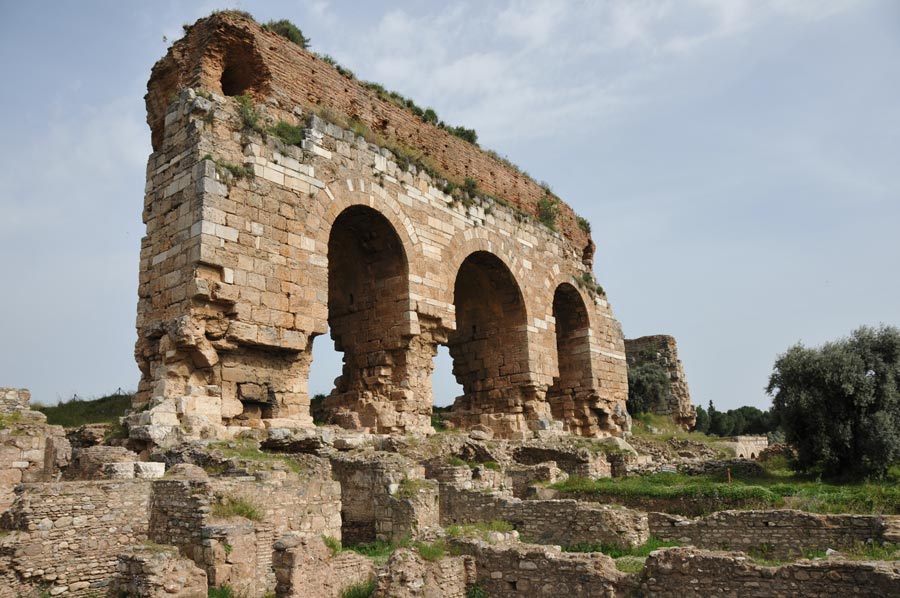
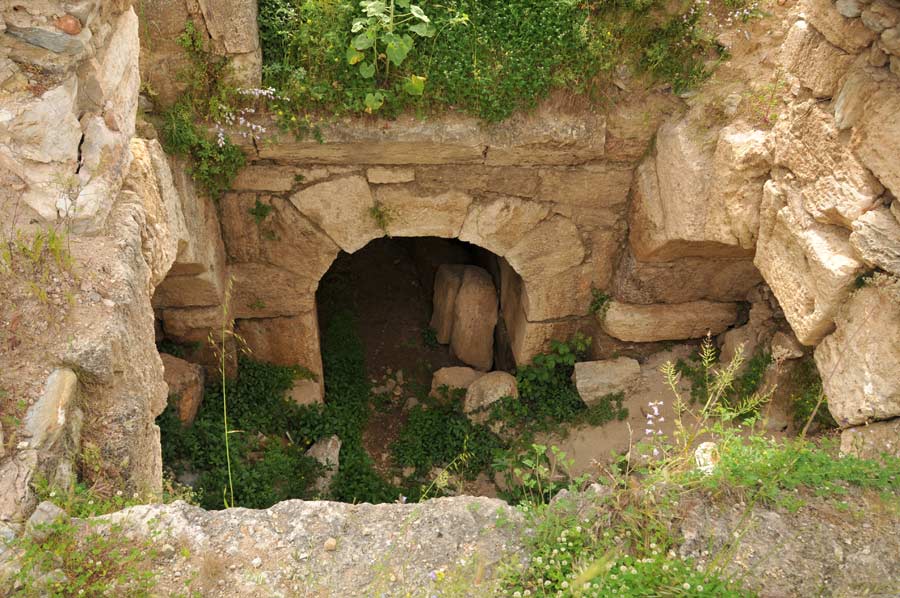
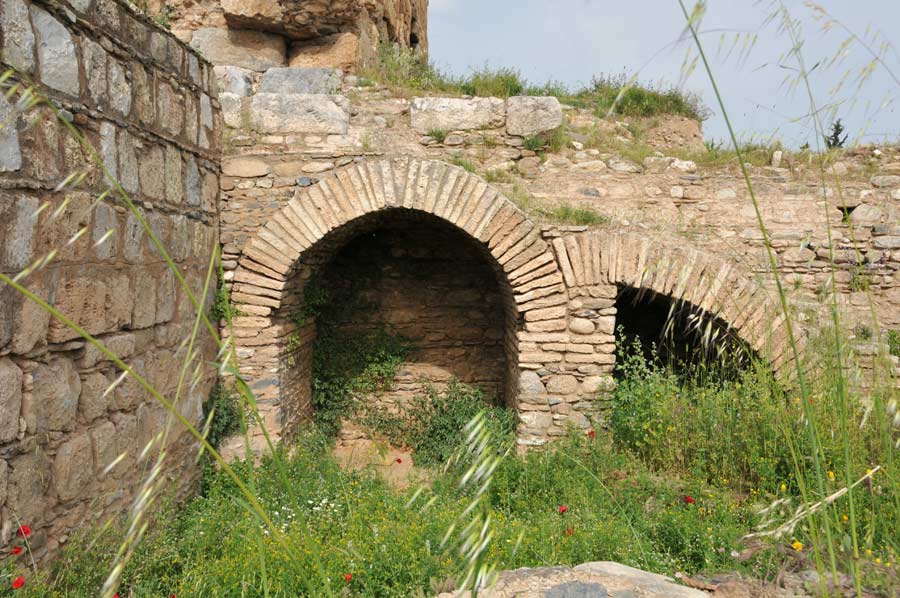
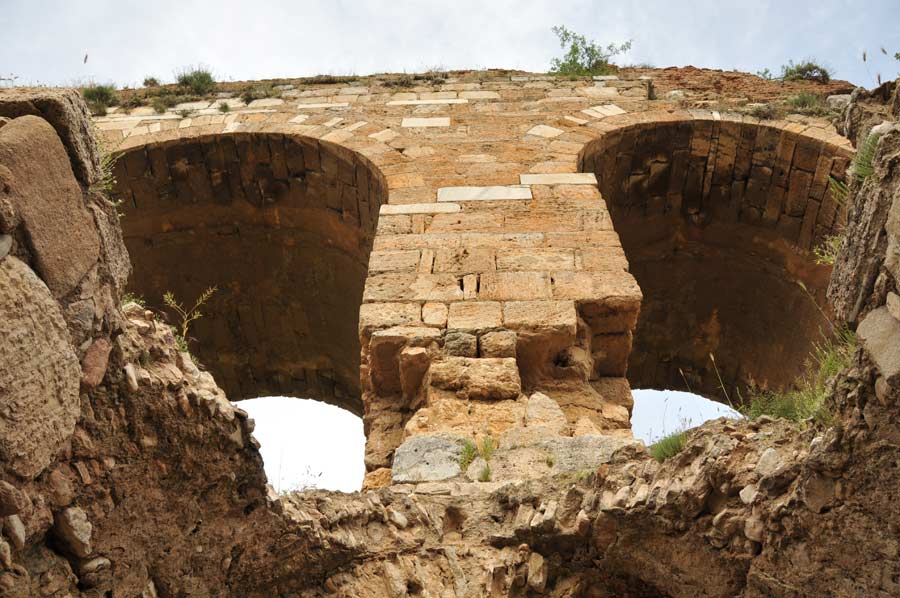
Like many coastal cities, Aydın boasts a rich cultural past. On the northern outskirts of Aydın, the ruins of the ancient city of Tralles can be visited. The local museum displays a wide range of historical and ancient artifacts from various periods. Numerous ruins in the surrounding area also attest to the city's eventful past.
According to Strabo, Tralles was founded by Thracians, but the city fell to the Achaemenid Empire after the Greek cities' unsuccessful rebellion. Sparta attempted to conquer the city without success, but in 334 BC it submitted to Alexander the Great. Alexander's general, Antigonus I Monophthalmus, held the city from 313 to 301 BC.
Aydin Museum - based on surrounding History
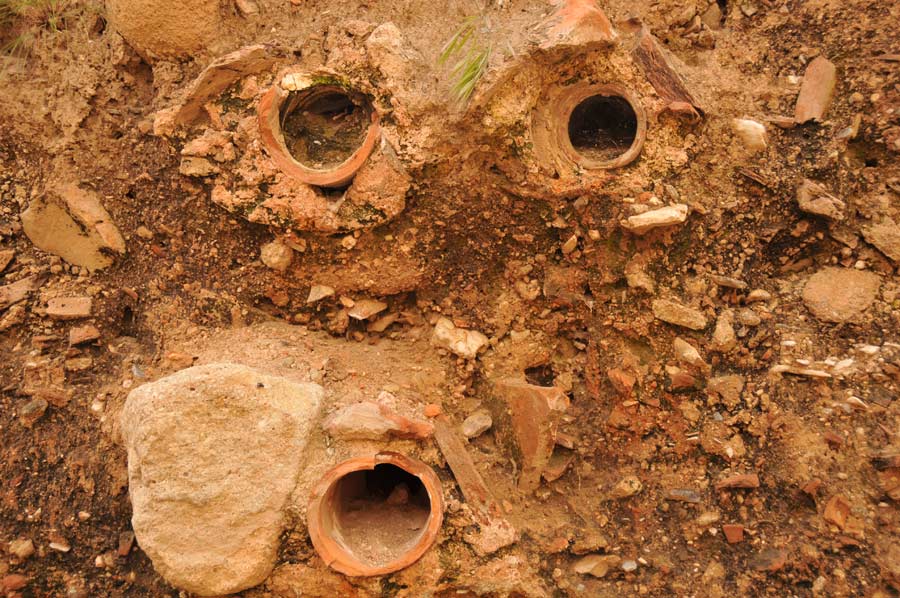
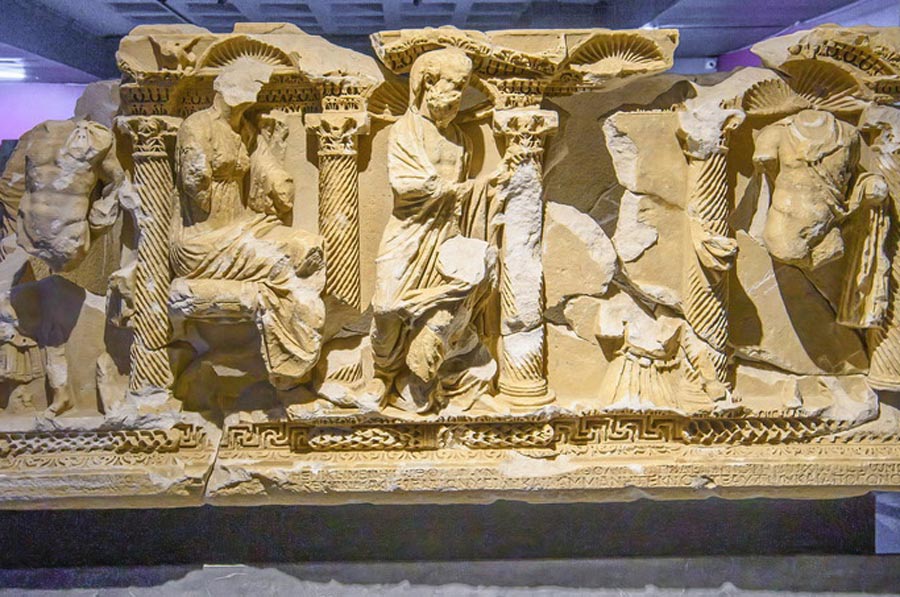 Until 190 AD, it was under Seleucid rule, after which it passed to Pergamon. From 133 to 129 BC, it supported Aristonicus against Rome. In 129 BC, the city, along with all of western Asia Minor, finally fell to Rome. Tralles was severely damaged by an earthquake in 27 BC. Augustus supported the city's reconstruction, whereupon the local notables renamed it Caesarea, a name it bore for some time. In antiquity, the city was primarily known for its pottery.
The letters of Ignatius attest to a Christian community in the 1st century. By 105 AD at the latest, a church leader named Polybius was Bishop of Tralles (IgnTrall 3.3), and the region was finally Christianized during the 3rd and early 4th centuries. An inscription even confirms the existence of a synagogue.
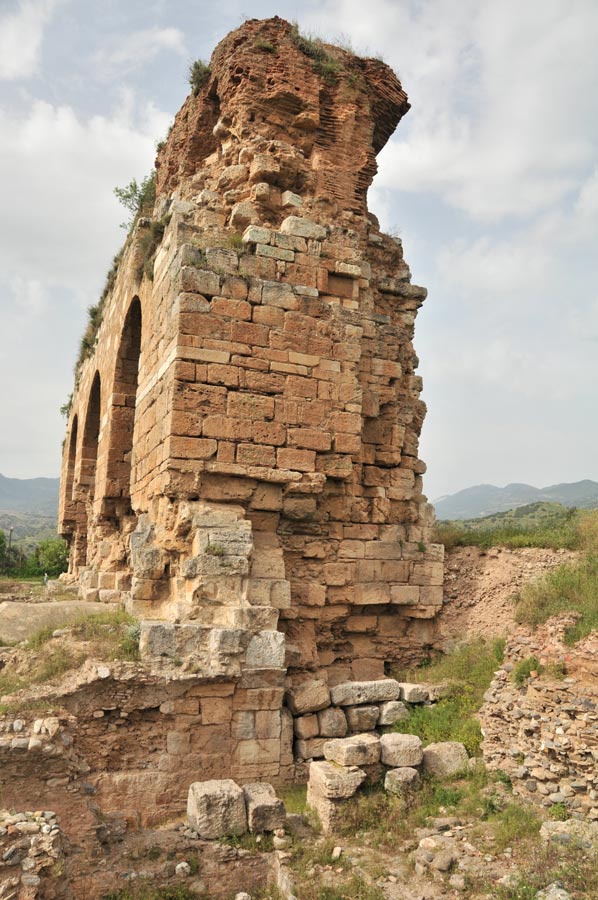 After the Battle of Manzikert, the Seljuks first conquered Tralles in 1071, but the Byzantines under Emperor Alexios I Komnenos managed to recapture it. However, the decline was unstoppable when, after 1265, Byzantium lost vast territories in its eastern border region, particularly the upper reaches of the Maiandros River and thus the economically vital part of the fertile valley. In 1278, Emperor Andronikos II Palaiologos had the city rebuilt, and it was to be named Andronikopolis or Palaiologopolis. The megas domestikos Michael Tarchaneiotes is said to have settled 36,000 inhabitants from the surrounding areas there.
But as early as 1284, the Beylik of Mentesche succeeded in conquering the city. Over 20,000 inhabitants were sold into slavery. The Turks renamed the city Güzelhisar ('beautiful castle'). The Beylik of Aydin, established in 1308, controlled western Turkey as far as Izmir. It is often referred to as an emirate.
These "emirs" were succeeded by the Ottomans. In a large-scale campaign in 1390, they subjugated the emirates on the west coast of Asia Minor. However, they were defeated by Timur at the Battle of Ankara in 1402. The victor marched to Ephesus in the autumn and destroyed Smyrna in December. His massive army then returned to Ephesus, from where it plundered the surrounding territories. It did not leave the area until the spring of 1403. After a ten-year civil war, the Ottoman Empire stabilized. In 1425, the Ottomans finally conquered the remnants of the emirate and the city of Aydin.
The Town as part of the Ottoman Empire
 Aydin became part of the Ottoman Empire, but was gradually overshadowed by Izmir. In 1827, it became the capital of its own ayalet. Unrest arose, such as during the reign of Atçalı Kel Mehmet (1829–1830), leading to the relocation of the ayalet's headquarters to Izmir. In 1864, Aydın became a sanjak, a type of sub-province, with Izmir remaining the provincial capital. In 1912, the sanjak of Aydın had a population of approximately 220,000, of whom 40,000–55,000 were Greeks. The first railway line was begun in 1856 by the British Levant Company, connecting Aydın and Smyrna (present-day Izmir).
During the Battle of Aydın, between June 27 and July 4, 1919, the 3,500 members (in 1917) of the Jewish community were spared. Turkish resistance groups were holed up in the mountains. It wasn't until September 7, 1922, that the Turkish army recaptured the heavily damaged city. In 1923, the Greeks were forced to leave the country, similar to what happened to the Turks in Greece. Before their withdrawal, the Greek army set fire to the city. Of 8,000 houses, only three remained intact.
 Until the early 1920s, approximately 3,000 Jews lived in Aydın. They had to flee during the expulsion of the Greeks and were not allowed to return afterward. Their property was confiscated as "abandoned property."
Today, Aydın offers tourists several mineral springs with health benefits, is known for the distinctive taste of its figs, and boasts a unique folklore intertwined with dances and legends, the most famous of which is the "Zeybek." One of the performers in the Zeybek dance is Efe, the man of courage. The city now features architecturally interesting shopping centres and can point to a wealth of ancient sites in the surrounding area.
Please also read:
Tralles or Tralleis near the provincial capital Aydın
The Great Meander and its smaller sibling
-
 Aydin surrounding places and about history
Aydin surrounding places and about history
Aydin surrounding places and about history
-
Aydin surrounding places and about history
Aydin surrounding places and about history
-
Aydin surrounding places and about history
Aydin surrounding places and about history
-
Aydin surrounding places and about history
Aydin surrounding places and about history
-
Aydin surrounding places and about history
Aydin surrounding places and about history
-
Aydin surrounding places and about history
Aydin surrounding places and about history
-
Aydin surrounding places and about history
Aydin surrounding places and about history
-
Aydin surrounding places and about history
Aydin surrounding places and about history
-
Aydin surrounding places and about history
Aydin surrounding places and about history
-
Aydin surrounding places and about history
Aydin surrounding places and about history
-
Aydin surrounding places and about history
Aydin surrounding places and about history
-
Aydin surrounding places and about history
Aydin surrounding places and about history

https://www.alaturka.info/en/turkey-country/aegean/1558-aydin-great-meander-rive#sigProId827a325f20