


Silifke Seleucia - Ancient Ruins of the City on the Göksu Delta
- Written by Portal Editor
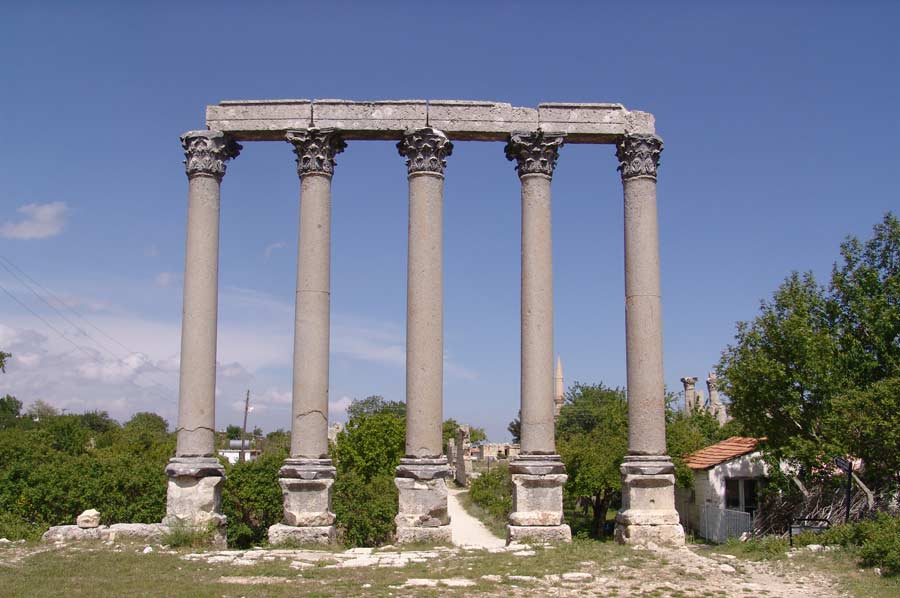
Silifke Seleucia lies (250 km south of Konya, 400 km east of Antalya, and 150 km west of Adana) at the foot of the Taurus Mountains and on the western edge of the Göksu estuary.
Silifke is one of the ten cities of the province of Içel, whose capital is Mersin. Through its port of Taşucu, Silifke Seleucia has good sea connections to Cyprus (60 km).
History, Silifke was also known as Seleucia.
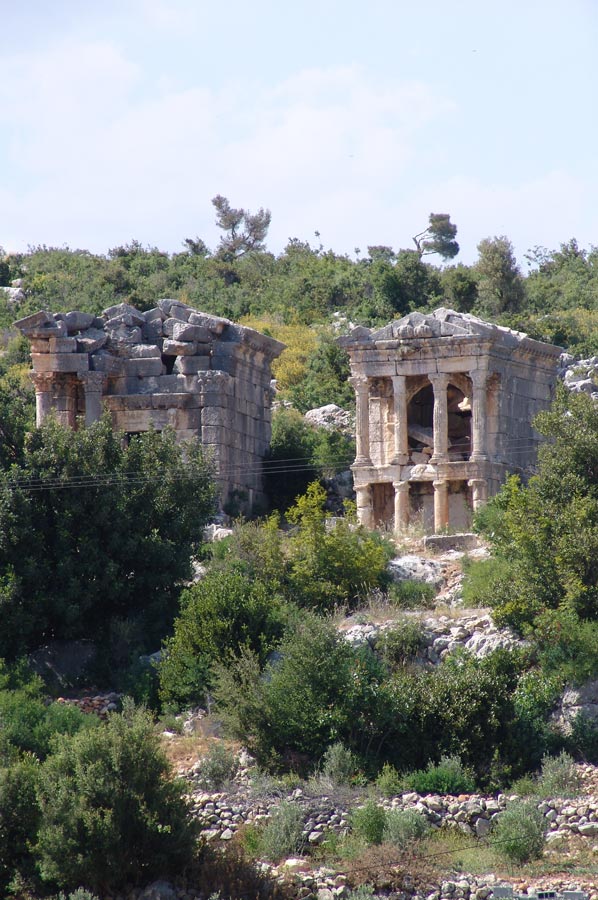 In antiquity, the city of Selifke Seleucia on the Kalykadnos (now Göksu) was called Seleucia. It was founded at the beginning of the 3rd century BC by Seleucus I Nicator and named after the ruler.
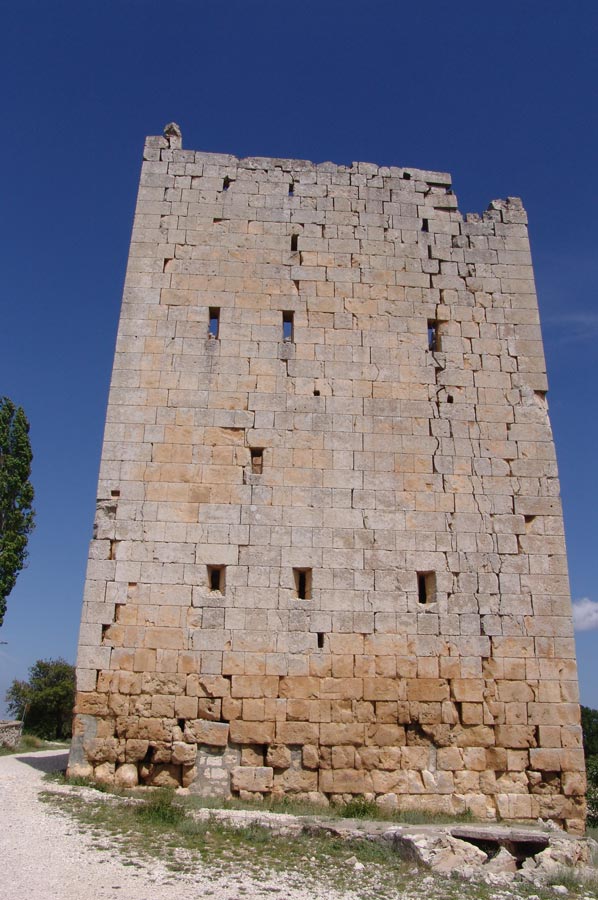
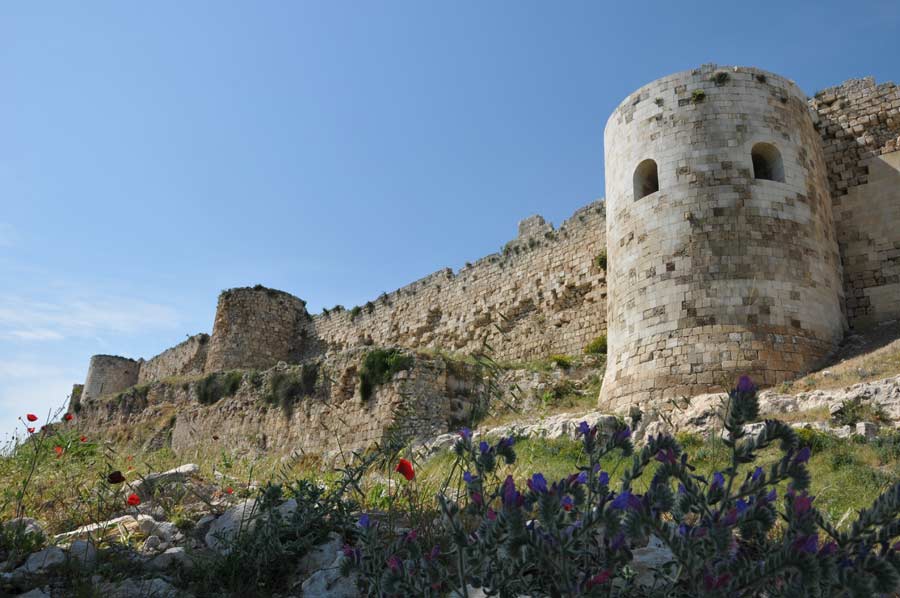
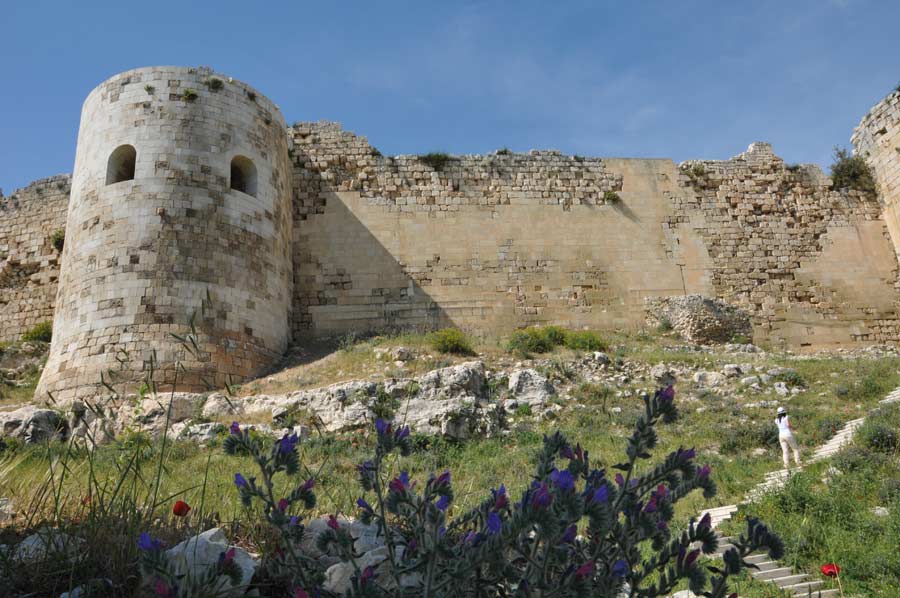
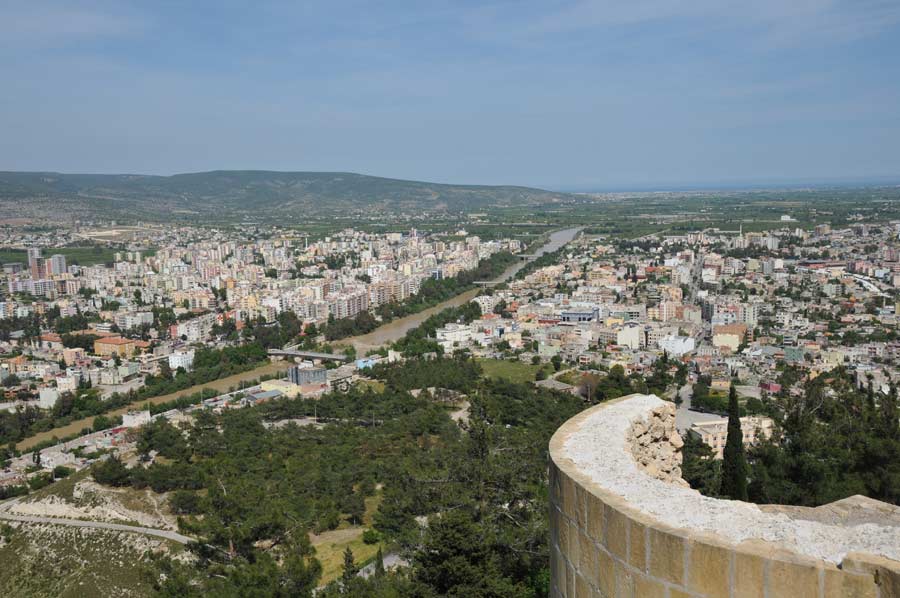
The ancient city stretched across the slopes of the hill with a mighty fortress. The prominent castle (kale) can be reached from the main road in the direction of Mut.
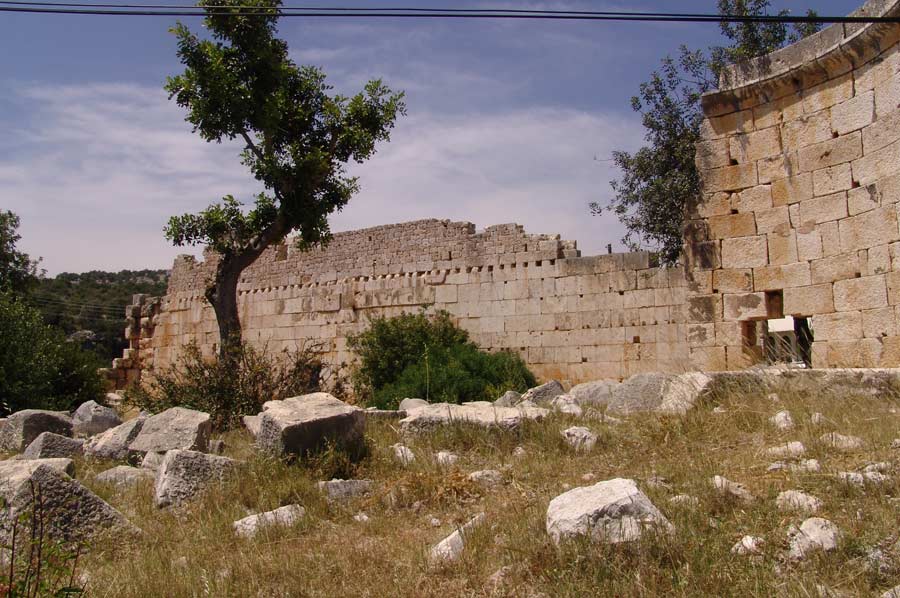
The polygonal, partly double, ring of walls is adapted to the oval cross-section of the hill and reinforced by 13 bastions.
Only ruins remain of the buildings within the ring of walls, but the view from Selifke Seleukia reveals the great strategic and commercial importance this fortress must always have held.
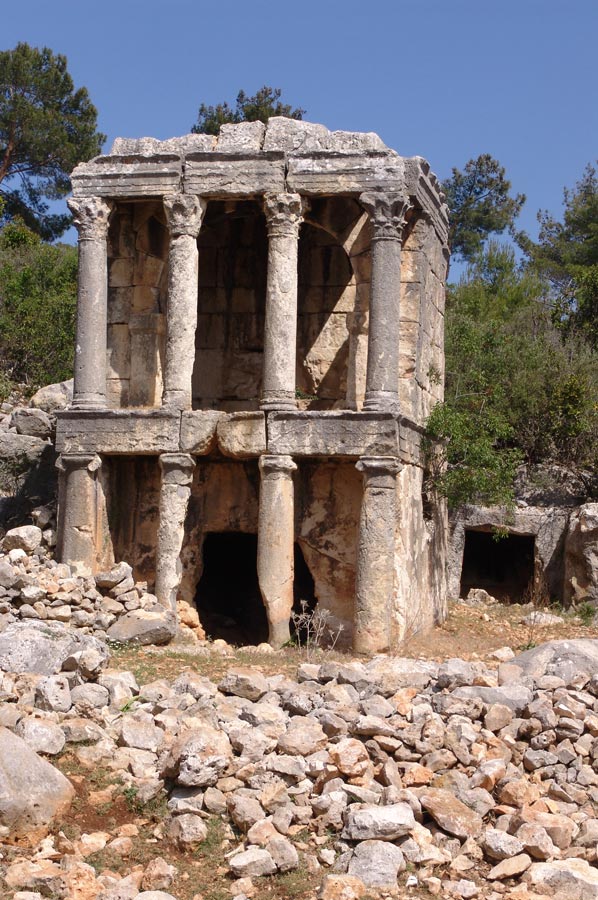 The inhabitants of Holmoi were once resettled here.
According to Stephanus of Byzantium, the ancient name of Seleukeia was Huria.
William Foxwell Albright equates Selifke with the Hittite Ura, a view later adopted by André Lemaire and Hélène Lozachmeur.
Under the Romans, Selifke Seleucia became the capital of Isauria. Under the name Seleucia in Isauria, it remains a titular archbishopric of the Roman Catholic Church.
A memorial stone in the direction of Mut, above the Göksu Gorge, commemorates the death of Emperor Frederick I Barbarossa in 1190 (signpost: "Frederik Antı").
Frederick I Barbarossa - A Memorial Stone Above the Göksu Gorge
 Barbarossa had prepared the crusade well through a treaty with the Seljuk prince Kilij Arslan, but when the army reached Seljuk territory, it was attacked: Kilij Arslan had recently ceded the empire to his sons, who did not consider themselves bound by the treaty.
On May 17/18, the crusaders conquered Konya; resupplied with provisions, the army crossed the Taurus Mountains, and the Christians rejoiced at the sight of the first crosses in the fields of Lesser Armenia.
Shortly before reaching Silifke Seleucia, the emperor and his horse drowned in the river; no one witnessed the incident. The emperor's death later led to the failure of the crusade.
On the road leading out of town to the port of Taşucu lies the Silifke Museum (open daily except Mondays, 8:30 a.m. to 12:00 p.m. and 2:00 p.m. to 4:00 p.m.). Here, part of the famous Gülnar coin hoard, discovered only in 1980, is on display.
 Experts believe it to be the war chest of Ptolemy III (246–221 BC). This priceless find is among the truly spectacular coin discoveries of recent times.
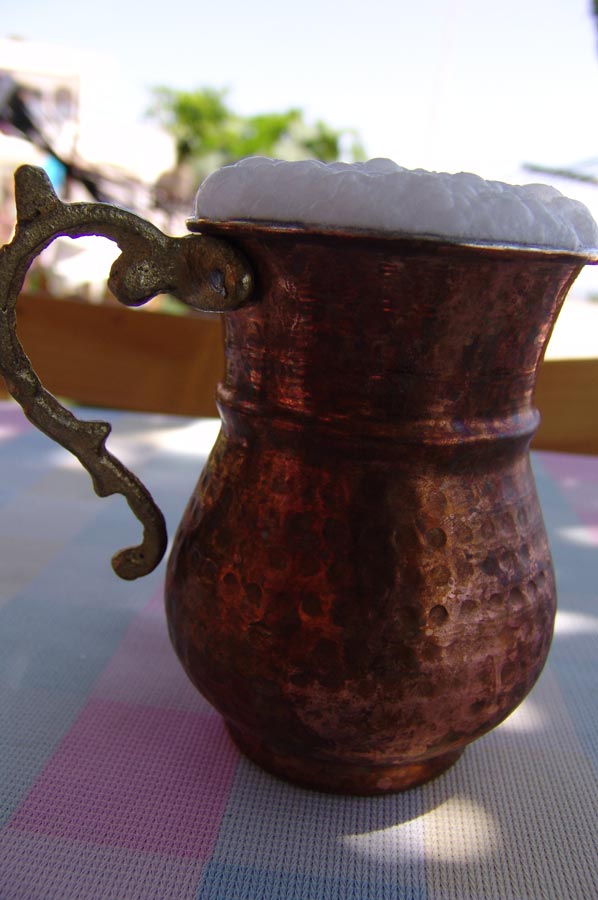
Nearby, there was a small, unnamed cave that local residents used for a small restaurant with just a few tables and chairs. The cave itself served as a storage space and for making delicious ayran, which was particularly tasty there.
Taşucu is an industrial port located southwest of the city of Selifke Seleucia. From here is the shortest ferry connection to Kyrenia/Girne in Northern Cyprus, and yachts can also find provisioning facilities in the harbour. The lagoon landscape south of Silifke is of interest to zoologists.
Please also read:
CS - The most important trade fair for everyone who feels at home in the world
Friedensreich Hundertwasser - Architect and environmentalist
-
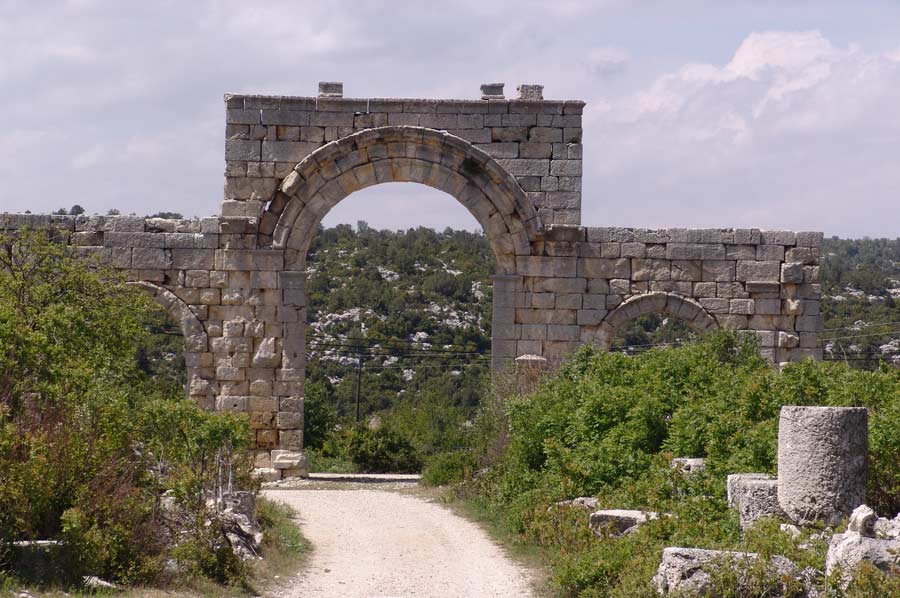
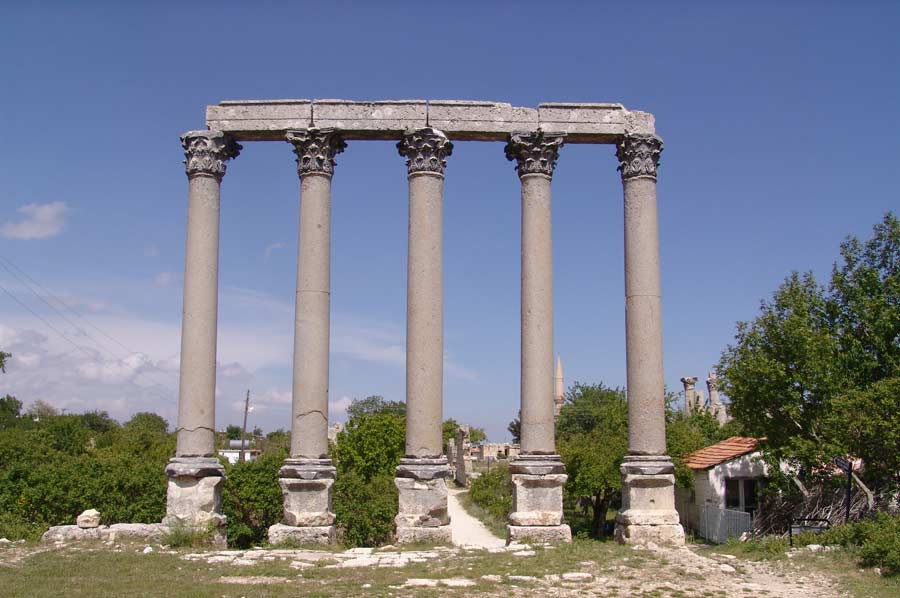
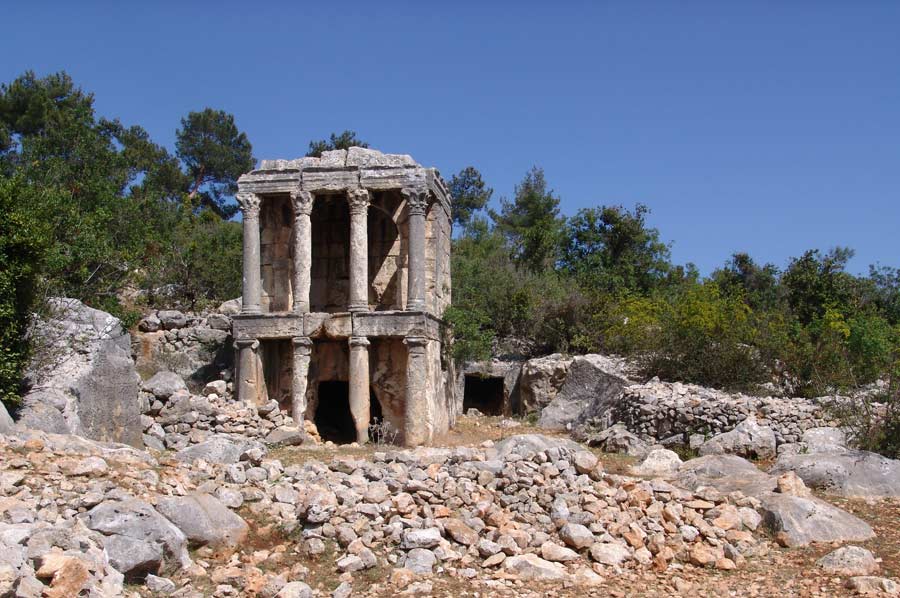
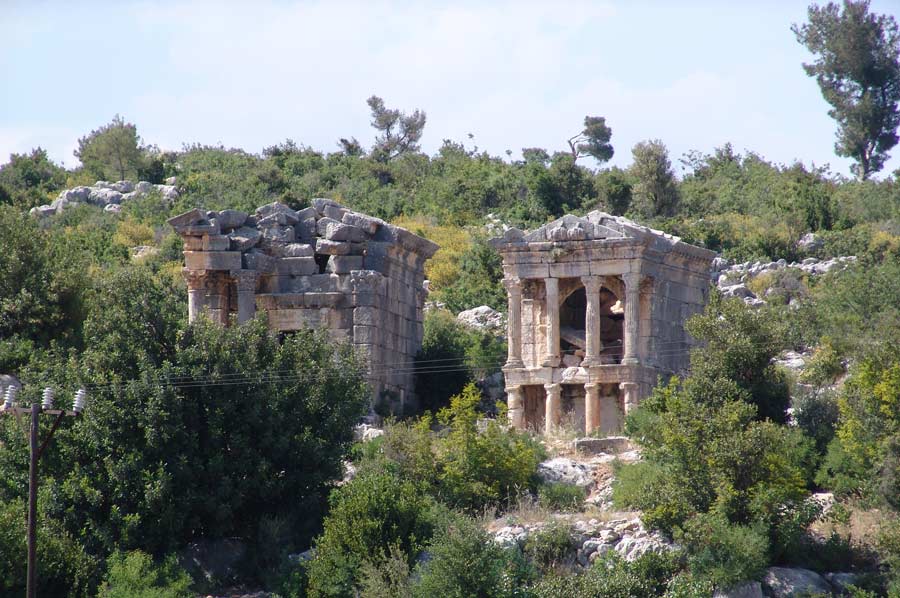
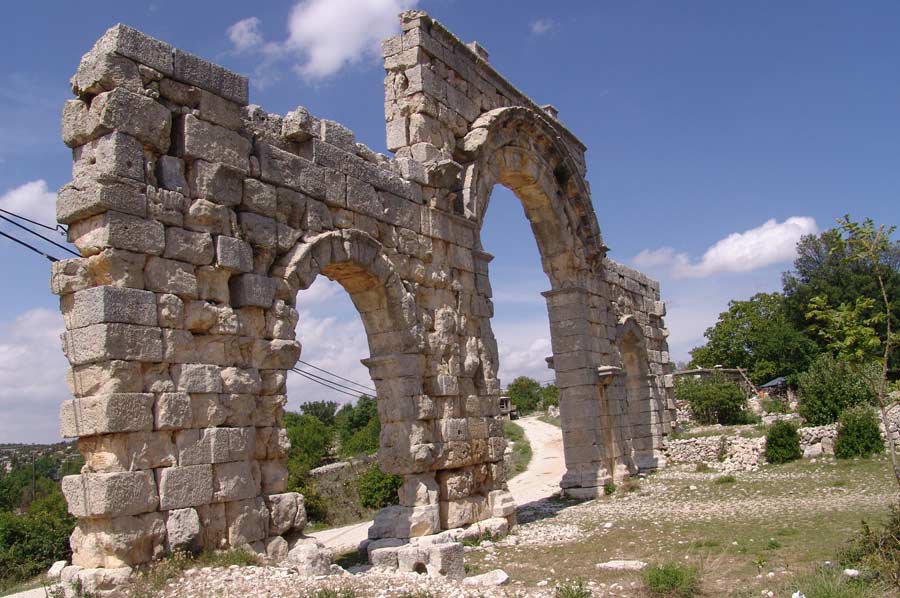
 Silifke Seleucia - views from ancient period
Silifke Seleucia - views from ancient period
Silifke Seleucia - views from ancient period
-
Silifke Seleucia - views from ancient period
Silifke Seleucia - views from ancient period
-
Silifke Seleucia - views from ancient period
Silifke Seleucia - views from ancient period
-
Silifke Seleucia - views from ancient period
Silifke Seleucia - views from ancient period
-
Silifke Seleucia - views from ancient period
Silifke Seleucia - views from ancient period
-
Silifke Seleucia - views from ancient period
Silifke Seleucia - views from ancient period
-
Silifke Seleucia - views from ancient period
Silifke Seleucia - views from ancient period
-
Silifke Seleucia - views from ancient period
Silifke Seleucia - views from ancient period
-
Silifke Seleucia - views from ancient period
Silifke Seleucia - views from ancient period
-
Silifke Seleucia - views from ancient period
Silifke Seleucia - views from ancient period
-
Silifke Seleucia - views from ancient period
Silifke Seleucia - views from ancient period
-
Silifke Seleucia - views from ancient period
Silifke Seleucia - views from ancient period
https://www.alaturka.info/en/turkey-country/riviera/7045-silifke-seleucia-ancient-ruins-of-the-city#sigProId85f4001d5b