


Mut – Take-off Sites 2011: Dagpazari and Mavga Castle
- Written by Portal Editor
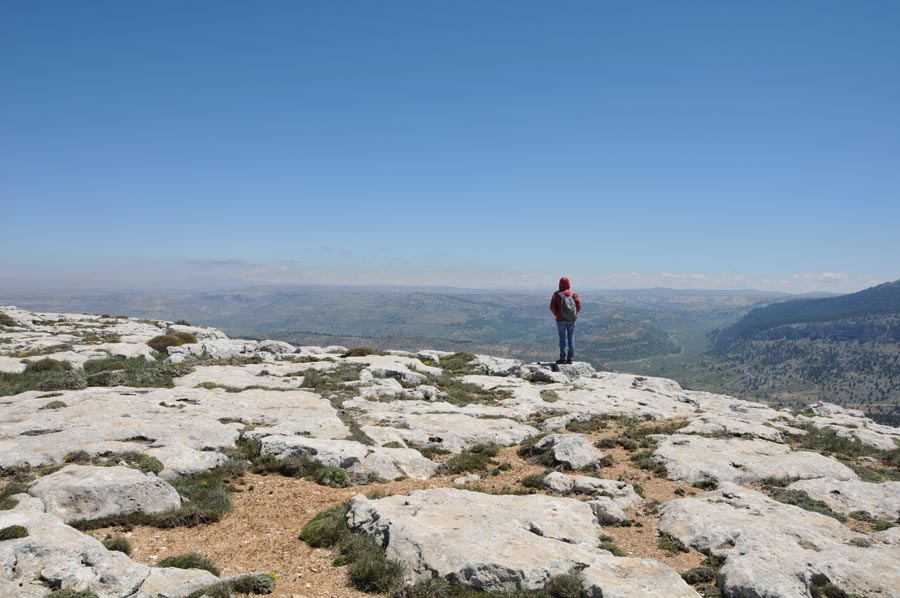
Mut – Together with Patrick Andre, we drive to Mut to inspect the newly established take-off sites for the competitions scheduled to begin shortly.
Due to heavy rain, doubts begin to creep in during the drive itself as to whether it will even be possible to reach the sites by road.
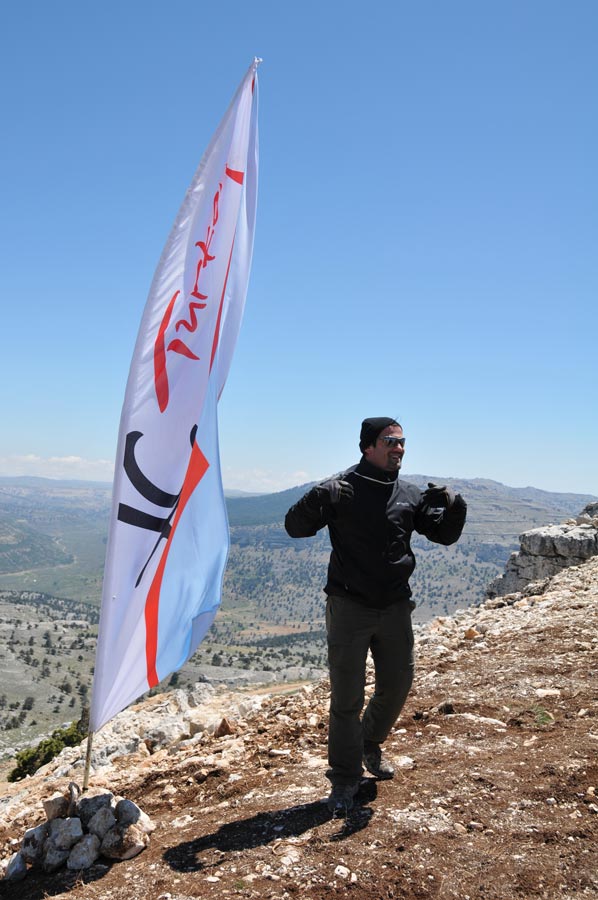 Early Saturday morning, we place a call to the *Kaymakam*—and sure enough: the access road to the South Take-off site is not yet passable; the North Take-off site isn't much better. We can only hope that today remains rain-free, thereby making access possible tomorrow. However, there are still plenty of other things to organize in the meantime.
In the afternoon, we quite spontaneously hop into the car and decide to make a quick detour into the mountains. During his last flight, Patrick had spotted a canyon containing a lake—nestled idyllically within a valley basin—that shimmered magnificently in the sunlight. Since we couldn't glean any further information from our maps, we decisively approached the local *Muhtar* (village headman). However, even with his input, we didn't really get any closer to finding it.
Mut – We then continued on to the village of Dagpazari.
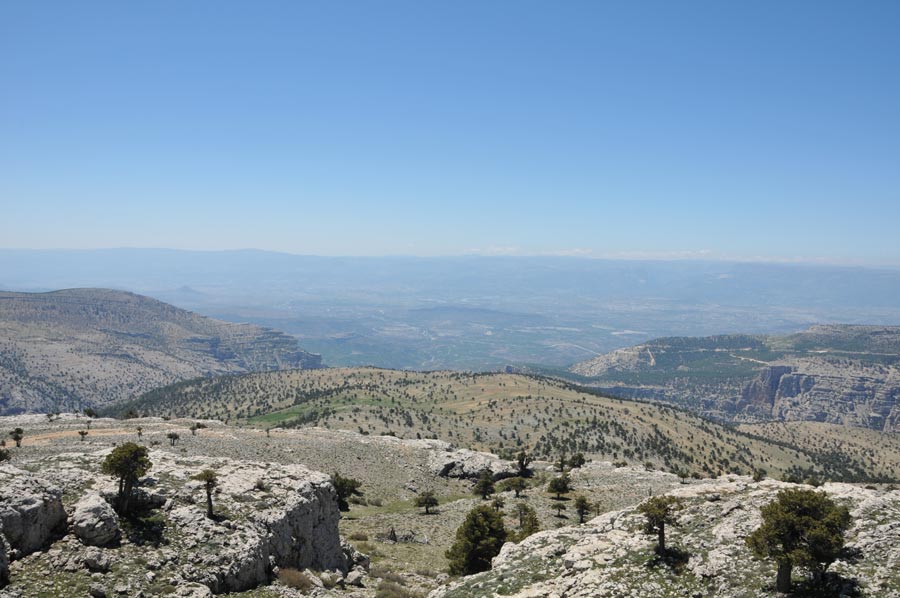
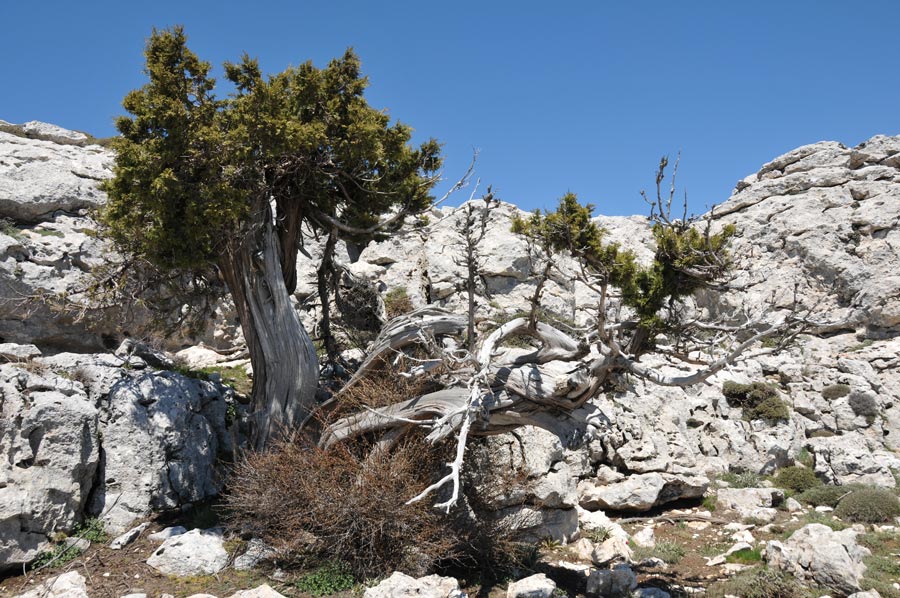
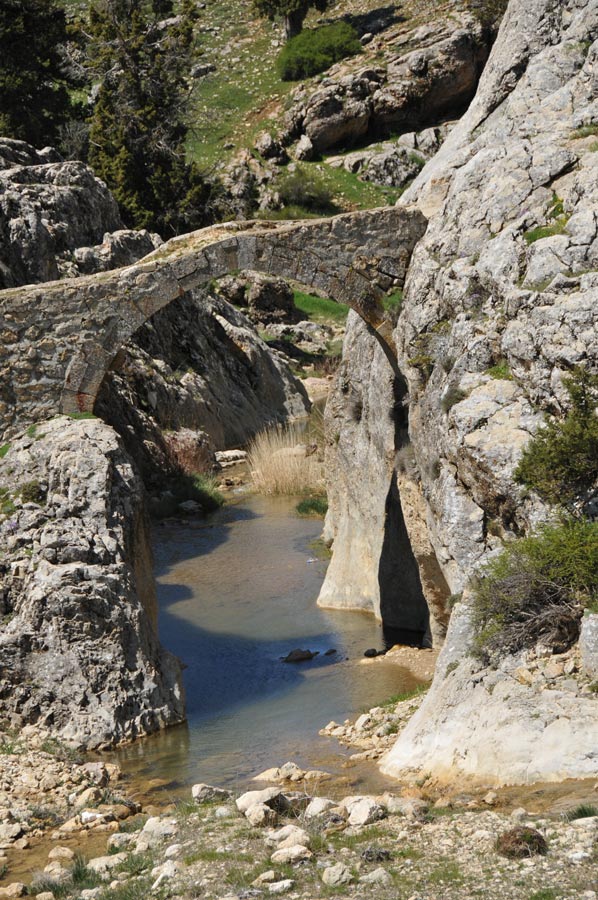 We left Mut heading toward Karaman and, after about 8 kilometres, turned right toward Dagpazari. We quickly gained elevation, as the road climbs steadily via a series of switchbacks. We drove alongside the aforementioned canyon, passing through a magnificent forest landscape featuring fascinating tree species—the unfamiliar Lebanon cedars, in particular, caught our attention. Despite making several stops and taking short excursions on foot to the canyon rim, we were unable to spot the lake. No matter—the mere view into the canyon was breathtakingly beautiful.
We then continued on to the village of Dagpazari to visit the ruins of a Roman-era church located there. Despite the presence of survey markers—still visible on the structure from a recent site assessment—the ruins were in a deplorable state, one that is likely beyond salvage. Indeed, during our brief stroll through the village, we discovered many of the stones and decorative elements repurposed within various farm buildings. To the local residents, this historically significant church building appeared to be viewed as nothing more than a cheap source of construction materials.
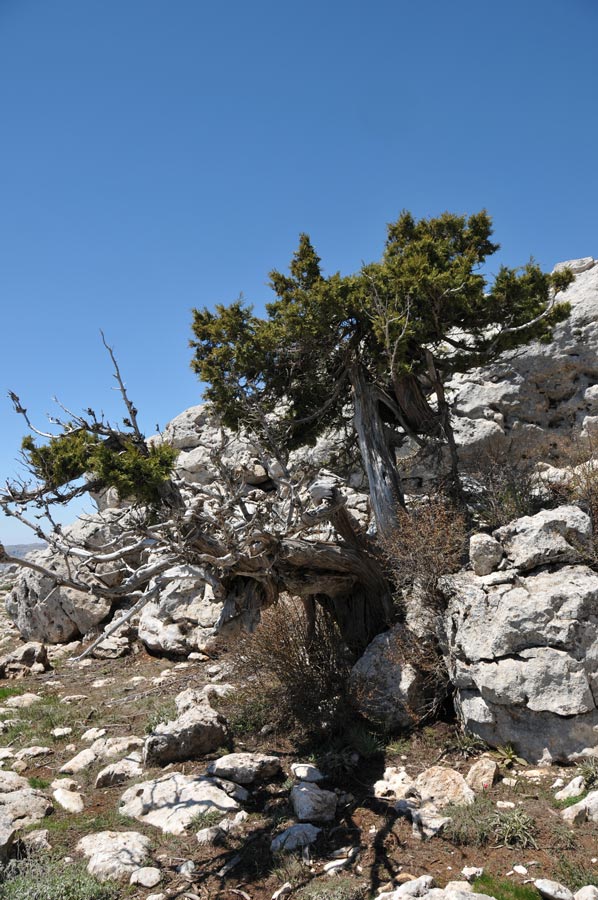 On our way back, we came across a forest track leading toward the canyon. We followed the path for several kilometres, but given the late hour, we ultimately decided to return to Mut—especially since three additional pilots (Didem Irmak, Hasip Özhan, and Gizem Eylül—see the report on these pilots in the *Sky Sport* section) were expected to arrive from Izmir for flight training purposes.
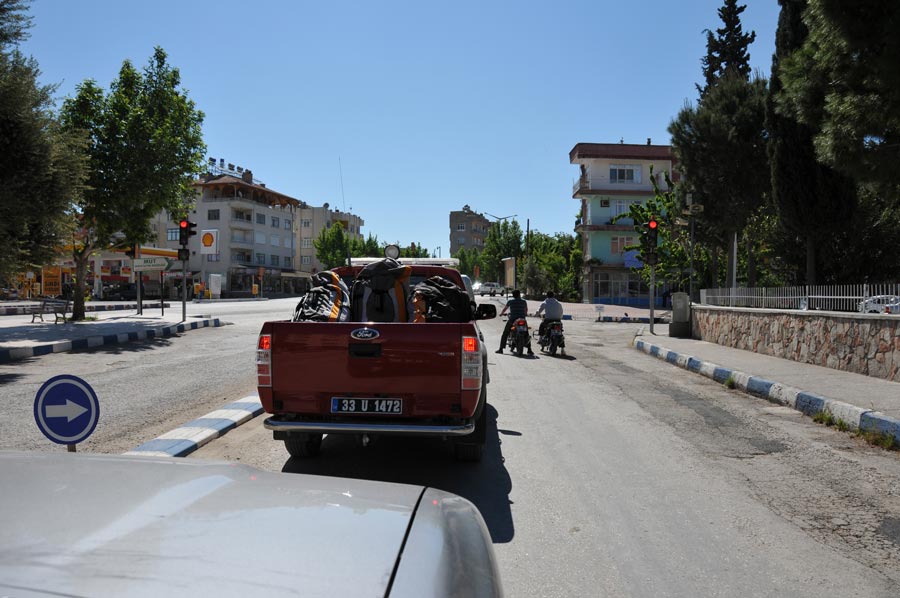
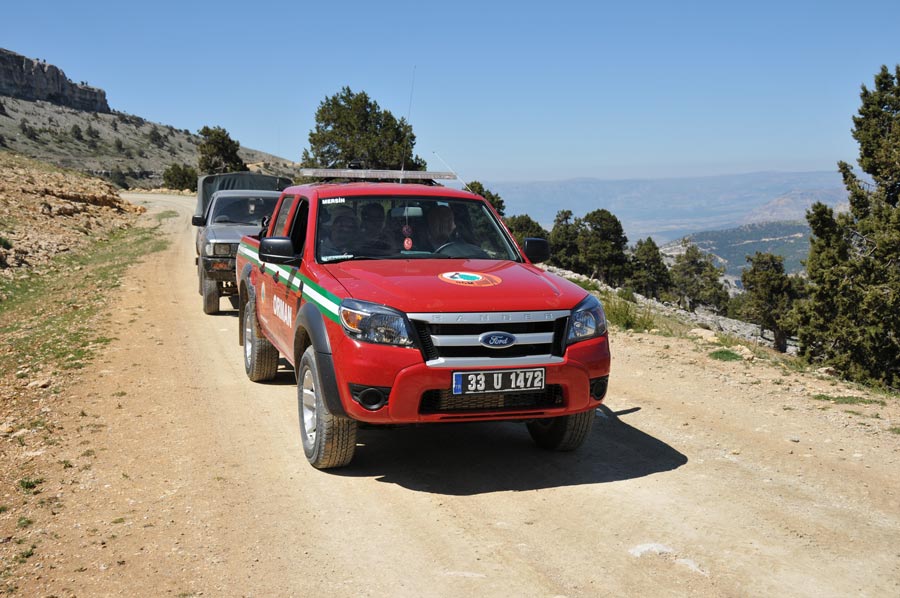
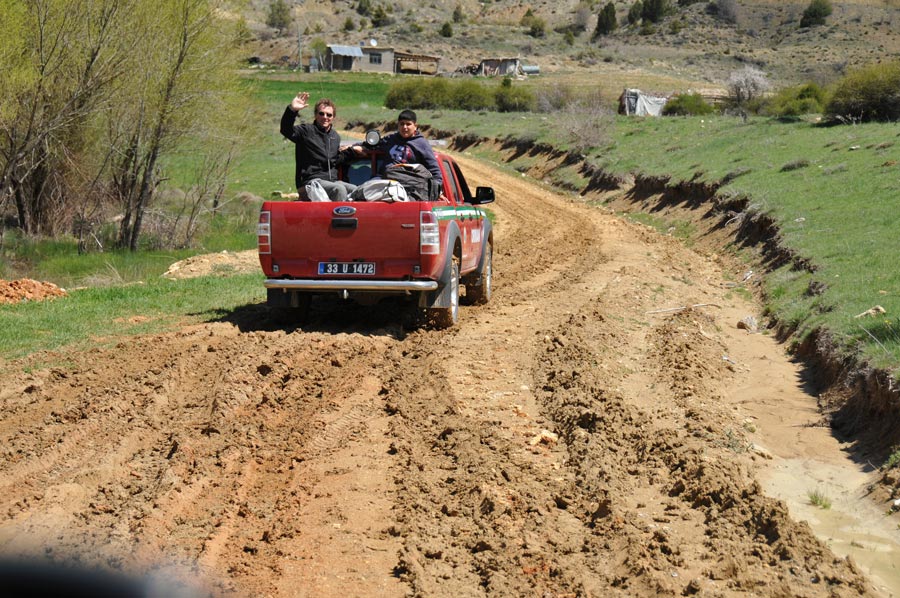
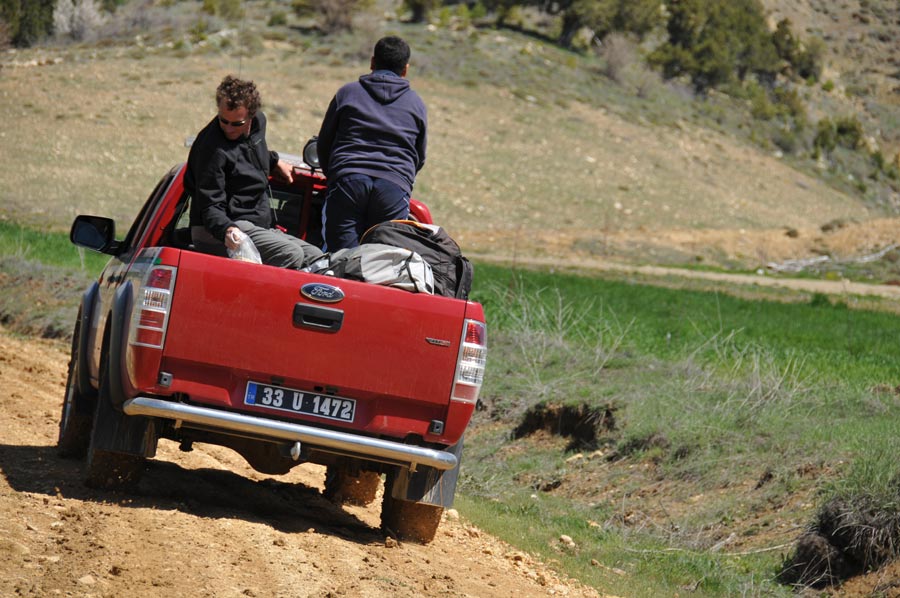
Early Sunday morning, the pickup trucks provided by the municipality and the forestry administration of Mut were at our disposal, so we set off first toward the "South Take-off" site. The drive alone was worth the trip, offering magnificent views of the Göksu Valley and the town of Mut. The route climbed steadily upward, reaching an elevation of 1,850 meters. It began on a paved road, transitioned to gravel, and finally ended on a heavily saturated sandy track. It was a good thing we had the pickup trucks.
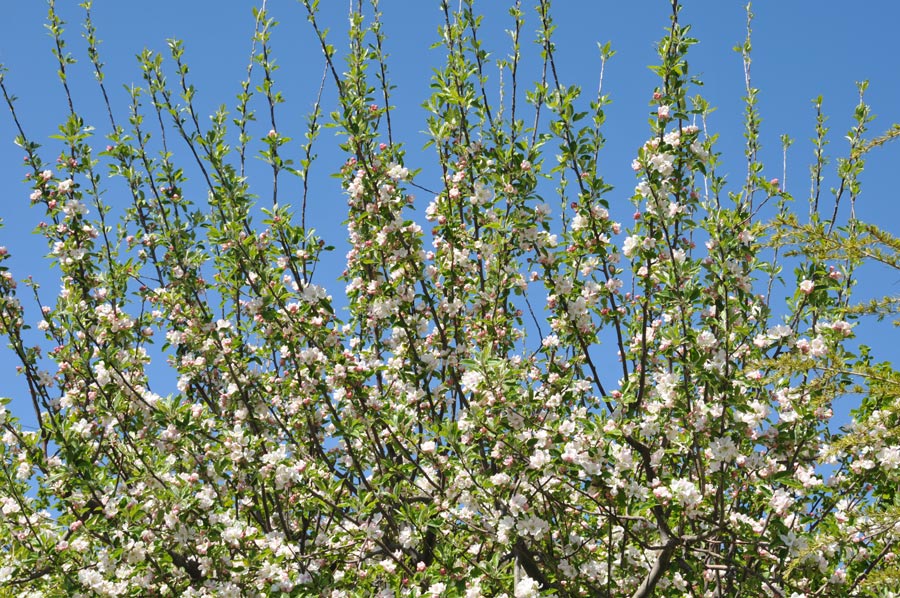
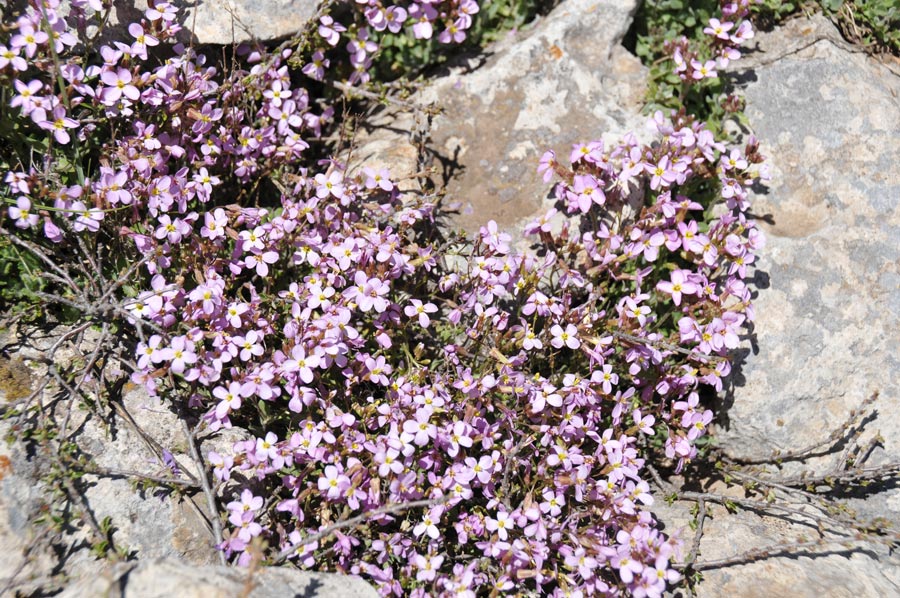
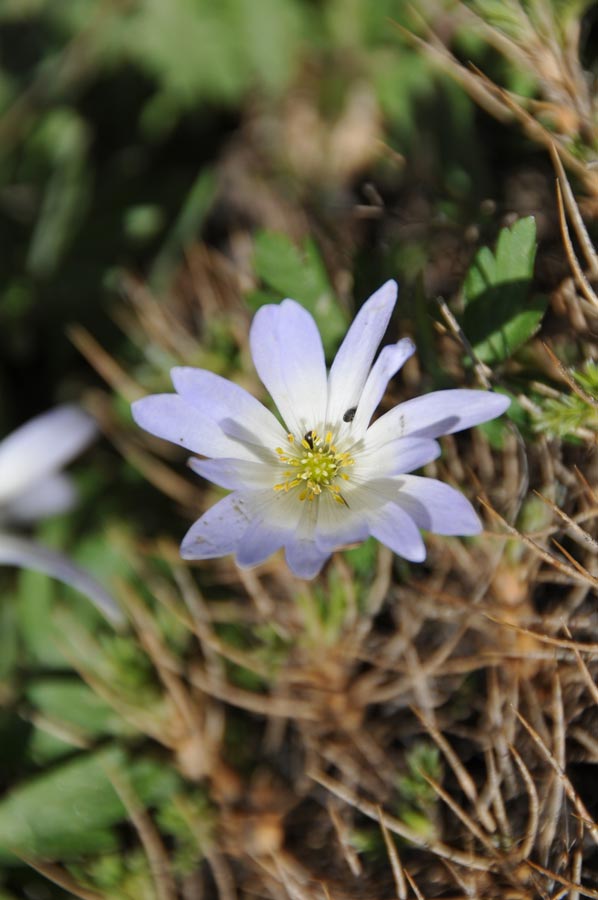 Up here on the high *yayla* (alpine pasture), the abundant fruit trees were just coming into bloom; it was a sheer delight to gaze out at the sea of blossoms stretching out on both sides of the track. After a somewhat arduous ascent, we reached the summit—only to be surprised by the strong, gusty winds we encountered there. Would a training flight even be possible under these conditions?
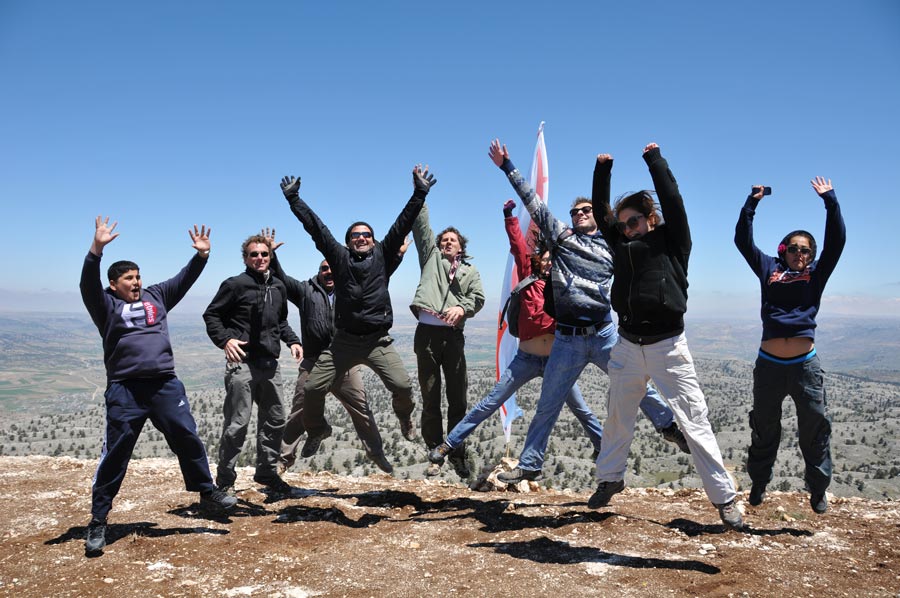
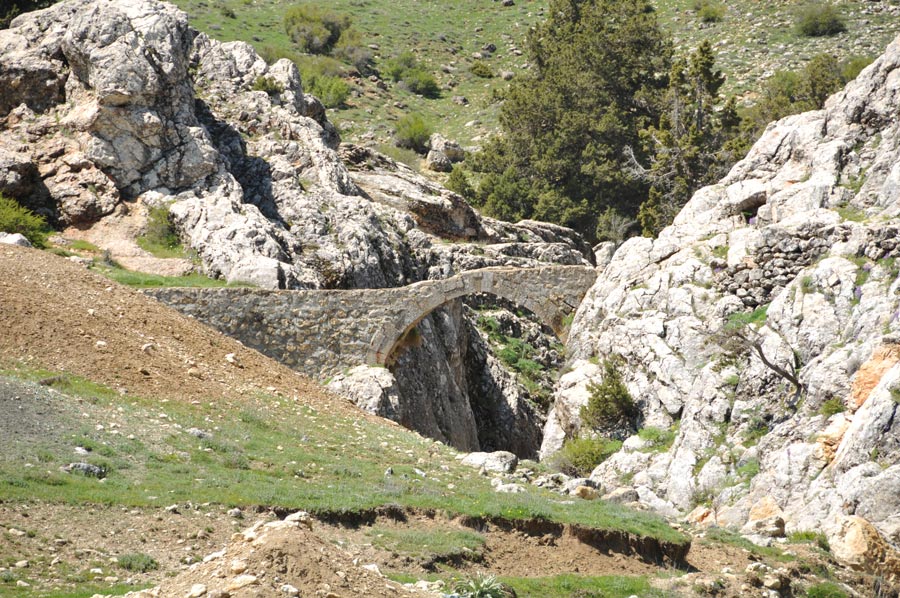
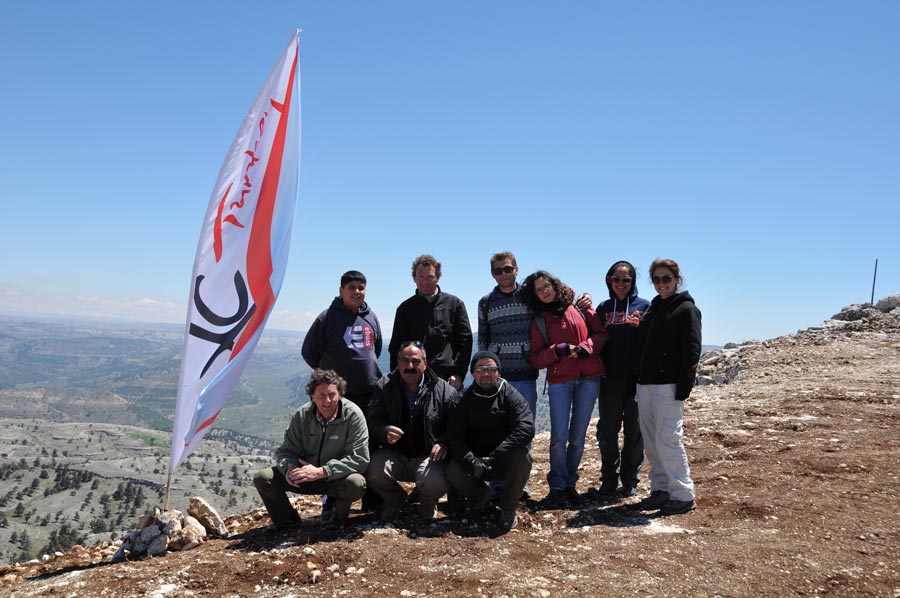
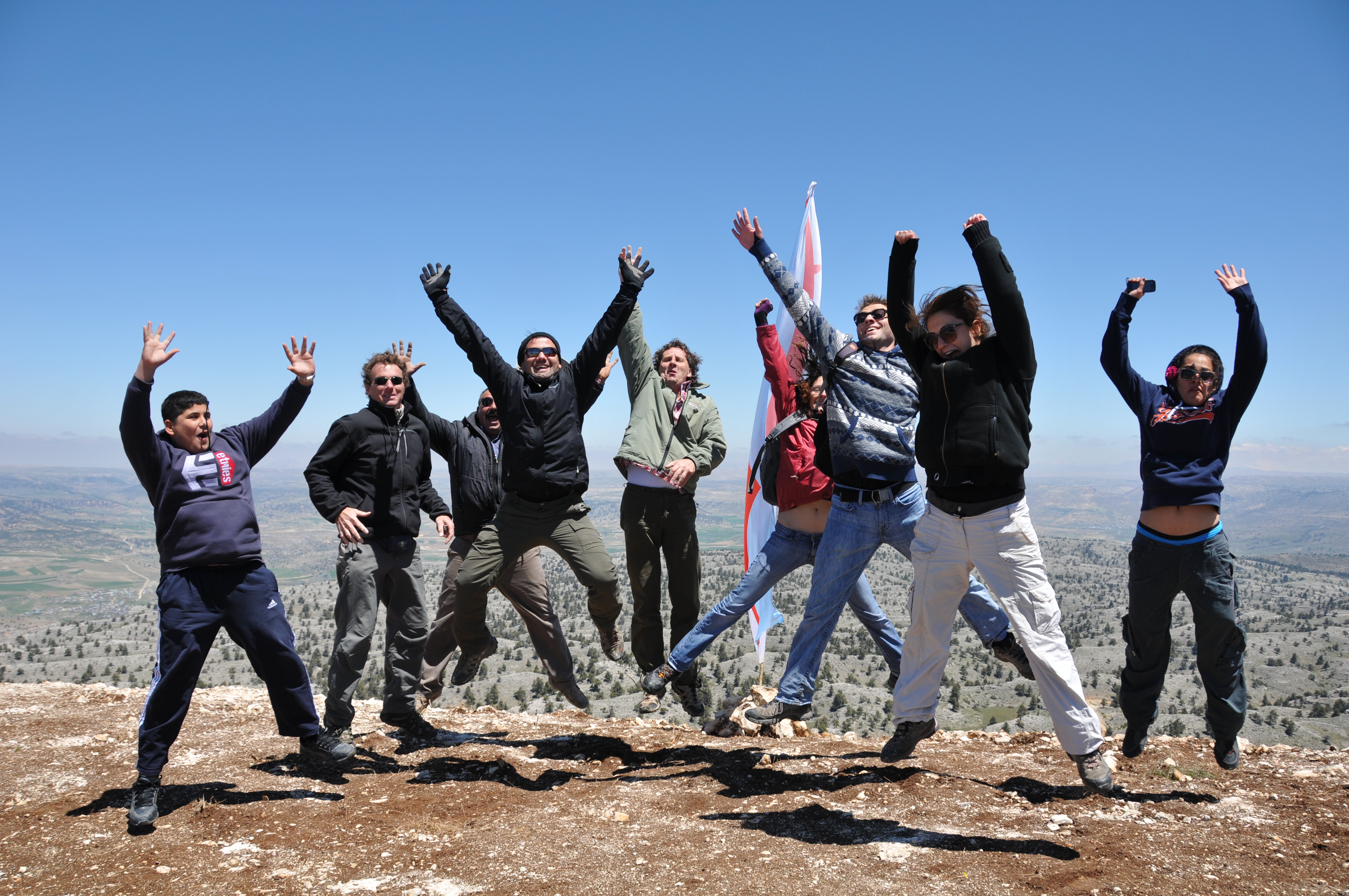
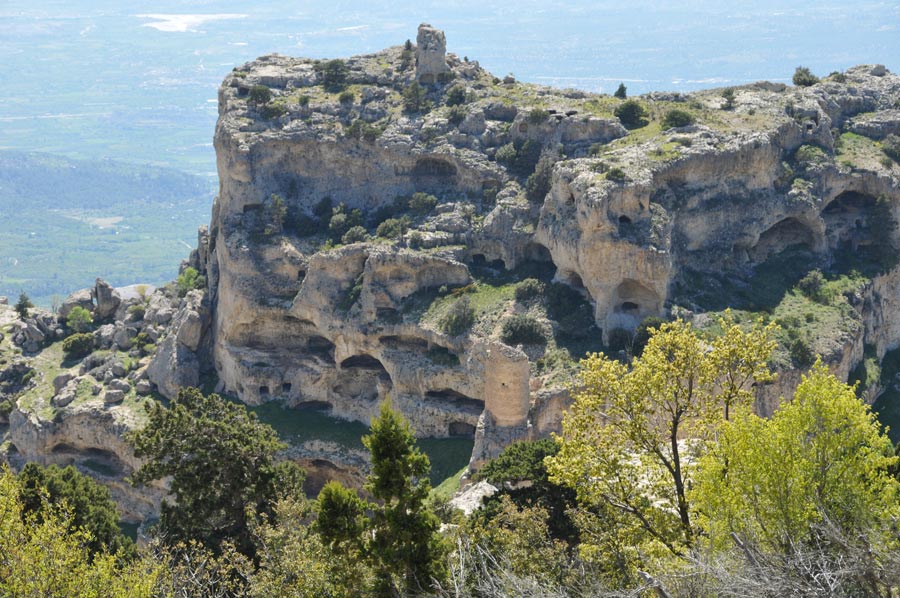
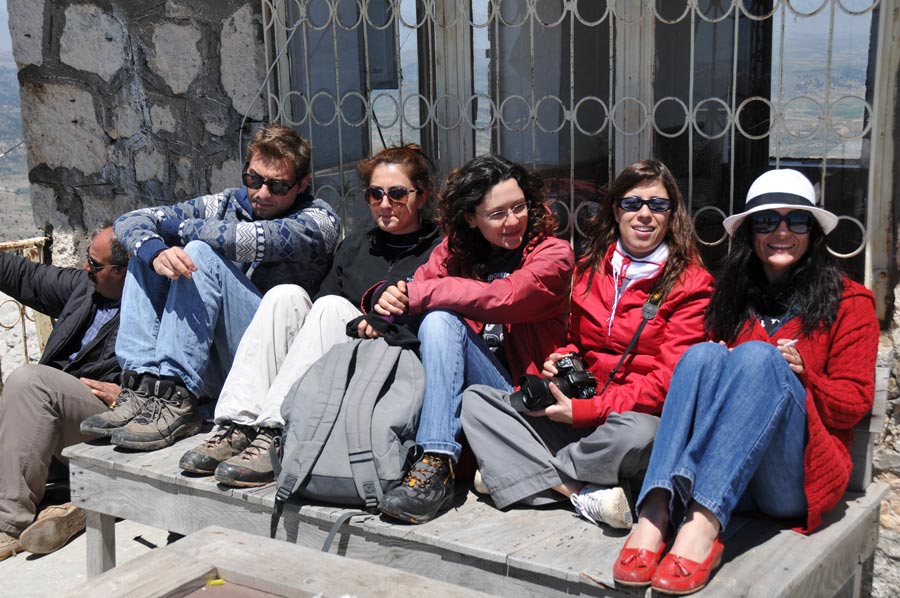
Thus began the "parawaiting"—a phenomenon pilots often refer to with a touch of self-deprecating irony—which is, unfortunately, an inherent part of the sport. And sure enough, the fierce, gusty winds made launching appear so hazardous that the pilots decided against it. Consequently, after waiting for some time, we decided to make a brief stop at the ruins of Mavga Castle on our way back down from the summit. Here begins another canyon in the Mut region—a place of indescribable beauty and wildness all at once.
 Over the millennia, intense erosion has sculpted a bizarre masterpiece of rock formations that is well worth a visit in its own right. Like a small, man-made annex, the watchtower of the ruined castle—substantial in size though it is—is barely discernible amidst this tangle of rock. One thing is certain: during our stay here for the competitions in Mut, we will make a trip back to this spot to explore it in depth.
We then drive briefly to the South Launch Site; however, just as we suspected, the wind there is also too gusty—and, to boot, blowing from the wrong direction—making any attempt to launch from there out of the question. It was not until the following day that the weather improved sufficiently to make flying possible.
Please also read:
Mut – The Apricot City: Always an Experience
Tarsus the Capital of ancient Cilicia
-
 Mut - Parawaiting experience excursion
Mut - Parawaiting experience excursion
Mut - Parawaiting experience excursion
-
Mut - Parawaiting experience excursion
Mut - Parawaiting experience excursion
-
Mut - Parawaiting experience excursion
Mut - Parawaiting experience excursion
-
Mut - Parawaiting experience excursion
Mut - Parawaiting experience excursion
-
Mut - Parawaiting experience excursion
Mut - Parawaiting experience excursion
-
Mut - Parawaiting experience excursion
Mut - Parawaiting experience excursion
-
Mut - Parawaiting experience excursion
Mut - Parawaiting experience excursion
-
Mut - Parawaiting experience excursion
Mut - Parawaiting experience excursion
-
Mut - Parawaiting experience excursion
Mut - Parawaiting experience excursion
-
Mut - Parawaiting experience excursion
Mut - Parawaiting experience excursion
-
Mut - Parawaiting experience excursion
Mut - Parawaiting experience excursion
-
Mut - Parawaiting experience excursion
Mut - Parawaiting experience excursion
-
Mut - Parawaiting experience excursion
Mut - Parawaiting experience excursion
-
Mut - Parawaiting experience excursion
Mut - Parawaiting experience excursion
-
Mut - Parawaiting experience excursion
Mut - Parawaiting experience excursion
https://www.alaturka.info/en/turkey-country/riviera/7113-mut-take-off-sites-2011-dagpazari-and-mavga-castle#sigProId1de362b22d