Aspendos – The Roman Aqueduct near Manavgat
Aspendos - On Turkey’s southern coast, whenever the name Aspendos is mentioned, one immediately thinks of the magnificent theatre the best-preserved Roman-era theatre dating back to the 2nd century AD situated at the eastern edge of the Acropolis rock.
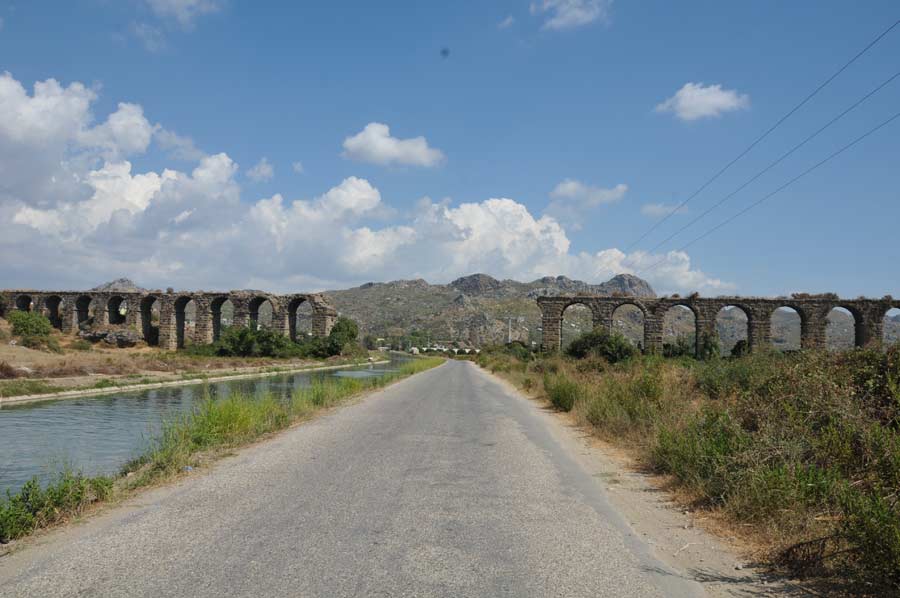
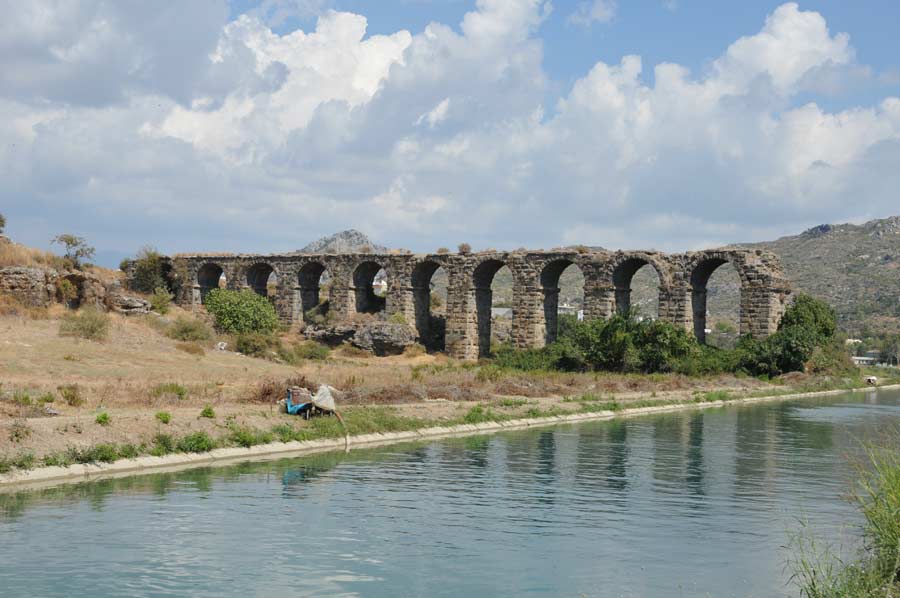
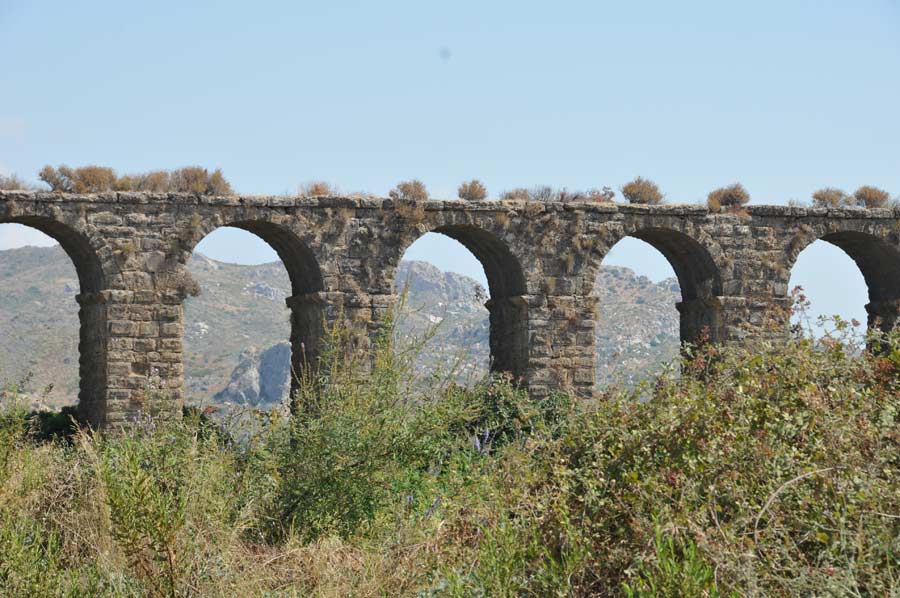
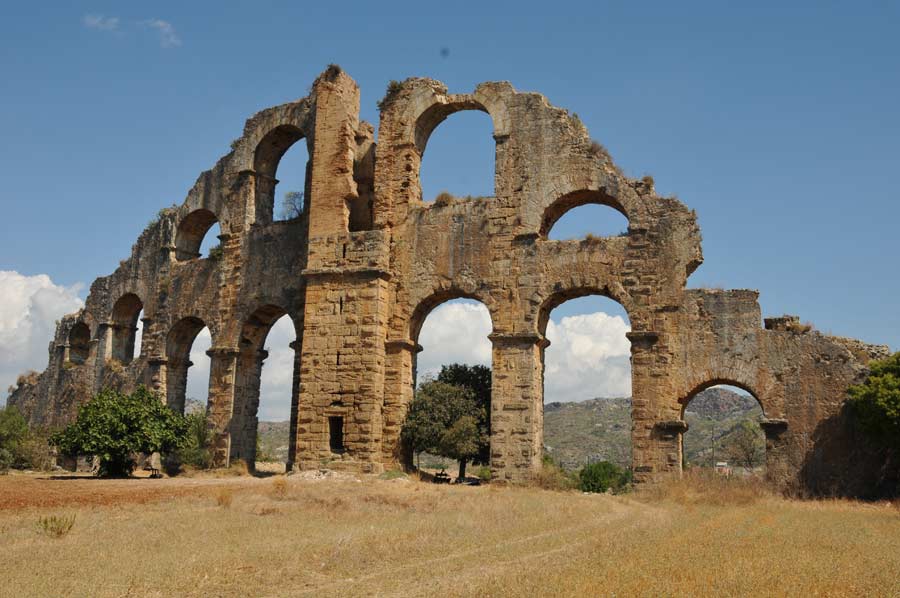
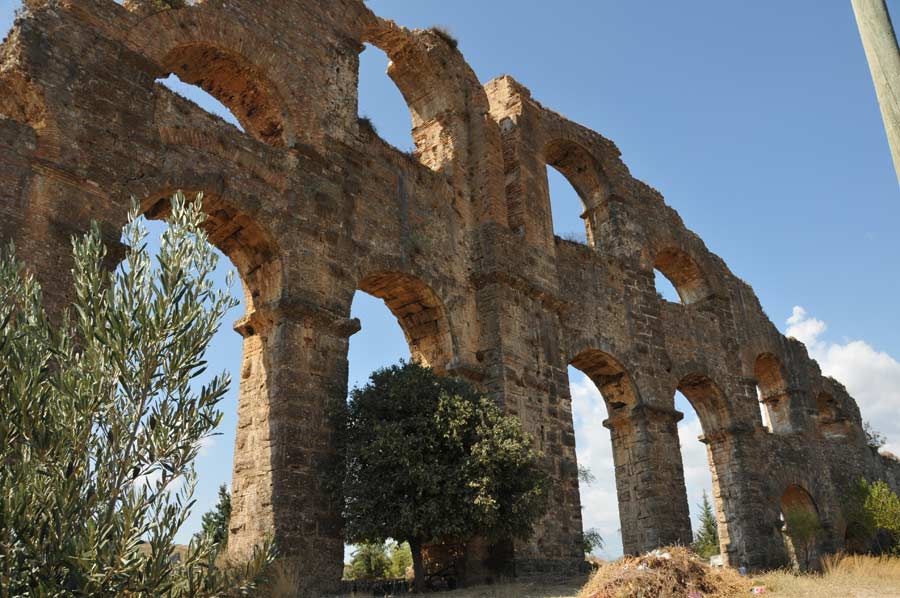
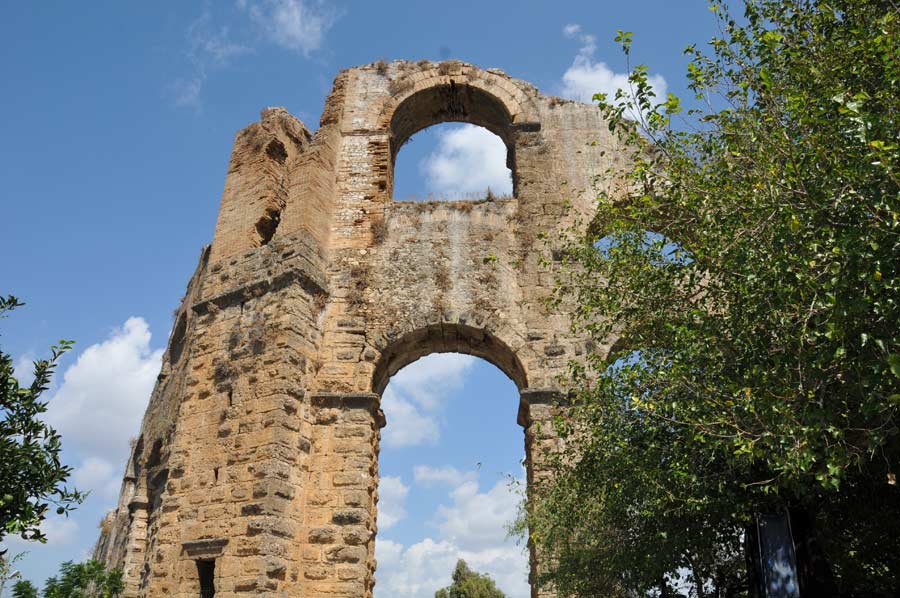
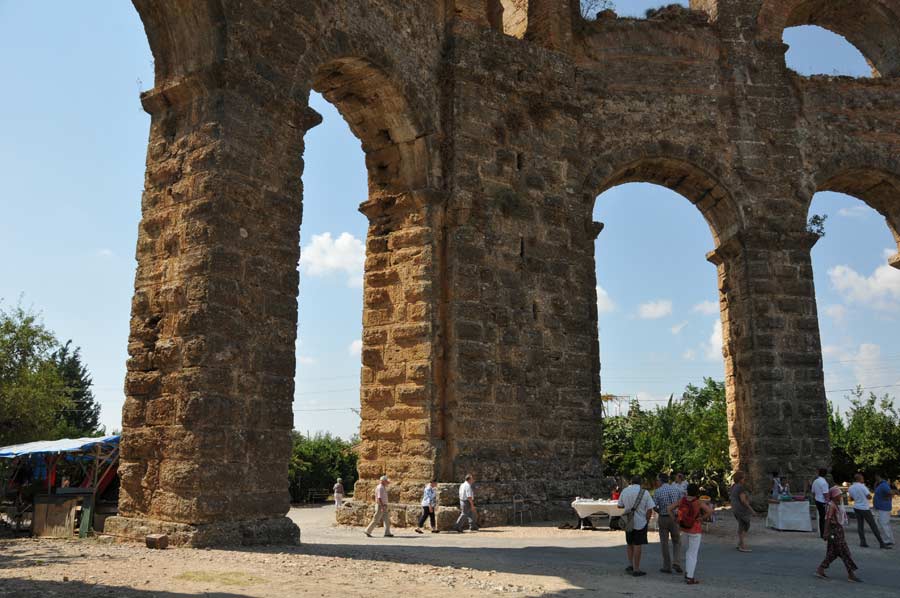
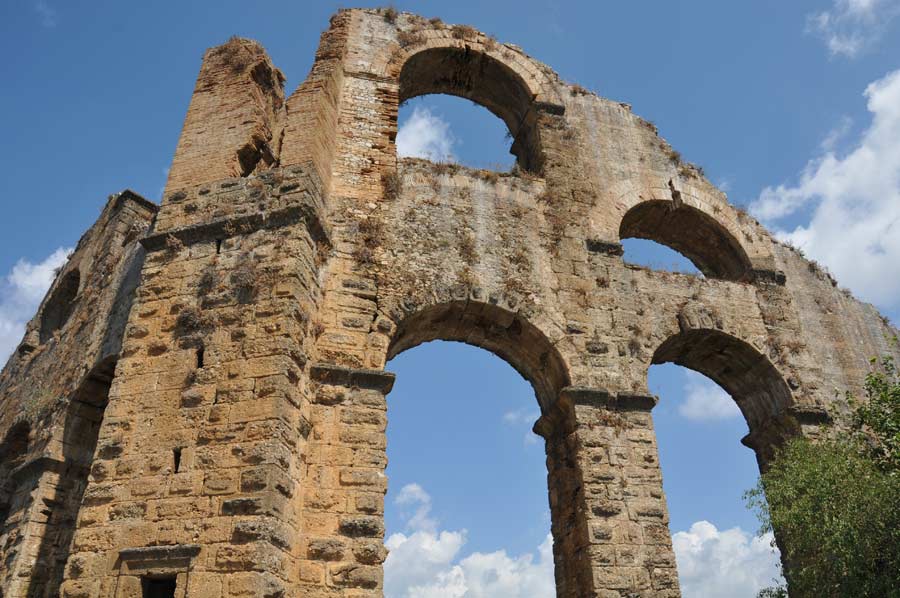
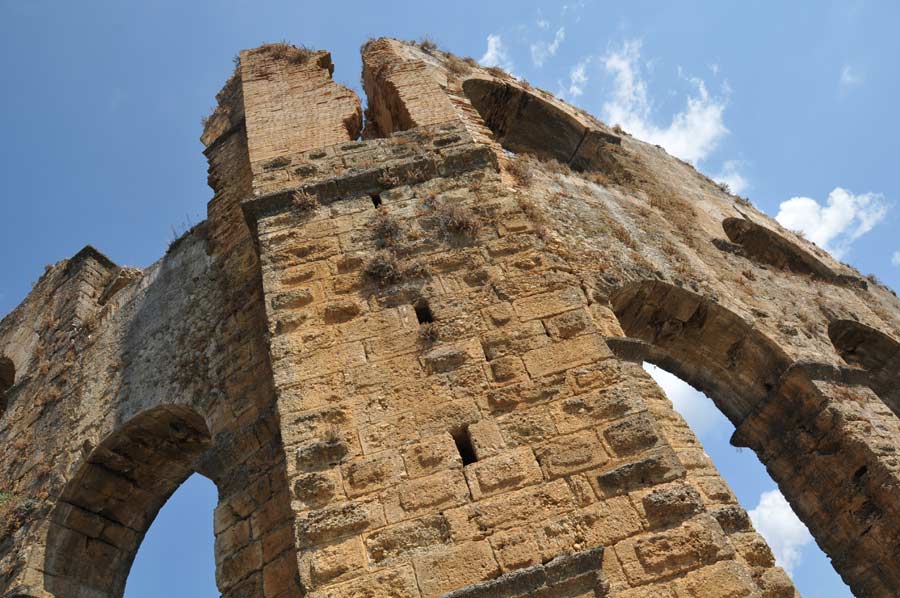
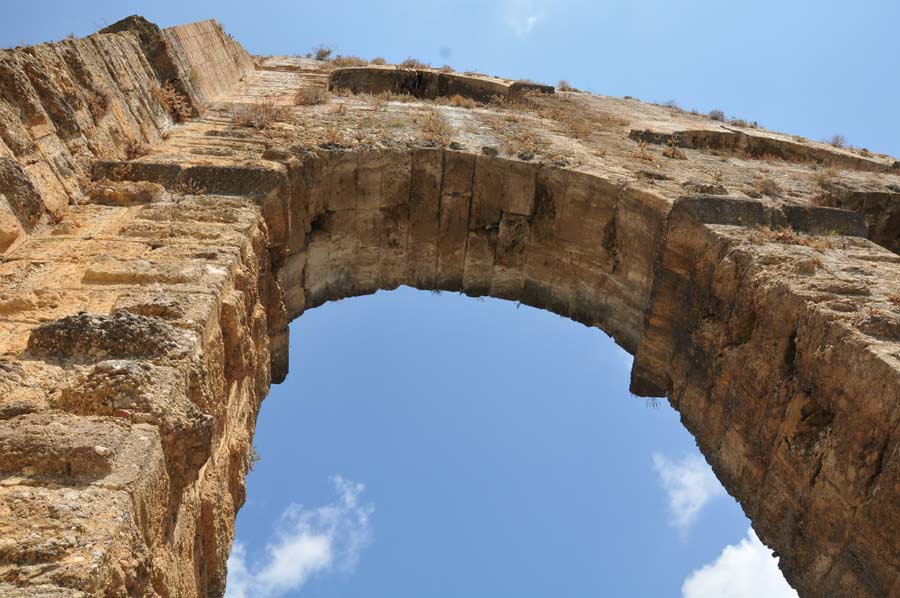
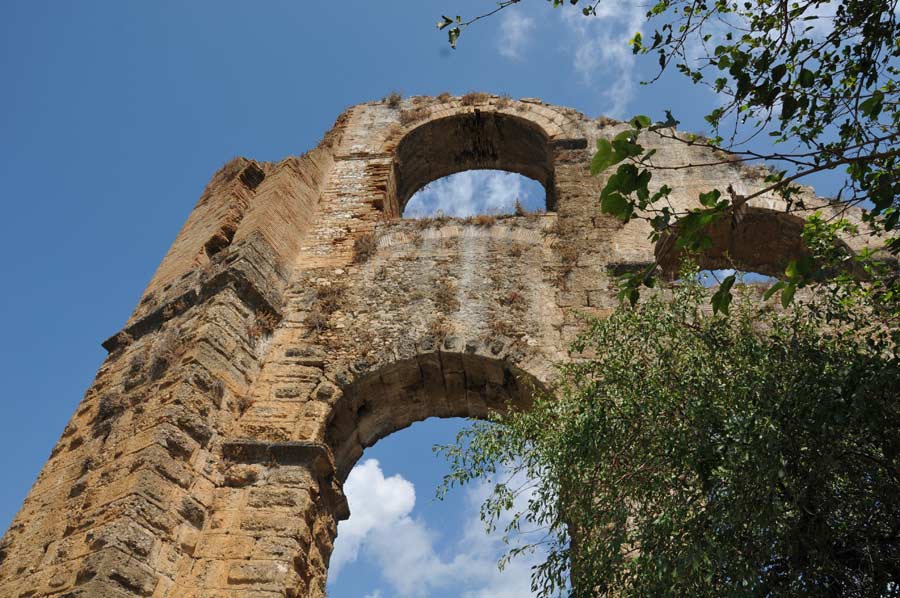
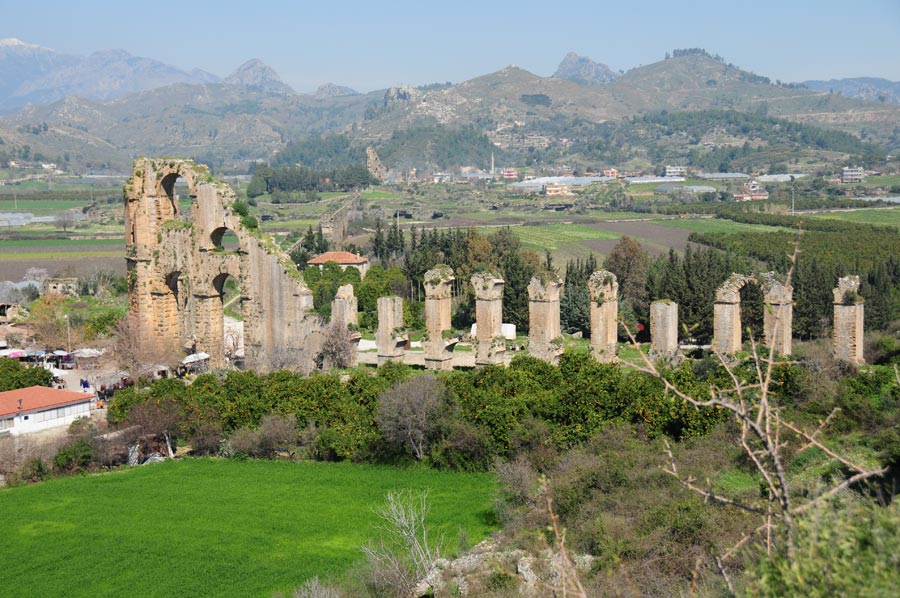
On the other side of the castle hill, however, stands another significant structure from that same century: the colossal aqueduct, which spans the broad valley—a stretch nearly one kilometre wide. It is considered the best-preserved aqueduct in all of Turkey.
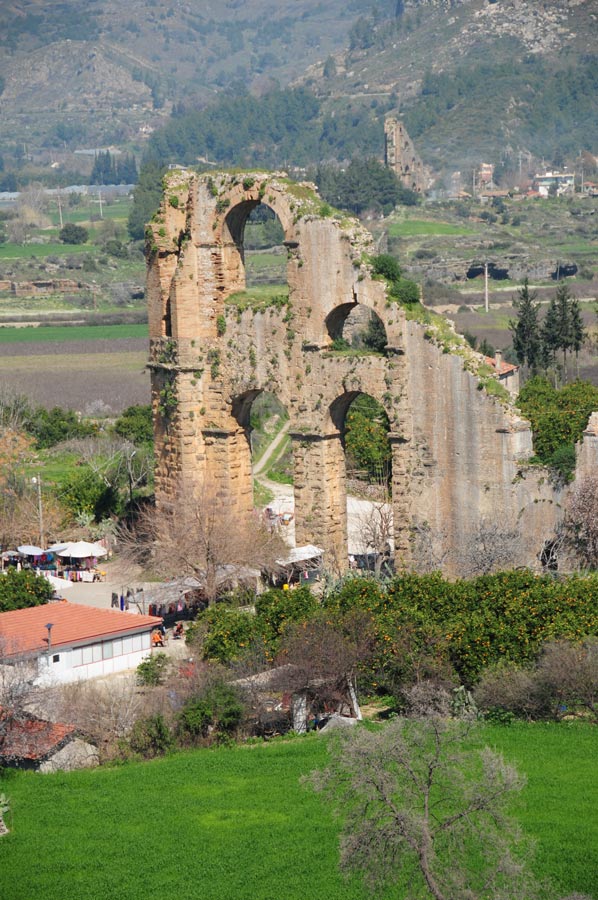 This masterpiece of Roman civil engineering was donated to the city by a certain Tiberius Claudius Italicus "for the water supply" as attested by an inscription. The construction cost a total of 2 million denarii, a sum equivalent to approximately 8 million euros.
The source of the water conduit lies some 20 kilometres away from Aspendos in the mountains, where springs known today as Gökecepinar (at an elevation of 550m) and Pinarbasi (at 440m)—were tapped to channel water down into the valley. Only scattered remnants and traces of this section of the aqueduct can be found today.
The final section of the structure bridged the wide valley basin of the ancient Eurymedon River an area that, until relatively recent times, remained swampy and partially flooded during the spring.
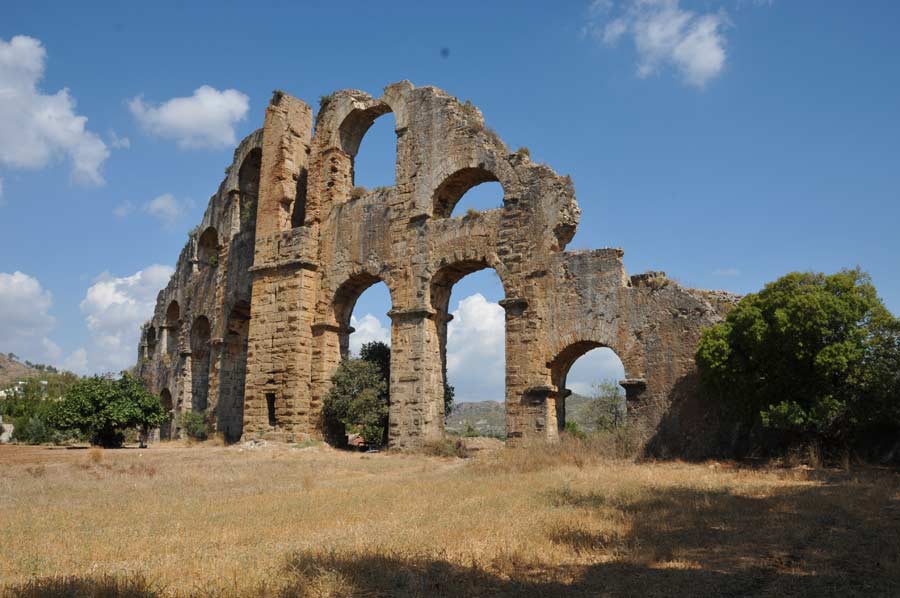
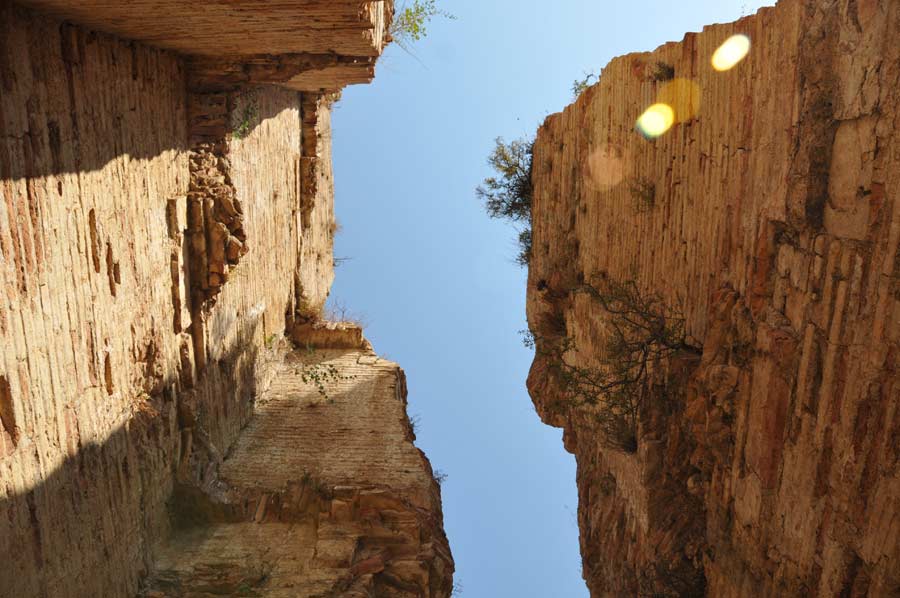
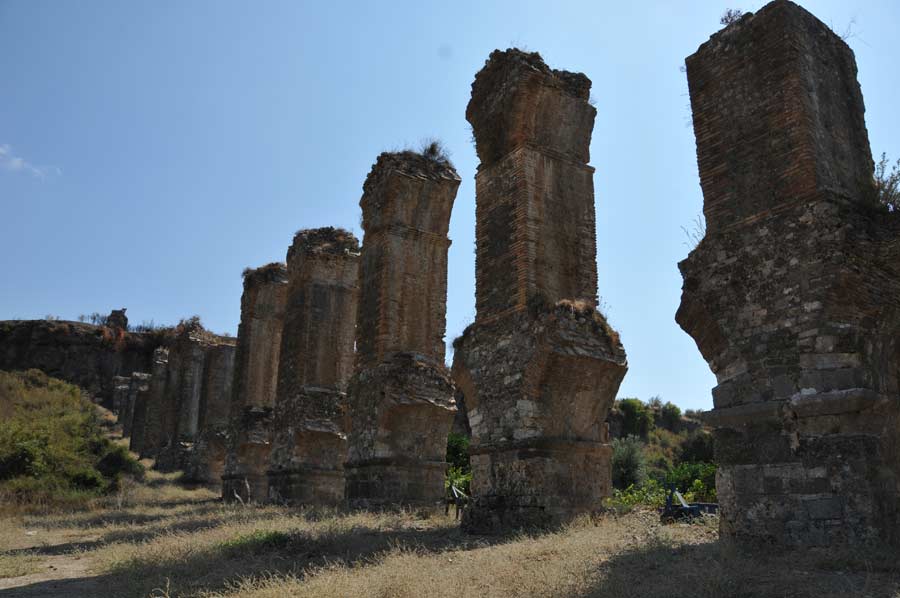
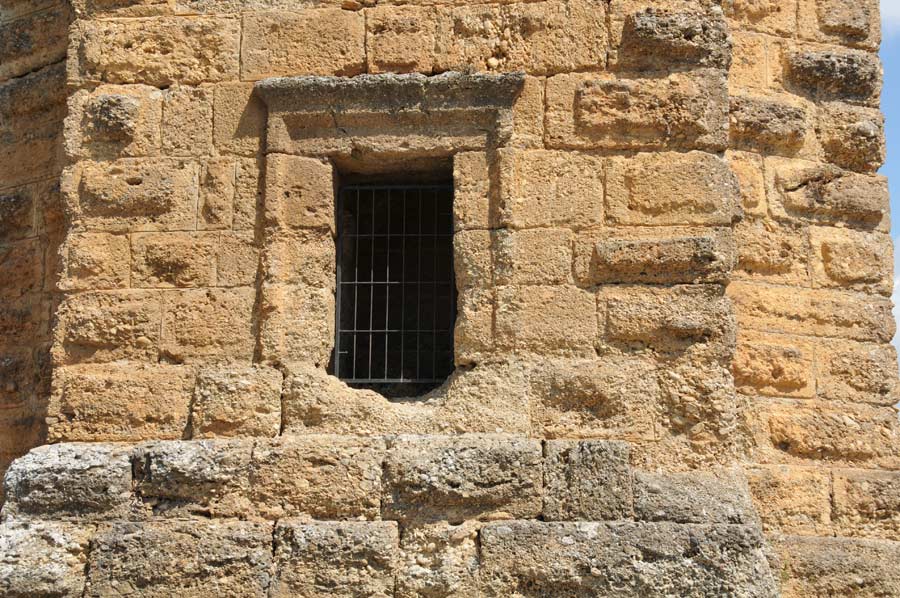
 On both sides of the valley, 30-meter-high water towers rose up; within these towers, water was collected in open basins before being channelled from the southern tower to the Nymphaeum located within the city itself. Between the two water towers, the water flowed through a conduit situated 28 meters below a passage that also served as a walkway for pedestrians. Due to the high-water pressure of 4.5 bar (for comparison, the pressure in a car tire is approximately 2 bar), it was constructed from perforated limestone blocks (90 x 90 x 50 cm), the tubular bores of which had an inner diameter of 28 cm.
Numerous segments of these pipe sections were reused during the construction of the Roman bridge over the Eurymedon likely following the devastating earthquake of 363 AD, which caused large parts of the aqueduct to collapse and were thus preserved.
 The Romans, therefore, were already familiar with the principle of communicating vessels and applied it with consummate skill. The water collected in the northern water tower, then flowed at a 30-degree angle into the lower section, only to be pushed back up into the southern water tower after crossing the valley.
Here, too, it was collected in an open basin, allowing any entrained air to escape.
Once a specific water level was reached and to prevent a drop in pressure the water was channelled via the subsequent section of the conduit toward the Castle Hill and fed into the public water supply system.
Of particular significance was the manner in which the inner walls of the pipes had been finished.
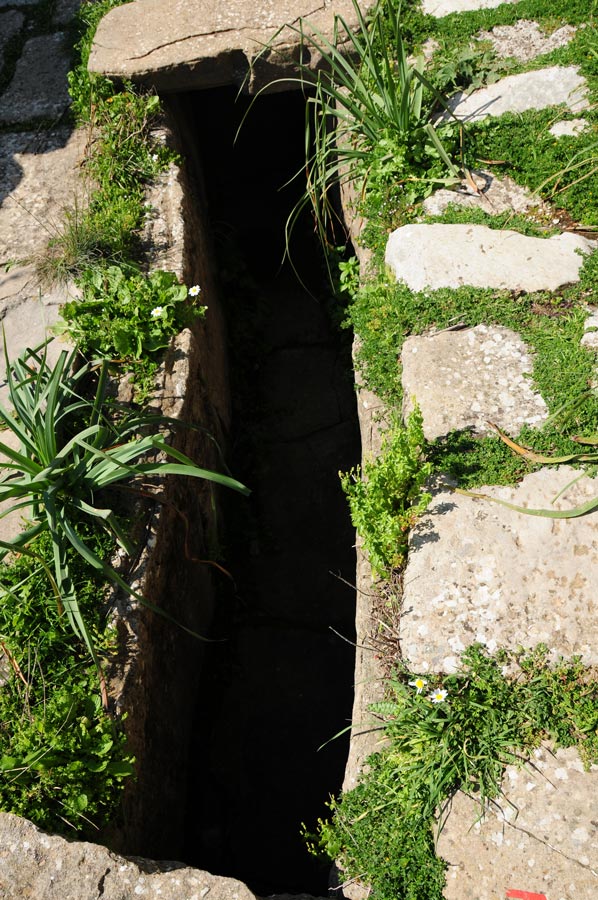 Recent model-based research has demonstrated that, with perfectly smooth walls, severe surges could occur whenever the conduit had to be opened to refill the tanks; conversely, walls that were too rough would have resulted in a significant reduction in flow velocity. The friction resulting from the manual dressing of the inner walls, however, proved to be the ideal solution.
A distinctive feature was the presence of small holes approximately 3 cm in diameter found in the blocks of the riser pipes.
These served to prevent turbulence by allowing the water-and-air mixture to be vented. The "colliquiaria" mentioned by Vitruvius the precise meaning of which has not been reliably preserved may be identical to these small holes.
Today, visitors can drive to the foot of the southern water tower near the old village of Belkis and take in the sheer magnitude of the massive stone structures.
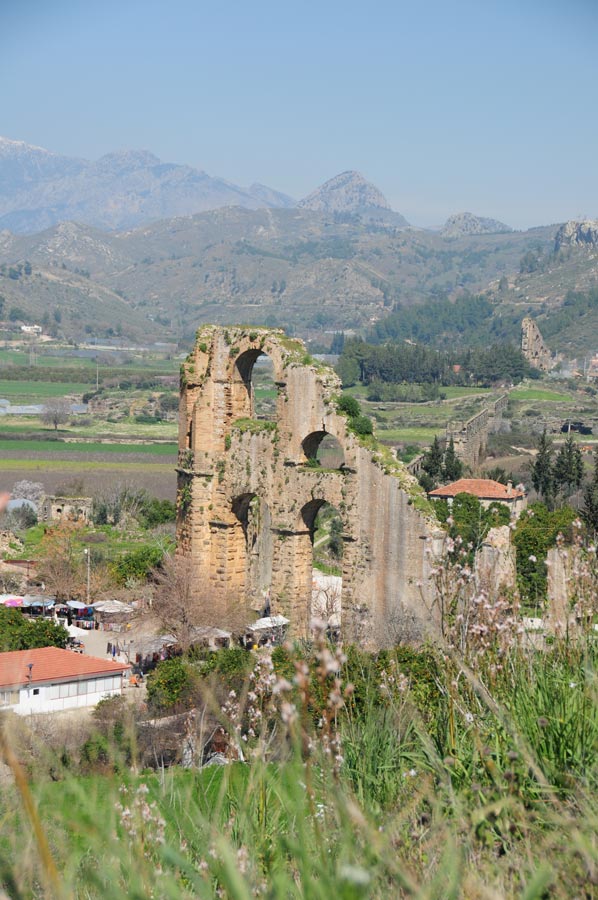 The northern water tower is also easily accessible. One drives around the parking lot near the theatre and continues along a paved road until reaching a fork. The path to the left runs alongside a canal, passing beneath the lower-lying arches of the Aspendos Aqueduct and offering beautiful views of the entire complex.
From the road leading to the right which descends into the Köprülü River valley toward charming riverside fish restaurants turn left after approximately 100 meters, cross a narrow bridge spanning the canal, and, after another 500 meters, you will reach the foot of the northern tower.
At the bend in the path, visitors can climb the water tower and enjoy a magnificent panoramic view.
Please also read:
Roman construction - insights into technology
Water Supply in Ancient Civilizations