Cappadocia – Dwellings and Churches Carved into Tuff Rock
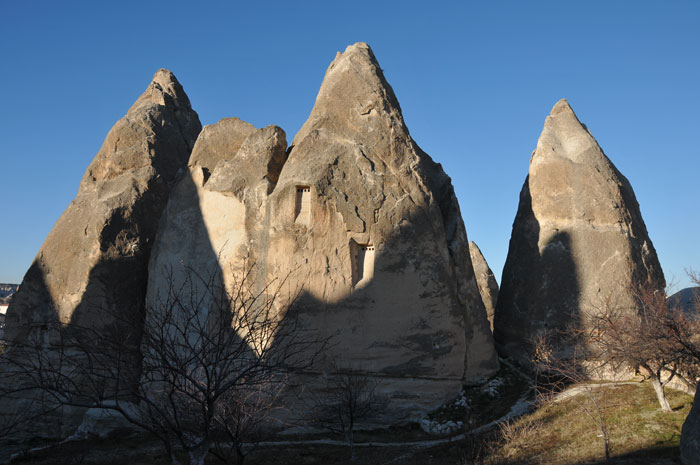
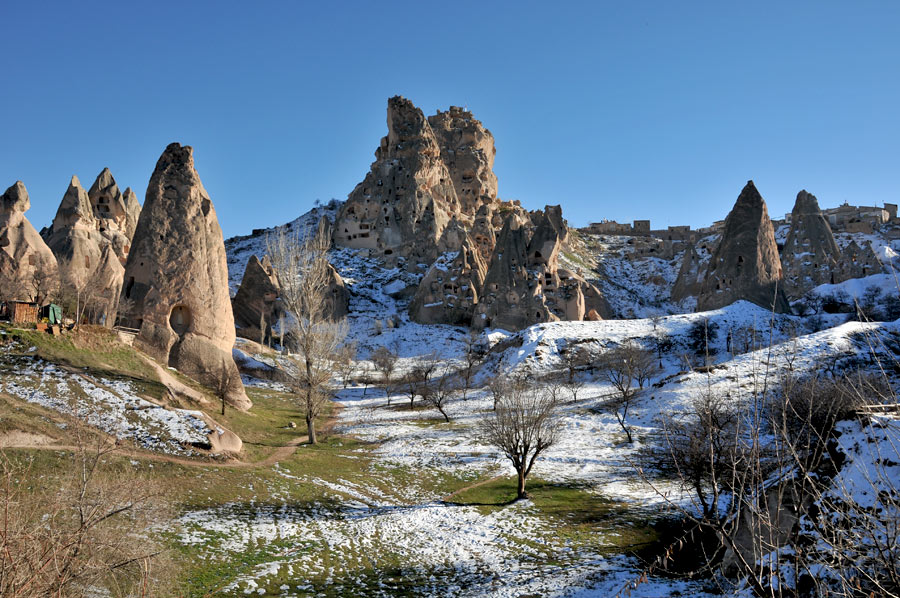
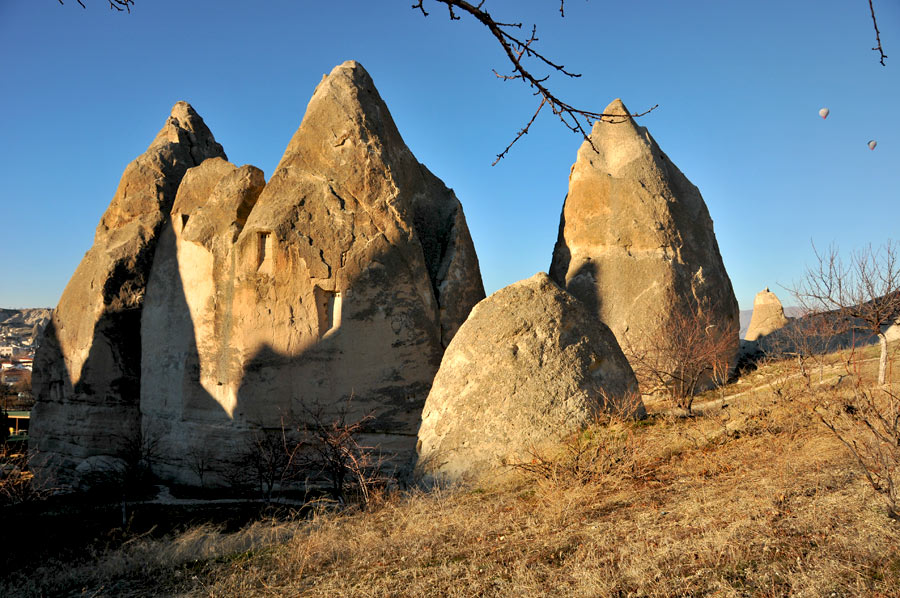
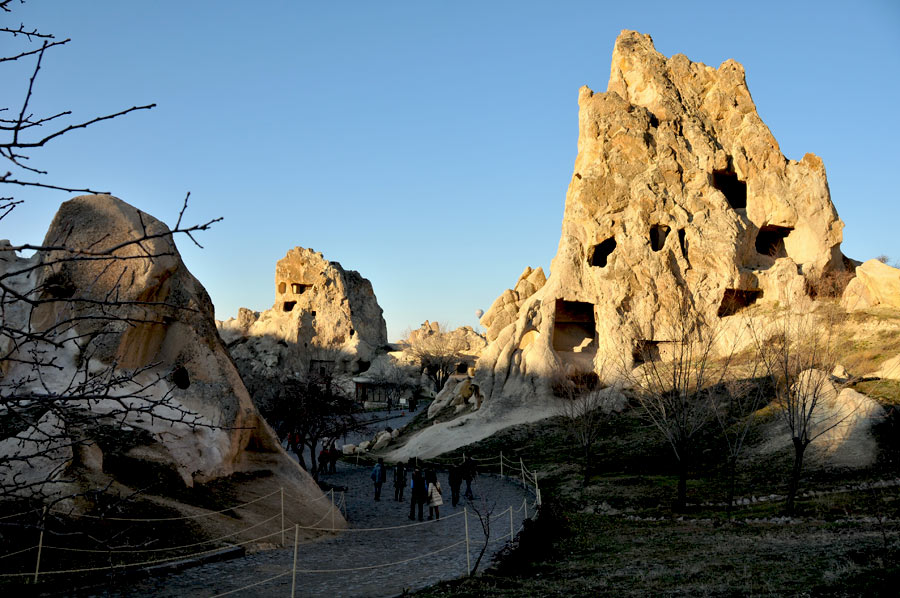
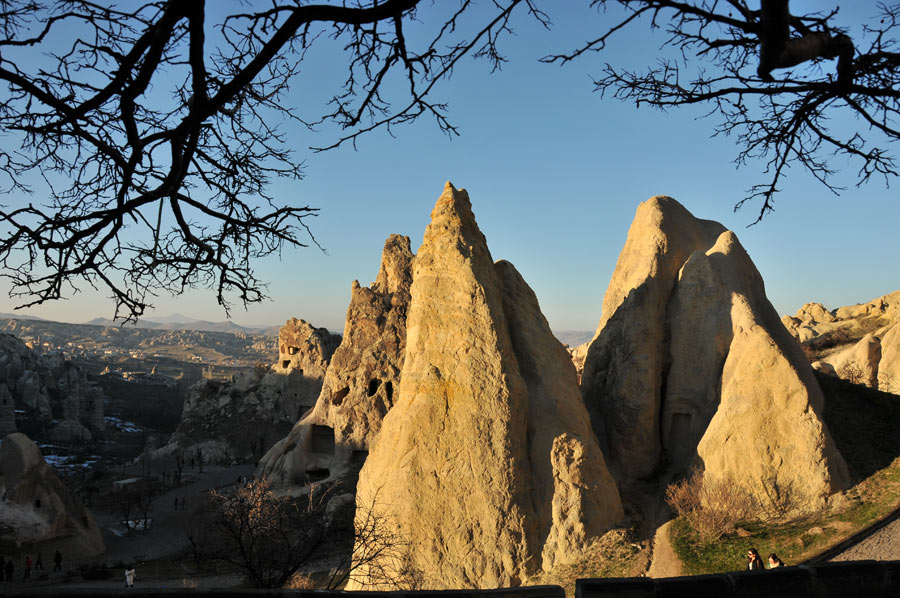
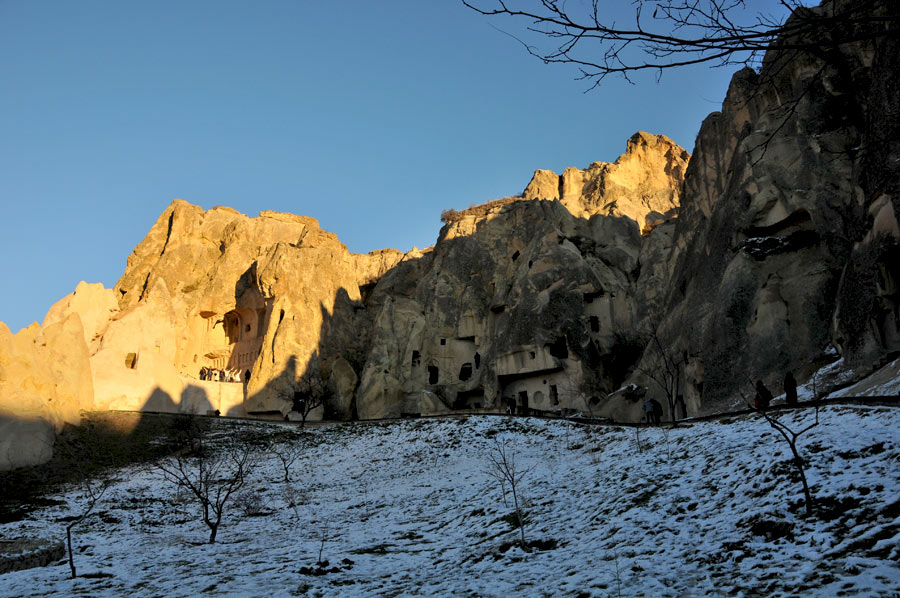
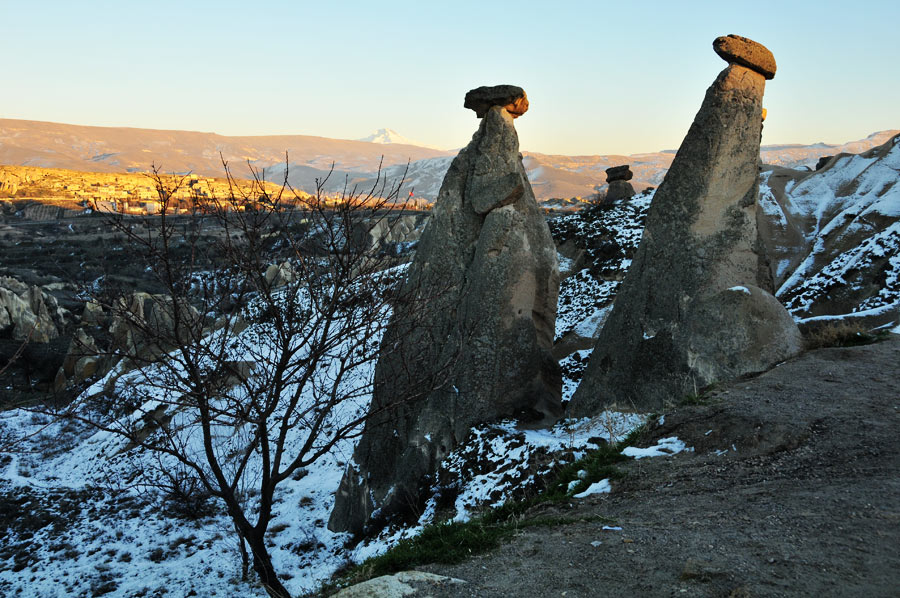
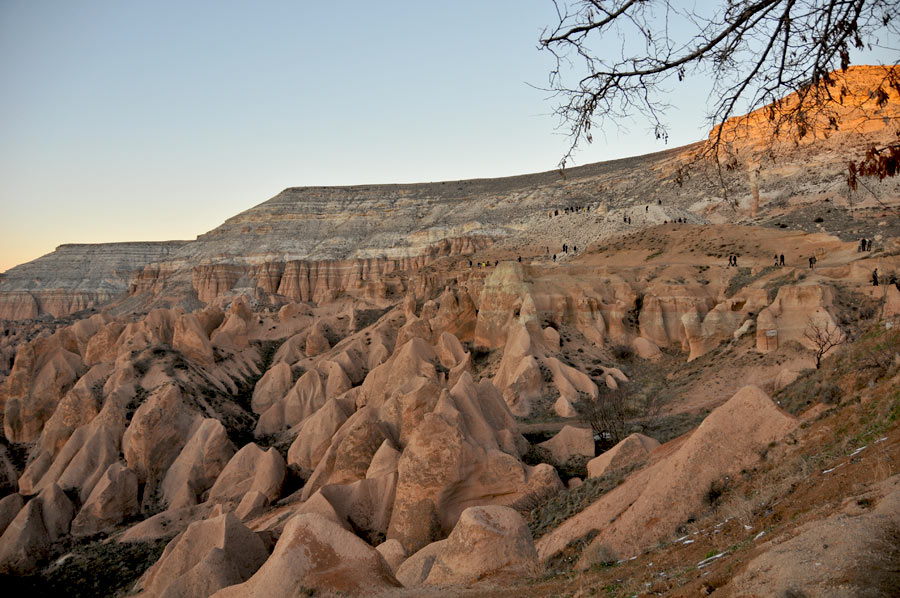
Cappadocia – The region's current landscape was shaped by eruptions from three major volcanoes Erciyes, Baba Dağ, and Karadağ which deposited successive layers of different rock types. Water and wind subsequently sculpted these deposits into sometimes bizarre conical shapes, some of which were later hollowed out to serve as dwellings.
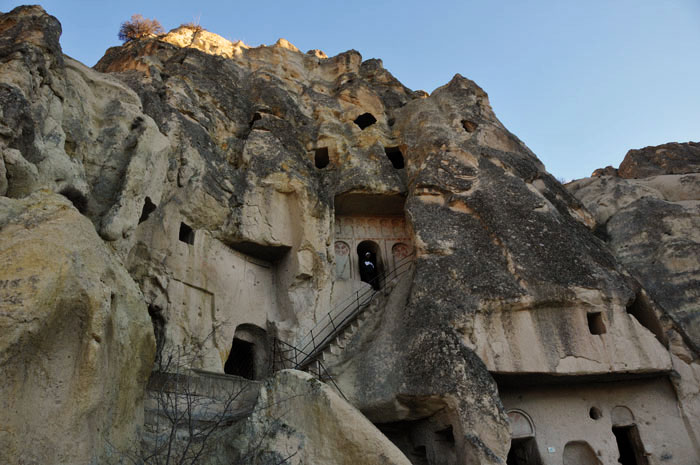
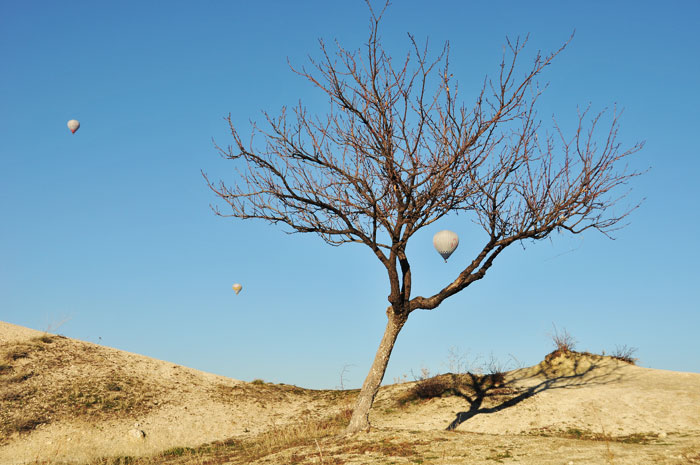
These tuff cones are particularly prominent in the area around Nevşehir specifically in the towns of Ürgüp, Uçhisar, and Göreme where hot-air ballooning has become a popular way to view the rock formations from above.
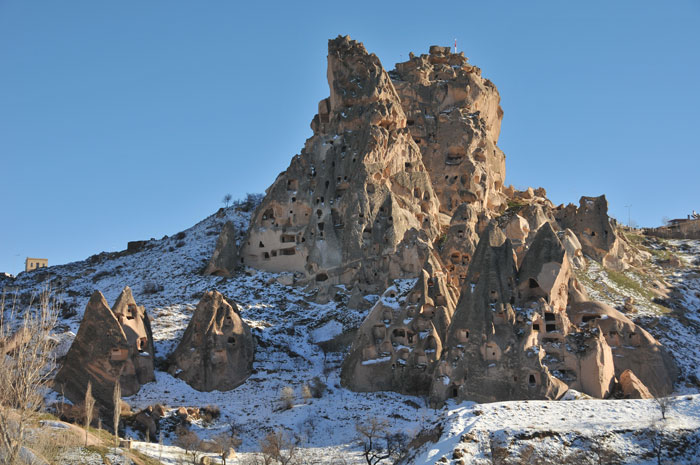
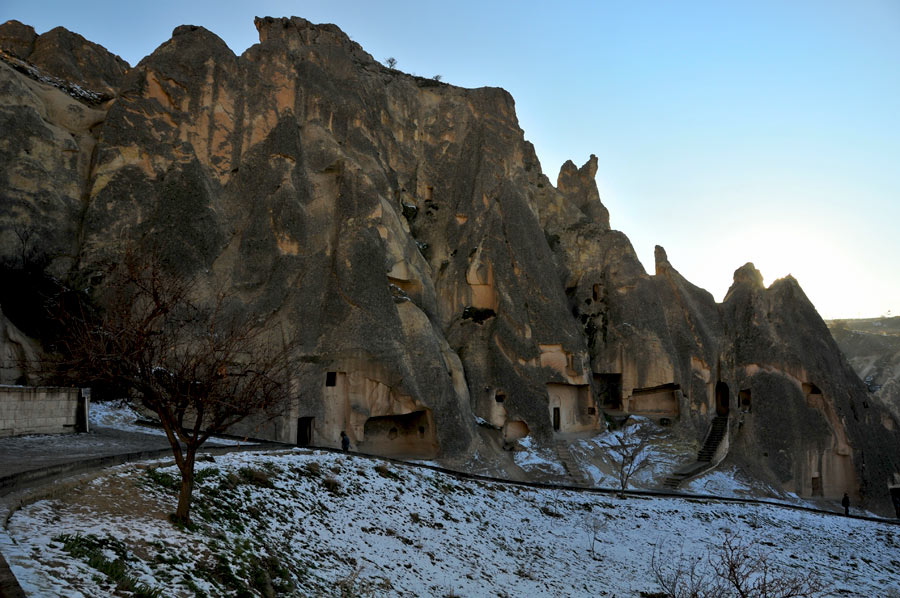
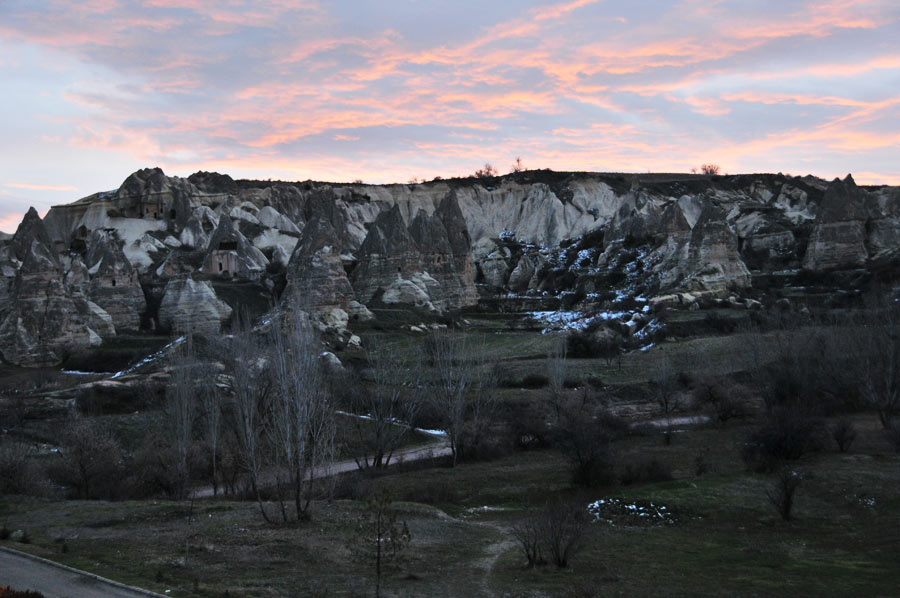
Throughout the history of settlement in Cappadocia, Christians often seeking refuge took advantage of the soft tuff rock to create living spaces. The rock was relatively easy to work with and provided shelter from the summer heat and winter cold. This led to the creation of complex dwelling structures in many places...
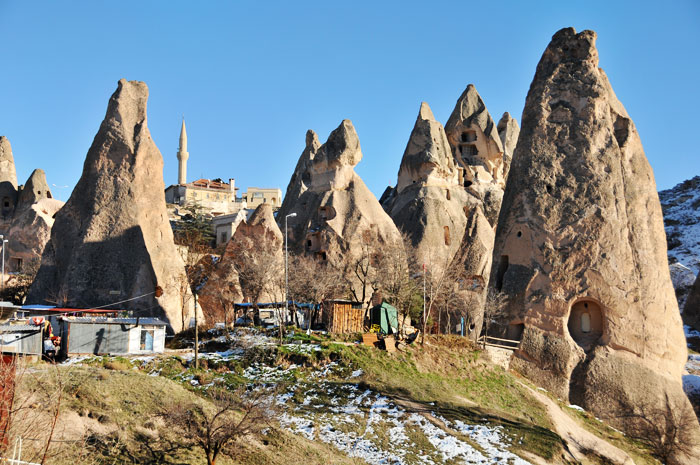
...some of which remain so well-preserved that they are still inhabited today.
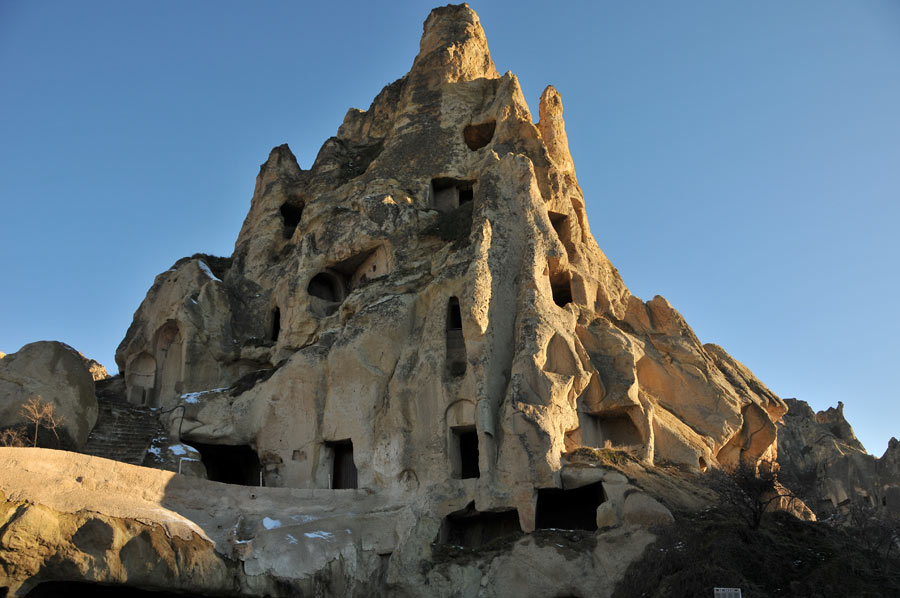
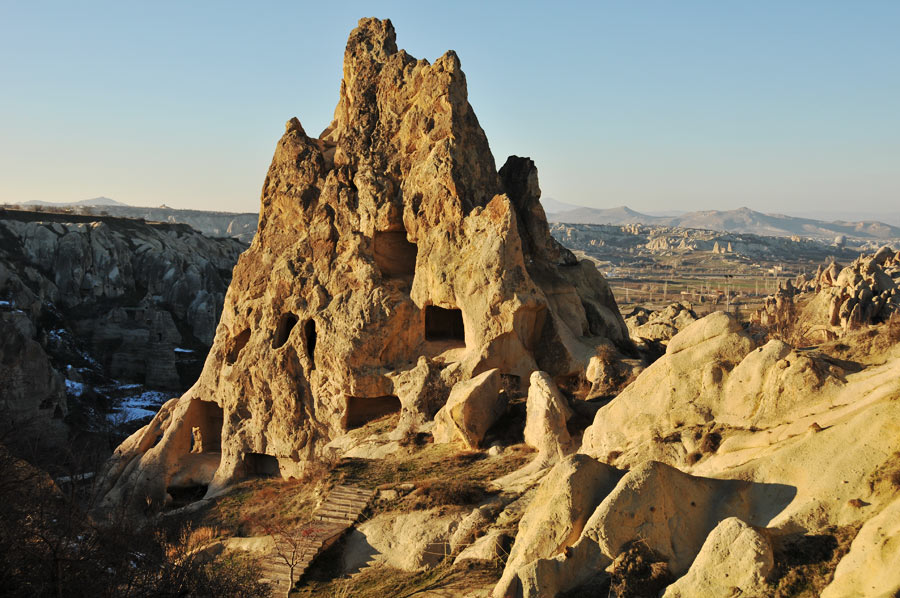
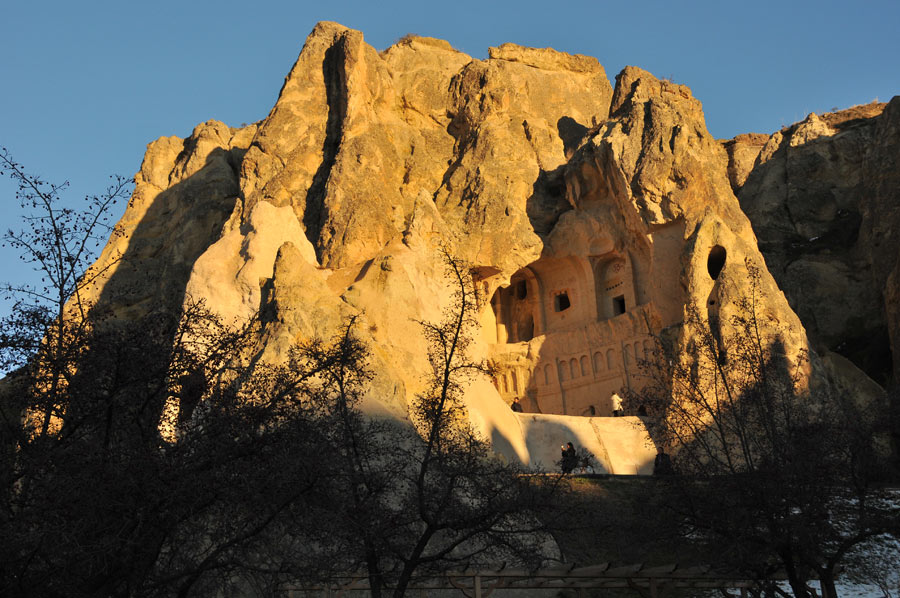
The tuff cones were even divided into multiple levels connected by internal staircases. Entire residential towers were created in this manner, as exemplified by the tower found in the Göreme Open-Air Museum.
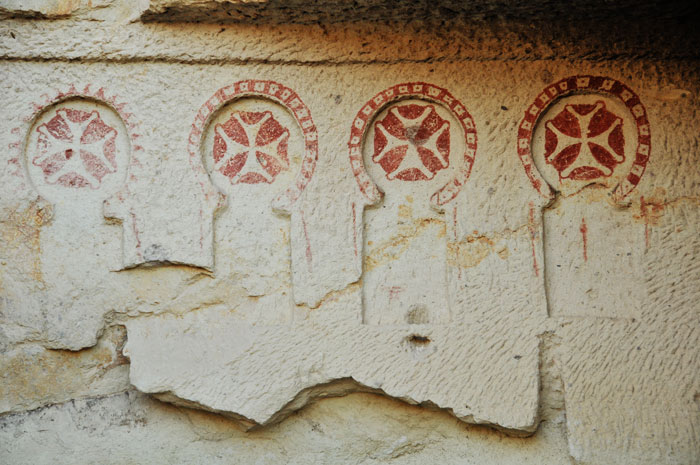
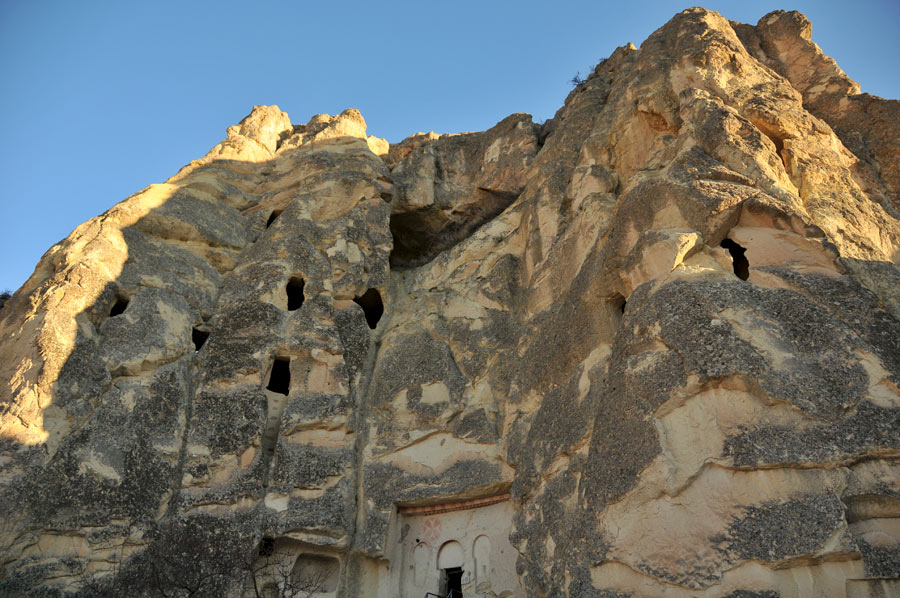
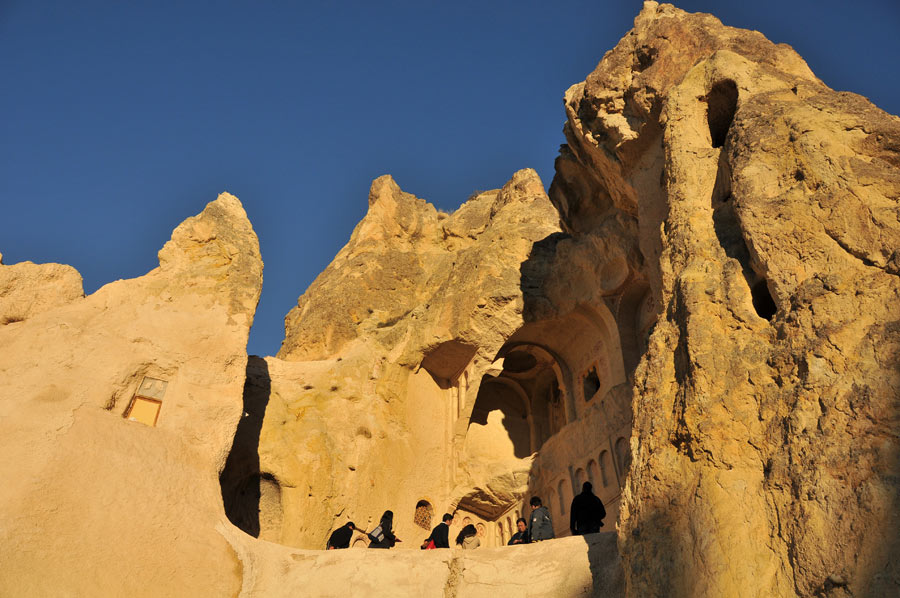
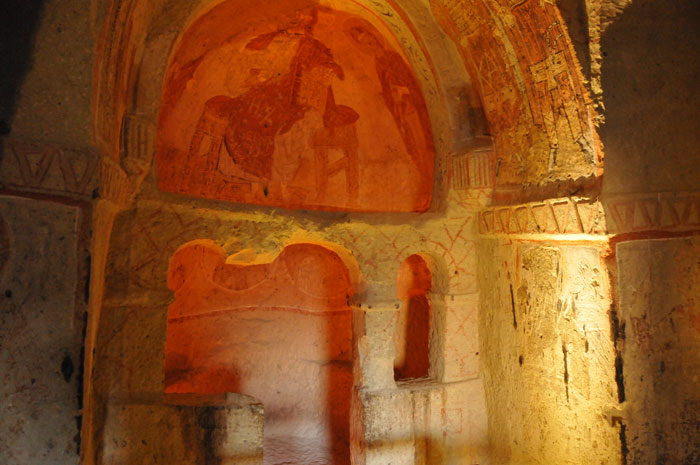
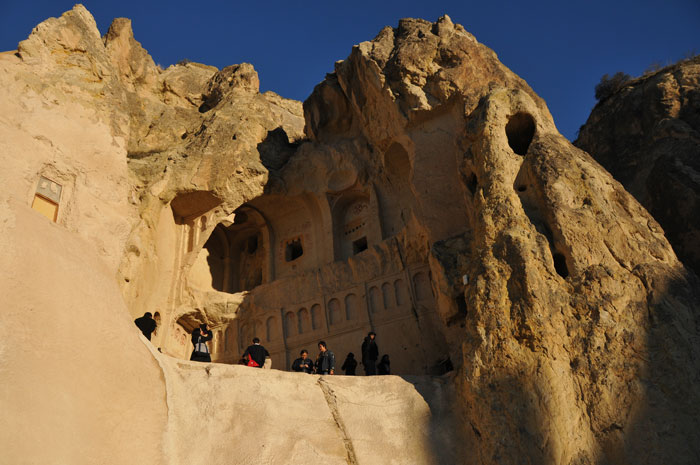
Alongside these living quarters, churches were also established, some modeled after "conventional" church architecture. Features such as apses and rows of columns were carved directly out of the rock, and walls and ceilings often feature well-preserved Christian motifs.
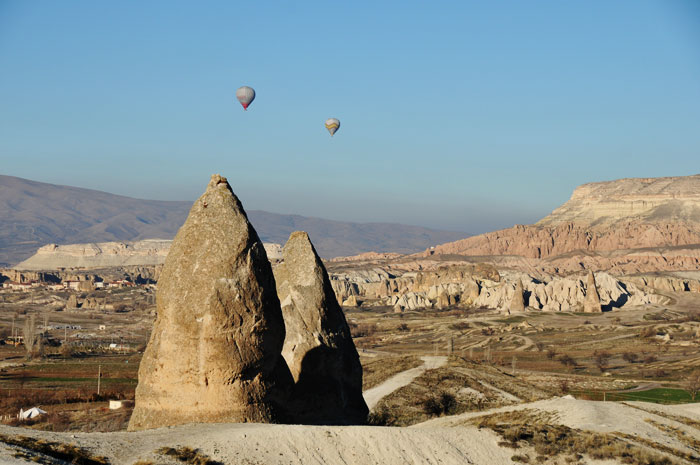
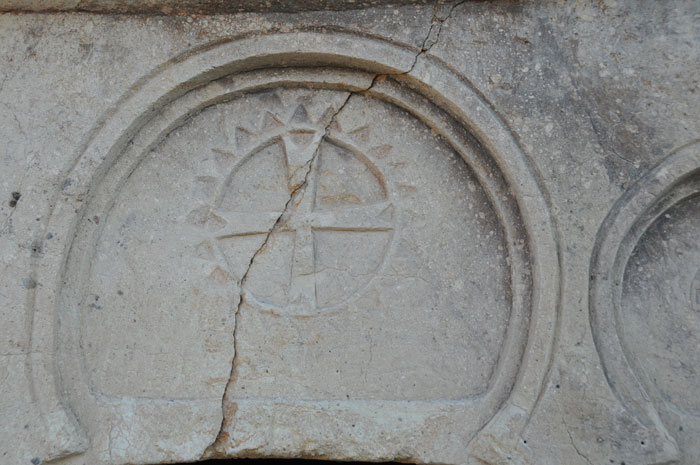
While some churches display clearly visible Christian motifs on their exteriors, others are barely recognizable as places of worship; instead, they appear to be part of private complexes that also include burial chambers for the deceased. Well-presented and featuring multilingual explanations, the Göreme Open-Air Museum offers an overview of the history of settlement and the people who lived here during the era of Christian persecution.
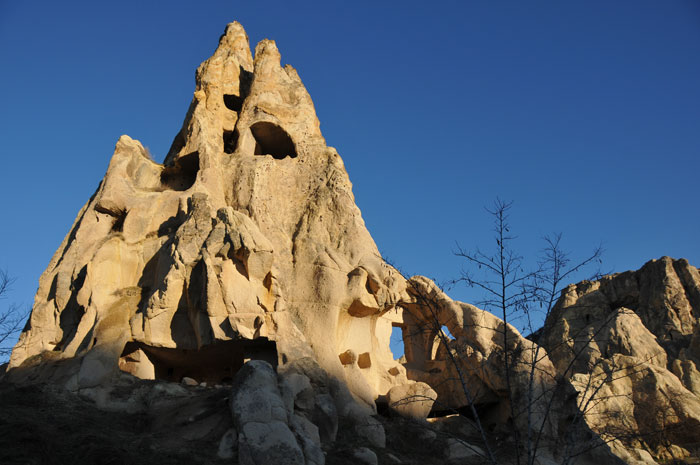
The craftsmanship involved in shaping these architectural elements is truly fascinating; one can only imagine the immense energy required to create them.
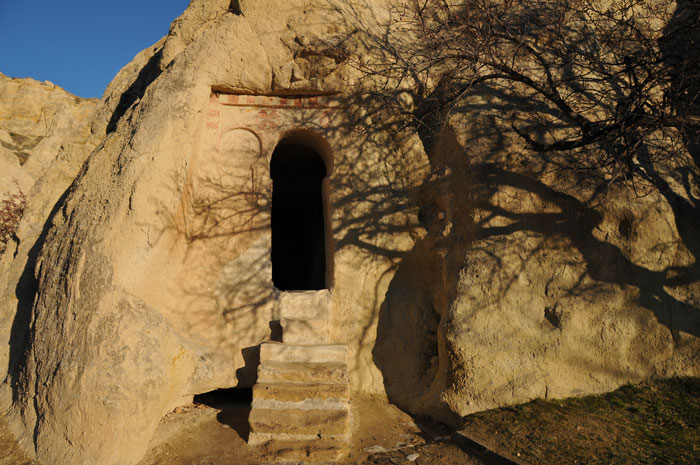
A complex residential site carved into the tuff rock, featuring external access staircases that were also hewn directly from the stone.
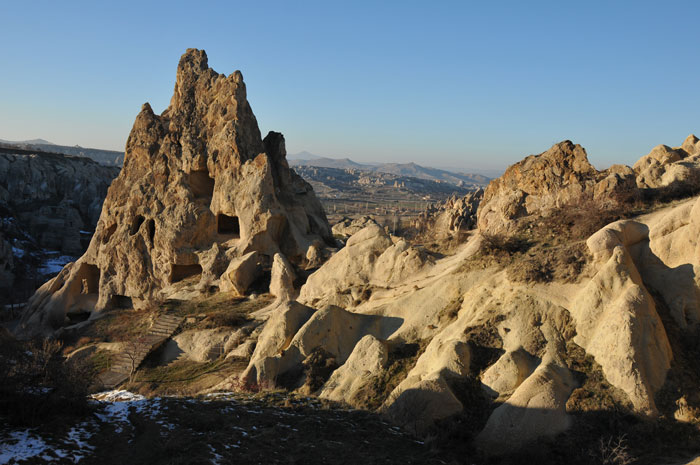
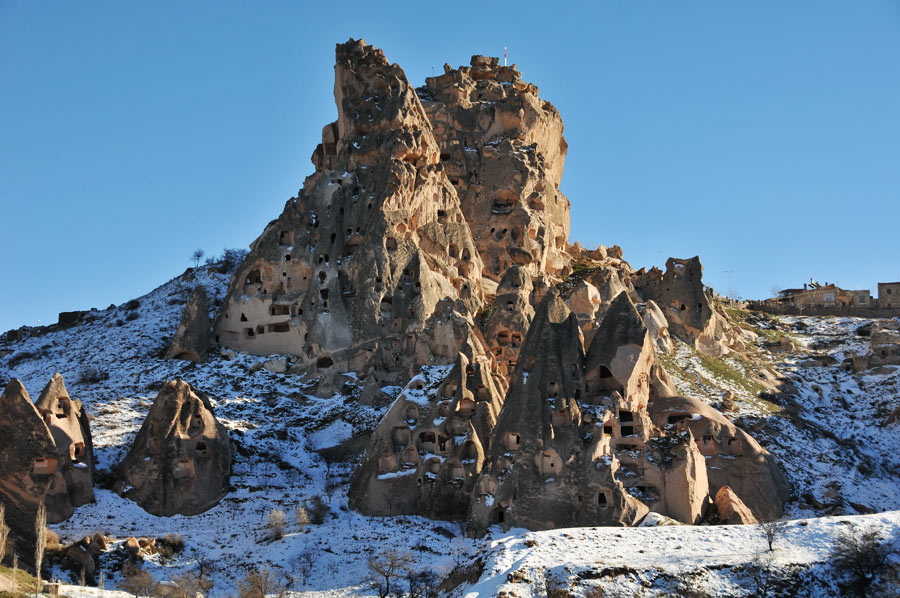
One of the largest residential tower complexes is found in Uçhisar, located roughly halfway between Göreme and Nevşehir. It is difficult to estimate just how many people once lived here "under one roof."
In modern terms, this area might best be described as a villa complex or a single-family housing settlement; indeed, families still live here today not merely for the sake of tourism and engage in agriculture.
Naturally, tourism particularly hot-air ballooning over Cappadocia has become a significant source of income for local residents. Unfortunately, for many travellers, Cappadocia is merely one stop on a broader tour...
...which is a great shame, for where else can one immerse oneself so directly in human history, grasp the connections, and draw parallels to one's own life?
Please also read:
Grado – A walking tour of the lagoon resort town
Manavgat – A Weekend with Scouts at the Climbing Park