


Tarsus - At the Roots of Christianity in Turkey
- Written by Portal Editor
Tarsus - This Thursday, Federal President Christian Wulff will attend a Mass in the Turkish city of Tarsus.
It is more than just a religious service; it is a political statement: a statement in support of freedom of religious practice. And it serves as a reminder that the origins of Christianity lie in Anatolia.
 Sister Maria folds her hands. "They love us here," she says, smiling as she speaks. Yet her eyes, peering from behind large spectacles, remain serious and watchful. "We have no problems; there is no pressure. The Chief of Police, for instance he is like a brother to us." The Chief of Police is standing outside in the courtyard of St. Paul's Church in Tarsus, southern Turkey, discussing final preparations for the Mass, which Federal President Christian Wulff is expected to attend on Thursday. The Catholic church located in the birthplace of the Christian Apostle, right in the heart of Muslim Turkey is being spruced up for the occasion; the air is filled with the scent of fresh paint. Small Turkish and German flags hang from the streetlights.
Tarsus - "Christianity Undoubtedly Belongs to Turkey"
 "Islam also belongs to Germany," the Catholic Christian Wulff once declared—a statement for which he faced considerable criticism back home in Germany. Now, during his first visit to Turkey, he has expanded that formula to include the Turkish perspective: "Christianity undoubtedly belongs to Turkey" this was a key phrase in the speech Wulff delivered before the Turkish Parliament. In Tarsus, Wulff intends to underscore his commitment to the small minority of roughly 100,000 Christians living in Turkey by participating in an ecumenical service at St. Paul's Church. During his visit, he will hear much about the shared faith of Christians and Muslims in the one God. And he will come to realize that while declarations of tolerance are one thing, concrete actions are quite another. Sister Maria has lived in Tarsus for 16 years, caring for the Church of the Apostle Paul. Despite her 74 years, the Italian nun appears alert and energetic. The only thing you wouldn't guess just by looking at her is that she is a nun. Sister Maria and the two other religious women in Tarsus—members of the "Daughters of the Church" order are not permitted to wear religious habits in public outside of worship services. "It’s not a big problem," says Sister Maria, smiling again.
She and her two fellow sisters who serve as a sort of Christian watchguard in this "City of Paul" are the only Christians left in Tarsus. A local Christian congregation has ceased to exist there long ago. Attendees for the worship service hosted by the Federal President are brought in from hundreds and thousands of kilometres away from Istanbul and Ankara, from Adana and Iskenderun, and, of course, from Germany. The service is to be officiated by the pastors of the German congregation in Istanbul, both of whom hold diplomatic status as German consular staff within the country.
Tarsus - Paul’s Well Draws Thousands of Tourists to Tarsus
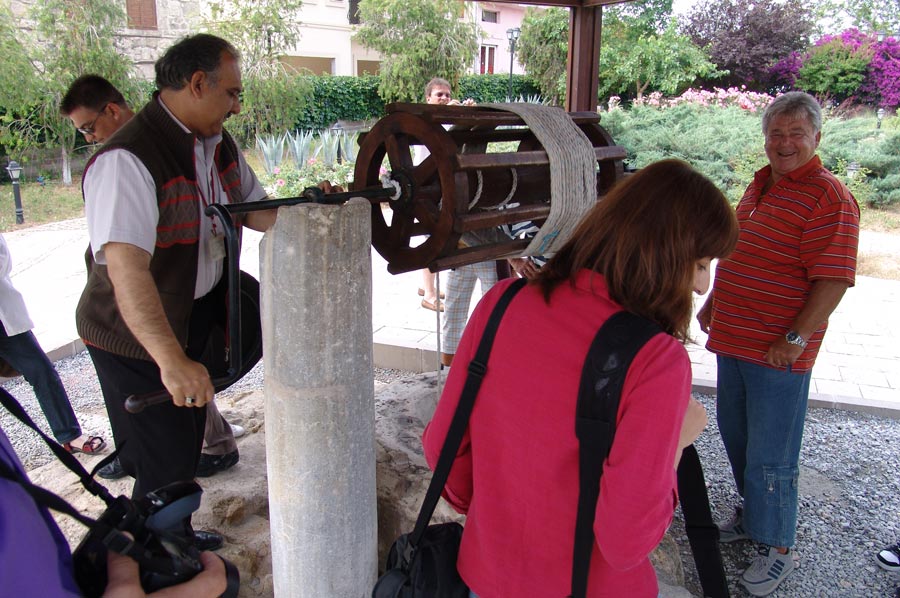
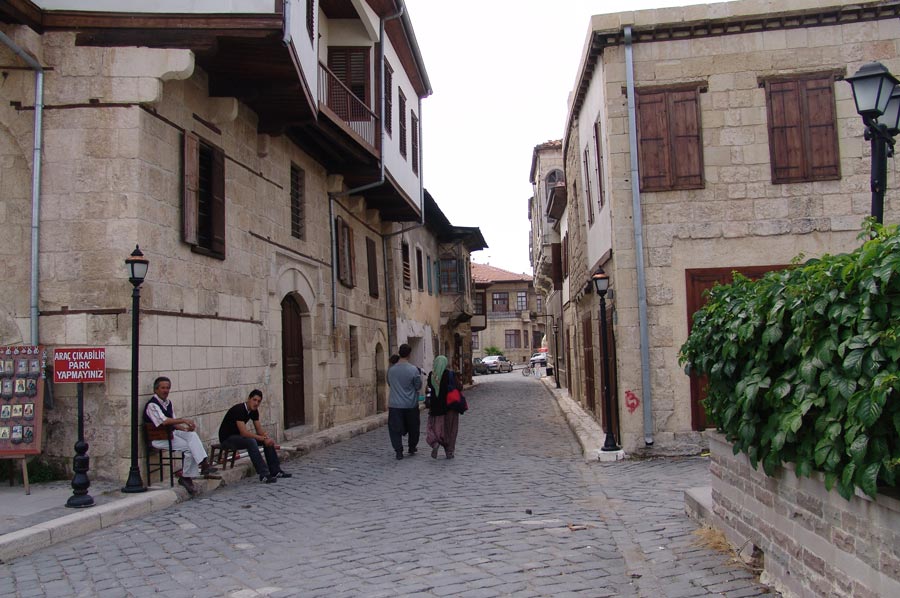
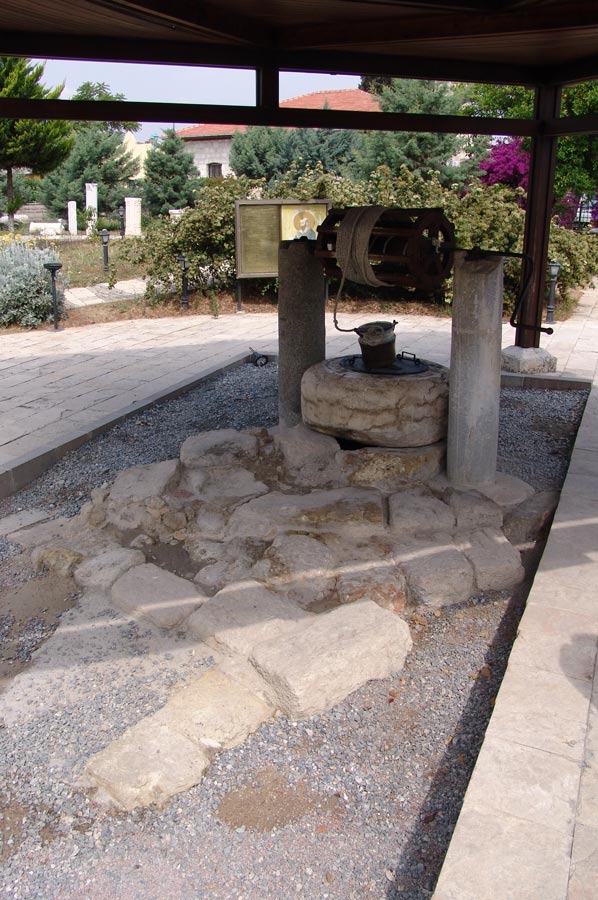 The church which was built more than a thousand years after the Apostle’s death is currently managed as a cultural monument and museum due to the absence of a local congregation. For the small town of Tarsus whose economy relies primarily on citrus fruit cultivation religious tourism has brought about an unexpected boom. Last year alone, 15,000 foreign visitors toured the Church of St. Paul mostly Italians, but also Germans, Poles, and other Catholic Europeans. Since the church was recently reopened for worship services during the "Year of Paul," tourist buses have been rolling into the town from the airport in the nearby metropolis of Adana from spring through autumn. In the narrow streets of the Old Town surrounding the so-called "Paul’s Well" and the glass-roofed remains of what is believed to be the Apostle’s former home cafés and a chic hotel have sprung up. With his act of solidarity for the beleaguered Christians in Turkey, Wulff could have made his statement in many places across Anatolia: in Antioch, where the followers of Jesus Christ were first called Christians; in Ephesus, where one of the earliest Christian communities lived; in Nicaea, where the first Ecumenical Council convened; and in Constantinople, where the Christian Creed was formulated the very creed that millions of Christians around the world recite to this day.
Today, these cities are known as Antakya, Ephesus, Iznik, and Istanbul; yet neither in Turkey itself nor in Western Europe do most people still realize that the Christian religion originated primarily in Anatolia. They do not realize that Christians would have gone down in history as little more than a footnote had the Byzantine emperors in Constantinople not elevated them from a persecuted sect to the state religion of their empire. They do not realize that the foundations of Christian theology were laid at the seven Ecumenical Councils all of which took place in Anatolia and along the Bosphorus. And they do not realize that the Great Schism between East and West unfolded within the Hagia Sophia in what is now Istanbul.
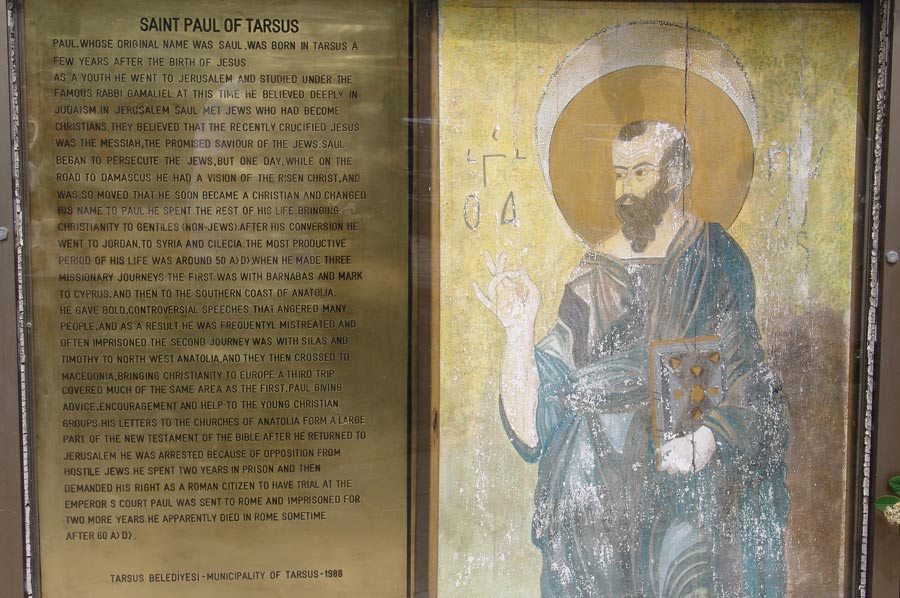
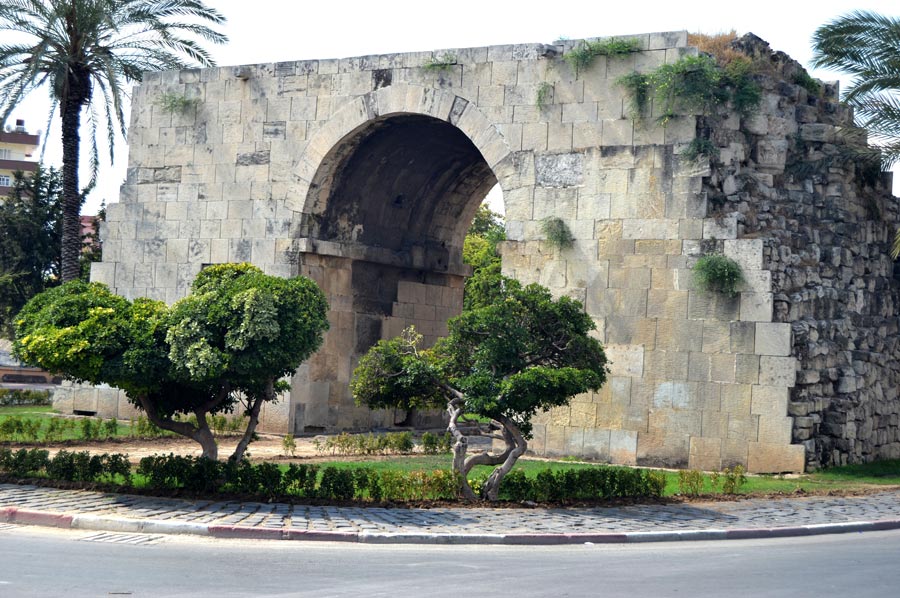
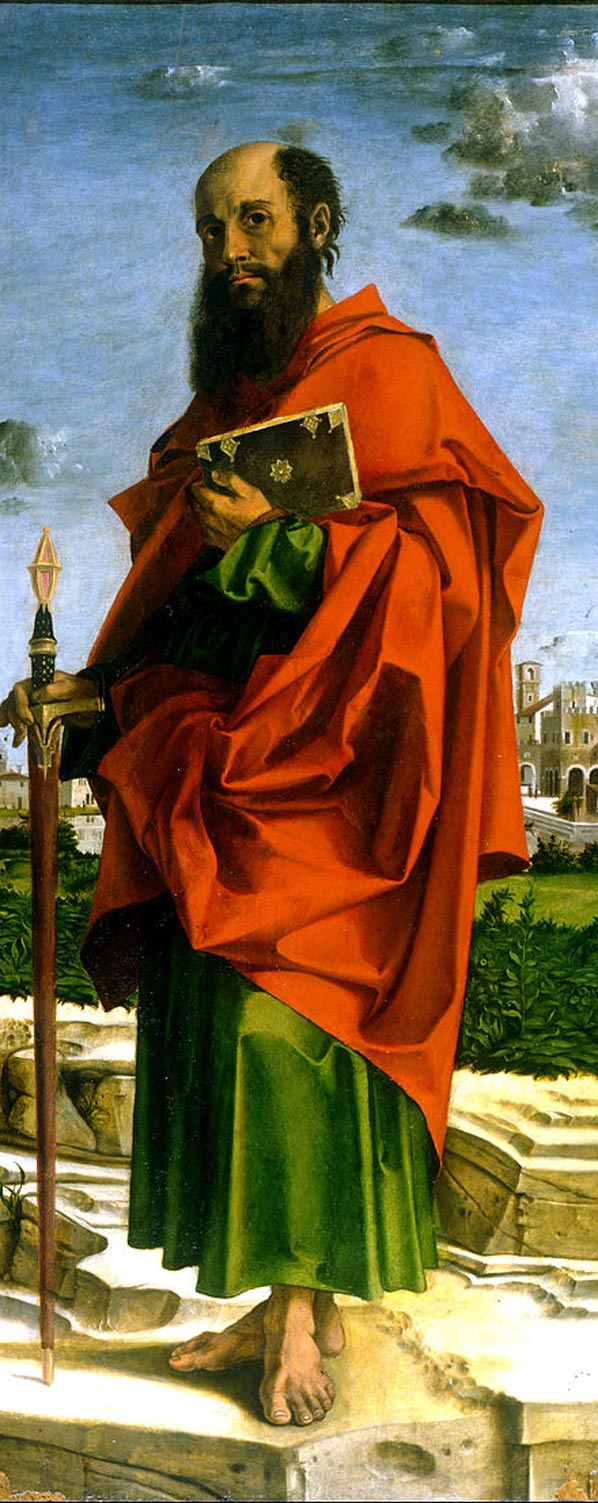
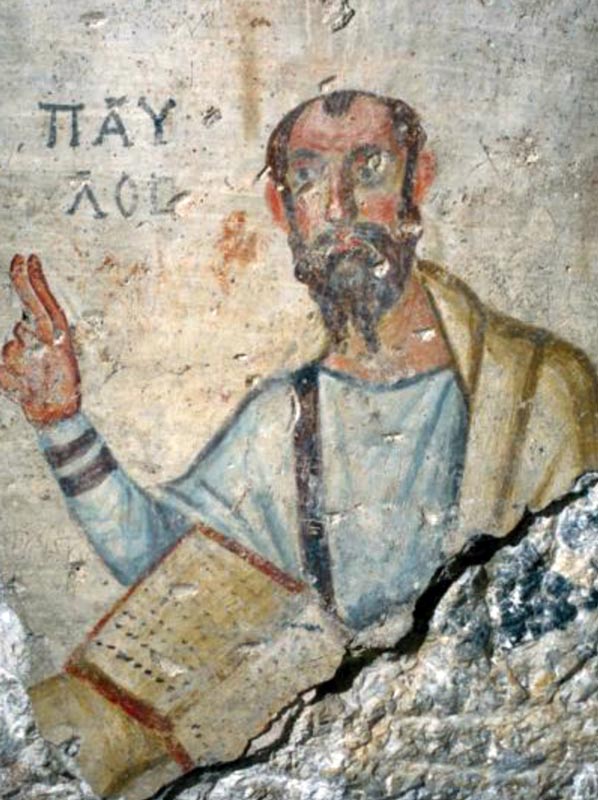
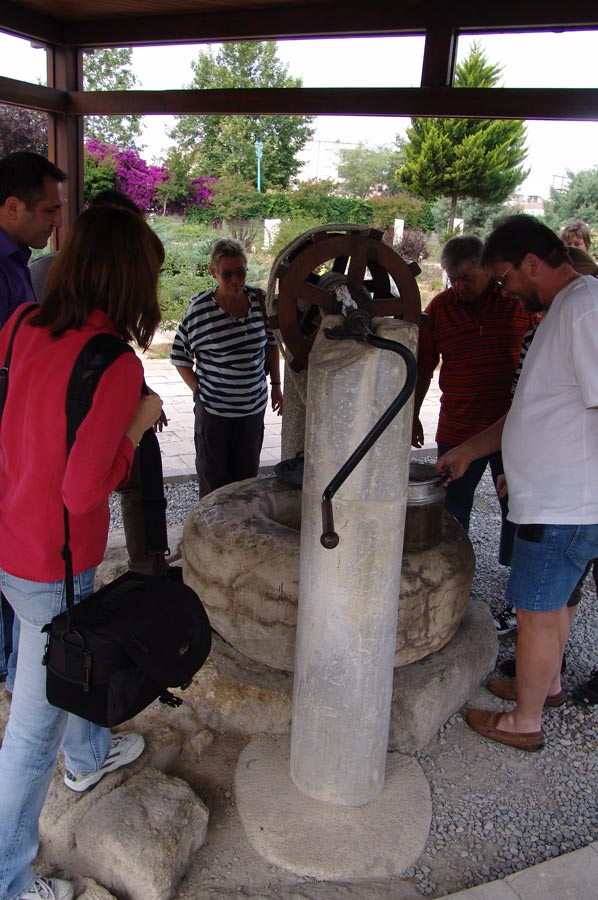 However, the initial spark for all these developments which ultimately led to the emergence of the world's largest religion came from Tarsus, the capital of Cilicia at the time, and from its most famous son: the Apostle Paul, who was born there as Saul in the year 4 or 5 AD. Without him and his tireless missionary journeys crisscrossing the globe, the message of Jesus Christ would not have been widely sown; without the communities he established, the faith would not have taken root; and without his letters and writings, the intellectual history of Europe would have taken a very different course. Anyone in Europe today who claims that Turkey does not belong to the Western cultural sphere is effectively hacking at their own roots—a message, too, that emanates from Tarsus.
Wulff’s visit is also intended to reinforce the symbolic significance of Tarsus as a Christian landmark. The Turkish government has signalled that it may soon accede to the Catholic Church’s request to permanently reopen the church for worship services. This idea also finds many supporters within the city’s bazaar. Just a stone’s throw from the church, Durmus Binay stands in his open workshop located in one of the bazaar’s narrow lanes and sharpens knives. He has heard of the Christians’ request and he welcomes it. "All the problems we used to have those are all in the past now," says Binay. "Everyone should be free to practice their faith. Let them open the church." A few streets away, textile merchant Necati Deveci seconds the Federal President’s assertion that Christianity is also an integral part of Turkey. "After all, we revere the same prophets."
**A Special Permit for Every Service**
 Prior to his trip to Tarsus, Wulff had met with Turkish President Abdullah Gül in Ankara. Wulff was impressed by Gül’s public declaration that, as Turkey’s head of state, he serves as the president for Christians and Jews as well. Indeed, despite their own personal Muslim piety, both Gül and Prime Minister Recep Tayyip Erdogan are receptive to the Christian community’s calls for greater rights. Several reforms benefiting minorities have been enacted in recent years; nevertheless, Christians still face obstacles regarding the construction of churches and the daily practice of their faith. True religious freedom remains a distant reality.
In Tarsus, for instance, every service held at the Church of St. Paul currently requires official government authorization; furthermore, Sister Maria and the two other nuns are obliged to pack away all liturgical items particularly the crosses immediately after each Mass. The local Catholics hope that the Federal President’s visit will bring about at least some improvements for their community in Tarsus.
One person who harbors less enthusiasm for this gesture is Rainer Korten, the German pastor in Antalya a city situated further west along this stretch of the Mediterranean coast. He dismisses the service in Tarsus as mere "symbolic politics," pointing out that there is no actual Christian congregation based there to begin with. Korten ministers to the approximately ten thousand German retirees who have settled in the sun-drenched region between Antalya and Alanya; during the summer season, his potential congregation swells to include some two and a half million German tourists. Upon his arrival six years ago, Korten became the very first foreign clergyman ever to be granted a work permit by the Republic of Turkey.
His own congregation at the Church of St. Nicholas had actually been invited to attend the service with the Federal President; however, the German retirees showed little inclination to undertake the 500-kilometer journey. Nor did Korten press the matter any further. German politicians, he believes, would be better advised to visit a Christian community in Turkey—to inform themselves about the “considerable difficulties” they face.
Equal Rights for Christians in Turkey and for Muslims in Germany
 His St. Nicholas Church could vividly illustrate such problems. The German congregation registered with the authorities as an association, simply because legally speaking church congregations do not exist in Turkey at all. Only through this legal workaround were they able to rent church premises in the first place a former internet café in the Old Town of Antalya. The association’s statutes explicitly stipulate what ought to be self-evident: free access to the church and the importation of religious texts. A government inspector monitors proceedings to ensure that the Turkish national anthem is sung at the annual general meeting. Consequently, Korten considers "clear demands for the freedom of Christians here just as Muslims enjoy in Germany" to be far more important than symbolic worship services.
Muslims in Germany are able to practice their faith "in a dignified setting," Wulff reminded the members of the Turkish parliament, pointing to the many mosques located on German soil. Germany expects, he added, "that Christians in Islamic countries possess the same right to practice their faith publicly, to train future theologians, and to build churches."
The problem, however, lies not with Gül or Erdogan; the problem lies with men like Ilker Cinar himself a native of the city of Tarsus and, for a time, a Christian himself. Having converted to Protestant Christianity at the age of 23, Cinar founded a congregation in Tarsus and quickly rose through its ranks to become its pastor. For twelve years, he travelled across the country as a Protestant, forging connections with Christian communities and participating in their events. Then, in February 2005, in a dramatic televised gesture, he reconverted to Islam and announced that he would now reveal the "true face" of Christianity.
Tarsus - The Double Standard of the Convert Ilker Cinar
 A vicious smear campaign ensued: Christians, Cinar claimed everywhere he went, had infiltrated Turkey. The missionaries, he claimed, possessed a multi-billion-dollar budget to weaken the country on behalf of foreign powers the USA and the EU; he himself, he alleged, had been offered a hundred thousand dollars by the Americans to bind him to Christianity. There were already 40,000 secret underground churches in the country, he warned, and the end of Turkey was nigh. His stories played upon every fear and prejudice held by the Turkish people; Cinar was shuttled from talk show to newspaper interview, continually fanning the flames of hysteria until that hysteria turned violent. In February 2006, the Catholic priest Andrea Santoro was murdered in Trabzon; in January 2007, the Armenian Christian Hrant Dink; and in April 2007, three Protestants in the eastern Turkish city of Malatya all at the hands of Turkish youths who sought to protect their country from the perceived threat of Christian missionaries.
It was not until June 2008 that Cinar was exposed, thanks to a small Turkish newspaper: the man who had converted twice had been on the payroll of military intelligence since 1992, an agency that had consistently and without interruption continued to pay his pension contributions. "I did everything for the state," was Cinar’s comment regarding the revelation.
Officially, however, such machinations are not a topic of discussion in Tarsus. "Tarsus has always been a crossroads of religions and civilizations," says Burhanettin Kocamaz. Jacketless and with his sleeves rolled up, the Mayor of Tarsus strides through the Old Town the day before the Federal President’s visit, checking to ensure that everything is in readiness. Kocamaz a politician from the right-wing nationalist MHP party has been in office for decades and is a seasoned, wily veteran of local politics. Yet when asked whether Christianity truly belongs to Turkey as the German President had asserted he prefers neither to affirm nor to deny it. "Those are matters for the statesmen in Ankara; here, we concern ourselves with local affairs." Meanwhile, at St. Paul's Church, the amplifiers for the keyboard are being tested. During the service attended by the Federal President, it is set to serve as the organ.
Please also read: