Peraia – Foundations and Boundaries of the Thasian Region
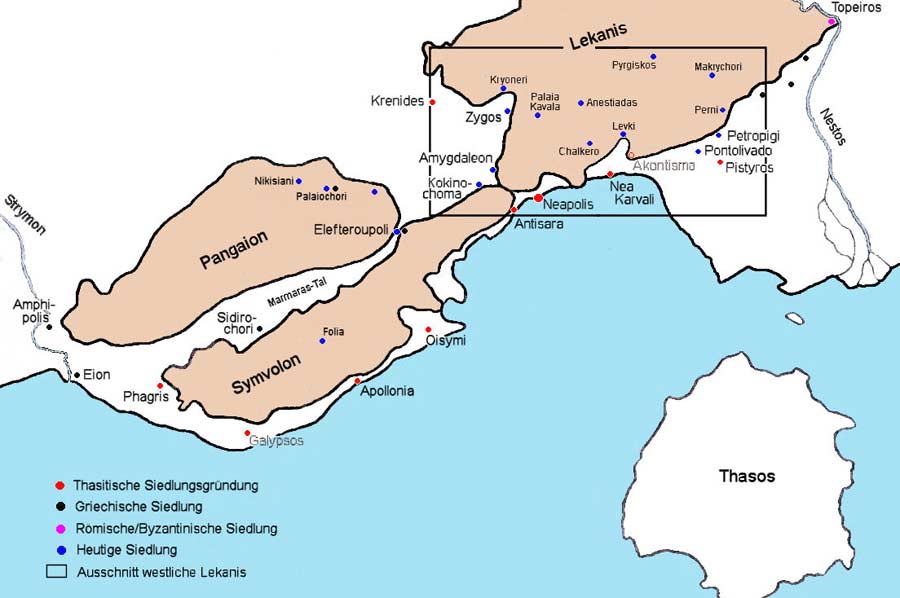
Peraia – Our research into the historical background of the city of Kavala took us—at least in historical terms back to the pre-Roman era, prior to the construction and use of the Via Egnatia.
At that time, the rulers of the island of Thasos located just a few kilometres off the coast of modern-day Kavala held a position of significant power.
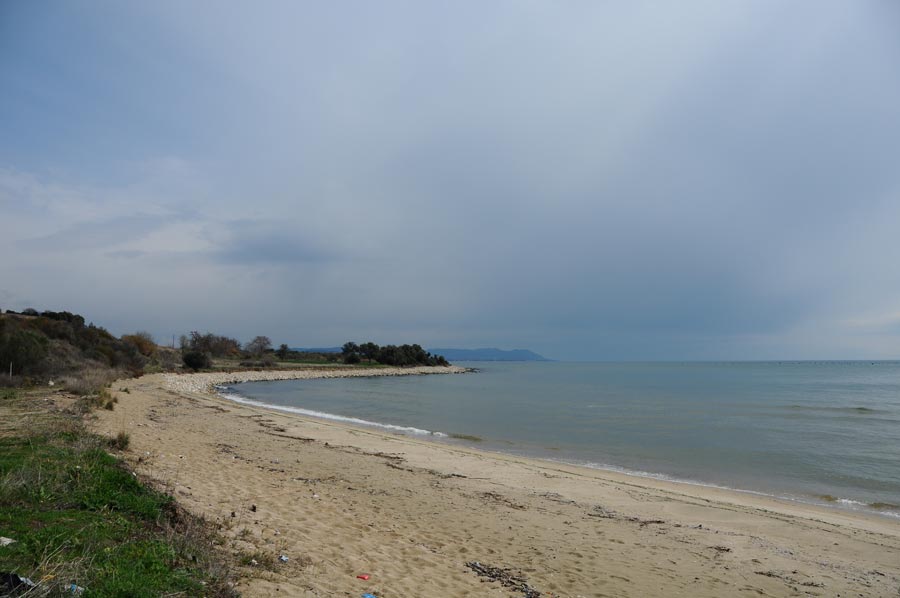 Initially focused solely on controlling the island, which engaged in brisk trade with the surrounding area, the first settlers from Thasos moved to the opposite mainland to claim land and exploit natural resources. This mainland territory held by the Thasian settlers spanning the period from roughly the mid-7th century until the Macedonian conquest is known in history as the Thasian Peraia. The legendary Thracian gold mines in the Pangaion Mountains where the primary reason Greek colonists from Thasos established a foothold on the opposite mainland between the Strymon and Nestos rivers and brought the ore-rich southern Rhodope Mountains under their control.
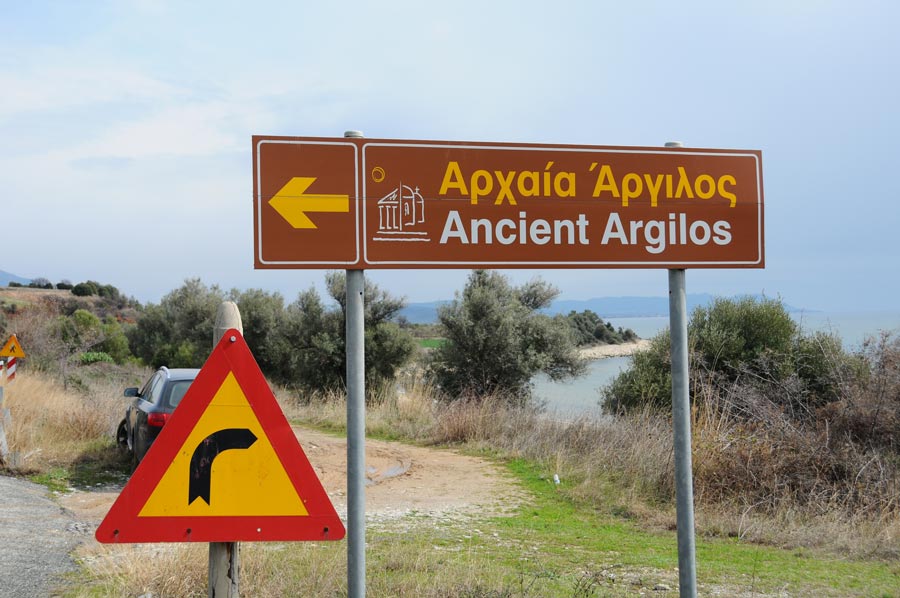 The Peraia established by the Parians likely came into being in two phases. The first phase coincided with the founding of the earliest confirmed trading posts Neapolis, Oisyme, Galypsos, and Stryme in the period immediately following the settlement of Thasos during the second half of the 7th century BC. Numerous significant finds from this era have been recovered at Neapolis, Oisyme, and Stryme; however, to date (2010), no such evidence has been found regarding the city and necropolis of Galypsos. Recent findings identify the Thasian settlement of Berge as the westernmost outpost. The settlement in the 6th century BC... The trading post founded on the Strymon located near the village of Neos Skopos, approximately 50 km northwest of Amphipolis occupied a particularly advantageous position and played a significant role in the exchange of goods with Thracian dynasties.
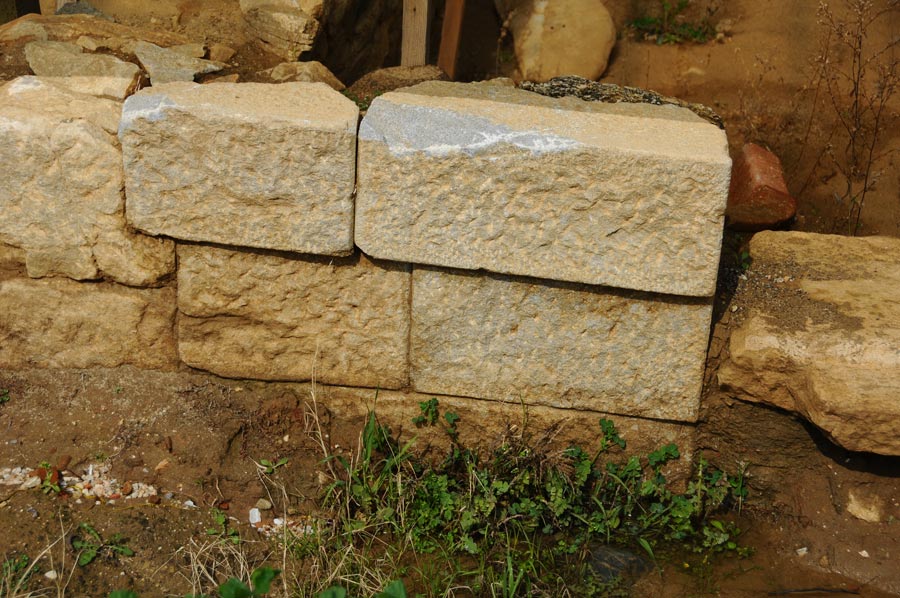 Surface finds of pottery and evidence from small-scale excavations indicate a second phase of expansion spanning the second half of the 6th century through the second half of the 5th century BC during which several settlements were established: the smaller fortified “emporia” of Apollonia and Antisara (modern-day Kalamitsa) to the west of Neapolis; Nea Karvali to the east; Pistyros, the most recent Thasian settlement in Thrace; and various other unnamed sites. From these strongholds, the immediate hinterlands or “chora” of the settlements were colonized. The coastal region, particularly the fertile western Nestos Delta surrounding Pistyros, was developed for agriculture.
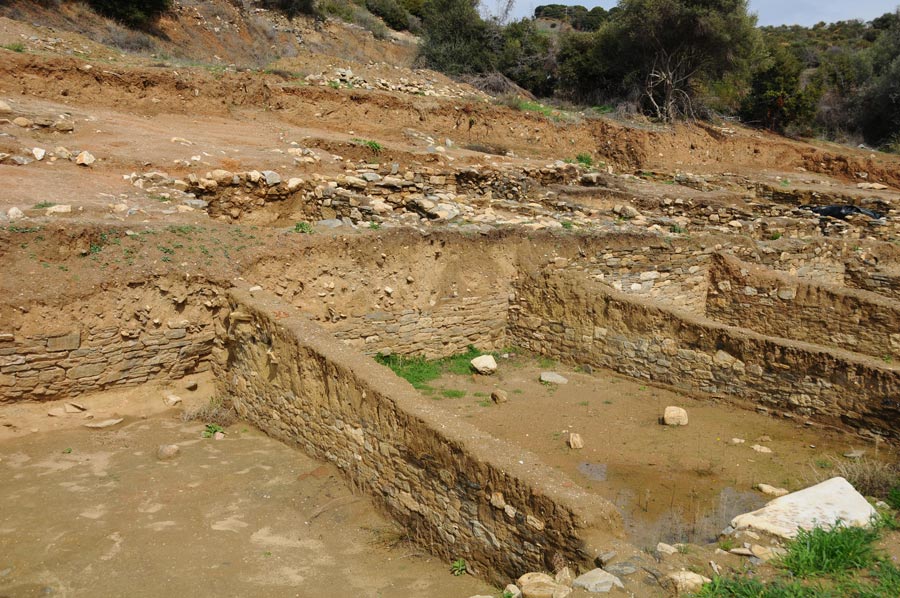 From Neapolis, the Thasians advanced via the Stena Sapaion a narrow pass between the Symvolon and Lekanis ranges to reach the vast, fertile plain of the later city of Philippi, situated between Mount Pangaion and the Lekanis mountains. They also appear to have penetrated the territory of modern-day Eleftheroupoli. At the far western end, the boundary of the Thasian “Peraia” ran along the western foothills of the Symvolon range, extending right up to the walls of Phrages, a settlement of the Thracian Pierians. The Nestos River and its delta can be considered the established eastern boundary. However, the settlement of Stryme lay detached from the core Peraia territory, located about eleven kilometres along the coast east of the Nestos Delta. To the north, the boundaries claimed by the colonizers remain a matter of uncertainty.
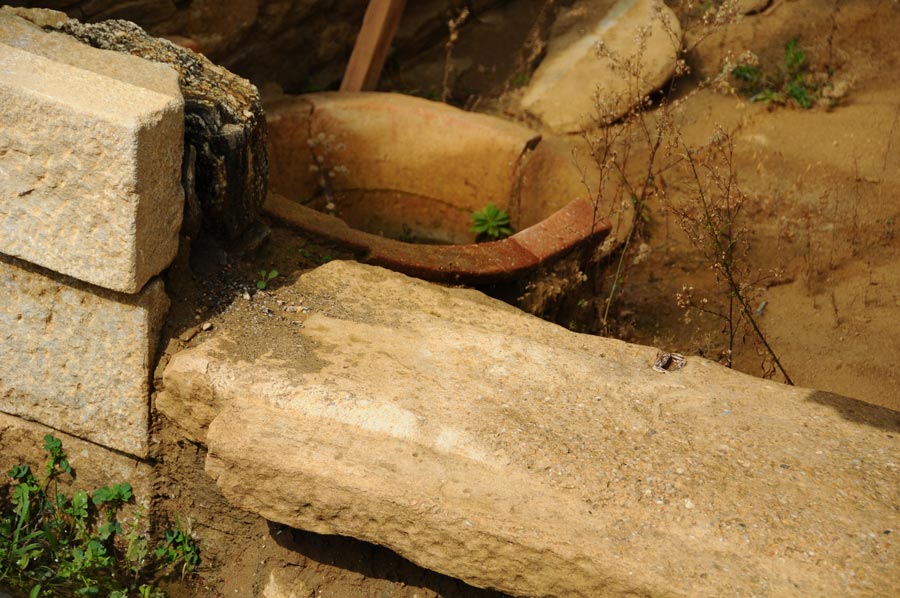 From Neapolis, Nea Karvali, and Pistyros, the Thasians pushed northward along river valleys into the mountainous regions of the Symvolon and, above all, the Lekanis range. The objective was to take over the mines and smelting facilities already opened and operated there by the Thracians, to develop further potential precious-metal deposits, and to secure access routes. However, due to the extremely hostile Thracian population who put up fierce resistance, as reported by Archilochus, a personal participant in the initial colonization attempt the Thasians appear not to have succeeded in settling the Mamaras Valley, located between the Symvolon and Pangaion ranges. Neither in the time of Herodotus (491–490 BC) nor later in the 4th century were they strong enough to penetrate the rugged, impenetrable highlands of Mount Pangaion and establish a foothold there. Even Xerxes bypassed the Pangaion range with its gold and silver mines an area inhabited by the Pieres and Odomanti, but primarily by the Satrae.
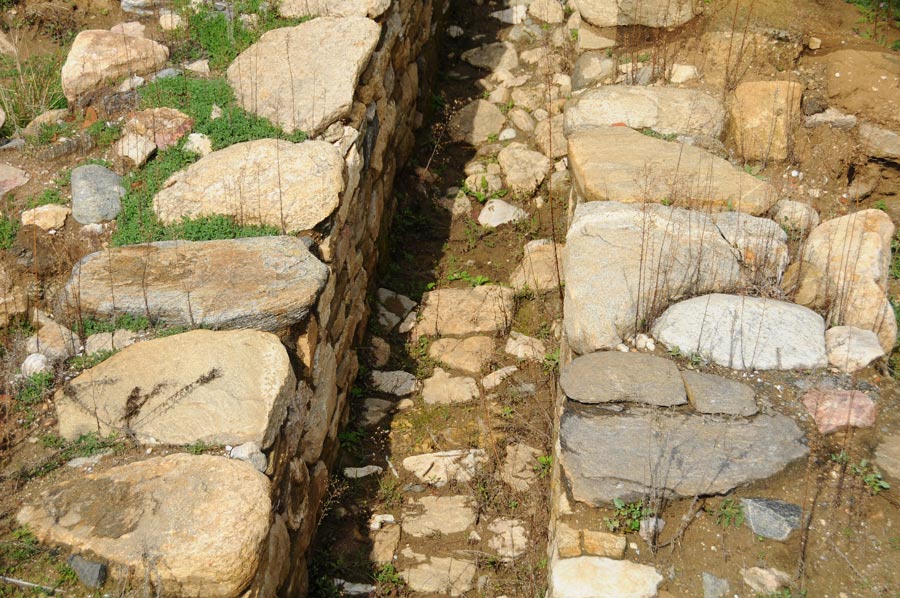 The era of economic prosperity under Thasian colonial rule began in the late 6th century BC and lasted until approximately 463 BC, when the Thasians first lost their mines and settlements in the Peraia following their withdrawal from the First Athenian League. The Athenians controlled these possessions until 447/6 BC. In 411 BC, the Spartans captured the Thasian coastal settlements, and in 410 BC, they took the island of Thasos itself. Only Neapolis successfully defended itself; it remained loyal to Athens and declared its independence in 411 BC effectively breaking away from its mother city, Thasos while retaining its landholdings and mining operations in the northern hinterland. Consequently, Neapolis was subjected to a long but unsuccessful siege by the Thasians. The Athenian Thrasybulus defeated the Thasian fleet in 408/7 BC. The Spartan Lysander recaptured the island in 404 BC. Neapolis continued to side with Athens. It was not until 390 BC after Thasos had once again been conquered by the Athenian Thrasybulus and had joined the Second Athenian League that a peace treaty was concluded between Neapolis and Thasos through the mediation of Paros. This led to a restoration of democracy in both the Peraia and on the island. Until that time, the Thasians had, in all likelihood, no access to the Peraia.
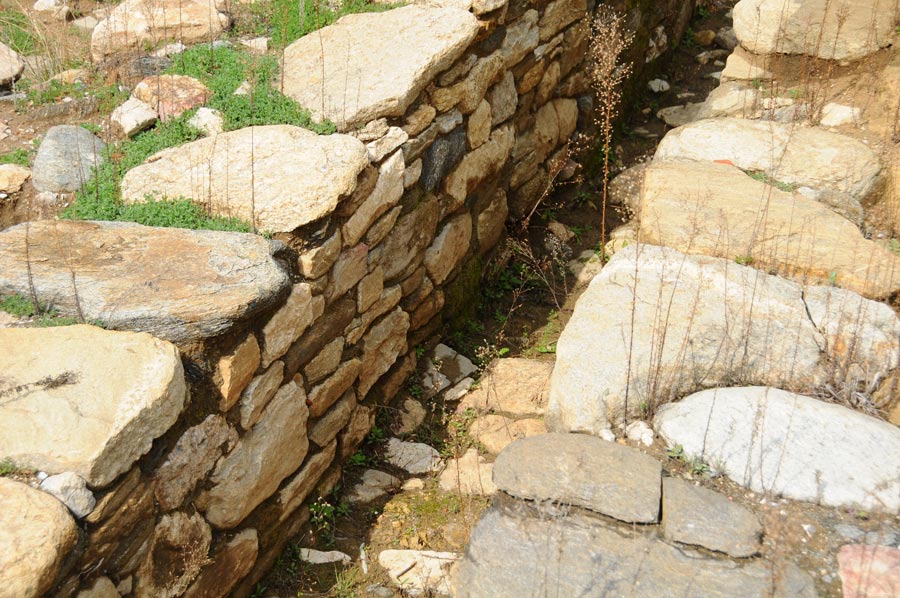 Activities in the Peraia were revitalized, and the mainland territory experienced a new period of flourishing and great prosperity during the 4th and 3rd centuries BC. In 360/59 BC, the Thasians founded the settlement of Krenides (later known as Philippi). The fertile plain surrounding Krenides was of great economic importance to the Peraia. However, the Peraia was eventually occupied by Philip II in 340/39 BC. Thasos retained its mainland territory even under Macedonian and Roman rule, though sometimes within altered and usually more restricted boundaries. Nevertheless, it continued to encompass the area particularly rich in precious metal ores. Under Roman authority, the Thasians were required to maintain the Via Egnatia within the Peraia after Justinian I had secured the road via fortified sites such as Topeiros and the fortress of Neapolis. Trade, agriculture, and mining in the Peraia continued to contribute significantly to the prosperity of the Thasian economy.
Please also read: