Anatolian Leopard Shot Dead in Turkey!
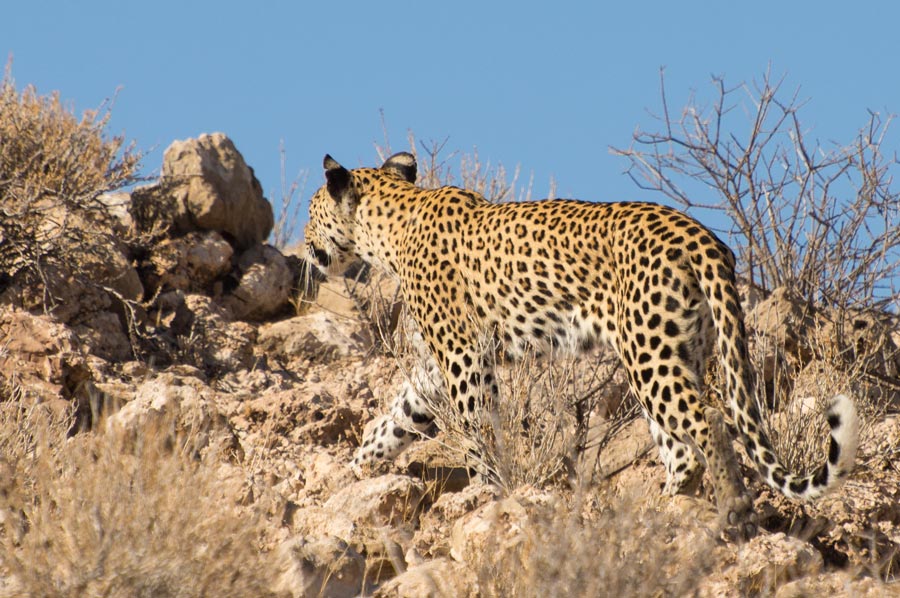
The Anatolian leopard had long been considered extinct across large parts of Turkey; according to local residents, no leopard had been sighted in the southeastern region of Diyarbakir for at least a century.
Yet leopards were once the big cats with the widest global distribution. Highly adaptable, they were capable of thriving in diverse habitats. A leopard had also been killed three years earlier in the southeastern Anatolian city of Siirt. Biologist Kilic from Dicle University in Diyarbakir described the recent sighting as a "miracle" and called for the establishment of a protected zone.
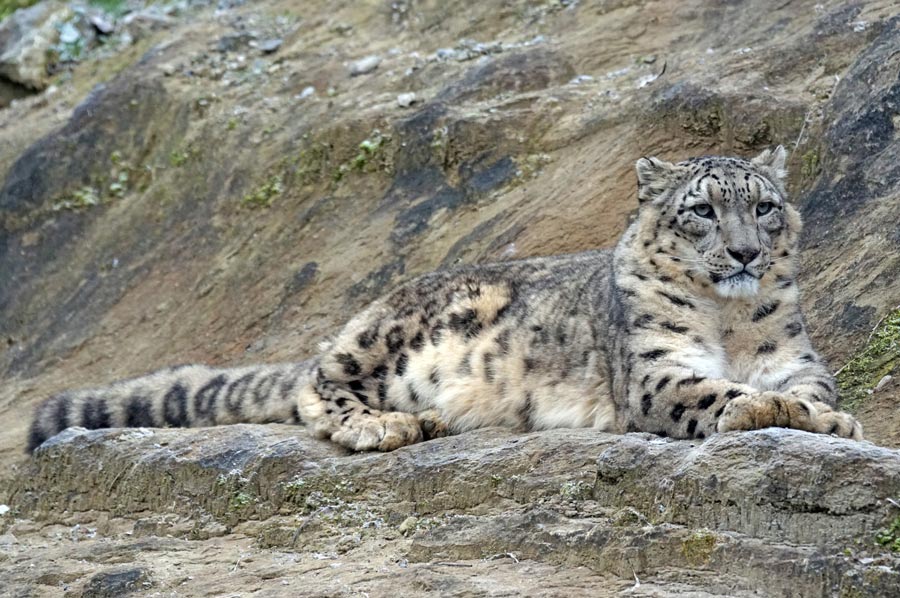 What happened? Shepherd Kasim Kaplan was attacked and injured by one of these rare Anatolian leopards in Diyarbakir province. A relative rushing to his aid subsequently shot the leopard. Kaplan himself was taken to a local hospital with injuries to his hands and feet.
Individual leopard populations differ significantly in body size, dietary habits, and appearance, depending on the habitat they inhabit. Around 27 subspecies are currently known and described, though colour variations can occur even within subspecies. Entirely black animals are particularly striking; these so-called black panthers are most frequently found in humid forest habitats.
President of the Turkish Republic Ismet Inönü: A Pioneer in Leopard Conservation
 The Anatolian leopard was once found along the Aegean coast in western Turkey, but populations were severely depleted by hunting. The pelts of the animals killed were often proudly displayed in public. Hasan Bele, a hunter specializing in killing leopards, reportedly killed 15 of them in Anatolia between 1930 and 1950. Known as "Mantolu Hasan" (Hasan of the Cloak) because he draped the pelts of his kills over his shoulders like capes, his exploits made headlines worldwide and sparked early debates on the subject. Ismet Inönü, then President of the Turkish Republic, awarded Bele a new rifle on the condition that he never use it against leopards again. Following Atatürk’s death on November 10, 1938, his close associate Ismet Inönü became the second President of Turkey. Inönü sought to continue Turkey's modernization and maintain a policy of neutrality in foreign affairs.
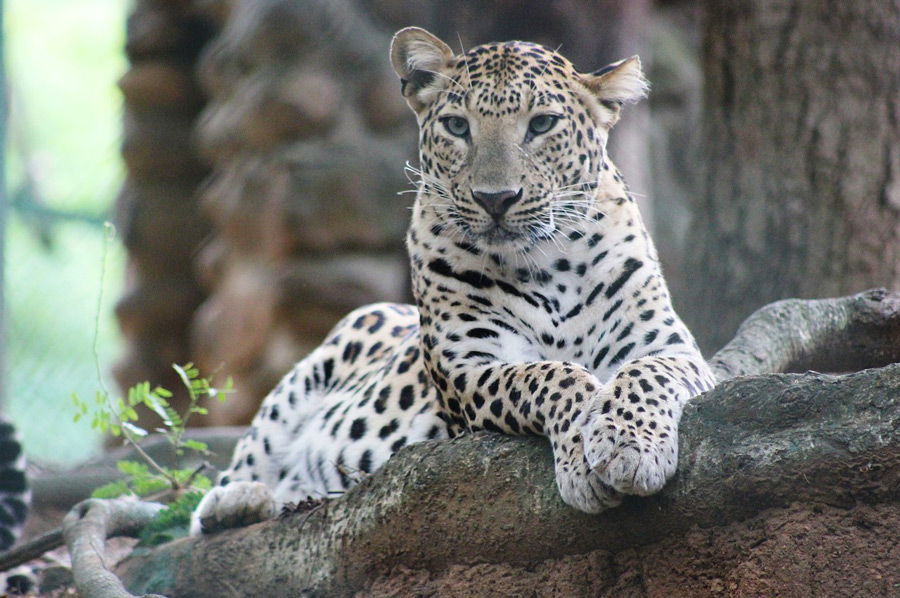 Leopards are exceptionally strong, muscular predators. They generally set out to hunt only in the late afternoon or early evening. Silent stalkers, they are capable of taking down animals far larger than themselves. They often use their great strength to haul their prey up into trees, where they can consume it safely away from competitors. Their diet is diverse, ranging from dung beetles to eland antelopes weighing up to 900 kilograms. Leopards do not turn up their noses at carrion, either.
For a long time, leopard pelts were highly sought after and made into expensive fur garments. According to the IUCN (International Union for Conservation of Nature), approximately 86,000 leopard skins were traded annually between 1976 and 1990. However, thanks to successful trade restrictions and shifts in consumer behaviour, the fur trade no longer poses a threat to the leopard's survival. Today, the primary threats are habitat destruction and direct hunting driven by fears of human-leopard conflict. To ensure the survival of the leopard, the WWF also calls for a network of habitat corridors and increased research into leopard population trends and biology.
Relics of leopard trapping in the Taurus Mountains
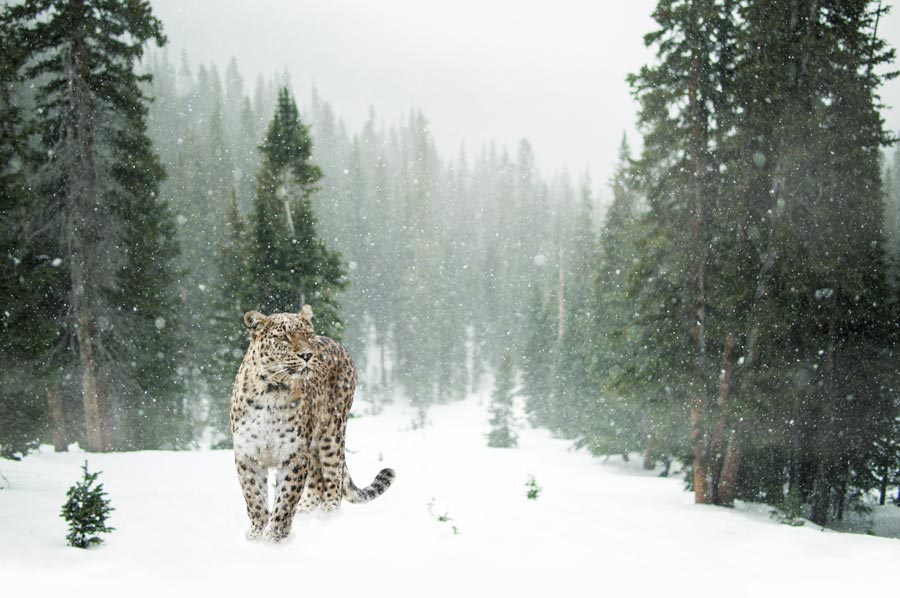 We have frequently reported on the advanced Neolithic culture of Anatolia, where leopards held cult status and were depicted with great artistry in wall reliefs and paintings. Reliefs dating from 7500–5700 BC were notably excavated at the ancient site of Çatalhöyük near Konya. In the Roman Empire, leopards were often captured in live traps to be used in arena combat against gladiators. Remnants of specialized stone traps for leopards can still be found in the Taurus Mountains today. As early as the first century BC, the Roman philosopher and politician Marcus Tullius Cicero documented information regarding leopards in Asia Minor.
In February 1967, a leopard was killed by Ali Calayir near the village of Seben in the Ankara-Bolu region; in January 1969, a farmer in Samandağ (Hatay Province) poisoned a leopard that had killed his donkey. A leopard was shot near Karakale in the Kars region in 1970, after which hardly any further traces of leopards could be found. A leopard had also been sighted in the northeastern Turkish province of Trabzon in September. The last verifiable evidence of the presence of leopards dates back to 1974.
Please also read:
Damlataş Park – A highlight featuring the cave and Cleopatra Beach