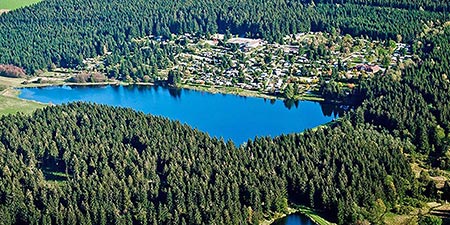
Climbing in the Taurus Mountains near Antalya
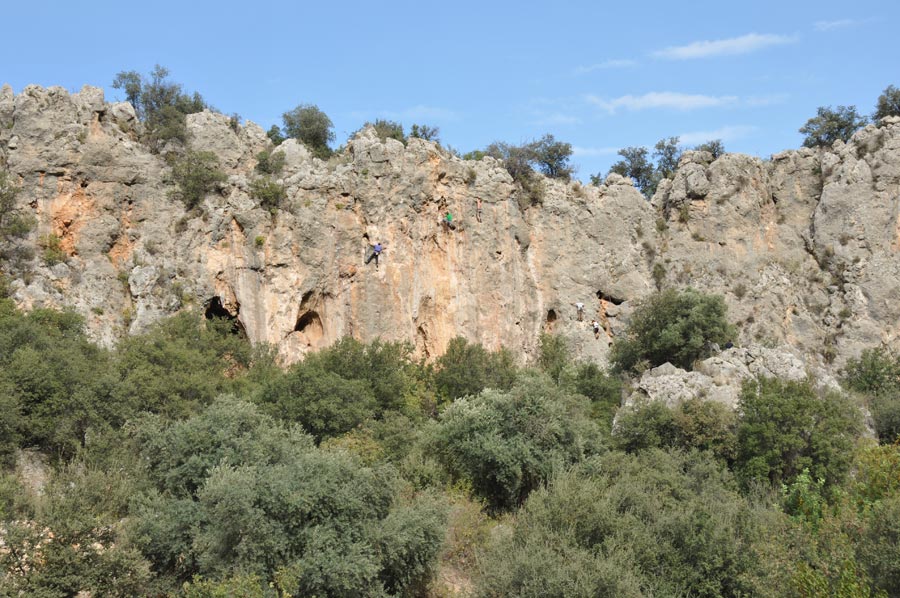
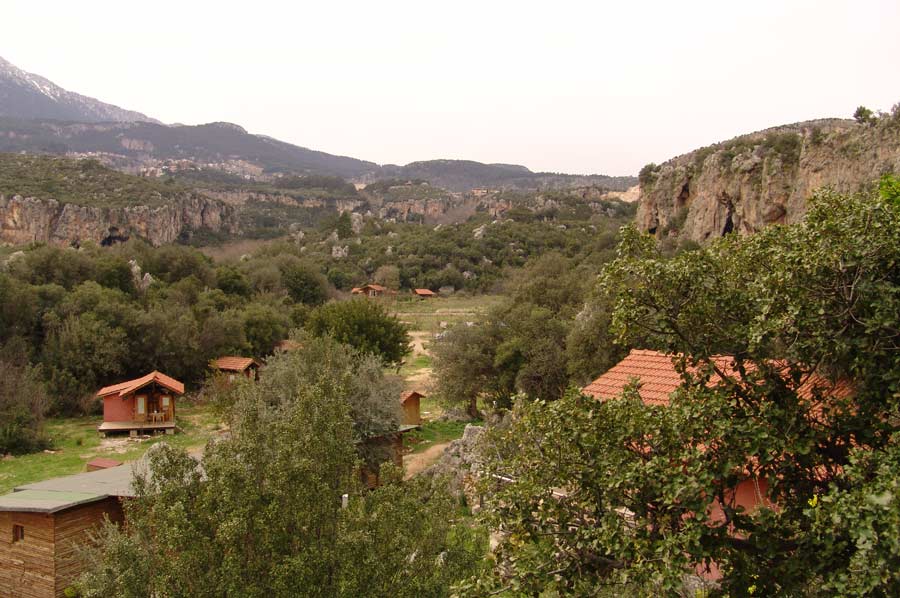
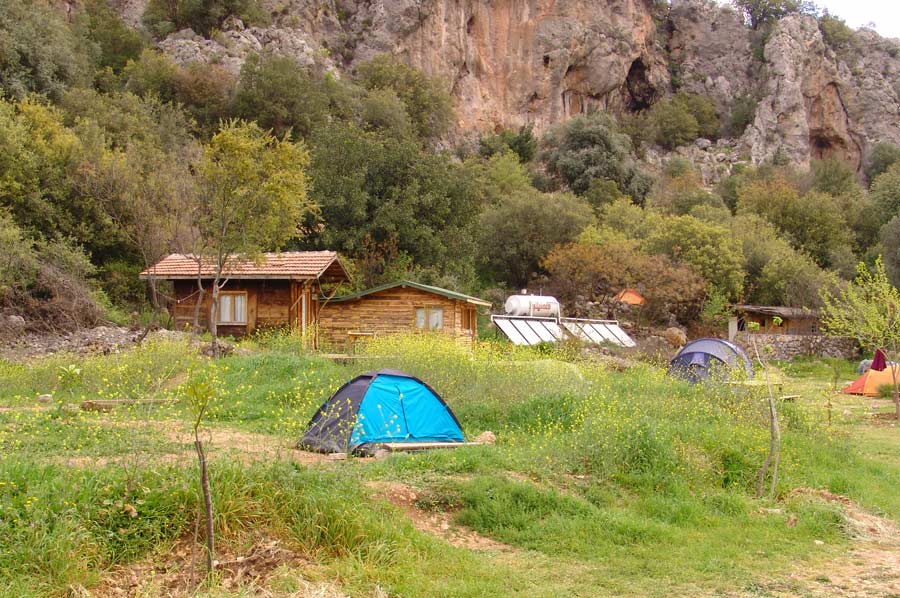
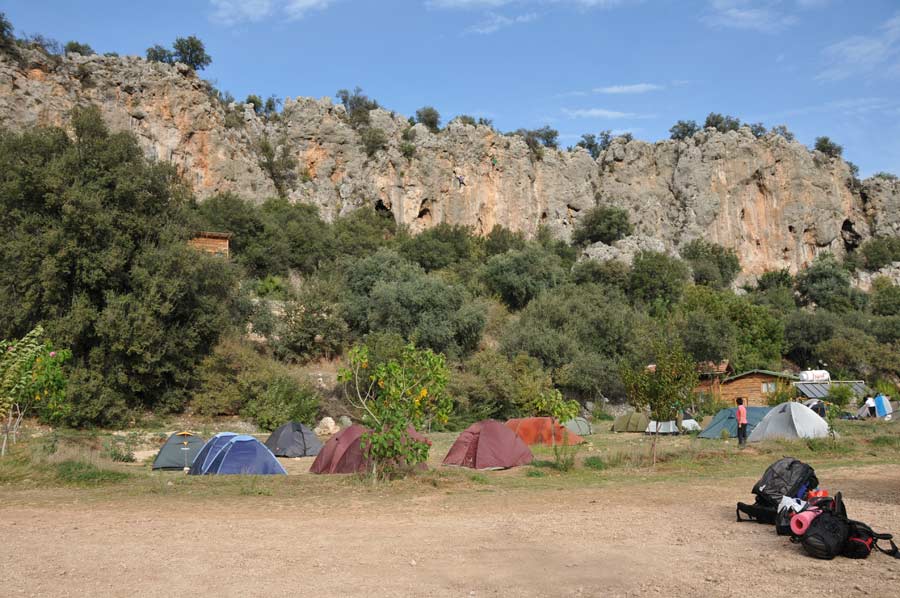
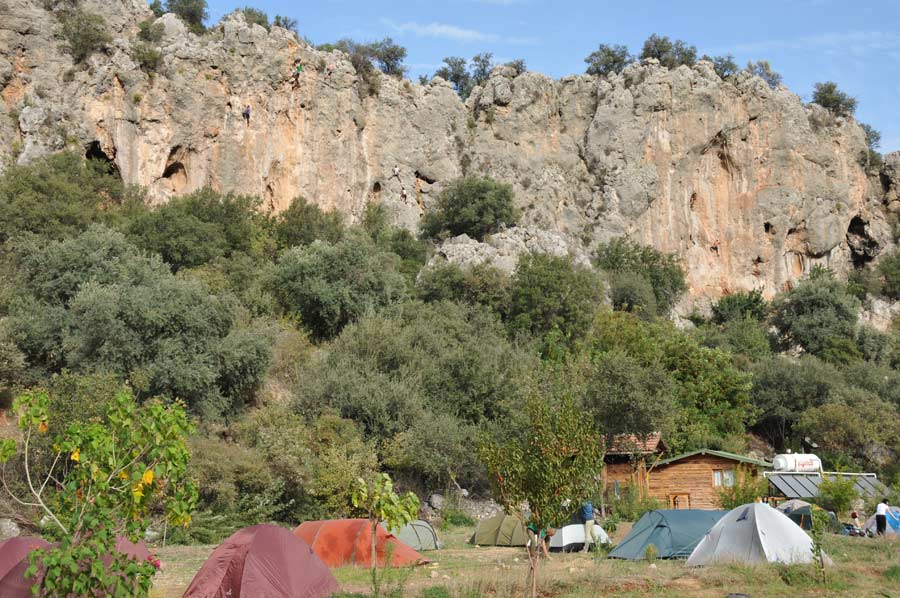
Climbing – During our recent trip from Antalya toward the Saklikent ski resort, we passed a mountaineering camp—featuring a row of log cabins and tents—situated in a lush, forested high valley; it immediately piqued our interest.
Acting on a spur-of-the-moment decision, we stopped for a visit and met Mr. Tobias Hauk, one of the managing directors of Camp Josito. We were quickly drawn into a fascinating conversation about mountaineering.
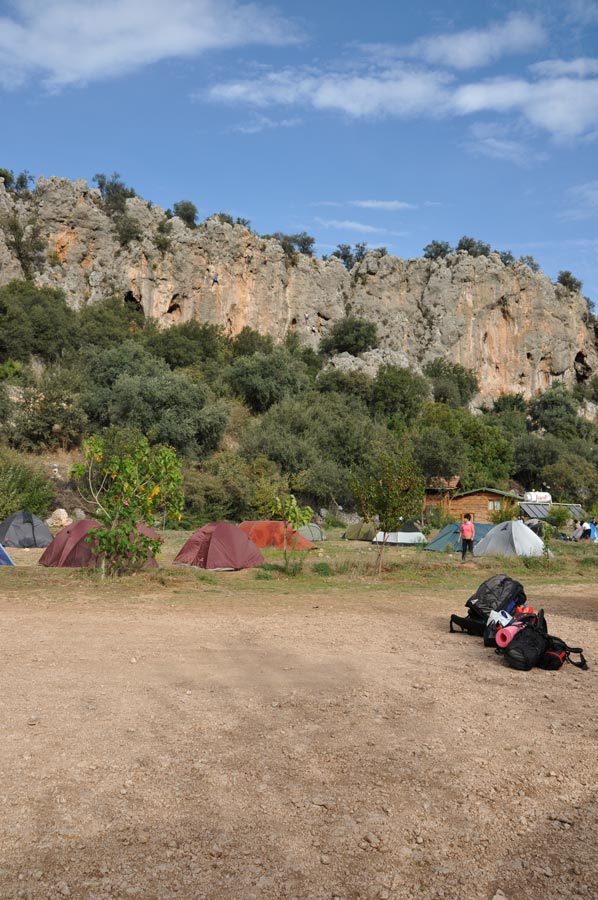 Tobias took the time to explain both the services offered by his camp and the various nuances of this activity—broadly referred to as "climbing"—which is gaining increasing popularity, particularly among Turkish visitors.
According to Tobias, climbing is nowadays practiced primarily as a sport and leisure activity—either on natural rock faces or indoors at climbing gyms—and takes on a variety of forms. Most often, this involves ascending specific, pre-established routes on natural rock.
Typically, the climber is safeguarded against falling by a climbing partner using a mountaineering rope. It is, therefore, an ideal sport for couples, as differences in body weight play a negligible role in the belaying process.
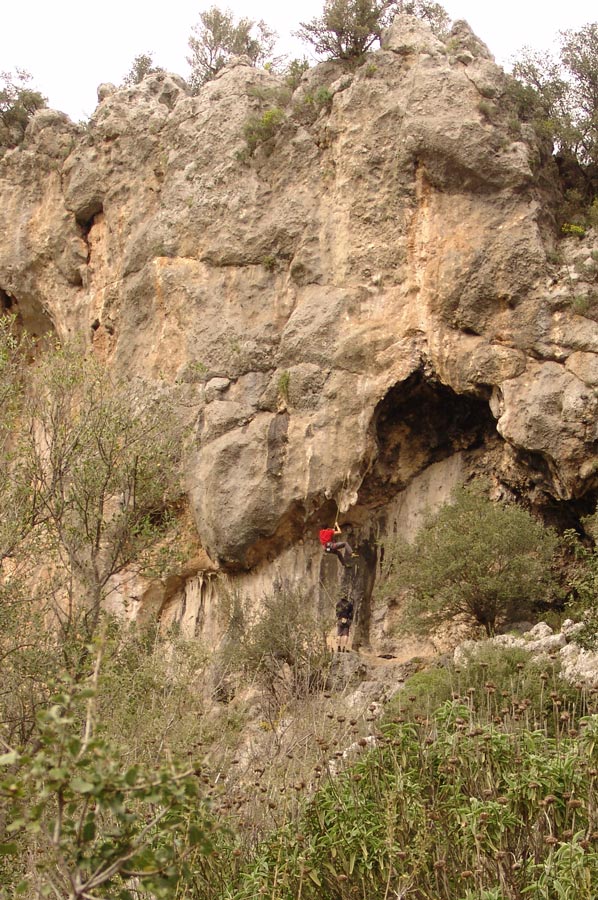 Sport climbing is a specific discipline of free climbing in which the athletic aspect takes center stage. Sportive routes are typically equipped with numerous permanently fixed anchor points designed to minimize the risk of injury in the event of a fall.
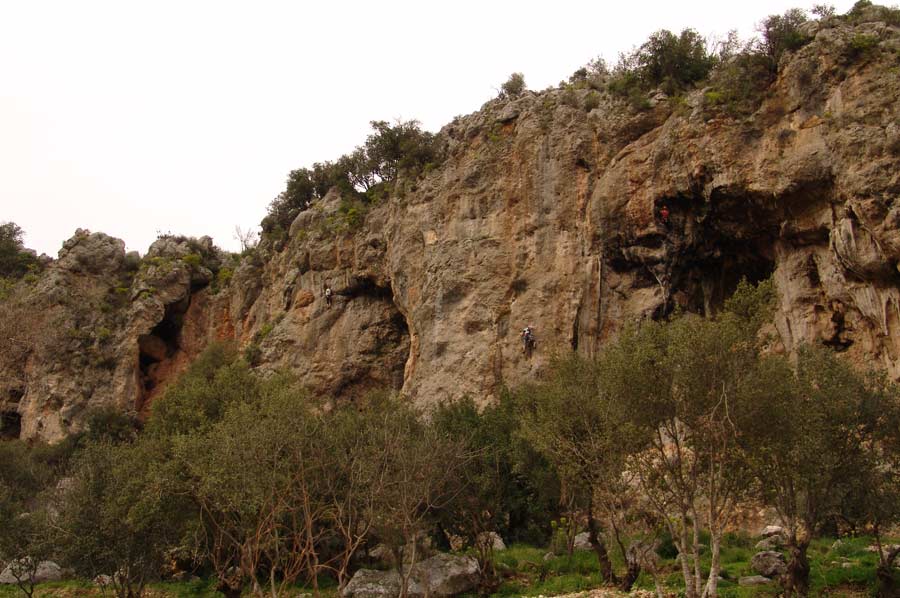
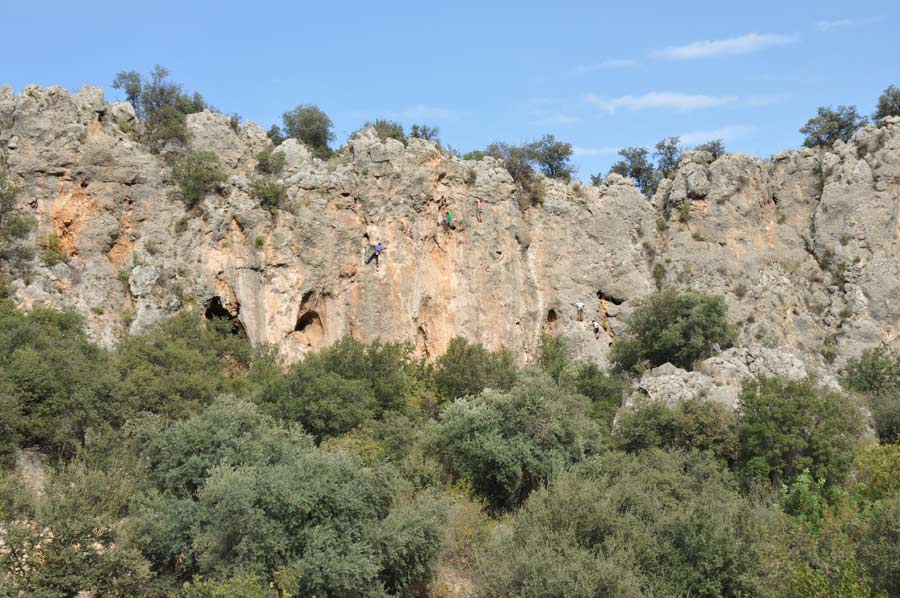
Sport climbing is practiced both on artificial structures (such as indoor climbing walls) and on natural rock formations—specifically in designated areas known as "climbing gardens."
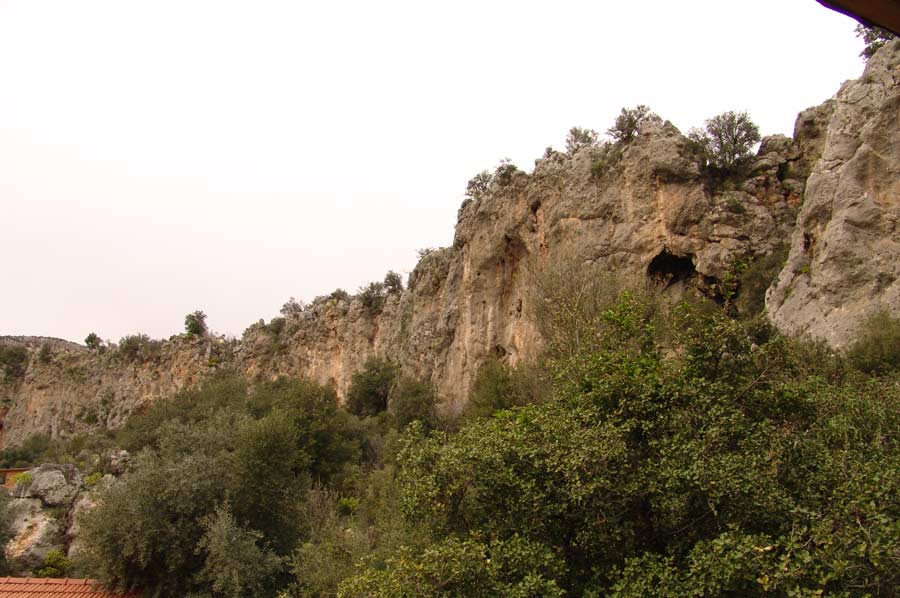
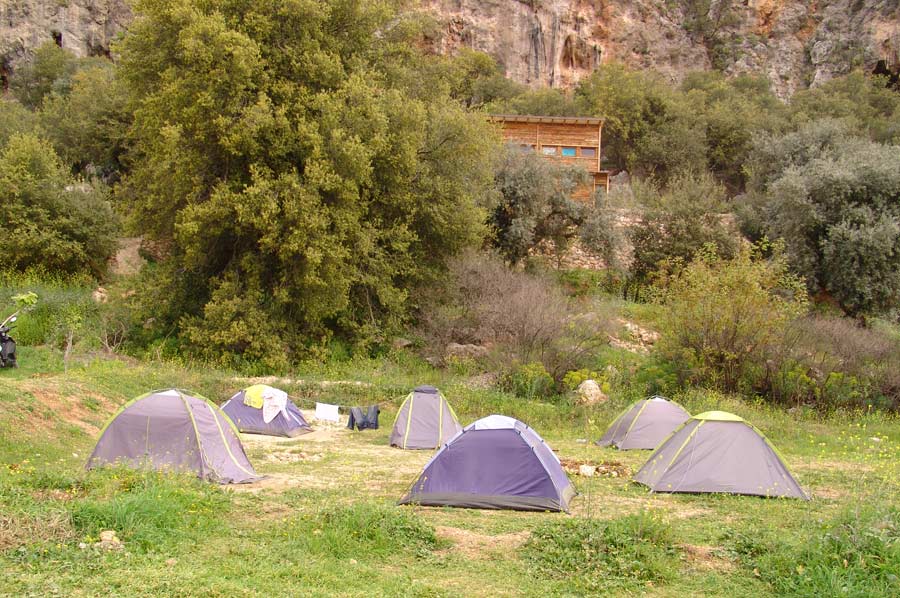
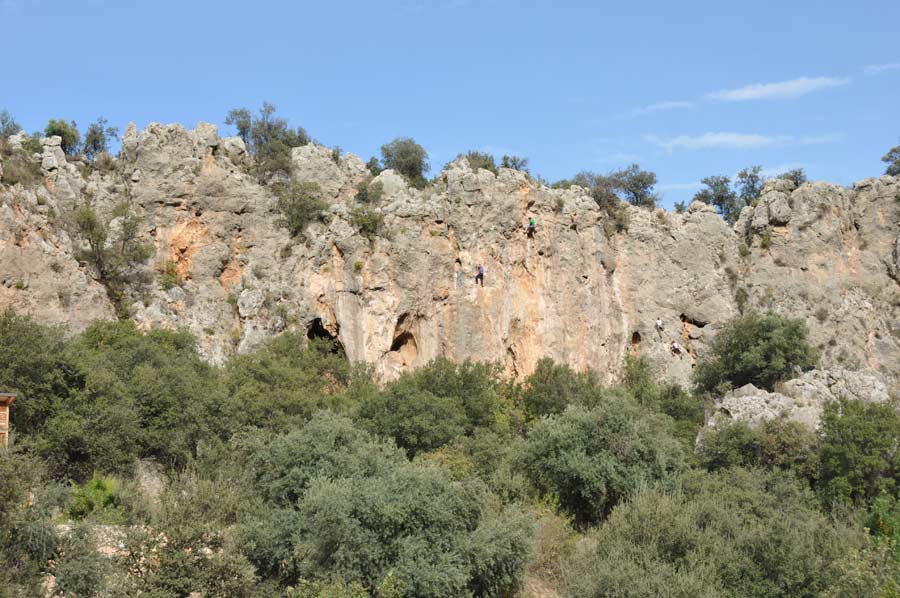
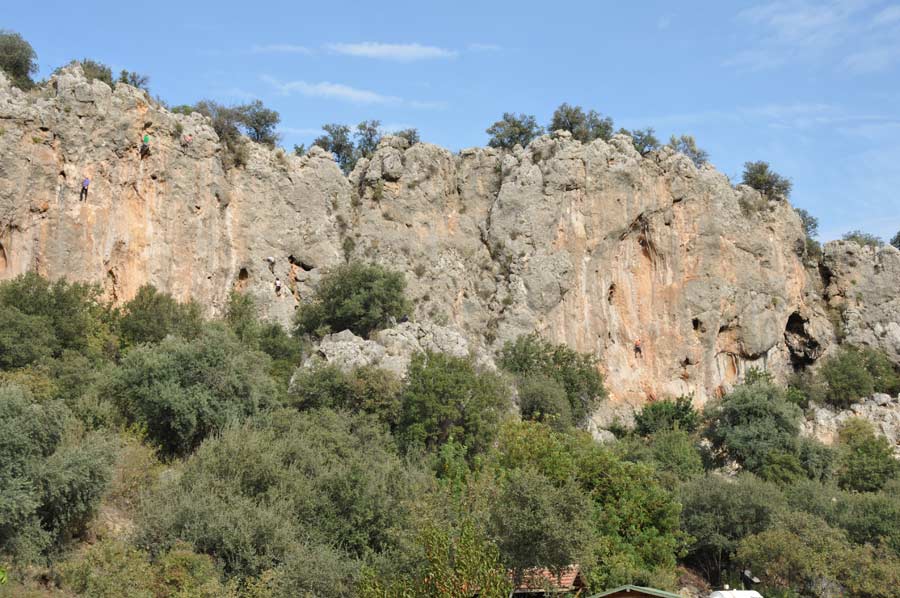
The camp near Antalya offers these types of outdoor climbing experiences, providing visitors with the option to camp directly within the climbing area or to rent one of the log cabins for their stay.
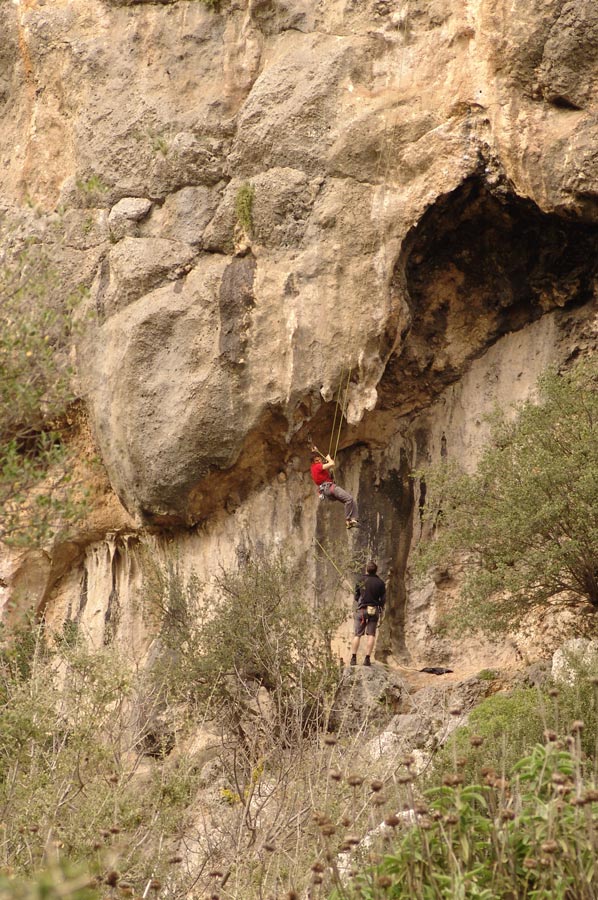 Complete with a small restaurant featuring a rustic, natural-wood design, the facility offers athletically minded climbers a unique experience—one that is, in all likelihood, currently unrivaled anywhere else in Turkey. Given the multilingual atmosphere and the caliber of the visitors, it quickly became clear to us that one encounters people from every continent on Earth here.
The camp is particularly busy during the winter months, as the winter sun provides a pleasant bonus to the climbing experience. Featuring 600 different climbing routes—all described in a dedicated guidebook—the camp offers difficulty levels suitable for every climber, whether beginner or expert.
In free climbing, only the rock face and one's own body may be used for upward movement.
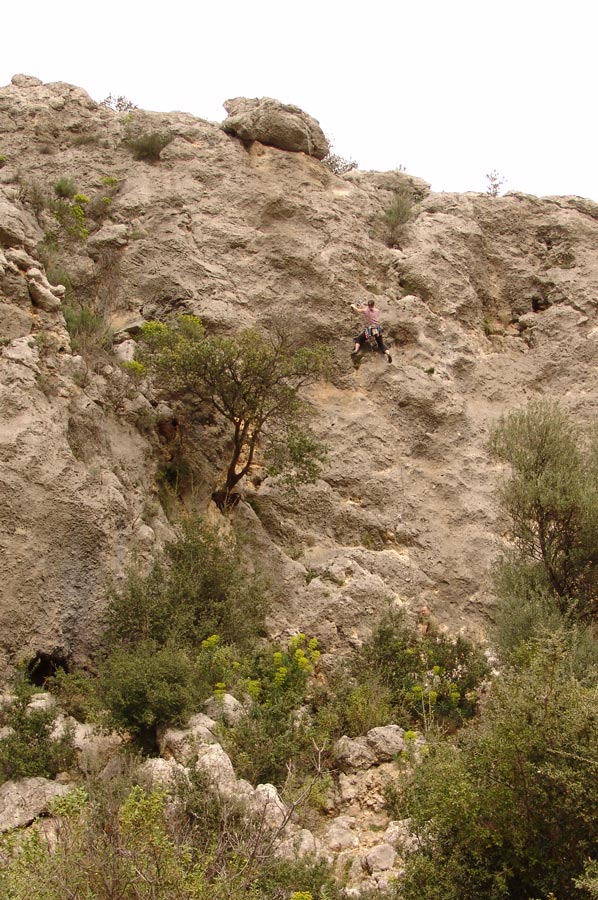 Ropes and technical aids serve solely as protection against falls (thus, the term does not refer to climbing without protection—an activity known in this context as "free soloing"). This style of climbing has been practiced in Saxon Switzerland since the late 19th century and has been maintained there ever since.
From there, it was "exported" to the USA by the German-American climber Fritz Wiessner.
In Europe, outside of Saxon Switzerland, free climbing fell by the wayside with the rise of technical climbing; it was only rediscovered in the 1970s and 80s by Western European climbers who had observed the practice in Saxon Switzerland and the USA. Today, it is the most popular form of climbing.
Climbing is a mode of locomotion that humans have utilized since time immemorial. Throughout history, people have ascended rock faces—whether for cultural reasons (e.g., as a religious site) or for practical purposes, such as keeping a lookout for game or enemies.
 For instance, pottery shards discovered on the Rabenfels in Franconian Switzerland provide evidence that this rock formation was climbed between 800 and 400 BC.
Even back then, the inhabitants were already tackling climbs of the third difficulty level. During the Middle Ages, rock formations took on increasing strategic importance.
Thus, exposed rock faces were utilized as lookout posts to guard against enemies or as signal towers to relay messages.
With the ascent of increasingly inaccessible peaks starting around 1800, mountaineers found themselves needing to climb more frequently—specifically to surmount ridges and rock steps—though this was typically accomplished using technical aids.
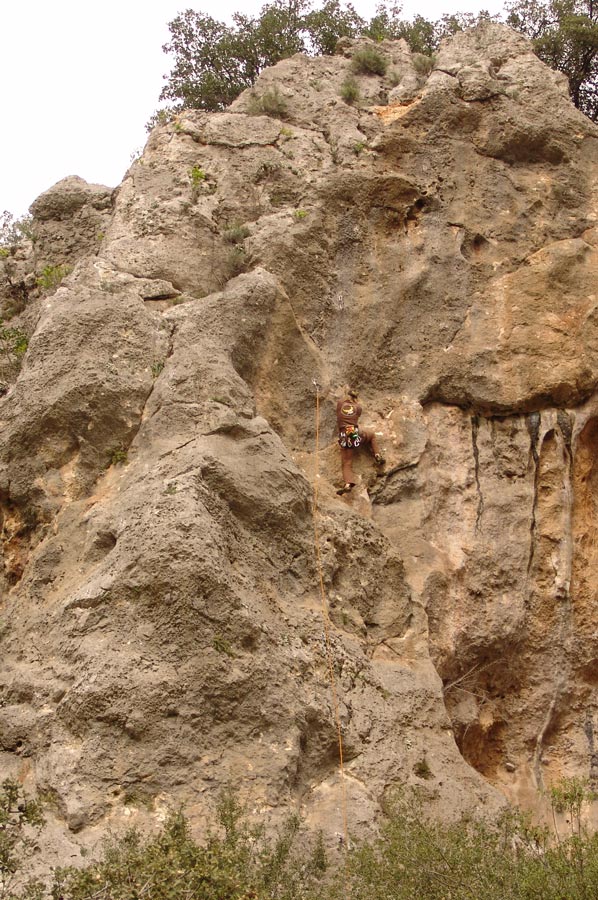 The ascent of the Falkenstein peak in Saxon Switzerland by a group of gymnasts from Schandau in 1864 is widely regarded as the birth of climbing as a sport.
Around 1890, "free climbing" emerged in Saxon Switzerland—a discipline in which climbers strive to completely forgo the use of artificial aids for upward movement.
Driven by an increasing focus on athletic performance, "sport" emerged in the late 1960s and early 1970s—particularly in the USA—culminating in 1975 with Kurt Albert's "Redpoint" philosophy.
For us, this gathering was not only highly educational and enlightening—thanks to the new knowledge and experiences gained in the field of climbing—but also a truly wonderful experience as we watched the climbers scale the sheer faces and overhangs of the magnificent mountain landscape near Antalya from the safety of our coffee table.
It is a destination well worth visiting, even if you prefer to remain a spectator.
Please also read:
The Kursunlu Waterfall just outside Antalya
Ucan 1 and Ucan 2 – Waterfalls near Antalya