


Marubi Museum Shkodra - A Must-See for Photographers
- Written by Portal Editor
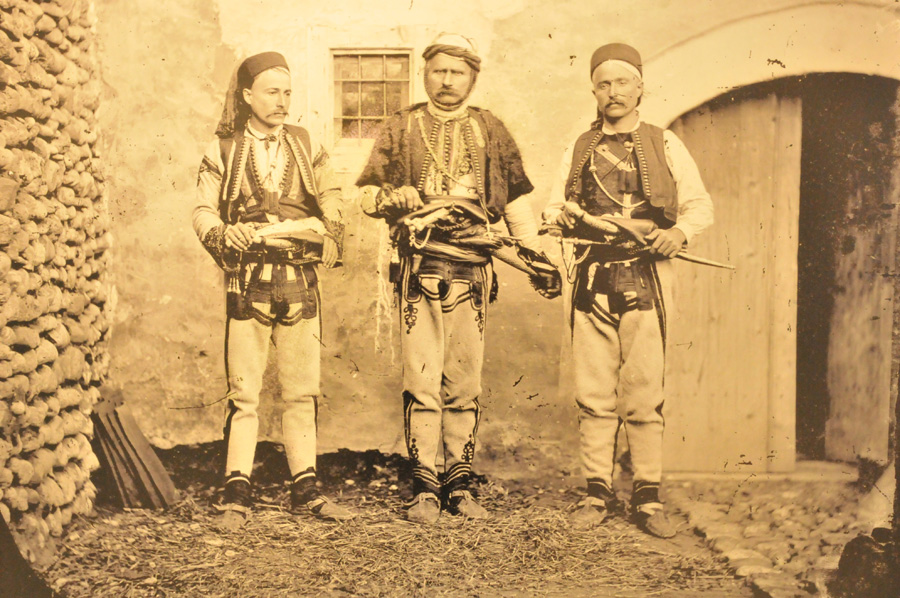
Marubi Museum - We were very surprised when our hosts at the Legjenda campsite in Shkodra led us to an unexpectedly modern photography museum during our evening stroll through the city.
After a brief welcome, the museum director personally invited us into his meeting room and, speaking fluent English, explained the museum's history and the life of Pjetër Marubi, the founding father of the Marubi family, who contributed his work and legacy to this extraordinary museum, which is also ideally located in Shkodra's pedestrian zone.
Marubi Museum - The First Photography Studio in Shkodra
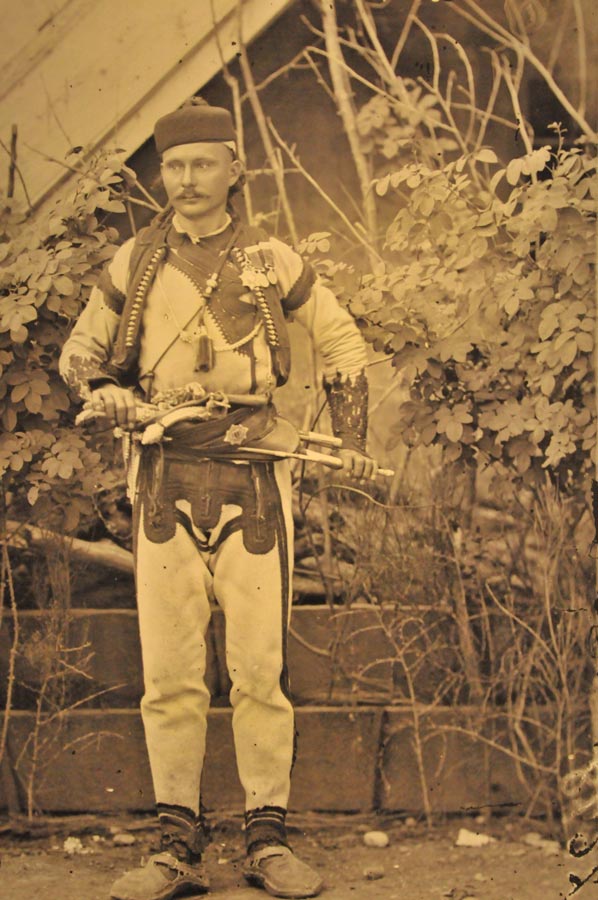 The Marubi family produced the important Albanian photographers Pjetër, Kel, and Gegë Marubi, who ran the photography studio in the northern Albanian city of Shkodra for three generations during the 19th and 20th centuries.
Marubi Museum This photo studio was the very first in Albania, established in 1856, when Pjetër Marubi settled in Shkodra and worked as an architect, painter, and sculptor, among other things.
In 1858, he took the first photograph ever taken in Albania: A portrait of Hamze Kazazi, an insurgent during the Albanian national question.
Dritëshkronja Marubi - Images in the Exhibition
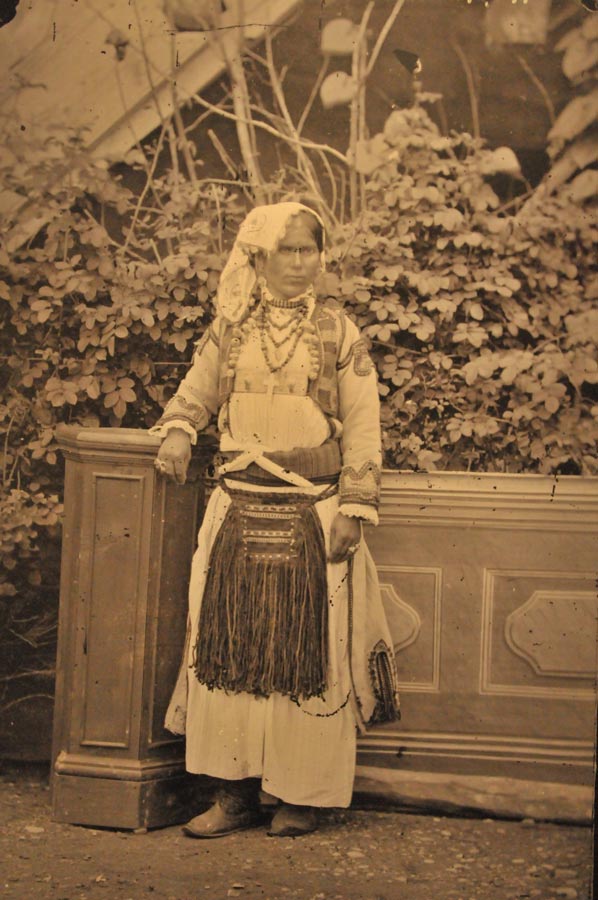 Pjetër Marubi, born Pietro Marubbi in Piacenza in 1834, was forced to leave his Austrian-occupied homeland for political reasons as a supporter of Giuseppe Garibaldi. After attempting to assassinate the mayor of Piacenza, he fled to Corfu and later to Vlora.
He founded Albania's first photo studio, which he called Dritëshkronja Marubi, or Marubi's Light Writing. Pjetër Marubi captured political events in the western part of the Ottoman Empire on film through his studio and field work, including the Mirdita Uprising (1876/77) and the League of Prizren (1878).
He is thus considered one of the few contemporary witnesses who used photography to document real events as early as 1870.
Many of these photographs are on display at the Marubi Museum.
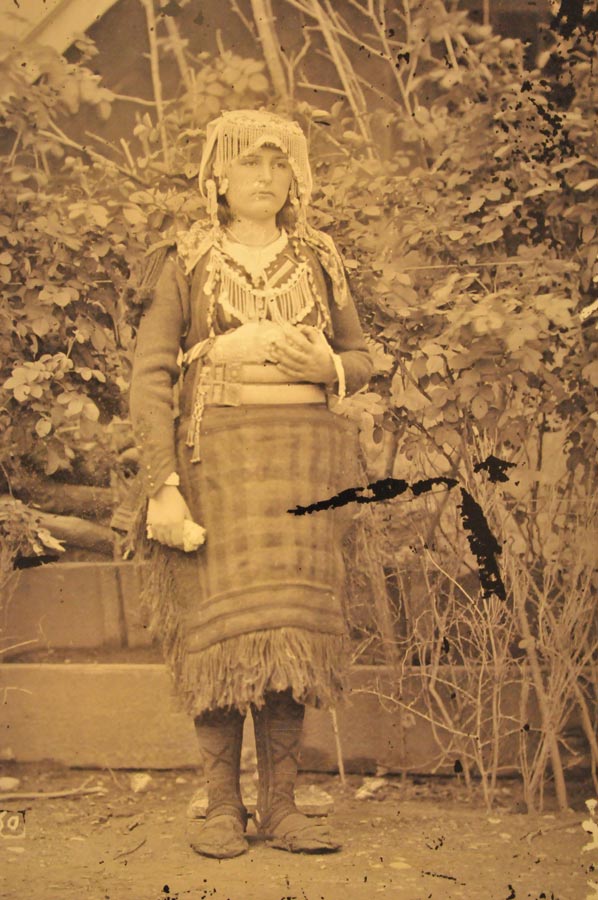 In 1885, 15-year-old Kel Marubi, one of Pjetër Marubi's two adopted sons, began working as an assistant in Pjetër's studio. He replaced his adopted brother Mat, who had held the position until his early death. The two sons of Pjetër Marubi's gardener, Rrok Kodheli, had previously completed an apprenticeship in Trieste.
The childless couple Maria and Pjetër Marubi later formally adopted Kel and bequeathed him the photography studio. Kel Marubi was an Albanian patriot and, as such, active in the Albanian National Revival movement. He co-founded the society "The Albanian Language" and was the editor of the newspaper "Zëri i Shkodrës" (The Voice of Shkodra). The Marubi Museum also offers extensive information on this.
From an artistic perspective, Kel far surpassed the legacy of his teacher and adoptive father. His depictions of northern Albanian society made a significant contribution to the photographic collection, some of which is now on display in the museum. He photographed prominent figures from northern Albania and the leaders of the Albanian state, as well as ordinary mountain villagers and even the sometimes veiled women of the city. Kel's photographs of everyday urban life show businesspeople in their shops, as well as market activity and urban beggars.
Gegë Marubi photographed important events
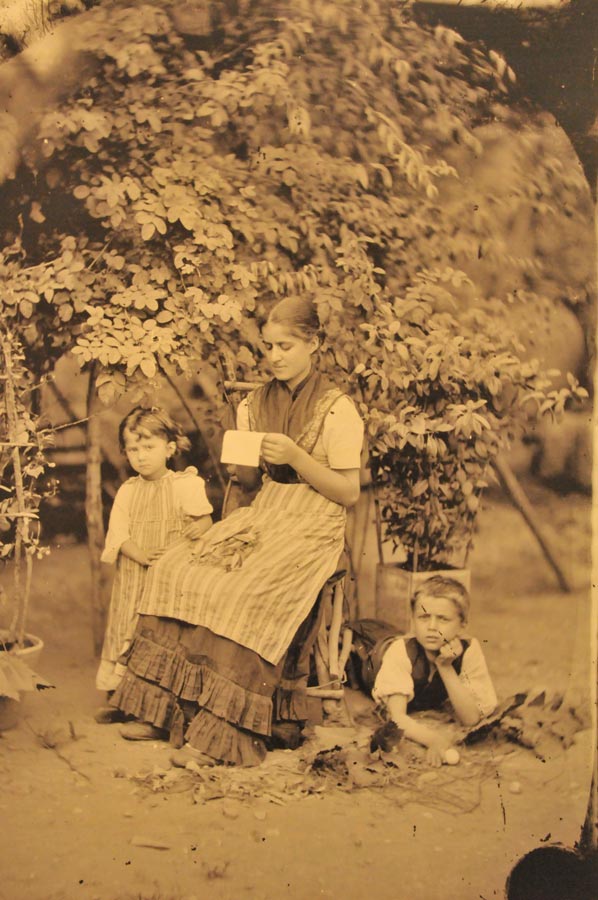 Even in his landscape photographs, people always seem to be the focus. He documented every historical event of the time in Albania, from the arrival of Prince Wilhelm of Wied to the wedding of King Zog I. In 1910, Nikola of Montenegro commissioned him to photograph the celebrations marking his accession to the throne.
Kel had six children. His four daughters helped in the studio, and his son Rrok was trained in retouching. His son Gegë Marubi followed in his father's footsteps and also became a photographer. He was sent to Lyon to study at the Lumière brothers' school. He received several awards for his work. Unlike his two predecessors, he also took many landscape photographs without focusing on people and experimented with celluloid film, but again, he also photographed important events.
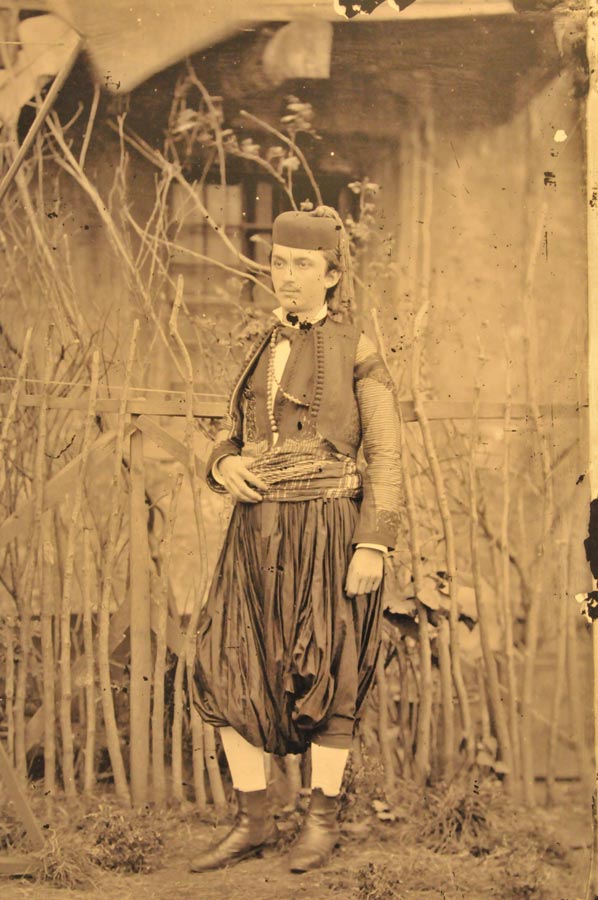 After the communists seized power in 1944 following World War II, the business closed in 1946, and Gegë ended his career as a photographer in 1952. Subsequently, he invested considerable time in archiving and preserving the collection. In either 1970, 1974, or 1978, he bequeathed the photographic archive, comprising 150,000 negatives (glass plates), to the Albanian state. His only daughter, Tereza, became an engineer, a factory director, and, in 1990, mayor of Shkodra.
With their work, the members of the Marubi family made a significant contribution to documenting Albanian life during their time, creating unique artistic testimonies to Albanian history through their landscape and everyday photographs. The museum houses excerpts from this unique collection, including many commissioned images depicting Albanians in traditional dress. The three photographers also captured many important political events of the era.
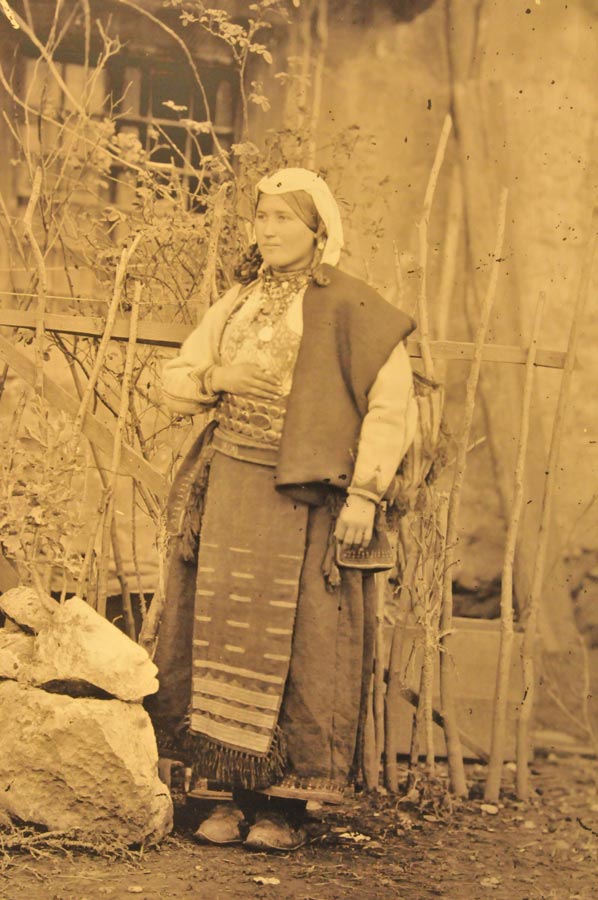 The sheer number of photographs is extraordinarily impressive. The photographs in the Marubi Museum offer a virtually uninterrupted account of the political events and social changes in the city of Shkodra and a large surrounding area extending into central Albania over a period of almost 100 years. They document eventful years as Albania gradually gained independence from the Ottoman Empire and formed its own state. In addition to political leaders and the wealthy upper class, the Marubi photographers also captured the lives of ordinary people.
The Marubi Photo Collection, officially known today as the Marubi Museum of Photography, states: "The Marubi photo collection in Shkodra comprises over 150,000 photographs, many of which are of great historical, artistic, and cultural significance."
Please also read: