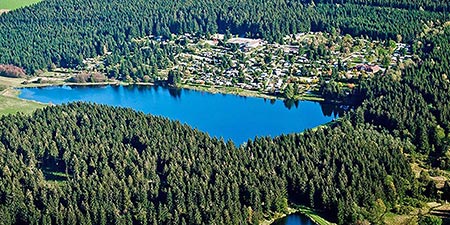
Bochum – "Glück auf" (Good luck!) – off to the visitor mine 1
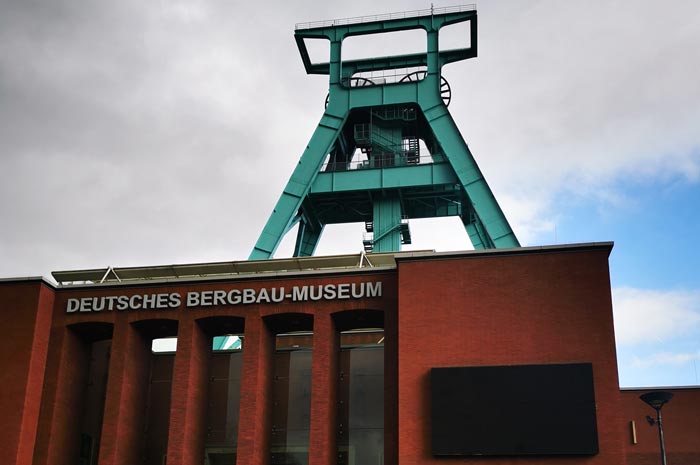
A dreary day in Bochum what’s one to do when it’s raining non-stop? We quickly made up our minds: let’s head to the Bochum Mining Museum, where you spend most of your time underground.
The museum’s origins date back to the 1860s, when the *Westfälische Berggewerkschaftskasse* (WBK) established a permanent exhibition of mining equipment in Bochum, primarily for use in instruction at the neighbouring mining school (now the THGA Bochum).
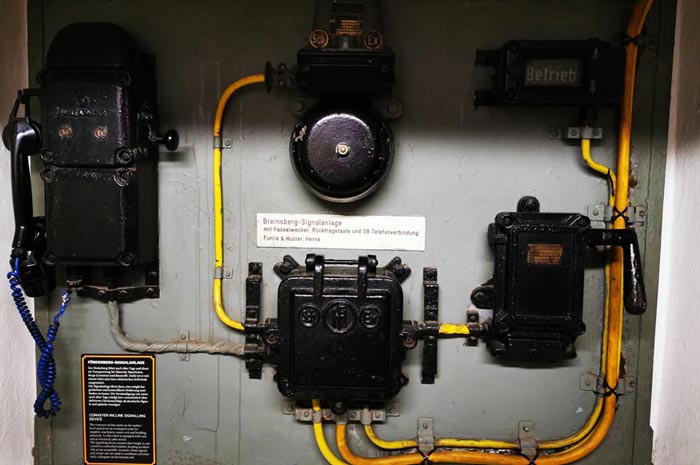
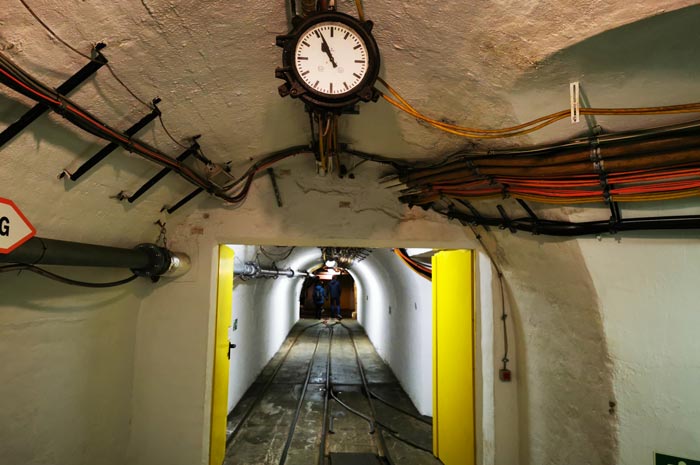
With over 12,000 square meters of surface-level exhibitions and an authentic, full-scale demonstration mine beneath the museum grounds featuring approximately 2.5 kilometres of tunnels (1.2 kilometres of which are open to the public) the site offers visitors a deep dive into the world of mining.
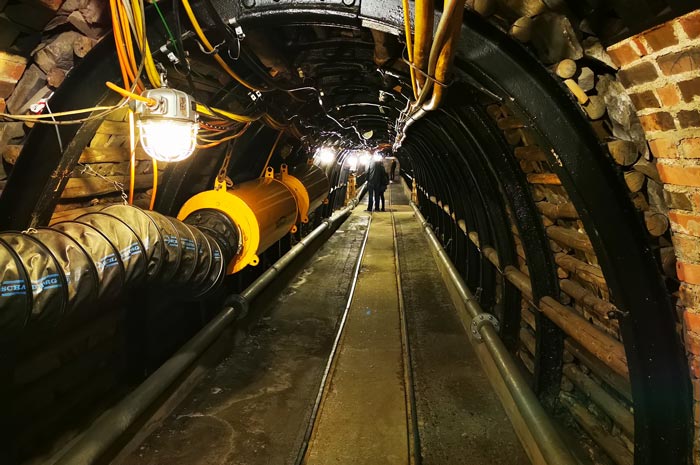
It is no surprise, then, that the German Mining Museum Bochum a Leibniz Research Museum for Geo-resources (DBM) is one of the most-visited museums in Germany today.
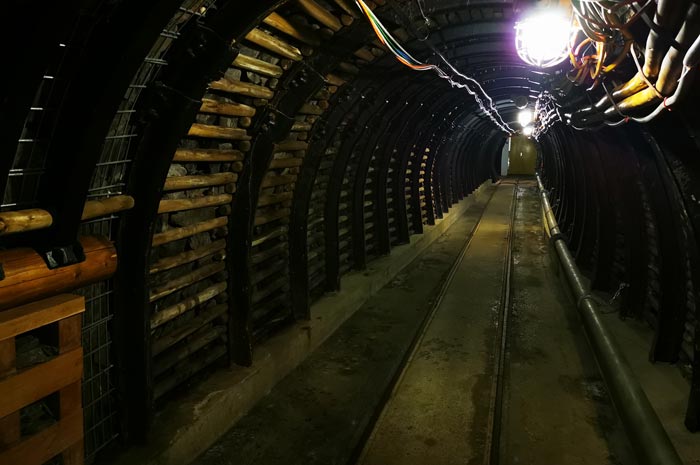
In fact, it is the largest mining museum in the world, serving simultaneously as a research institute for archaeometallurgy and archaeometry, as well as a documentation centre and archive for the history of mining.
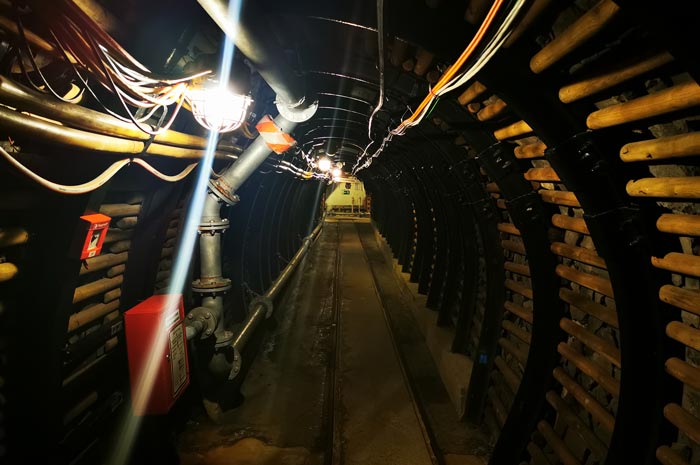
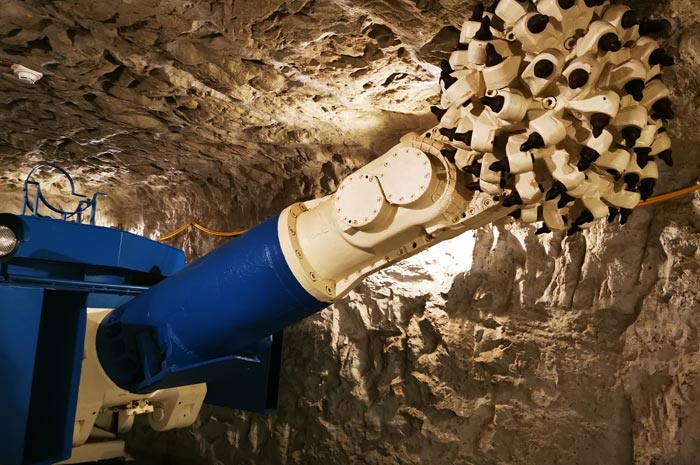
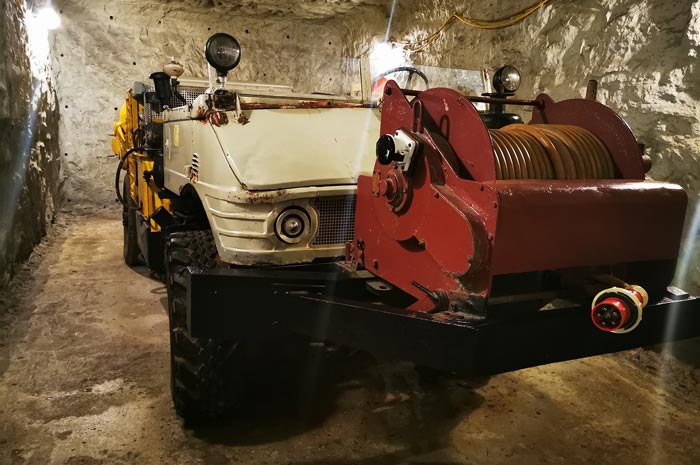
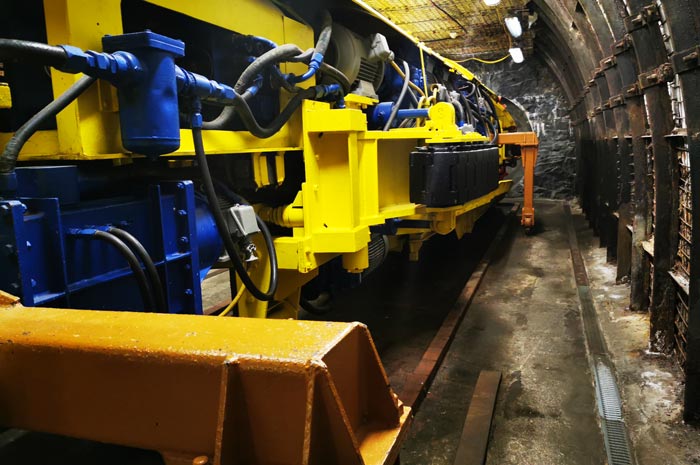
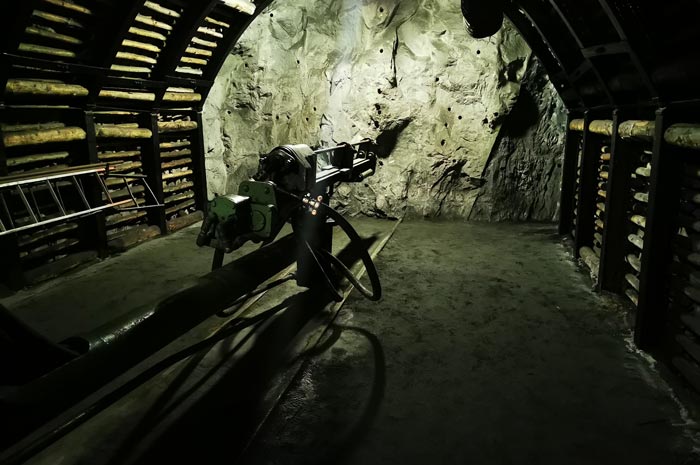
A network of tunnels and coal faces, located about 20 meters underground and spanning roughly 2.5 kilometres, illustrates under near-realistic conditions the processes of excavation and coal extraction, as well as various safety aspects.
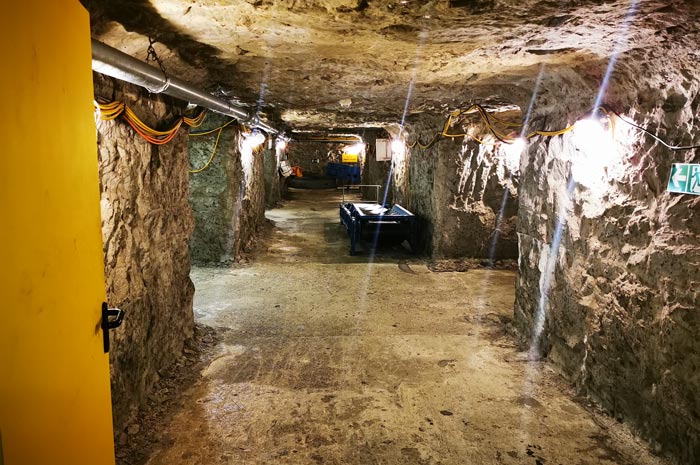
It should be noted, however, that these tunnels were never used for the actual extraction of mineral resources; they were constructed solely for demonstration purposes. As early as the late 1920s, representatives of the WBK (Westphalian Mining Fund) and the city of Bochum began considering the establishment of a publicly accessible mining museum.
The founding agreement for the "Historical Museum of Mining" was signed on April 1, 1930, between the city of Bochum and the WBK. The museum’s first exhibition hall was housed in the former large-livestock slaughtering hall of the decommissioned Bochum municipal slaughterhouse.
In 1935, a new museum building designed by Fritz Schupp and Heinrich Holzapfel was constructed on the slaughterhouse grounds, providing additional exhibition space.
In 1936, an artificial mine was established beneath Hall VI. Sinking work for the construction of this demonstration mine began in June 1937.
In 1943, the museum structures which were not yet fully completed were largely destroyed by Allied air raids. Businesses from Bochum that had been bombed out moved into the remaining ruins to set up makeshift retail spaces.
Due to a shortage of shelters for the general population, the demonstration mine was converted for use as an air-raid shelter. Insights gained during this conversion were incorporated into the nationwide revision of guidelines for the construction of air-raid tunnels.
Continue reading in the second part about the Mining Museum.
Please read as well: