English-Style Landscape Park at Kaartz Manor: Apple Festival
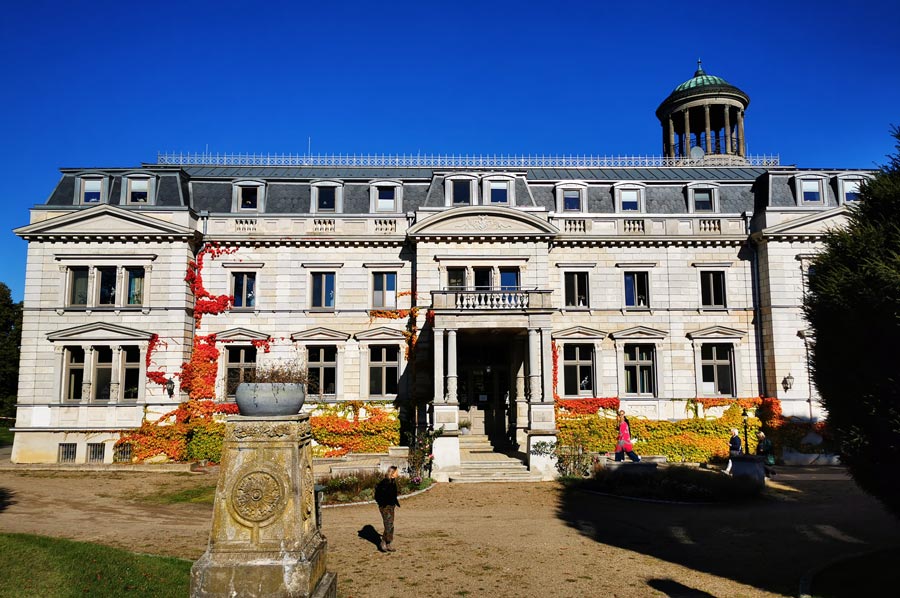
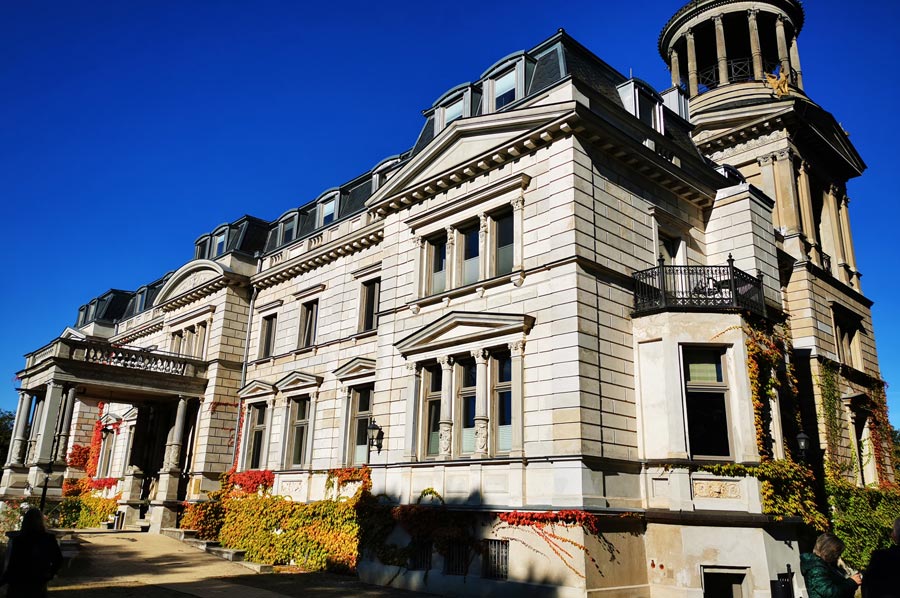
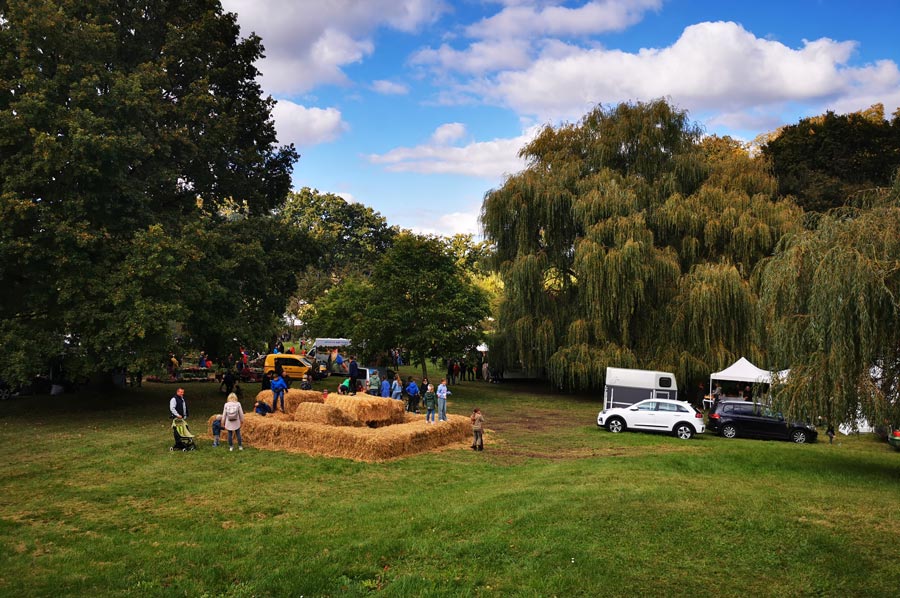
Kaartz Manor Park – While the manor house itself has been converted into a hotel, the largest recurring event held in the park the "Apple Festival" has become a major draw for visitors.
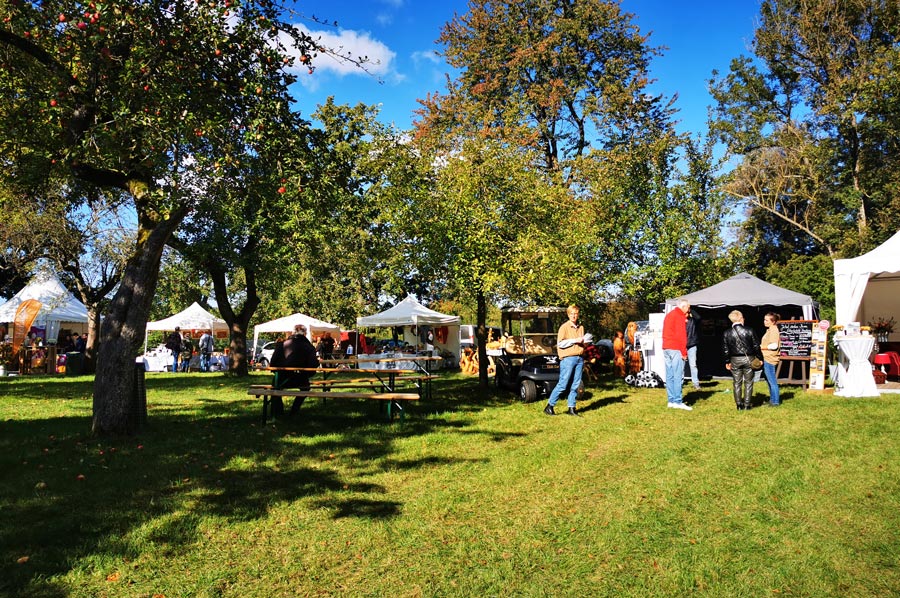
Well-known far beyond the local area, the Apple Festival takes place in the manor’s historic traditional orchard.
The Manor Park – A Site of Historical Significance
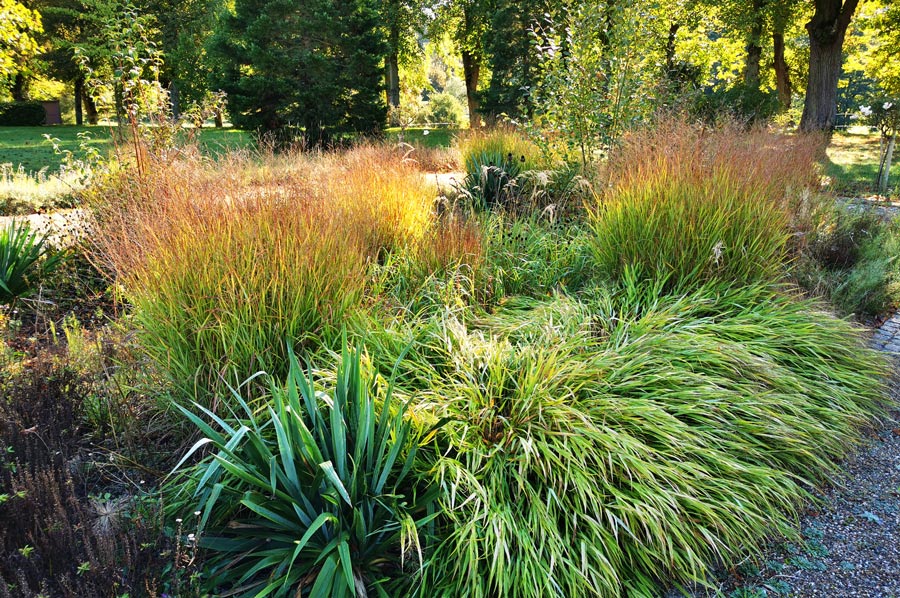
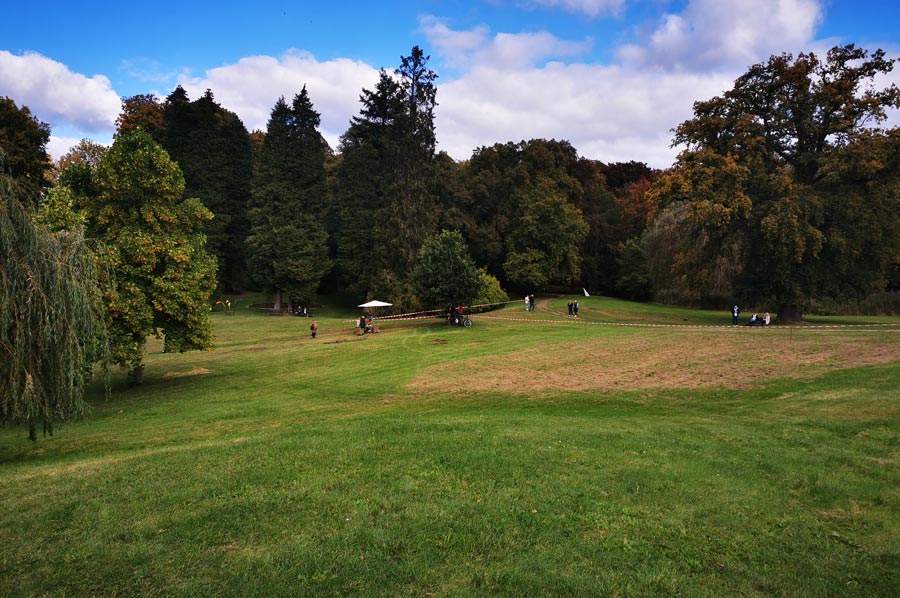 The park at Kaartz Manor was originally laid out as an English-style landscape garden by Carl Ansorge, beginning in 1873. It features a collection of rare trees and plants, including ancient oaks, Douglas firs, and cypresses. The sight of these venerable, centuries-old trees alone makes a visit worthwhile.
Tucked away within the park are the Neo-Gothic chapel of the von Bülow family and the Neo-Renaissance-style mausoleum of the Hüniken family. In the upper section of the park to the left of the road toward Weitendorf there once stood a small, Far Eastern-inspired tea pavilion, which remained until 1946. The entire park was enclosed by a metal fence.
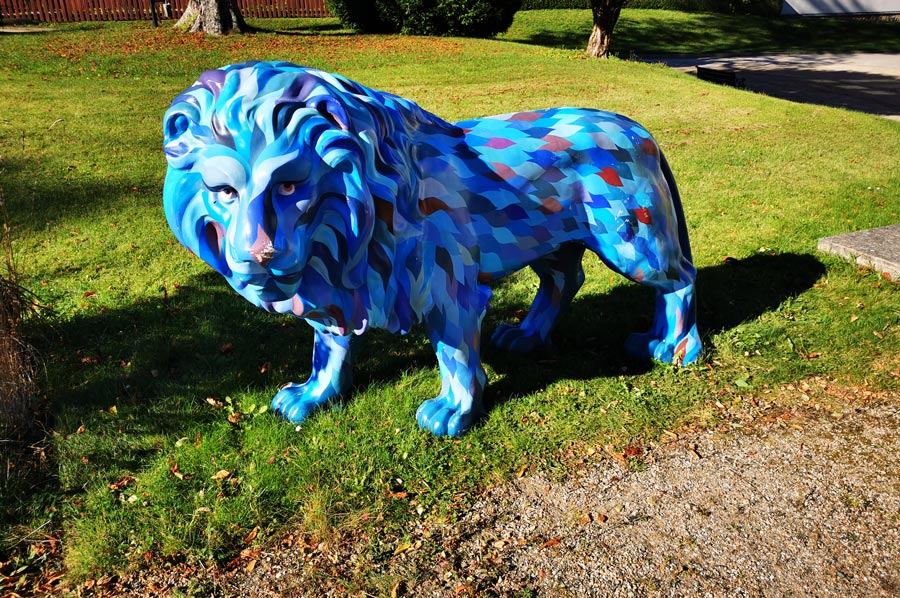
 At the entrances to the grand estate, life-sized animal sculptures stood atop stone pedestals: two large stags at the main approach from the direction of Weitendorf, two lions at the entrance from the manor farm, and two foxes along the path toward Hütthof. The entrances themselves featured elaborately decorated metal gates.
The park is open to visitors, though an admission fee is charged during the Apple Festival. Both the manor and its park are situated right next to the extensive "Kaarzer Holz" forest a local recreation area that is particularly popular with hikers and nature enthusiasts.
Back to the Apple Festival in the Traditional Orchard
 The traditional orchard a form of fruit cultivation found across much of Europe consists of scattered, vigorous, high-stemmed fruit trees with large crowns. These orchards typically contain a mix of ages, species, and varieties, ensuring that the harvest is spread out over as long a period as possible; in fact, fruit could often be gathered well into the winter.
Because their deep, extensive root systems help stabilize the soil on slopes, these trees also play a vital role in preserving the topsoil’s humus layers. Furthermore, the exchange of air between shaded and sunlit areas helps moderate extreme temperatures, while the greater structural diversity serves to reduce wind speeds.
Sadly, the number of such orchards has been in sharp decline across Europe since the 1920s previously, almost every farmhouse would have had one.
 Today, most people prefer to buy their fruit exclusively at the supermarket, even though particularly in eastern Germany there are still entire stretches of road lined with fruit trees. It is a great pity that their produce goes largely unused.
It is also worth noting that it was the Romans who first introduced non-native apples, pears, plums, and sweet cherries as well as walnuts and sweet chestnuts to Central and Northern Europe.
Initially, these fruit varieties, which had already been cultivated in ancient Greece, could only thrive in regions with favourable climates. However, trees grown from the seeds of these pears and apples exhibited varying traits, with some proving capable of growing in harsher environments.
The breeding of more robust and less demanding varieties was frequently carried out by medieval monasteries.
 Varieties were selected for their late-blooming nature and frost resistance traits essential for harsh environments in the mountains or by the sea as well as for their suitability for drying, their long shelf life, their yield, and their flavour. The establishment of orchards and vineyards was encouraged through numerous edicts, and the first large-scale orchards emerged in the vicinity of monasteries.
With their varied growth forms, flowering times, blossom colours, and autumn foliage, these orchards also serve an aesthetic purpose, making them popular destinations for people to visit during their leisure time.
In extensively managed traditional orchards or "meadow orchards" a diverse range of animal life (fauna) completes the biological community (biocoenosis), depending on the specific mix of species, site conditions, and secondary land use (such as grazing, hay production, or cultivation).
These orchards are particularly important habitats for birds and arthropods, including insects and spiders. Such orchards typically feature two distinct "layers": the canopy layer formed by the fruit trees, and a ground layer consisting of grasses, herbs, and occasionally low-growing perennials.
 Because the trees are spaced widely apart and have relatively open canopies, the ground layer receives ample sunlight and remains highly vigorous. Compared to commercial fruit plantations even those where insecticides and herbicides are avoided traditional meadow orchards support a significantly greater diversity of species. This also holds true when comparing them to organically managed low-trunk (dwarf-tree) orchards; the ecology of the latter is, in fact, more similar to that of conventionally or integrated-management plantations than it is to that of traditional meadow orchards.
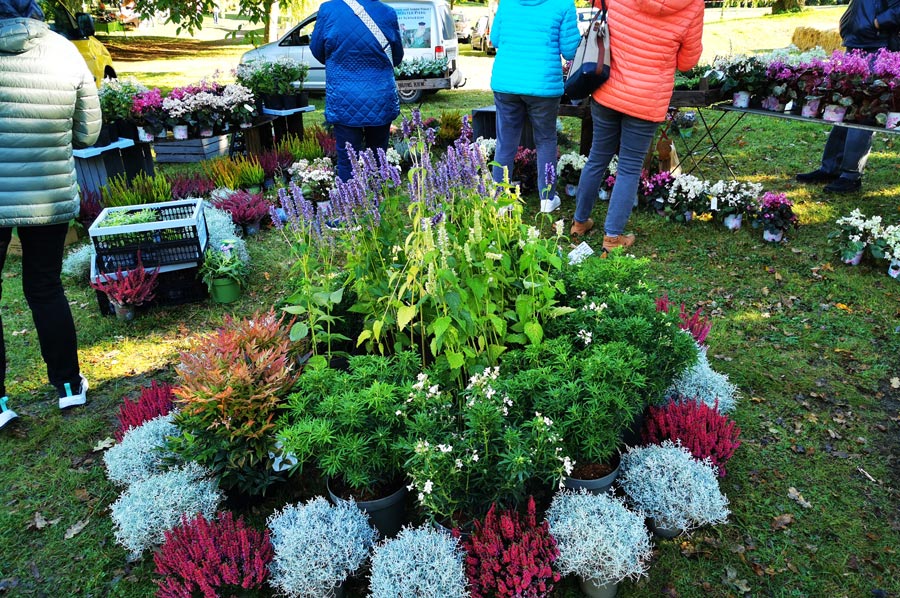
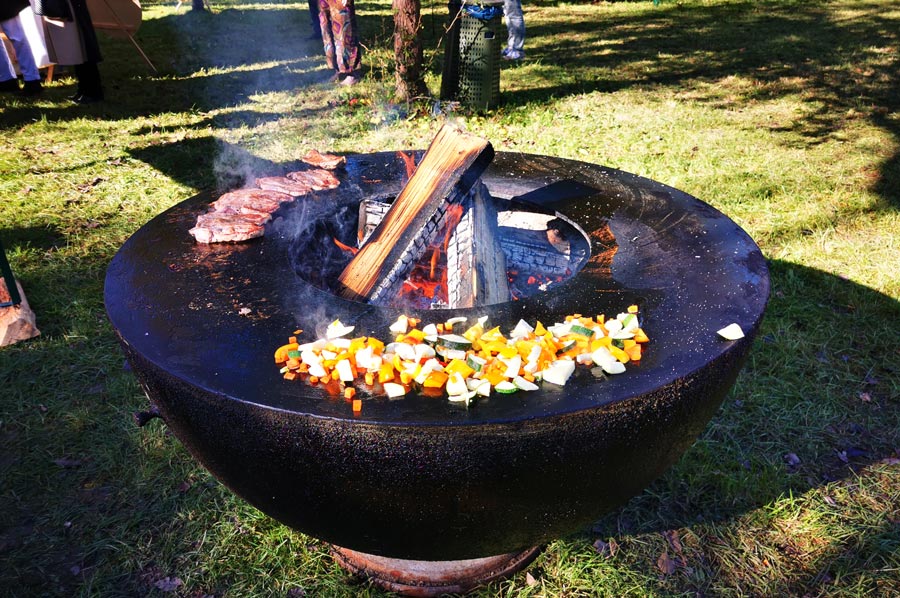
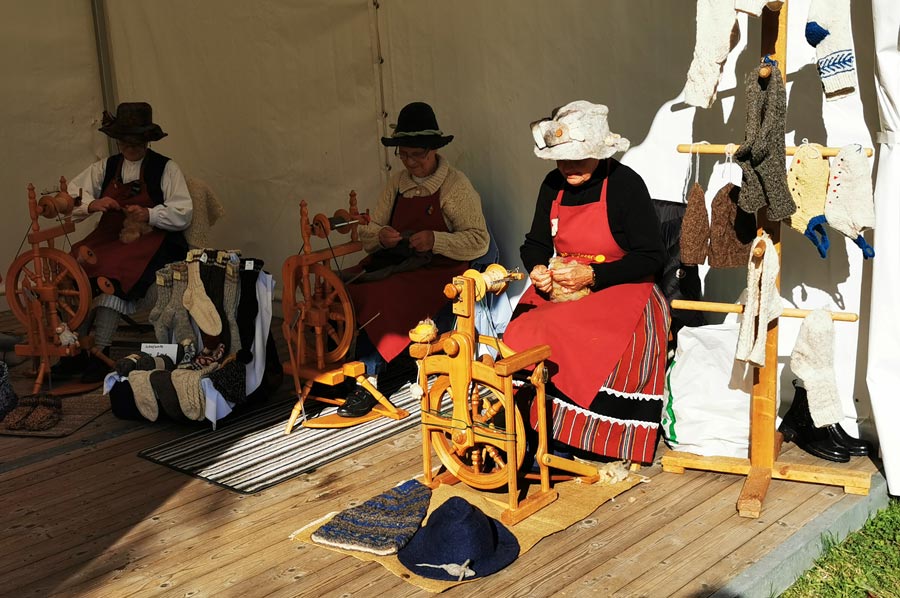
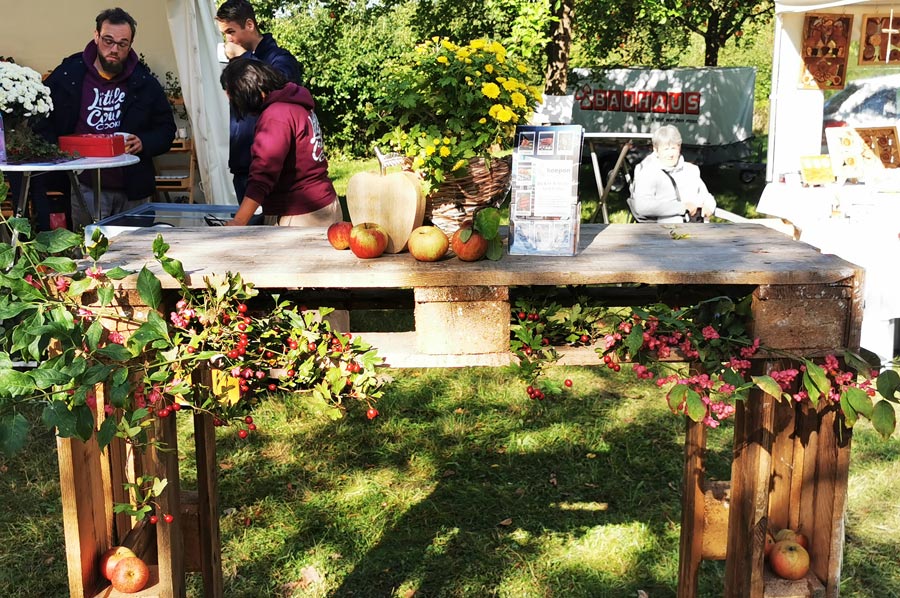
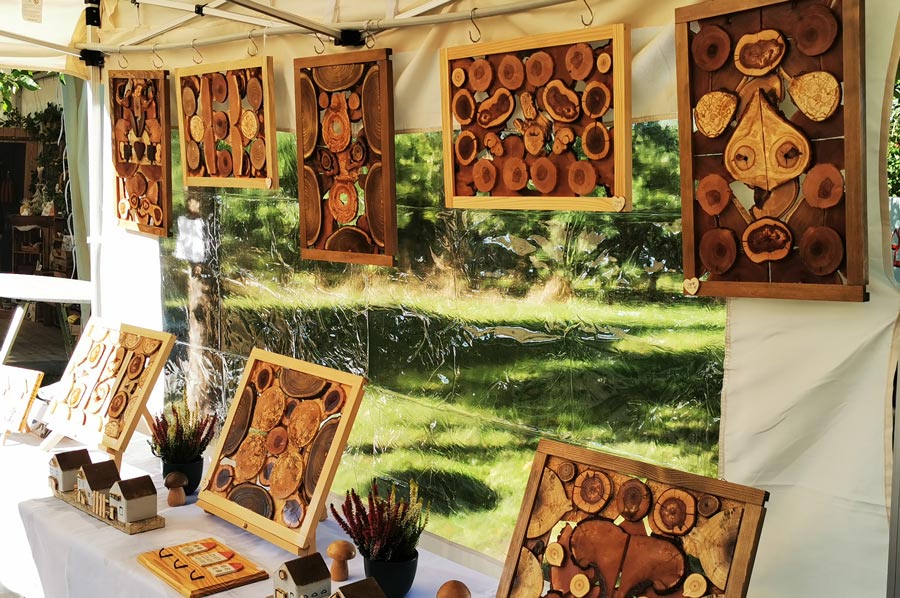
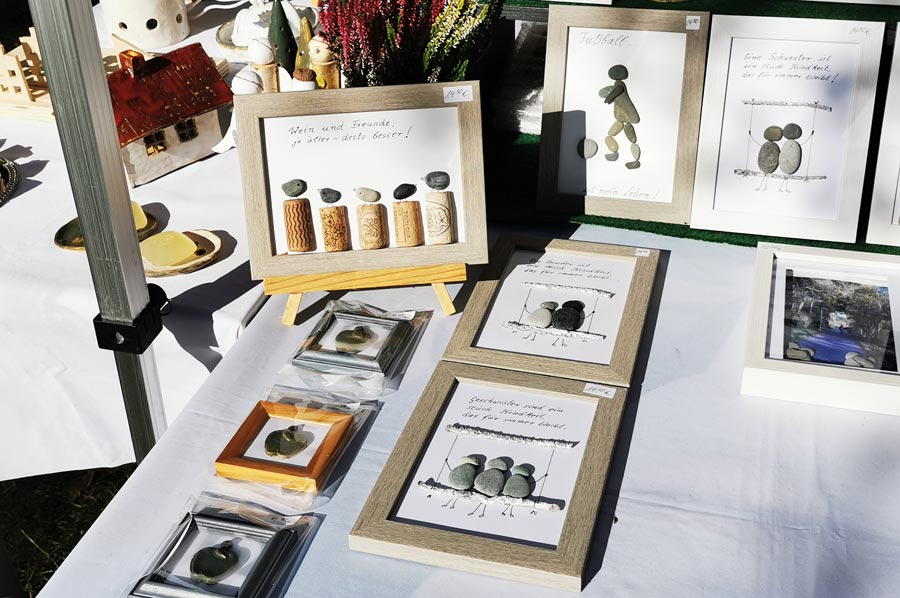
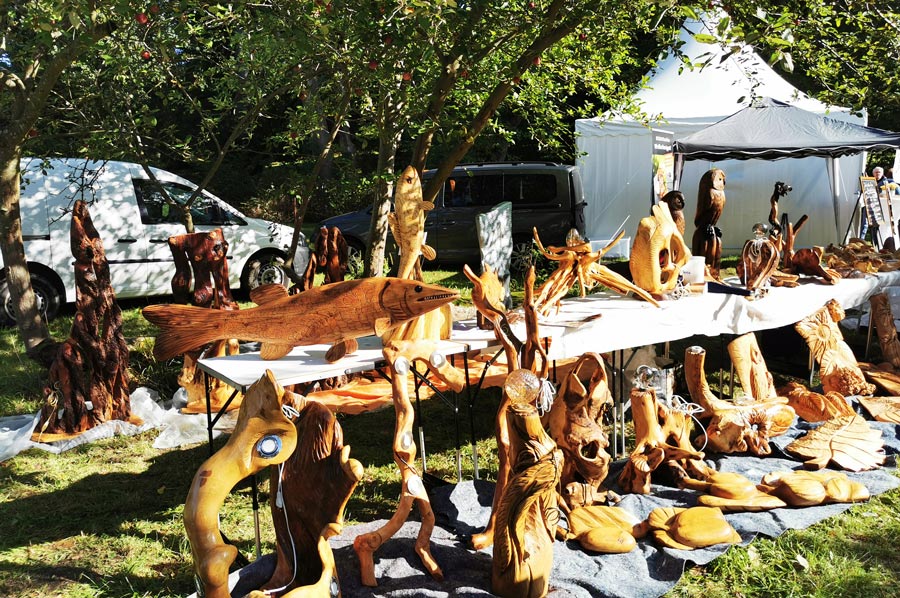
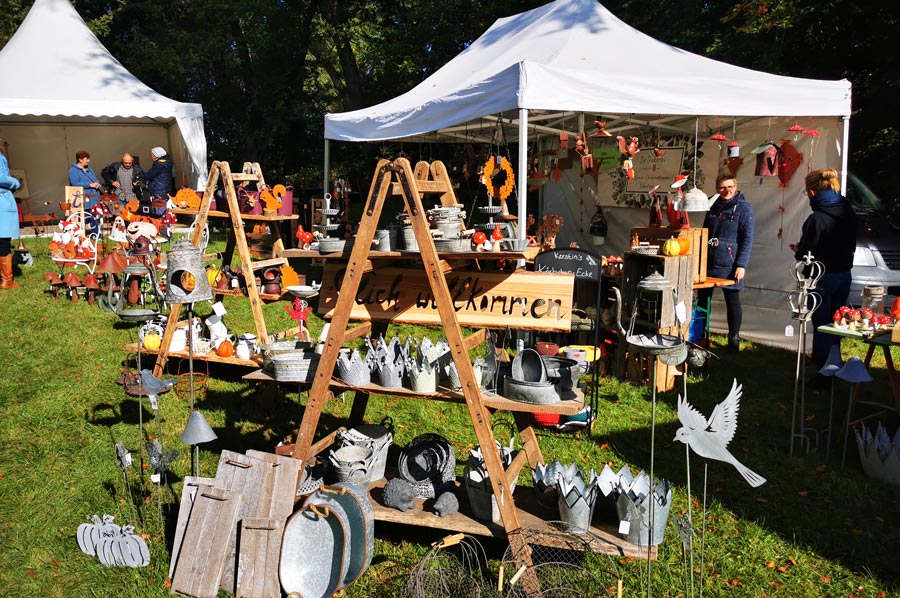
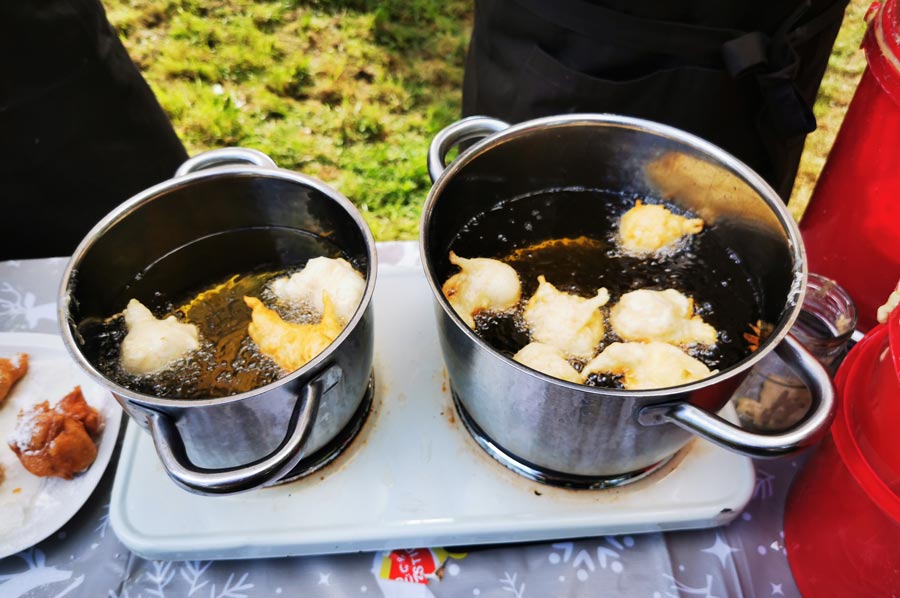
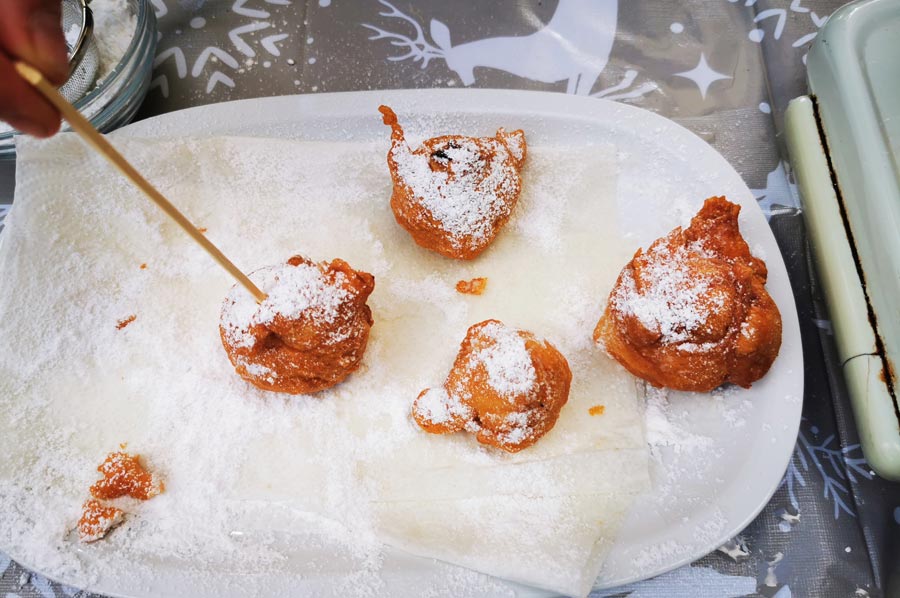
We thoroughly enjoyed our visit to the Kaartz Castle Park during the apple festival, where numerous stalls offered a variety of delicious treats. It was a truly wonderful experience one we highly recommend. Perhaps it’s something you might enjoy, too, dear readers.
Please read as well:
Bad Bibra - Finne Kneipp cures and cycling
Paddling, bathing areas and drinking water production on the Ruhr