Gambling in Ancient Greece
When the word "gambling" is mentioned today, many people immediately think of glittering casinos, spinning roulette wheels, high-stakes poker games, or state-run lotteries.
Yet, all these things are relatively modern when one considers how long humans have been fascinated by games of chance.
In ancient Greece, people already indulged in gambling. This is evidenced, among other sources, by the writings of Homer, who mentions games such as "petteia" a game involving black and white playing pieces.
Dice games, "heads or tails," and other pastimes requiring a stroke of luck to win were also widespread at the time.
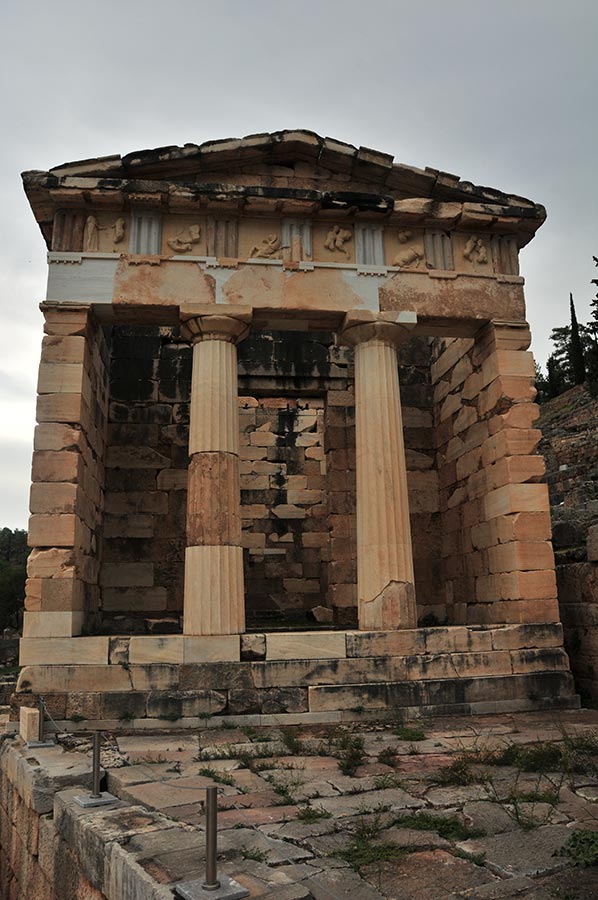 People would gather in specific locations to play; for instance, the Temple of Athena Skira and the Pirene Fountain in Corinth were known as popular meeting spots for gamblers. Today’s players have it somewhat easier: with just a few clicks, they can access an online casino and choose from a vast array of games. Furthermore, they can play against people from all over the world without ever having to leave their own couch.
In ancient times, gamblers sought divine support from Hermes, the messenger of the gods, and Pan, the god of shepherds. It wasn't just humans who gambled in ancient Greece, however; several gods were also known to partake. Zeus, Hades, and Poseidon, for example, determined how the world would be divided among them by casting dice.
The fates of mortals were also frequently decided by the gods through wagers. According to mythology, Athena and Poseidon once vied for patronage over the city of Athens. It was agreed that whoever provided the city with the most useful gift would win. Poseidon gifted Athens a spring—which, unfortunately, yielded only saltwater. Athena’s olive tree, by contrast, provided both wood and fruit which is how she became the patron goddess of the Greek capital.
 The game of checkers (draughts) was also played in ancient Greece, where it was known as "Tilia." Furthermore, many pieces of ancient pottery feature illustrations of people betting on animal fights. As early as 676 BC, the Greeks were also wagering on the outcome of horse races. Everyone—from slaves to the gods took part in such games.
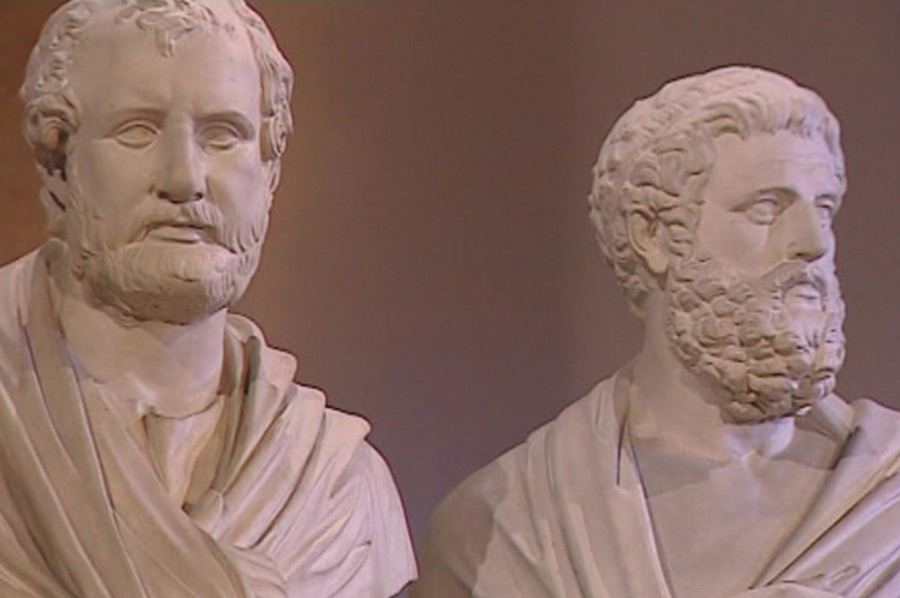
The poet Sophocles (496–406 BC) even wrote that the Greek hero Palamedes invented the die during the siege of Troy. What is certain is that dice were already being used for gaming as far back as 3000 BC. The ancient Egyptians also played board games that incorporated the use of dice.
Some things never change. The precise origins of gambling can no longer be fully traced, precisely because humans have been playing games for such a long time. Gambling is as old as human civilization itself. Various forms of gaming emerged independently across the globe, spreading ever further as the years went by.
Please also read: