Freshwater Mussels – Vital Filters for Our Rivers and Lakes
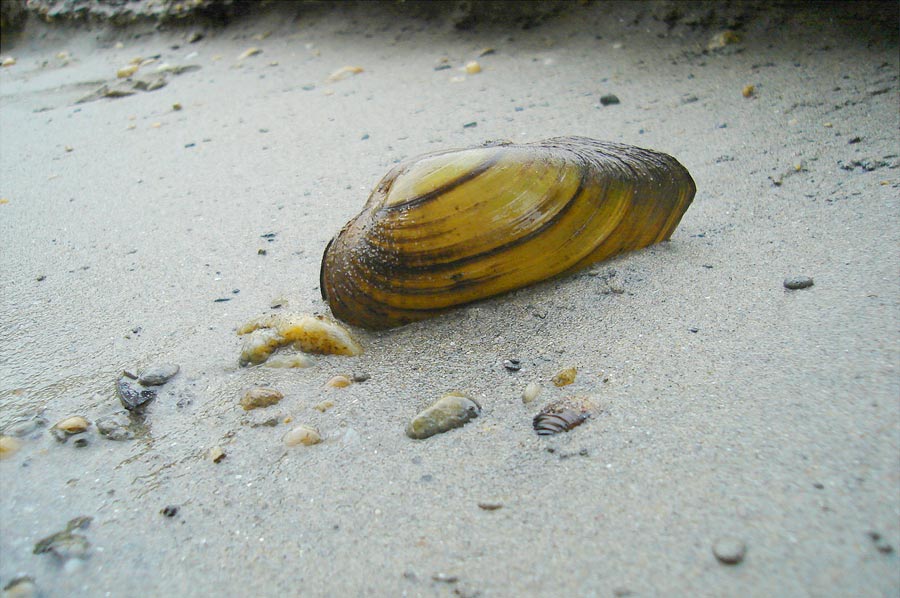
Once found almost everywhere in our rivers, these molluscs can reach significant ages; the painter’s mussel (Unio pictorum), for example, can live for well over 50 years, while the freshwater pearl mussel (Margaritifera margaritifera) can live for up to 120 years provided that environmental and living conditions are favourable.
Today, these mussels are threatened not only by overfishing but, above all, by agricultural over-fertilization and the nitrogen compounds that enter the water from sources such as vehicle exhaust emissions.
Michael Pfeiffer, aquatic biologist from Freiburg
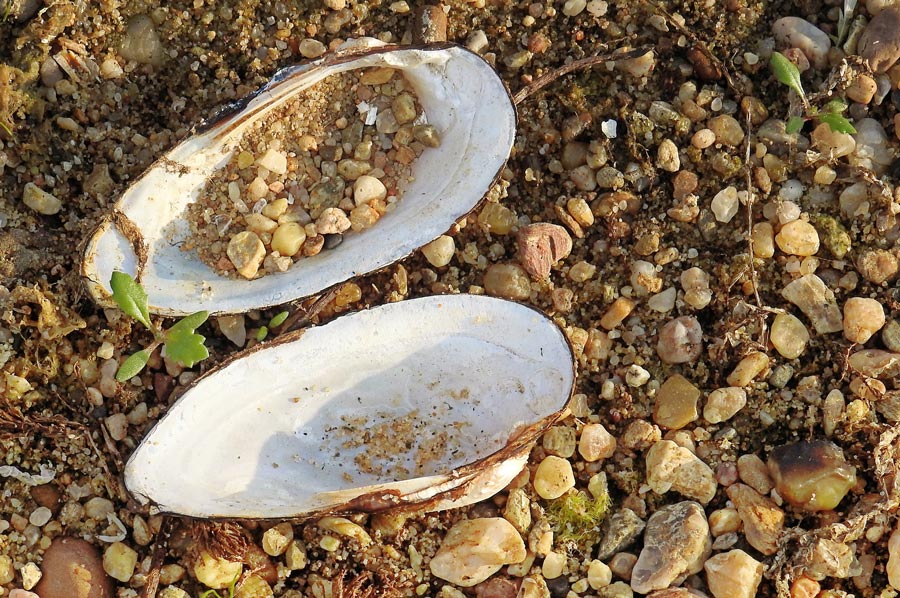 Mussels are, in fact, extremely important to aquatic environments, acting as living filtration systems. By filtering the water, they obtain food and oxygen and, in the process, they clean the water itself. According to Michael Pfeiffer, an aquatic biologist based in Freiburg, a single freshwater mussel can filter up to five litres of water per hour. Mussels feed on suspended particles and plankton, which they extract from the water by pumping it through their bodies and trapping food particles in their gills. In doing so, they help clarify the water in their habitats. For comparison, a common mussel (Mytilus edulis) filters about five litres of water per hour, while an oyster can filter as much as 25 litres. Mussels are thus rightly considered the "cleaners" of marine environments, as well as those in rivers and lakes. They play an exceptionally vital role in the ecosystems of rivers, lakes, and oceans, which is why they are strictly protected.
Mussel Populations in Sharp Decline
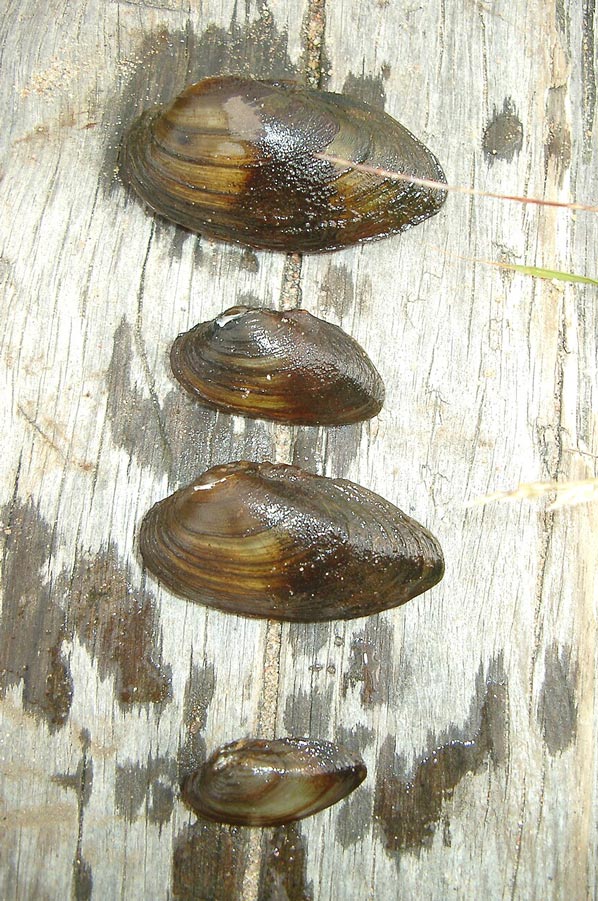 However, much like many other marine organisms that use calcium-based shells to protect themselves from predators, mussels are now under severe threat not least due to the increasing acidification of seawater. The primary cause of this is the absorption of additional carbon dioxide from the atmosphere, which dissolves in seawater and begins to break down the organisms' protective calcium-based shells.
Until a few decades ago, the common freshwater mussel was the most abundant native mussel species in flowing waters. This has changed dramatically. Across Central Europe, populations have collapsed to barely a tenth of their former size, and in many regions, the freshwater mussel is already extinct. On the national "Red List," it is classified under Category 1 as "critically endangered."
Their habitat requirements ideally water quality class I or II and a complex reproductive cycle make these mussels particularly sensitive to environmental changes. This includes fluctuating water levels in rivers; although mussels can survive for up to five hours without water by tightly closing their shells to prevent drying out, such fluctuations still pose a challenge.
Freshwater mussel populations in Germany
In Germany, the few remaining notable populations of freshwater mussels are found in small, clean rivers and streams in Mecklenburg-Western Pomerania specifically in the Nebel, Warnow, Löcknitz, and Meynbach rivers. In central Germany, with the exception of the Spreewald region and sections of the Eder River in northern Hesse, hardly any populations remain; in North Rhine-Westphalia, for instance, only a single occurrence is known. In southern Germany for example, along the Naab, Ilz, and Ammer rivers in Bavaria they are somewhat more numerous, though individual sites often contain only a small number of animals.
Young mussels suffocate; populations age
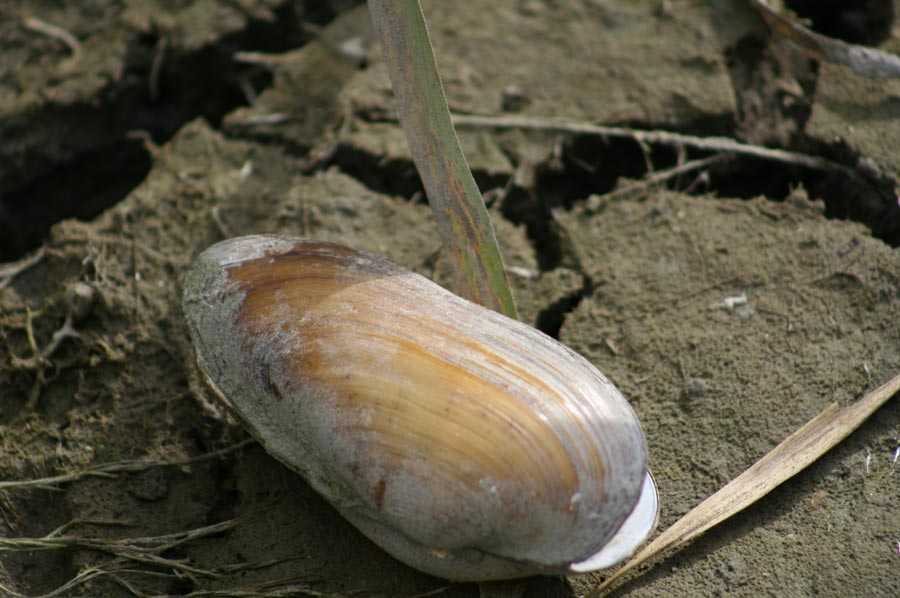 Far more problematic for freshwater mussels are human interventions in flowing water systems, as well as over-fertilization and an increased influx of suspended particulate matter. All of this leads to the clogging of the spaces between sand and gravel particles on the riverbed, as well as to an oxygen deficit, causing young mussels to die off. Consequently, almost all remaining freshwater mussel populations consist overwhelmingly of older individuals, with very few young mussels ever reaching adulthood. Furthermore, stocking initiatives often introduce non-native host fish species that are frequently unsuitable for the indigenous mussel populations. In some places, host fish that have been "inoculated" with young mussels are now being released into the water in an attempt to rejuvenate these populations.
Please read as well:
Antoni Gaudí – Spanish Architect and Exponent of Modernism
Gjirokastër – A Journey Inland to a World Heritage Site