


Limyra – The Ancient Zemuri near Finike
- Written by Portal Editor
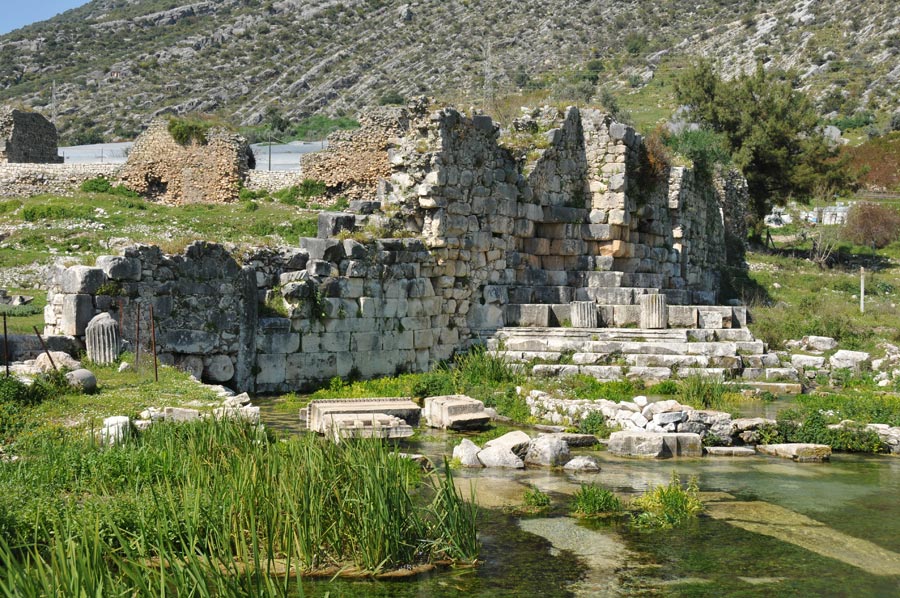
Limyra – Arriving from Olympos, we traveled along the coastal road toward Finike, then turned right to follow Route 635 in the direction of Elmali.
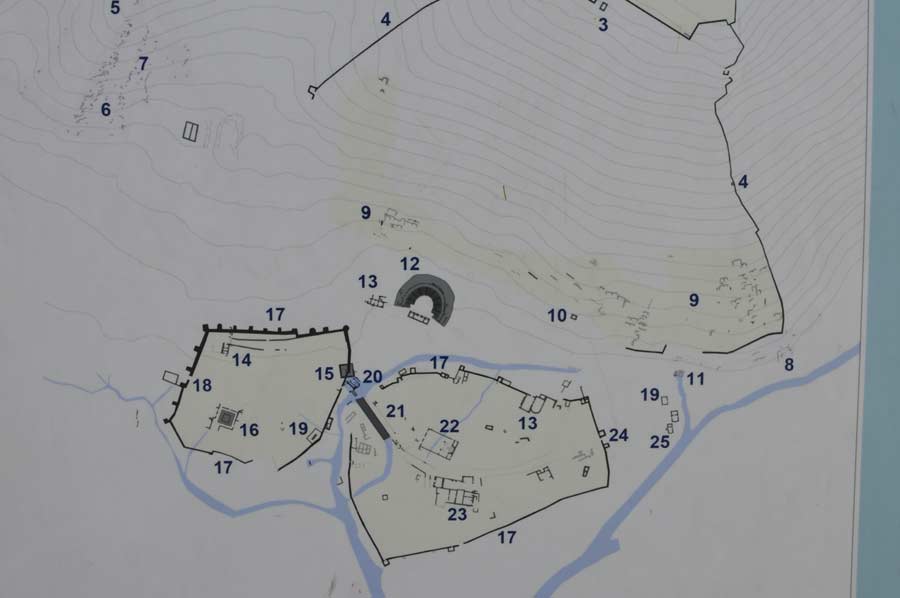
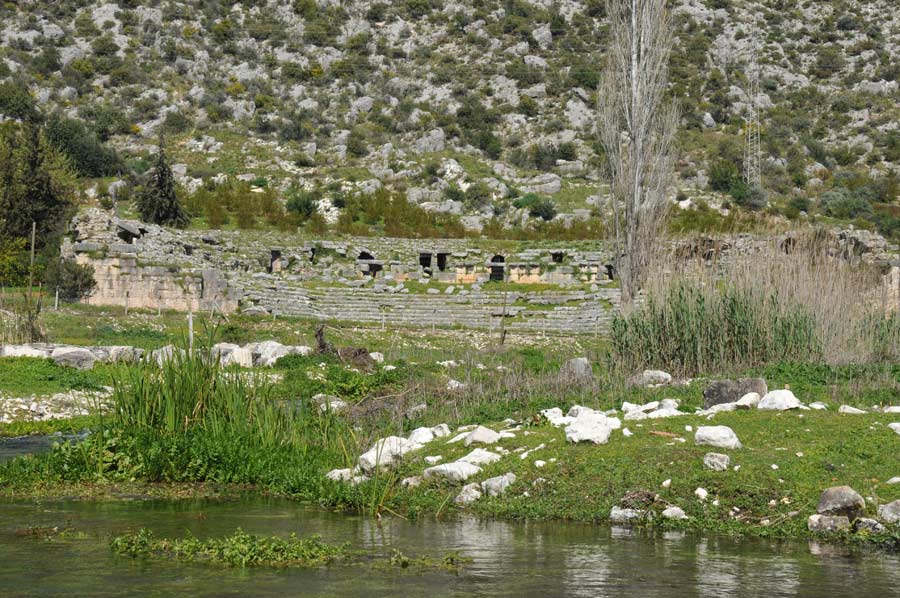
Just about five kilometres past the outskirts of Finike, one follows the signposts heading east toward the ancient city of Limyra. After another 4 kilometres, one reaches the ancient theatre, the acropolis, and several of the necropolises, which are situated to the north of the road.
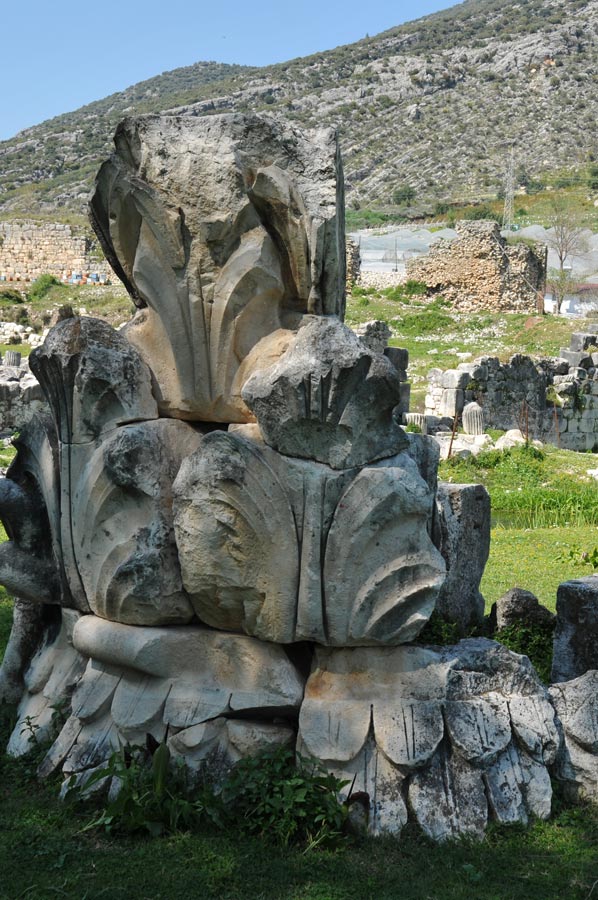 The ancient site of Limyra still bears distinct traces of various historical epochs; for instance, the Roman and Byzantine sections of the city are situated predominantly to the south. The oldest finds (Late Geometric pottery) date back as far as the 8th century BC; however, they do not provide sufficient evidence to determine the structure or extent of the settlement indicated by these artifacts.
The Lycian name for Limyra -Zimuri - can, with a high degree of probability, be traced back to the Hittite word “zumarri”, found in texts dating to the 2nd millennium BC; however, to date, no archaeological layers corresponding to such an early construction period have been uncovered. The oldest actual finds consist of pottery dating to the early 7th century BC. As remnants of domestic architecture attest, a primary settlement existed in the northern sector of the "West City" by the 6th century BC at the latest.
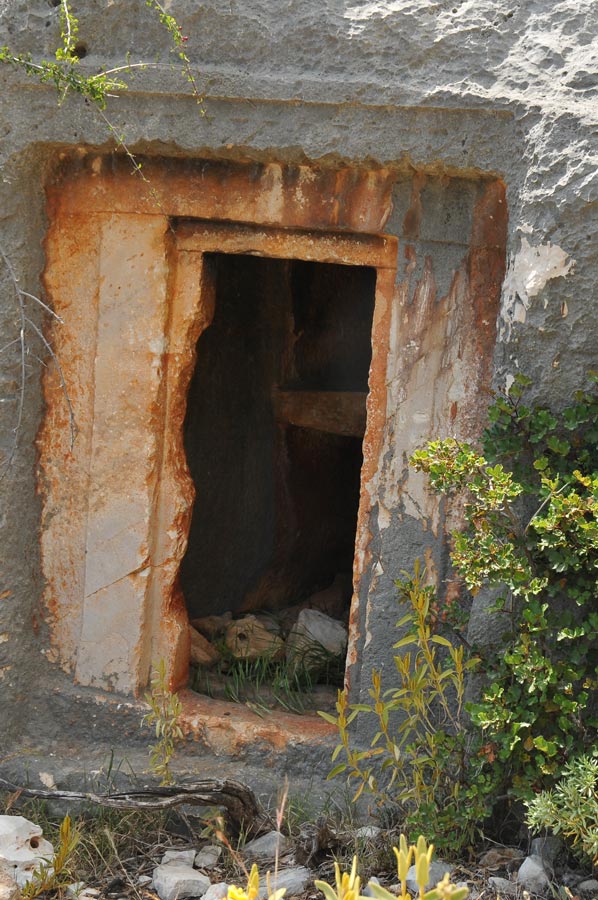 Limyra experienced its first golden age in the 4th century BC, when the city was developed into a dynastic residence under the rule of Pericles, who reigned from approximately 380 to 360 BC. In the context of the Greek political system, the term "dynast" was applied to those who had seized governmental power through an act of force such as the Thirty Tyrants in Athens.
Furthermore, very little information is currently available regarding the Archaic and Early Classical periods of Limyra. However, in the 5th century BC, Zemuri served as the minting site for the coins of the Xanthian dynast Kuprilli and likely occupied a prominent position within the regional settlement hierarchy.
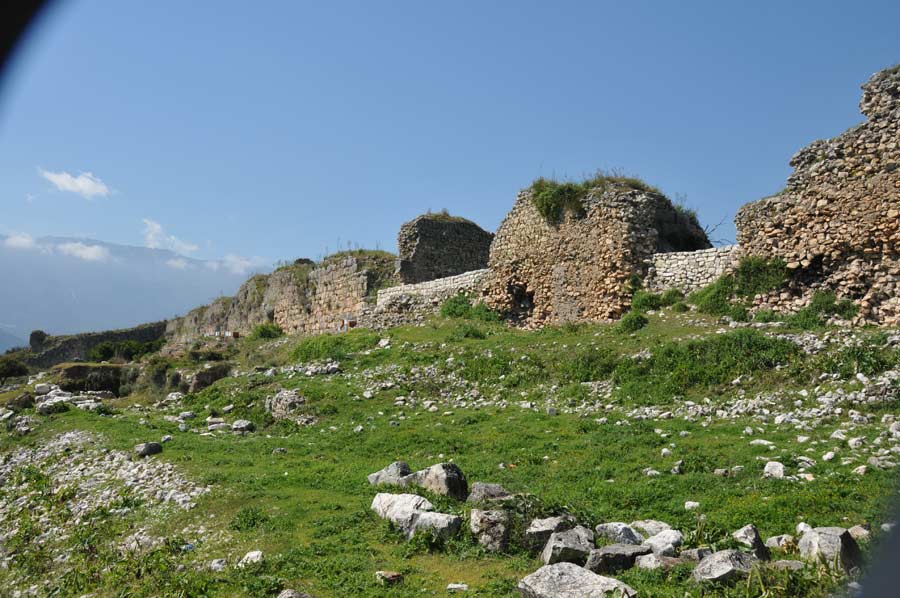
During the later Dynastic period, an extensive building program was undertaken in Limyra, involving the construction of a ring of fortifications encompassing approximately 25 hectares, as well as a summit stronghold. Two towering, keep-like structures rose above this citadel; they were likely intended to proclaim the power and importance of their patron. It was also during this era that the monumental Heroon of the East Lycian dynasty was built.
 This amphiprostyle podium structure whose front porticoes were supported by caryatids and whose side walls were adorned with friezes depicting military themes clearly illustrates the fusion of local architectural traditions with Greek influences.
Additional monumental tombs likely served as burial sites for an aristocratic elite. Of particular note is the two-story tomb of Xantabura, whose relief ornamentation alongside a sacrificial scene includes depictions of an “apobates” contest and a banquet scene: central themes in Classical Lycian iconography.
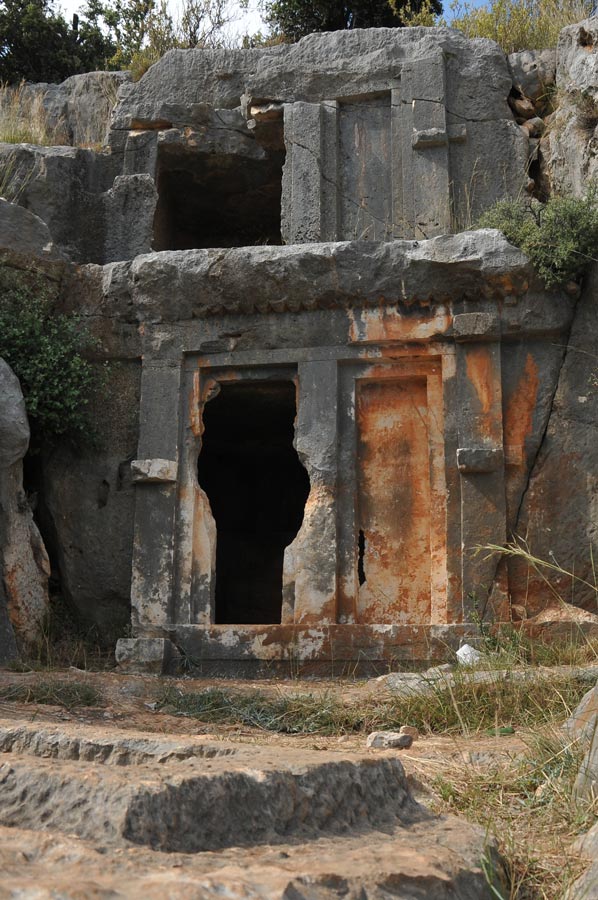
Extensive necropolises containing numerous surviving reliefs and inscriptions in the Lycian language and script flanked the settlement, forming the largest ensemble of Lycian rock-cut tombs. Particularly impressive is Necropolis I, carved into a towering rock face at the entrance to the Arykandos Valley.
A simple rock-cut tomb within the funerary complex of Xuwata in Necropolis II is adorned with a relief depicting a duel, modeled after the famous shield of Phidias’s *Athena Parthenos*. At another tomb, Tebursseli has himself depicted as a victorious hero, defeating the commander Arttumpara in the Xanthos Valley alongside his king, Perikle.
 At the double tomb of Artimas in Necropolis V, one of the few Aramaic inscriptions in Asia Minor bears witness to Lycia’s connections with the core territories of the Achaemenid Empire.
The high-quality monumental remains of Limyra reveal a pronounced Philhellenism among the political elite of the Dynastic period; however, the semantics of Lycian culture during this era were largely defined by its roots in an Oriental cultural sphere. The independent dynastic polities came to an abrupt end following the Persian suppression of the Satraps' Revolt, and Lycia was subsequently incorporated into the dominion of the Carian Hecatomnids.
The first excavations began as early as 1969 under the direction of Jürgen Borchhardt, commissioned by the German Archaeological Institute (Istanbul Branch); subsequently, from 1984 to 2001, these efforts were continued as an Austrian project by the Institute for Classical Archaeology at the University of Vienna (IKA).
 It was Jürgen Borchhardt who ultimately established that the influential prince Pericles also ruled from this very site. Pericles governed here autonomously during the first half of the 4th century BC, attempting to bring all of Lycia under his control despite technically being subordinate to the Persian Satrap of Sardis.
It is said that around 366 BC, Pericles even participated in the Satraps' Revolt an uprising that was ultimately suppressed. The sarcophagus of his brother, Xantabura, dates to the year 350 BC. During the 3rd century BC, Limyra formed part of the Egyptian realm under the Ptolemies.
When the Roman Empire restored Lycia's autonomy in 167 BC, Limyra holding a remarkable three voting rights became a member of the now-revitalized Lycian League.
Gaius Caesar grandson, adopted son, and designated successor of Augustus died in Limyra in AD 4. A cenotaph was erected in Limyra in his honour. Using the funds with which the patron Opromoas of Rhodiapolis supported the Lycian cities following the earthquake of 141 AD, the theater of Limyra was rebuilt. During the Byzantine era, Limyra was expanded to include a new district containing several churches; however, flooding from the Limyros River gradually rendered the city increasingly uninhabitable.
 The discovery of the Pericles monument in 1966 brought Limyra back into the spotlight of archaeological interest, leading to the resumption of regular excavations in 1969.
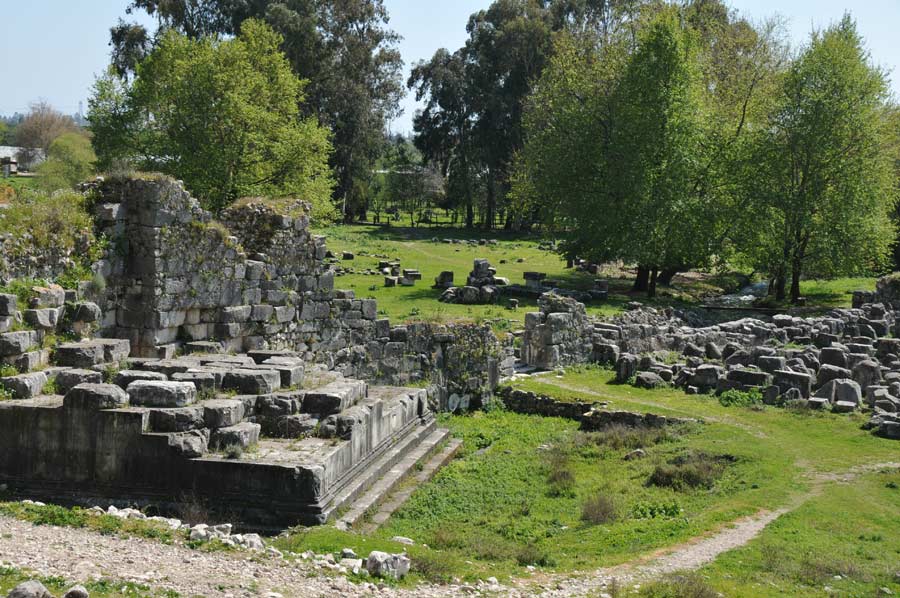
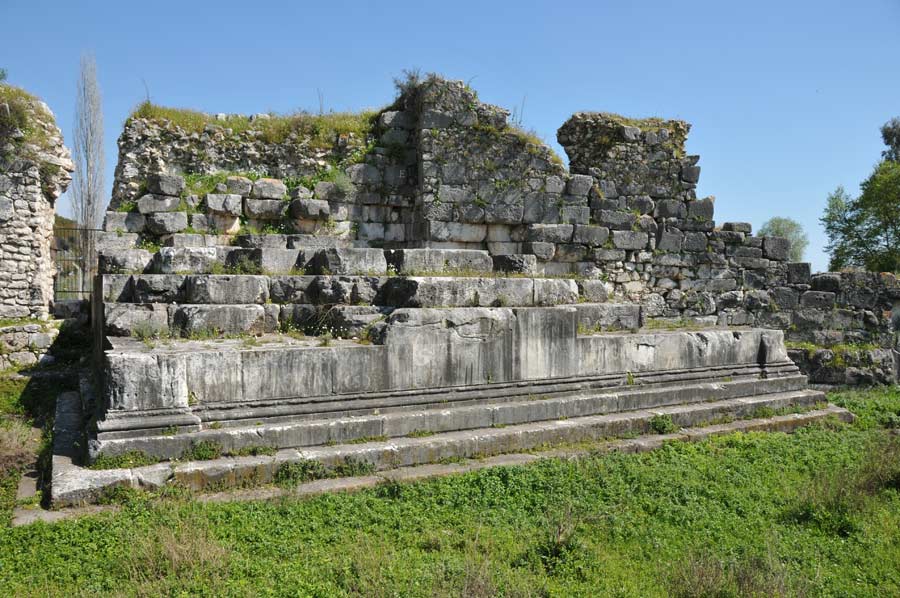
Magnificent structures in the lower city such as the Hellenistic Ptolemaion and the cenotaph for Gaius Caesar, the adopted son of Augustus who died in Limyra in 4 AD attest to the settlement's significance during later periods as well.
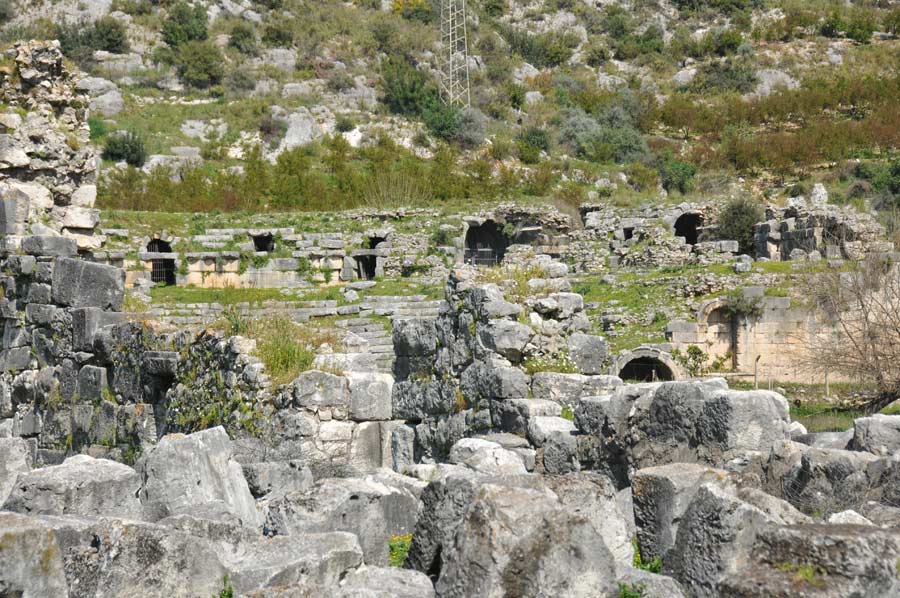
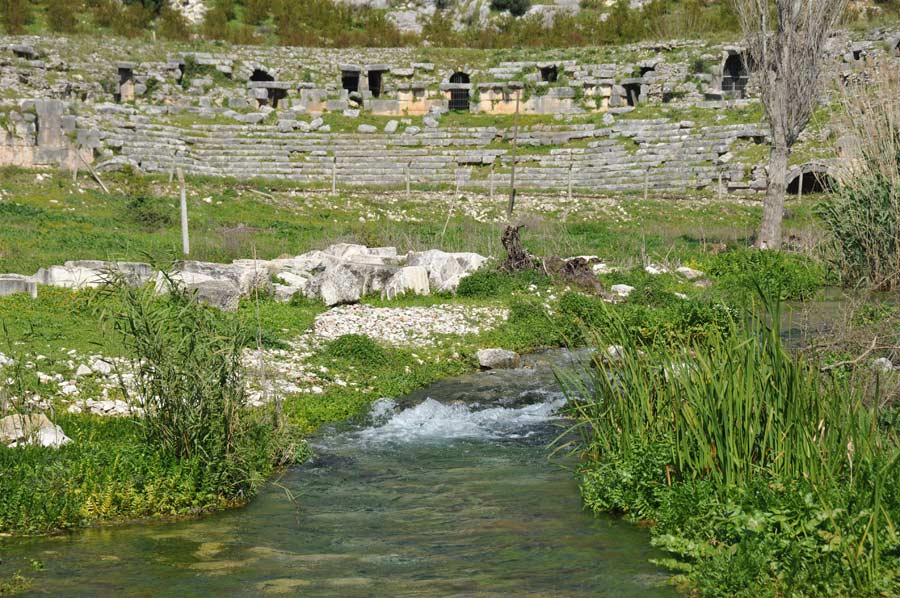
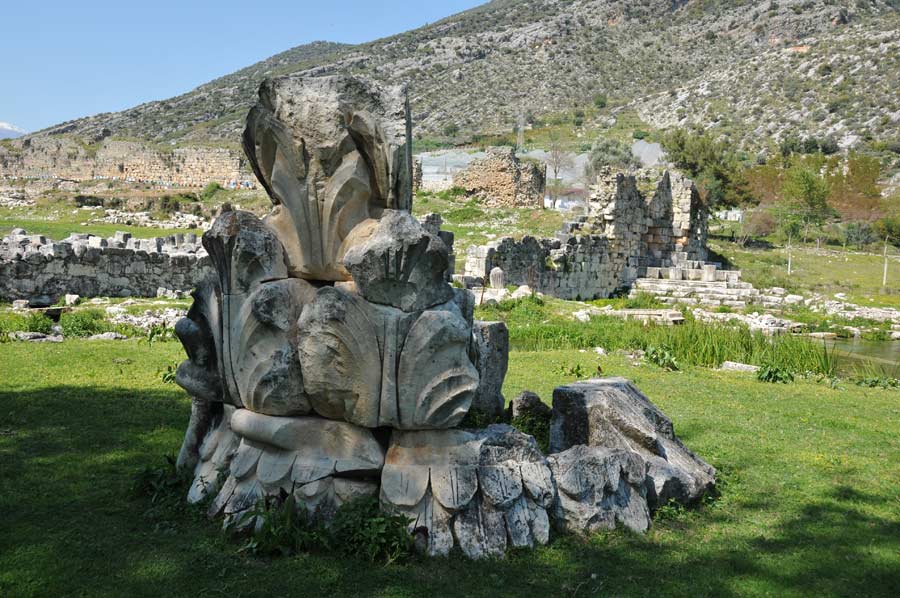
The theatre, a bath complex, a monumental gateway, and colonnaded streets illustrate Limyra’s urbanistic flourishing during the Imperial era.
Limyra’s status as an episcopal see is evidenced by the cathedral and other Christian places of worship. The massive post-classical defensive walls encircling the eastern and western districts bear witness to turbulent times.
With the Tekke of Kâfi Baba founded in the 16th century and serving as the oldest Bektashi monastery on Turkey’s southern coast Limyra also possesses a significant monument of Islamic history.
 Approximately 3.2 kilometres east of the ruins of Limyra lies the largely overlooked Roman bridge of Limyra. This neglected structure is one of the oldest segmental arch bridges in the world; it spans more than 500 meters and rests upon a total of 26 segmental arches.
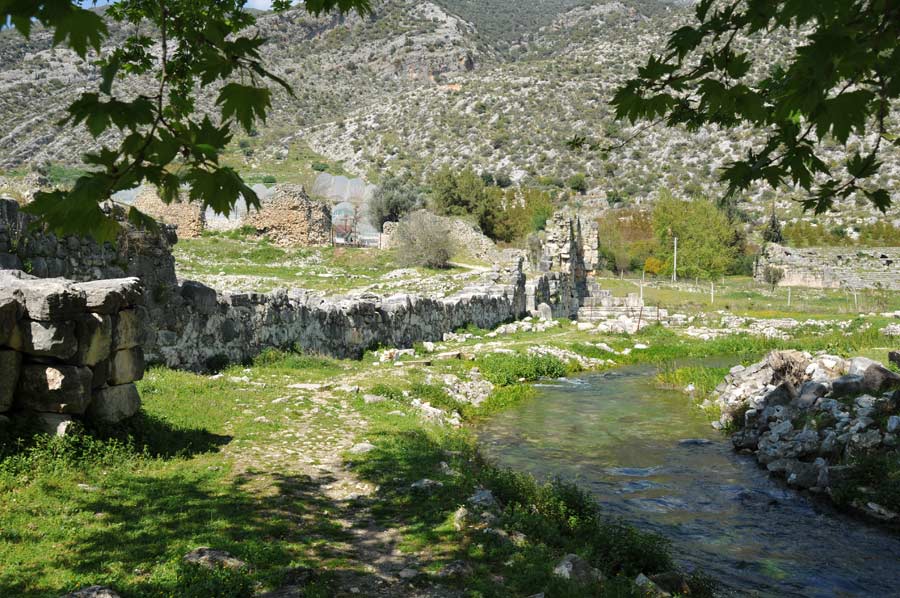
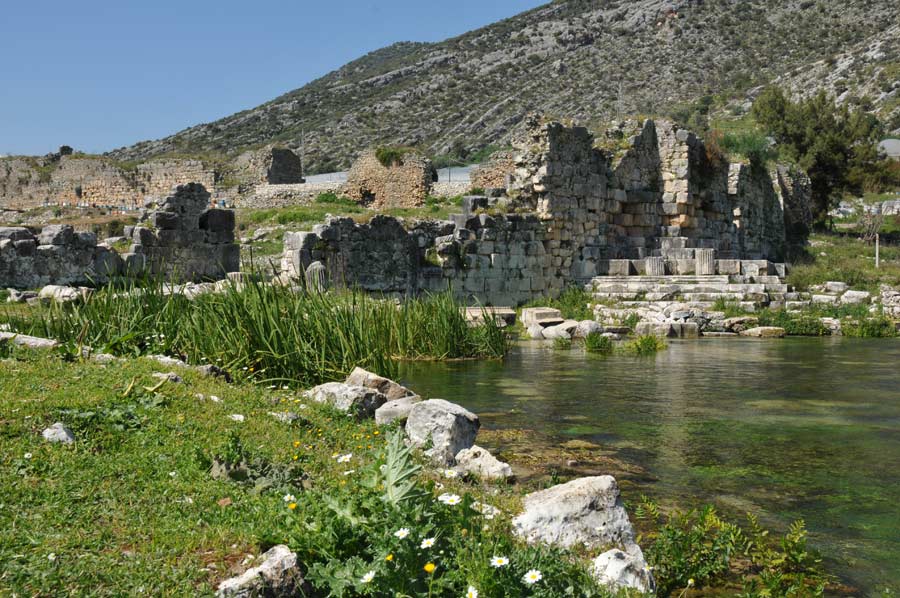
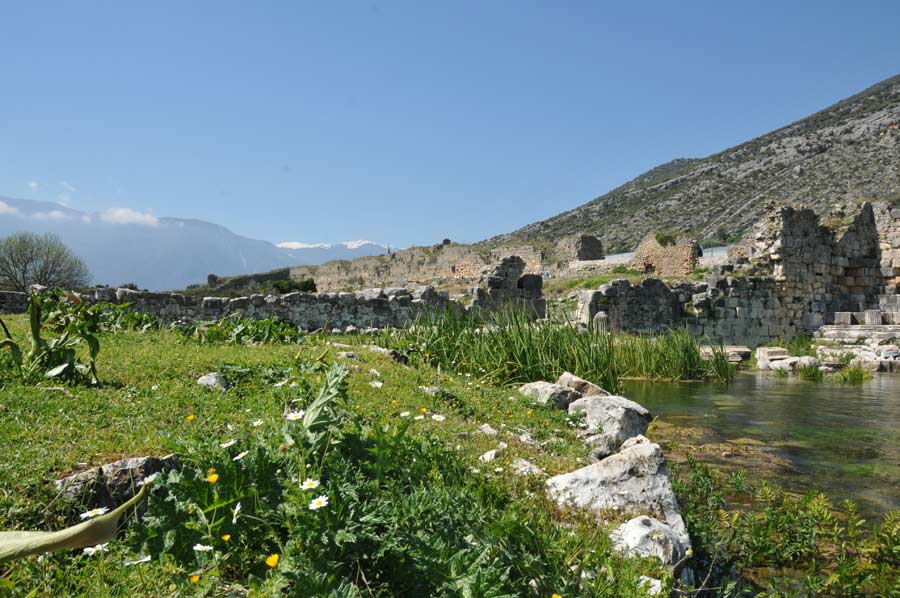
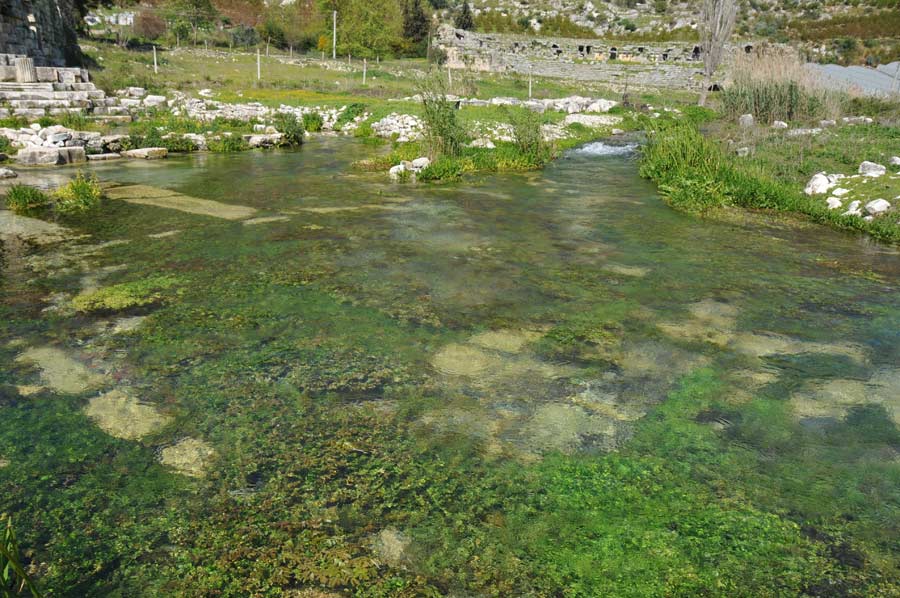
Even today, parts of the city site are crisscrossed by watercourses making them somewhat marshy—yet they remain easily accessible on foot. Exploring the Eastern Necropolis, however, requires a certain degree of agility and physical fitness. Given the rather confusing layout of the terrain, a guide is recommended to help locate the interesting tombs. The "Heroon of Pericles" and the Acropolis are situated just over 200 meters above the theatre and are easily accessible via an old path, provided one has a reasonable level of physical fitness.
However, it is advisable to avoid visiting during the midday hours, as the south-facing slope offers no shade and is exposed to constant sunlight. There is no admission fee for the Acropolis, the theatre, the necropolises, or any other parts of Limyra located north of the road.
To this day, the Austrian Archaeological Institute continues to conduct excavations at Limyra.
Coordinates: 36°20'35.1"N 30°10'13.8"E (Link directly to map)
Please also read:
Xanthos River and the Roman Bridge near Kemer
Mut - the City of Apricot and so much more!
-
 Limyra - formerly called Zemuri
Limyra - formerly called Zemuri
Limyra - formerly called Zemuri
-
Limyra - formerly called Zemuri
Limyra - formerly called Zemuri
-
Limyra - formerly called Zemuri
Limyra - formerly called Zemuri
-
Limyra - formerly called Zemuri
Limyra - formerly called Zemuri
-
Limyra - formerly called Zemuri
Limyra - formerly called Zemuri
-
Limyra - formerly called Zemuri
Limyra - formerly called Zemuri
-
Limyra - formerly called Zemuri
Limyra - formerly called Zemuri
-
Limyra - formerly called Zemuri
Limyra - formerly called Zemuri
-
Limyra - formerly called Zemuri
Limyra - formerly called Zemuri
-
Limyra - formerly called Zemuri
Limyra - formerly called Zemuri
-
Limyra - formerly called Zemuri
Limyra - formerly called Zemuri
-
Limyra - formerly called Zemuri
Limyra - formerly called Zemuri
-
Limyra - formerly called Zemuri
Limyra - formerly called Zemuri
-
Limyra - formerly called Zemuri
Limyra - formerly called Zemuri
-
Limyra - formerly called Zemuri
Limyra - formerly called Zemuri
https://www.alaturka.info/en/turkey-country/riviera/7116-limyra-zemuri-finike#sigProIdd3523c7fd1