Museum Quintana - Romans and Archeology in Künzing
Türkiye – broad history and mass tourism today
Since the founding of the republic in 1923 as the successor state to the Ottoman Empire, Turkey has been secular and Kemalist in orientation. The country's founder, Mustafa Kemal Atatürk, initiated a modernization of Turkey through social and legal reforms modelled on various European nation states.
The current President Recep Tayyip Erdoğan has been at the helm of the country since 2003. Since around 2012, he has led the country in an increasingly authoritarian manner. Freedom of expression and freedom of the press in particular are considered to be severely restricted. The currency and debt crisis triggered by its economic policies as well as high inflation have continued since 2018, which makes Turkey quite attractive from a tourist perspective.
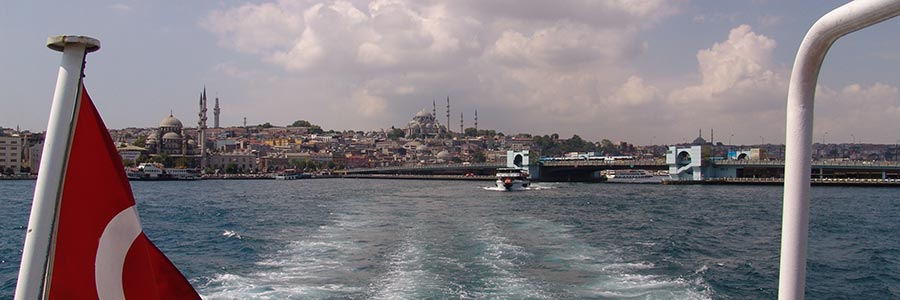
The culture of today's Turkey is a fusion of the ancient Turkish nomadic culture of Central Asia and Siberia, the Greco-Roman era, the culture in the Ottoman Empire with its Byzantine, Persian, Arabic, Caucasian, Armenian and Kurdish influences, as well as the strong European direction since the founding of the Republic Ataturk. The cultural centre of the country is the metropolis of Istanbul.
With the political changes, the content of Turkish literature also changed. Early representatives include Fakir Baykurt, Sabahattin Ali, Sait Faik Abasıyanık and Yaşar Kemal, who put ordinary people at the centre of their work. With the turn to describing living conditions, social and political criticism of the state is inevitable. The state reacts with censorship and political violence. Authors like Nâzım Hikmet, Yaşar Kemal and Aziz Nesin spend many years in Turkish prisons because of the persecution of their publications. Kemal therefore referred to the prison as a “school of Turkish literature”.
Turkish cuisine has also influenced Greek and the rest of the Balkan cuisine - including etymology. For example, tzaziki comes from the Turkish cacık, and Ćevapčići comes from kabapcik. Yogurt also comes from Turkish Yoğurt. Doner kebab is made from beef, veal or poultry. In Turkey, but also in other countries, the kebab is also served on a plate.
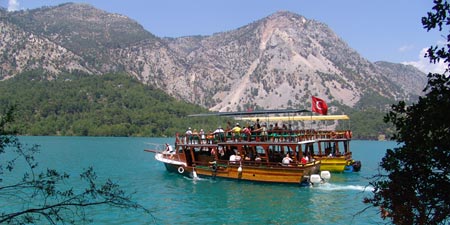
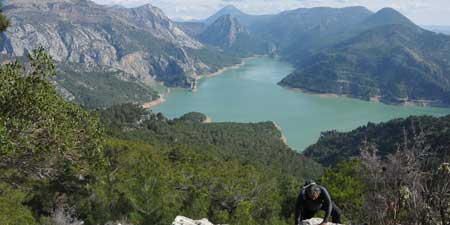
Oymapinar Dam, located approximately 18 kilometers from downtown Manavgat, is the third largest dam in Turkey and is now used as a recreational destination for locals and guests, too.
The final section, where the Manavgat River flows into the Mediterranean, is called the Manavgat Channel. This is probably because here the river runs for several kilometers parallel to the sea, giving the impression of a man-made artificial watercourse.
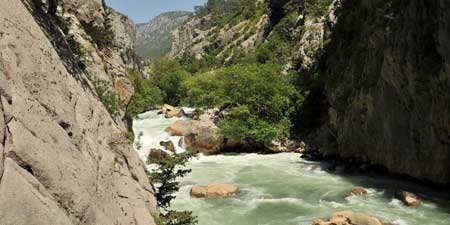
The Manavgat River, which originated in Taurus and was called Melas in antiquity, also formed the eastern boundary of ancient Pamphylia. Today it flows through the large Oymapınar Reservoir, one more smaller reservoir before it reaches Manavgat and flows into the sea a little later.
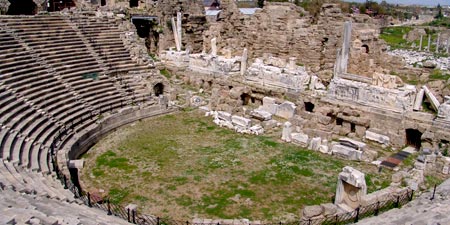
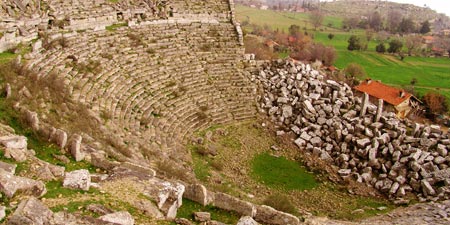
The former classsical Greek Theatre of Side was changed and more seats (cavea) were added during Roman period in shape of a bend, a bit bigger than a semicircle, around the circular floor (orchestra) and the stage, where the play was performed.
Side’s ruins outside Selimiye are best reached by using the parking area by the Roman theatre, which is the minimum you should visit. The theatre was erected in the 2nd century BC on top of a former Greek theatre.
Once again it was time for a hike. Our dear friend and hiking guide Ömer had invited us to another excursion through the coastal Taurus Mountains near Manavgat high above the Oymarpinar dam.
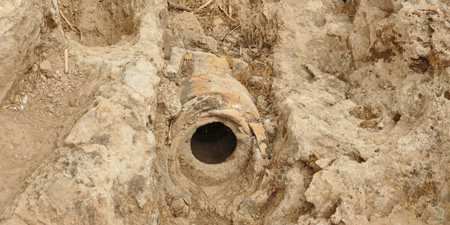
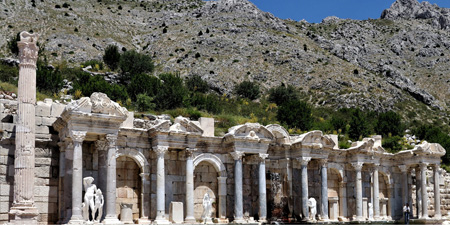
In the ancient city of Sagalassos, which dates back to 25 BC when getting under Roman rule, archaeologists working there examined a bathing complex and a latrine integrated into it,
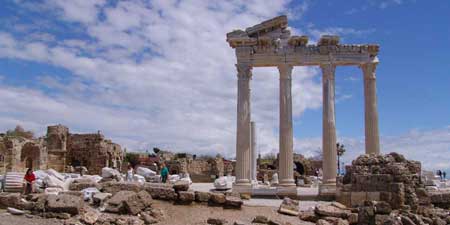
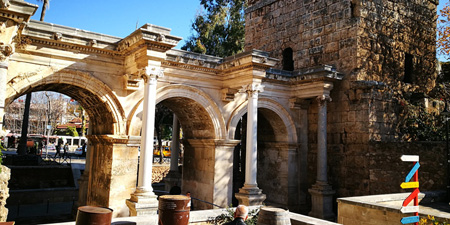
The Hadrians Gate (Turkish: Üçkapılar = "the three gates") - is a significant landmark of Antalya, the ancient Attaleia, next to the famous harbor in the old town center of Kaleici.
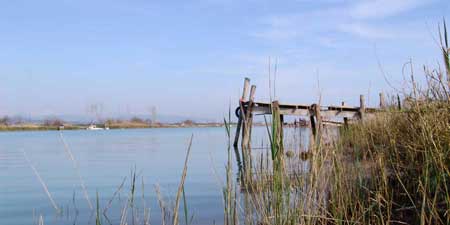
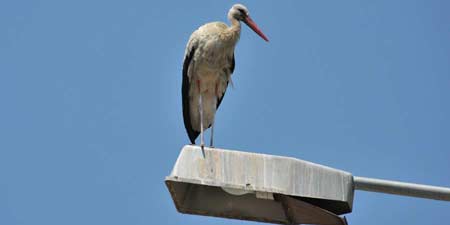
Turkey is one of the richest countries in wetlands among the countries in Europe and the Middle East. These wetlands have great importance especially for wildlife as well as for local economy.
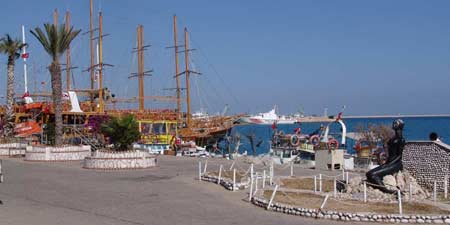
A really nondescript town on the Turkish Riviera, which has got its fame almost exclusively due to its car-ferry harbor: Taşucu - Ferry to Girne / Kyrenia on Northern Cyprus.
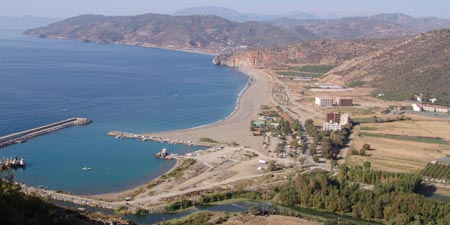
Gazipaşa hosts a very rich archeological heritage with the ruins of a number of antique cities, castles, monumental tombs and numerous historic structures. The remnants of the old ports near the shore and castles on the heights of Toros Mountains are the signs of old human settlements in this area.
An excursion tour together with our co-author Detlef Heinzel, who has lived in Gazipasa for several years, had led us again to Gazipasa, the still green and rural small town with a predominantly rural bustle, please follow his short report:
The beautiful and untouched nature of Gazipasa is not a feature restricted to land, the plateaus or the shore. The sea is also an important element in the region.
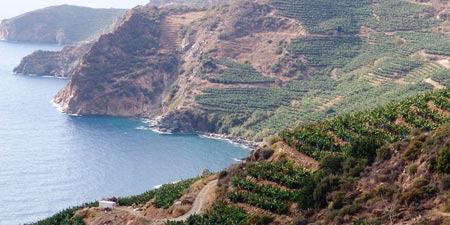
Almost all of Turkey's banana products orign from the coastline that begin next to Alanya and stretches throughout Gazipasa and Anamur along the coastline.
From Kas, our journey was leading along the coast road D400 in direction to Kumluca and nearly into the center of Finike, when we turned right to the national road 635 towards Elmalı.
Selge as being an old mountainous city in the vicinity of Köprüçay, about 35 km north of Serik and on the southern slopes of the Taurus Mountains, is reached by following the 14 km stabilized road with sharp bends after the Köprülü Canyon National Park. It is supposed that Selge was built by Kalishes.
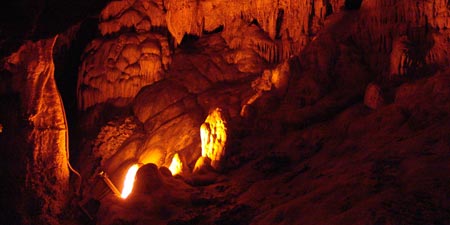
Turkey is in one of the first positions in the ranking of countries of owning the most caves and waterways below the surface. The number of caves in Turkey is calculated to be more then 40.000.
Konaklı is a today rapidly growing former village about 8 miles from the centre of Alanya. It is an independent town which comes under the jurisdiction of the local authority of Alanya.
The iconic Statue of Liberty in New York Harbour was a gift from France, in 1886. But, did its inspiration originate almost 2000 years ago, in Turkey? A recent discovery in the remnants of excavation in one of the country’s most important archaeological sites is cause for speculation.