Since the founding of the republic in 1923 as the successor state to the Ottoman Empire, Turkey has been secular and Kemalist in orientation. The country's founder, Mustafa Kemal Atatürk, initiated a modernization of Turkey through social and legal reforms modelled on various European nation states.
The current President Recep Tayyip Erdoğan has been at the helm of the country since 2003. Since around 2012, he has led the country in an increasingly authoritarian manner. Freedom of expression and freedom of the press in particular are considered to be severely restricted. The currency and debt crisis triggered by its economic policies as well as high inflation have continued since 2018, which makes Turkey quite attractive from a tourist perspective.
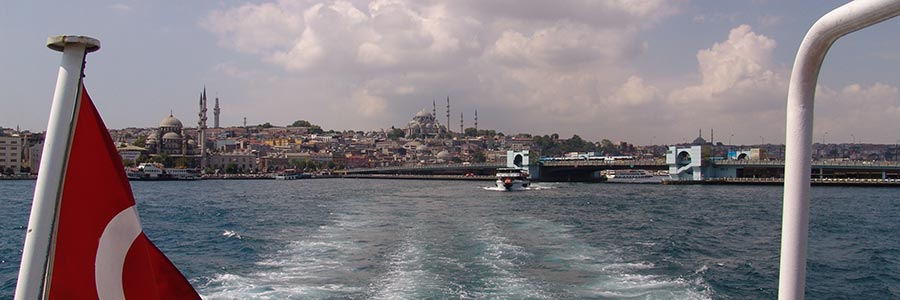
The culture of today's Turkey is a fusion of the ancient Turkish nomadic culture of Central Asia and Siberia, the Greco-Roman era, the culture in the Ottoman Empire with its Byzantine, Persian, Arabic, Caucasian, Armenian and Kurdish influences, as well as the strong European direction since the founding of the Republic Ataturk. The cultural centre of the country is the metropolis of Istanbul.
With the political changes, the content of Turkish literature also changed. Early representatives include Fakir Baykurt, Sabahattin Ali, Sait Faik Abasıyanık and Yaşar Kemal, who put ordinary people at the centre of their work. With the turn to describing living conditions, social and political criticism of the state is inevitable. The state reacts with censorship and political violence. Authors like Nâzım Hikmet, Yaşar Kemal and Aziz Nesin spend many years in Turkish prisons because of the persecution of their publications. Kemal therefore referred to the prison as a “school of Turkish literature”.
Turkish cuisine has also influenced Greek and the rest of the Balkan cuisine - including etymology. For example, tzaziki comes from the Turkish cacık, and Ćevapčići comes from kabapcik. Yogurt also comes from Turkish Yoğurt. Doner kebab is made from beef, veal or poultry. In Turkey, but also in other countries, the kebab is also served on a plate.
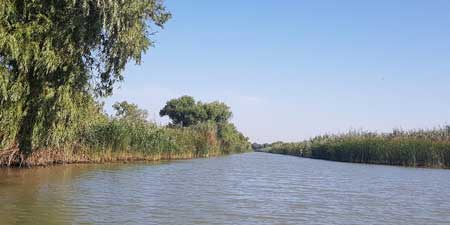
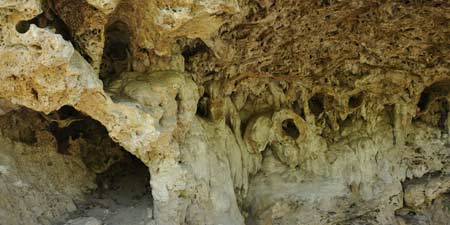
Not far from the border with Greece, about 10 kilometres away from the city of Enez near Ipsala, known to many travellers as a border crossing point, is the Lake Gala in South-West of Turkey, which is sometimes also known with the name Celtik Gölü.
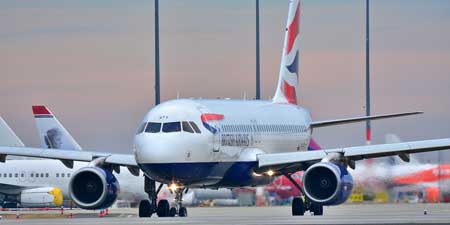
Sabiha Gökçen International Airport (IATA: SAW, ICAO: LTFJ) is one of the airports serving Istanbul, Turkey. The facility is named after Sabiha Gökçen, the first female combat pilot in the world. It is on the Asian side of the bicontinental city, Istanbul.
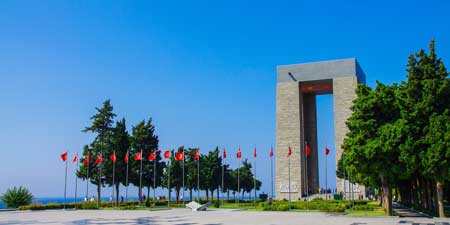
The provincial capital of Çanakkale, is located in the Çanakkale Strait’s most narrow region. Çanakkale is located in an area and important stop to be able to take a trip to the 30 km Troy and Gelibolu peninsula.
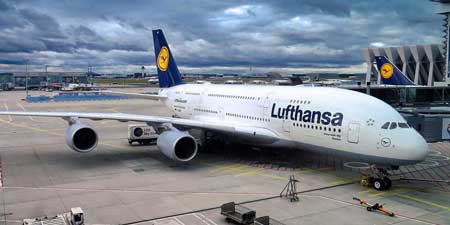
Istanbul Airport (formerly Ataturk Airport (IATA: IST, ICAO: LTBA) (Turkish: Ataturk Uluslararası Havalimanı) is an international airport in the Turkish city of Istanbul.
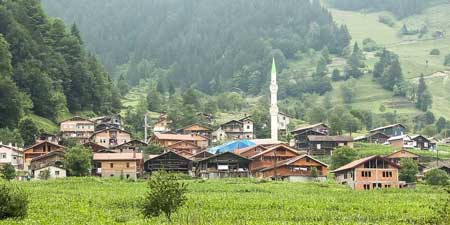
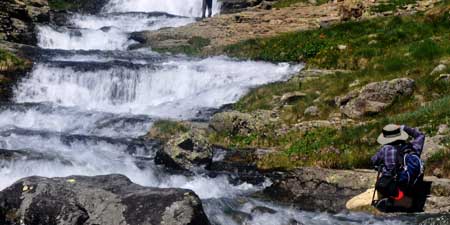
During our exploration along the Dursunbey Cayi, we came across a small stream which was to pass by car before we could reach into a rich, green lawn that was used by backpack hikers traveling with a tent during these days.
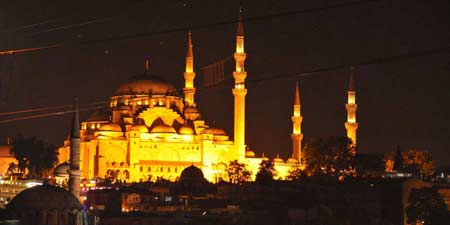
The Sultan Ahmet Mosque or with its more popular name, the Blue Mosque, is located in the oldest part of the city İstanbul, opposite of the famous Cathedral Hagia Sophia, just a short walk from Topkapi Palace.
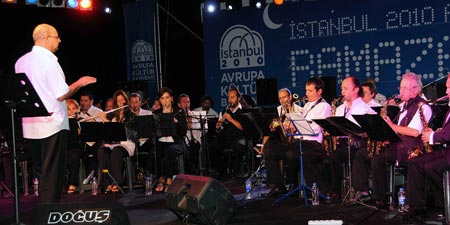
İstanbul’s Journey to Becoming the European Capital of Culture: The European Capital of Culture concept was launched for the first time in the 1980’s by Melina Mercouri, the Greek Minister of Culture of the period, and approved by the European Union Council of Ministers.
Founded in 756 BC, Trabzon is considered a very old city in the ancient high culture of Asia Minor, making Trabzon even older than Rome. As important as Trabzon was at the time, the city was insignificant many centuries later and played little significant role in history.
Trabzon, known in Greek as Trapezous, is located in the north-east of Turkey and is the easternmost Turkish port city on the Black Sea. Today, as the Greek name suggests, Trabzon was a middle economic center and a transshipment point for the export of hazelnuts, tea and tobacco, and a place steeped in history.
In the very north-east of Turkey is the province of Ardahan with the provincial capital of the same name, which lies on the border with Georgia, has always played a special role in the border traffic between Transcaucasia and Eastern Anatolia.
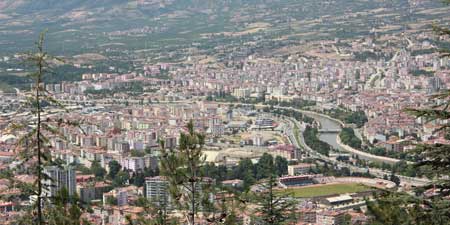
One of the most interesting Anatolian places is the provincial capital Tokat, which today has about 114,000 inhabitants. The old town on Castle Hill and the district around Hatuniye Camii reflect the decayed splendor of a long history.
The Turkish city of Corum is located about 100 kilometers west of Amasya, a provincial capital with about 210,000 inhabitants, which belongs to the Black Sea region, although the coast is about 300 kilometers away.
Shortly after the founding of the Republic of Turkey by Mustafa Kemal (Ataturk), there was a rapid development in industrial terms, which among other things led to the establishment of the first steel mill in Turkey.
Ordu is located in northern Turkey, about 900 km from Istanbul and 600 km from Ankara, on the eastern Black Sea coast and at the same time on the edge of the Pontic Mountains.
The centre of the town Ordu stretches along a stony beach on the shores of the Black Sea,running parallel to the highway. Ordu has a small harbour but this can be used by the larger ships too.
One of the historically oldest cities in the Black Sea region is without any doubt Kastamonu, a place that is said to have existed around 1800 BC, well before the Roman occupation.