On the way to Tierra del Fuego - stopover at Lake Ohrid
Türkiye – broad history and mass tourism today
Since the founding of the republic in 1923 as the successor state to the Ottoman Empire, Turkey has been secular and Kemalist in orientation. The country's founder, Mustafa Kemal Atatürk, initiated a modernization of Turkey through social and legal reforms modelled on various European nation states.
The current President Recep Tayyip Erdoğan has been at the helm of the country since 2003. Since around 2012, he has led the country in an increasingly authoritarian manner. Freedom of expression and freedom of the press in particular are considered to be severely restricted. The currency and debt crisis triggered by its economic policies as well as high inflation have continued since 2018, which makes Turkey quite attractive from a tourist perspective.
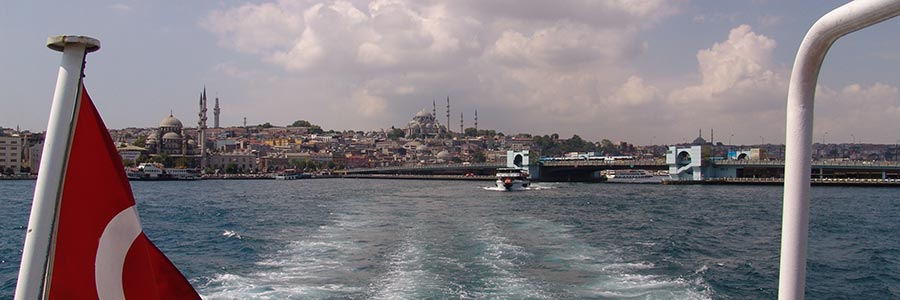
The culture of today's Turkey is a fusion of the ancient Turkish nomadic culture of Central Asia and Siberia, the Greco-Roman era, the culture in the Ottoman Empire with its Byzantine, Persian, Arabic, Caucasian, Armenian and Kurdish influences, as well as the strong European direction since the founding of the Republic Ataturk. The cultural centre of the country is the metropolis of Istanbul.
With the political changes, the content of Turkish literature also changed. Early representatives include Fakir Baykurt, Sabahattin Ali, Sait Faik Abasıyanık and Yaşar Kemal, who put ordinary people at the centre of their work. With the turn to describing living conditions, social and political criticism of the state is inevitable. The state reacts with censorship and political violence. Authors like Nâzım Hikmet, Yaşar Kemal and Aziz Nesin spend many years in Turkish prisons because of the persecution of their publications. Kemal therefore referred to the prison as a “school of Turkish literature”.
Turkish cuisine has also influenced Greek and the rest of the Balkan cuisine - including etymology. For example, tzaziki comes from the Turkish cacık, and Ćevapčići comes from kabapcik. Yogurt also comes from Turkish Yoğurt. Doner kebab is made from beef, veal or poultry. In Turkey, but also in other countries, the kebab is also served on a plate.
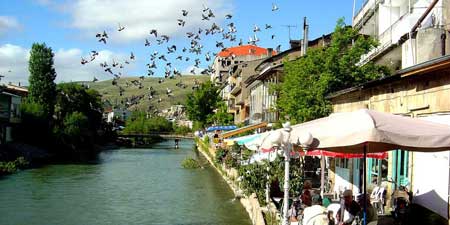
The city of Bayburt in North-eastern Anatolia can look back to a long and extremely varied history. As one of the cities on the old trade route "Silk Road", Bayburt was a prominent hub in history and thus occupiers and conquerors abounded.
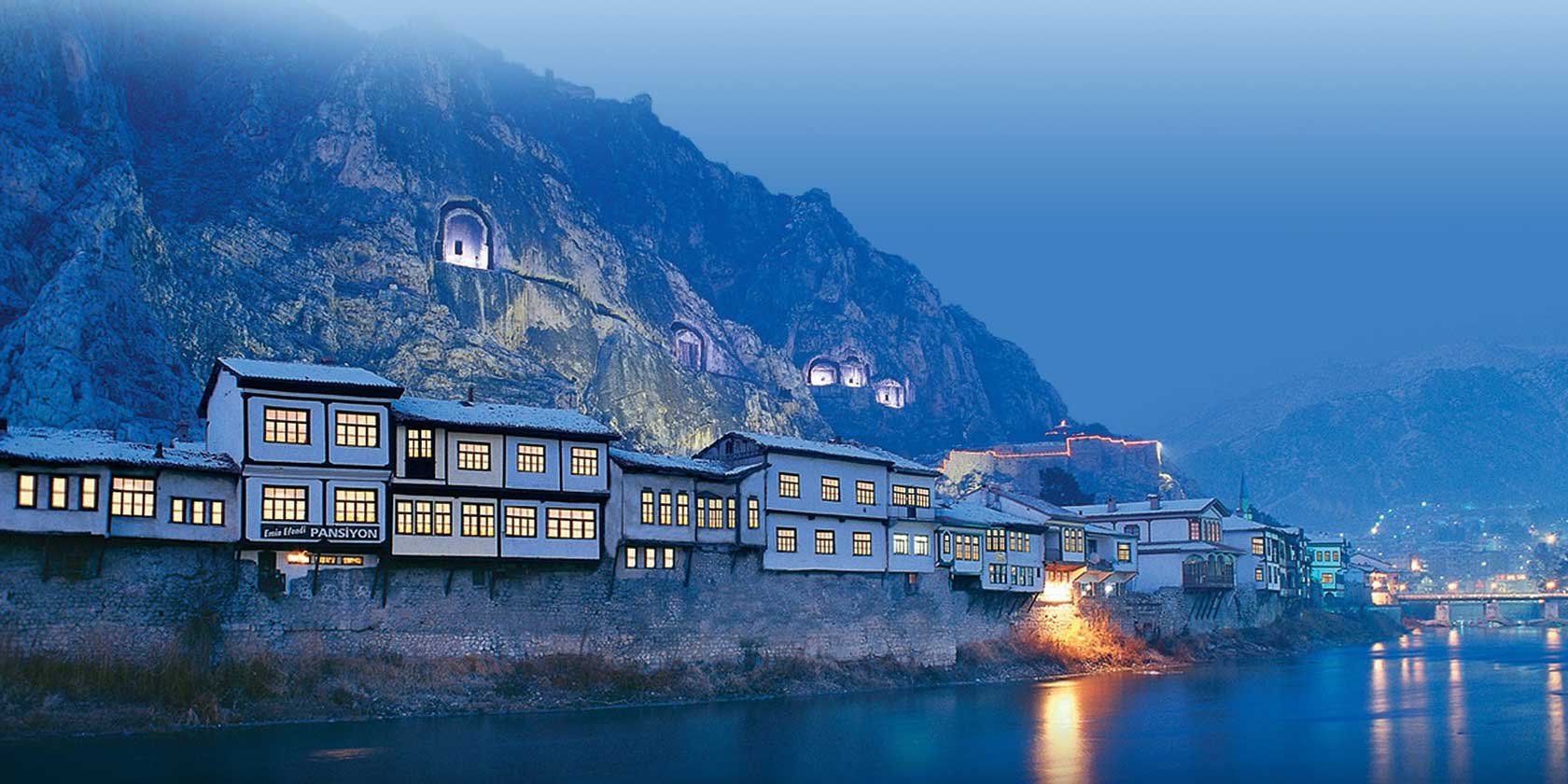
The history of the first settlement of the city of Amasya can be traced back to the Hittite peoples because they founded the first settlements here in the Pontic Mountains.
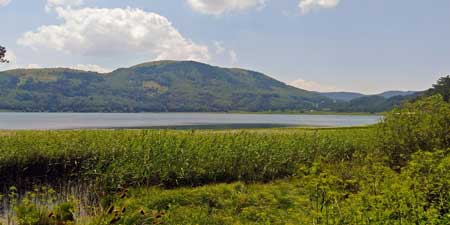
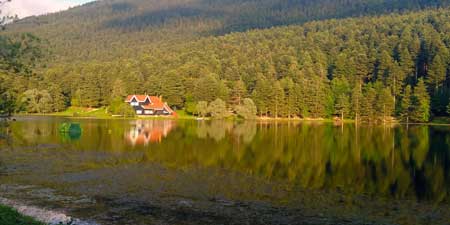
If you pass along the Black Sea coast road near Bolu, you will reach Abant Lake, which is called Abant Gölü in Turkish after approx. 34 kilometres southwest of Bolu.
Bolu is one of Turkey’s provinces. The Bolu city is one of the best starting points to do an environment excursion. Bolu was constructed as Bithynion in the 2nd century.Because of the earthquake nothing from the past can be remembered there today.
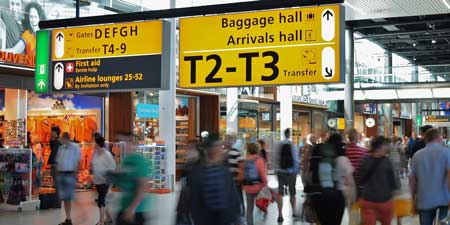
Trabzon Airport (IATA: TZX, ICAO: LTCG) is an airport next to Trabzon, a city in the eastern Black Sea region of Turkey. In 2007, it totally served 1,482,760 passengers, 1,397,175 of them were domestic passengers.
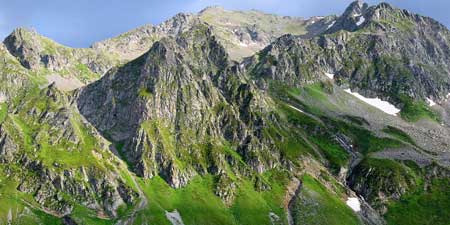
Rize is a town in the north-east of Turkey on the Black Sea at the foot of the Kackar Mountains, the most eastern and highest part of the Pontian Mountains. The border with Georgia is just 100 kilometres from here.
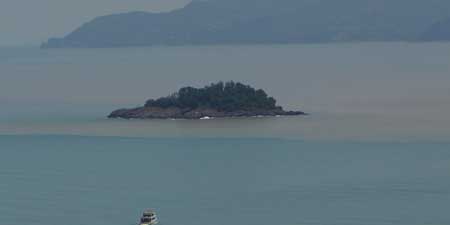
Giresun, located in north-eastern Turkey on the Black Sea, is the capital and, with almost 90,000 inhabitants, the largest city in the Turkish province of the same name.
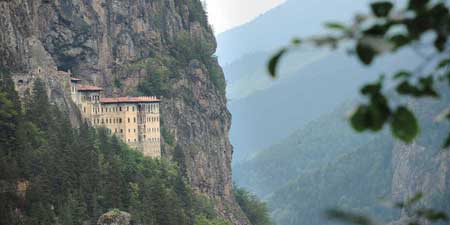
The Hagia Sophia Church of Trabzon belongs to the Group of Cloister Churches and had been built at the time of Manuel, one of the most important kings of the Trabzon Empire of Kommenos (from 1238 - 1263).The clock tower, built in 1427, is at the west side of the church.
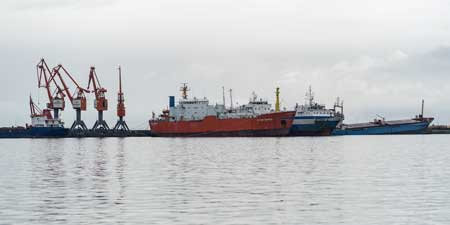
Samsun is the largest city of the Black Sea region of Turkey, it is a city with an industry and commerce centre at the same time it possesses a saddening story. For hundreds of years this city has gone throughso much damage that when it is seen today it’s site is very plain and functional.
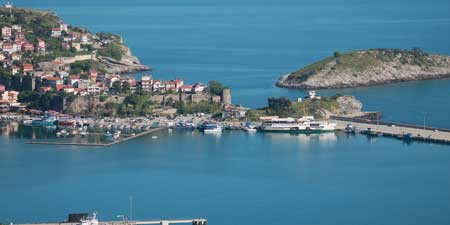
Amasra is one of the most beautiful towns along the Black Sea coast. Poised on a peninsula split by two inlets, the site was first settled in the 12th century B.C. and named after the Persian Princess Amastris.
Sinop is a young city with a very old heritage that is losing its charm day by day. It is a city surrounded by beautiful beaches that are located on a long promontory. A suburb of Istanbul, gets into our mind.
Worth mentioning and worth visiting is the area around the city port of Ereğli, west of Zonguldag, even there mainly is heavy industry with iron and steel factories which have settled there.
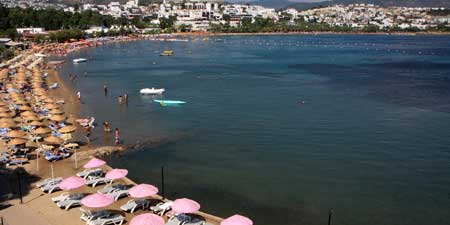
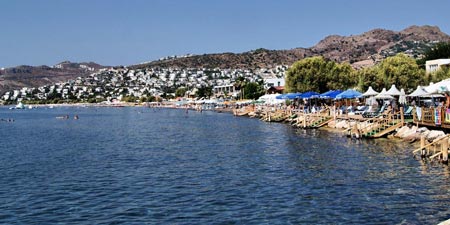
Gümbet stretches to the west of Bodrum and there is just a distance of about 3 kilometres between the centre of Bodrum and Gümbet. The region developed rapidly and became an alternative entertainment centre to Bodrum.
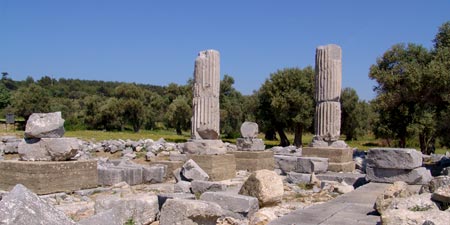
Teos - The Ionian city of Teos was located directly on the Bay of Sığacık, only about 35 kilometers away, at that time a day's journey from the gates of ancient Smyrna.
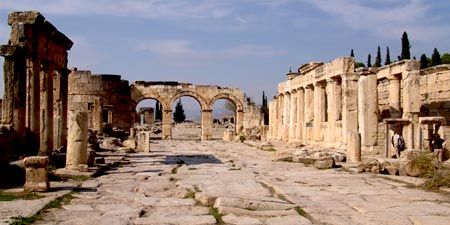
Hierapolis - The ruins of ancient town follow the 1200 metre long and 6 metre wide road which is lined with columns all over the travertine terraces of Pamukkale from north to south.
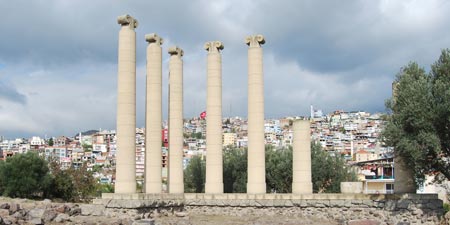
Izmir Tepekule - Recent excavations at Tepekule Hill near Bayraklı have shown that the Izmir region has been inhabited since around 3000 BC. The city's original name was "Smyrna," meaning "place of the holy mother."
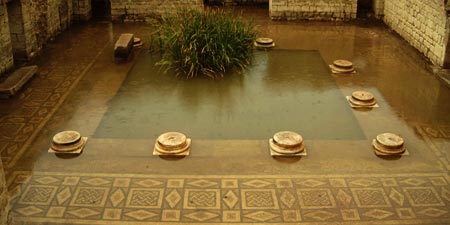
Allianoi - The most recent reports from Turkey about the Roman spa complex, sent by the local Allianoi Initiative led by the archaeologist professor Ahmet Yaras, says that now only the tops of excavated walls and columns poke through sand that workers employed by the Turkish State Waterworks are laying.