CMT Stuttgart - Everything the golfer's heart desires
Türkiye – broad history and mass tourism today
Since the founding of the republic in 1923 as the successor state to the Ottoman Empire, Turkey has been secular and Kemalist in orientation. The country's founder, Mustafa Kemal Atatürk, initiated a modernization of Turkey through social and legal reforms modelled on various European nation states.
The current President Recep Tayyip Erdoğan has been at the helm of the country since 2003. Since around 2012, he has led the country in an increasingly authoritarian manner. Freedom of expression and freedom of the press in particular are considered to be severely restricted. The currency and debt crisis triggered by its economic policies as well as high inflation have continued since 2018, which makes Turkey quite attractive from a tourist perspective.
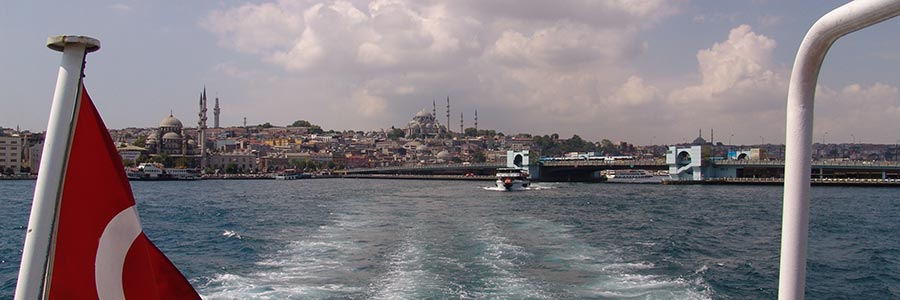
The culture of today's Turkey is a fusion of the ancient Turkish nomadic culture of Central Asia and Siberia, the Greco-Roman era, the culture in the Ottoman Empire with its Byzantine, Persian, Arabic, Caucasian, Armenian and Kurdish influences, as well as the strong European direction since the founding of the Republic Ataturk. The cultural centre of the country is the metropolis of Istanbul.
With the political changes, the content of Turkish literature also changed. Early representatives include Fakir Baykurt, Sabahattin Ali, Sait Faik Abasıyanık and Yaşar Kemal, who put ordinary people at the centre of their work. With the turn to describing living conditions, social and political criticism of the state is inevitable. The state reacts with censorship and political violence. Authors like Nâzım Hikmet, Yaşar Kemal and Aziz Nesin spend many years in Turkish prisons because of the persecution of their publications. Kemal therefore referred to the prison as a “school of Turkish literature”.
Turkish cuisine has also influenced Greek and the rest of the Balkan cuisine - including etymology. For example, tzaziki comes from the Turkish cacık, and Ćevapčići comes from kabapcik. Yogurt also comes from Turkish Yoğurt. Doner kebab is made from beef, veal or poultry. In Turkey, but also in other countries, the kebab is also served on a plate.
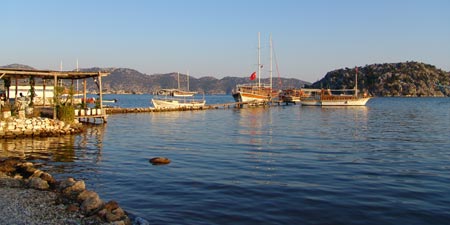
A Lycia Story in the Country of Lights. A friendly fishing town with a natural harbor which is a good shelter for boats, islands situated randomly in the front, remnants in water and on land that are struggling to shed light on its history, a lovely tiny bay and its pensions which are mixtures of wood and stone.
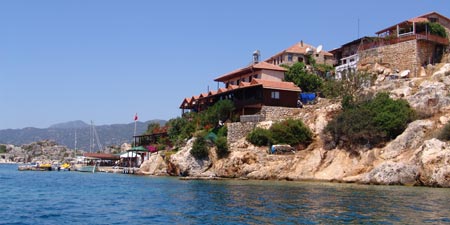
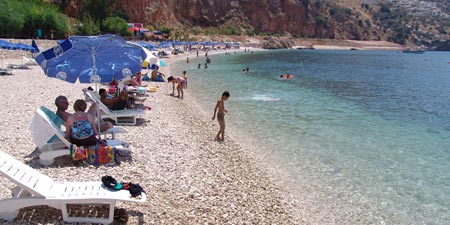
The Mediterranean Village Dancing under the Shade of History! Kaleköy village which is accessible only by boat or on foot, is is located between Kaş and Demre.
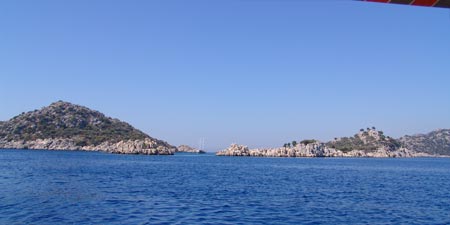
Mysteries of the Ancient World appear inside this Triangle. Kekova is a Mediterranean island near Demre district of Antalya province which faces the villages of Kaleköy (ancient Simena) and Üçağız (ancient Theimiussa). No one lives on the island.
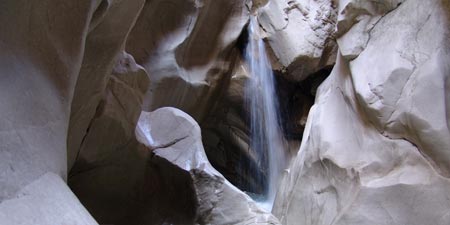
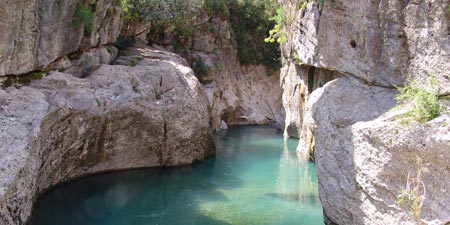
Once you are traveling from Patara to Fethiye, you should try tro visit the imposing canyon of Saklikent at the foot of the Lykian Taurus Mountain. It will take about an hour from Xanthos in using the side road by car, but lot of signs will easily lead you to the canyon.
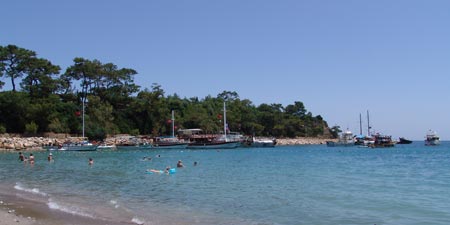
30 miles to the west of Antalya at the base of the Bey Mountains, which belong to the Olympos National Park, Kemer, one of the most beautiful holiday resorts with a beautiful harbor for sailing ships, is situated. Small and beautifully-decorated shops offer a wide variety of different goods.
Kalkan is thought to be the small issue of Kaş, however, the more exquisite one. In several patios the former fishing village drops to the sea. Restaurants form nice groups around the small harbor, about that white washed villas cuddle up surrounded by small houses closely to the slopes.
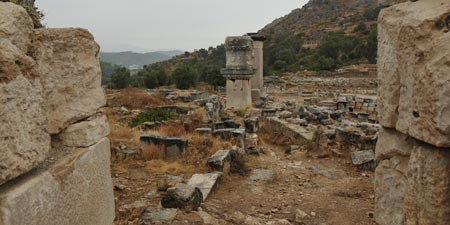
Xanthus is mentioned by numerous ancient Greek and Roman historical geographical writers. Strabo notes Xanthos as the largest city in Lycia, as the Capital of the Lycian Town Assembly.
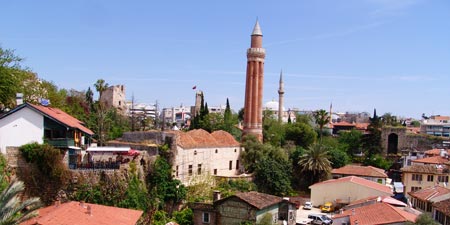
The Alaaddin or Yivli Minare Mosque ("Fluted Minaret" Mosque), commonly also called Ulu Mosque (Turkish: Ulu Cami, "Grand Mosque") in Antalya is a historical mosque built by the Anatolian Seljuk Sultan Alaaddin Keykubad I at the beginning of his reign.
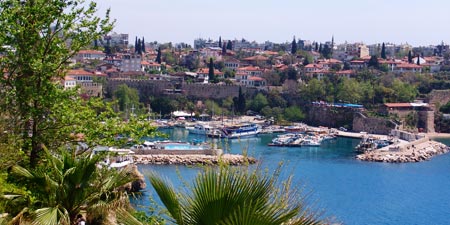
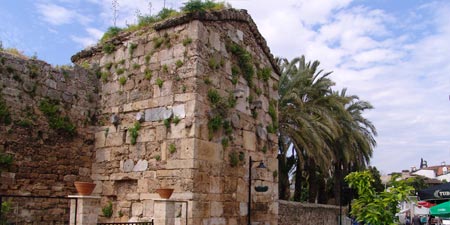
This walk can be completed within a morning or afternoon hike, or as long as you want it to enjoy it! Start at the Kaleiçi (Old Quarter) and walk down to the ancient marina or, if you wish, start at the marina itself.
Whilst in search of places worth visiting in Alanya / Antalya region, we came across an old magazine at a second hand bookseller in İzmir. The book was, next to other topics, showing one article about “Uçan Waterfalls” near Antalya:
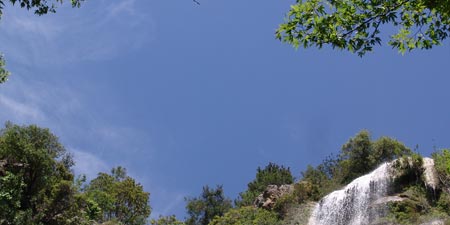
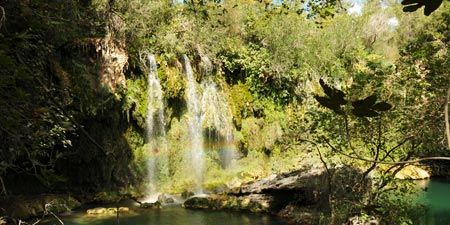
Several times we have used our trips to Antalya to take a break at the amazing waterfall of Kursunlu, about 40 kilometers to the South-East of Antalya and to the South of the ancient ruins of Perge.
Located on the western end of the Mediterranean Coast of Turkey, Antalya has been one of the most important commercial ports of Anatolia throughout its long history, has constantly been settled after second century AD and hosted many voyagers as part of their itinerary.
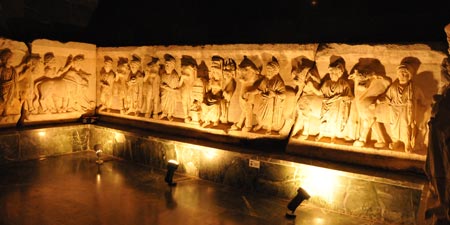
Once visiting Antalya, please do not miss to visit to the archaeological museum of Antalya. It is located on the western outskirts, about 2 km from the center and was founded in 1919. If you are close to the old center called Kaleici, you may even use the old Nürnberg tram to get to museum.
Southern Turkey is on one hand shaped by the sea, its landscapes and culture, and on the other by the outstanding services and activities it has to offer. With more than 300 days of sunshine a year, it is undoubtedly an attractive holiday destination for guests from Europe the whole year round.
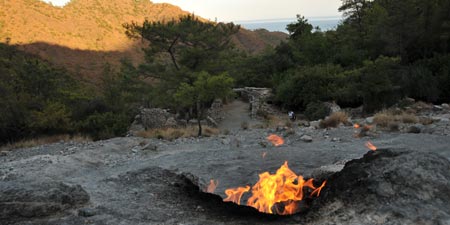
Most well known all over the world is the ancient place next to Kemer called Chimera which origins from Latin language meaning "Burning Stone", a natural phenomenon since a couple of thousands of years: From below the rocks of a mountain, flames occur on the surface in different places, the ever lasting "Fire of Chimera".
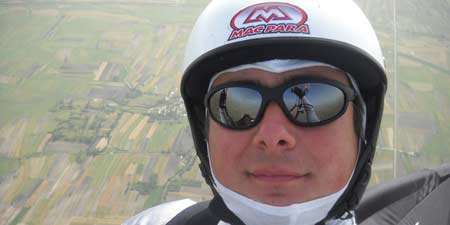
Our explorations in the area of Lake Ohrid had surprisingly let us to two take-off spaces for paragliders situated in the Galicica National Park or above Struga in the border mountains to Albania.
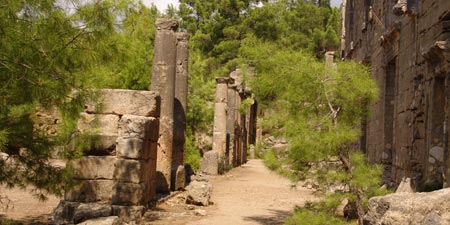
The ancient Seleukeia City which is also known as Lybre, even it is not proved is located in the borders of Bucakşeyhler (Şıhlar) village, which is 12 km away and north-westward, towards the Taurus Mountains, from Manavgat center.
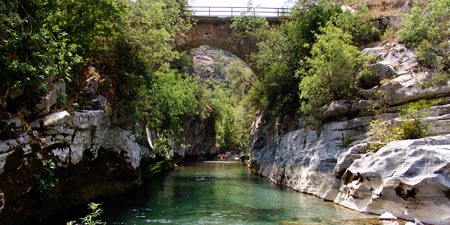
Emerging from the Taurus Mountains and running through a number of amazing canyons, Köprüçay flows into the Mediterranean to the South of Serik, Antalya.